Coloring tips: How to color Rose Garden Morning coloring page well?
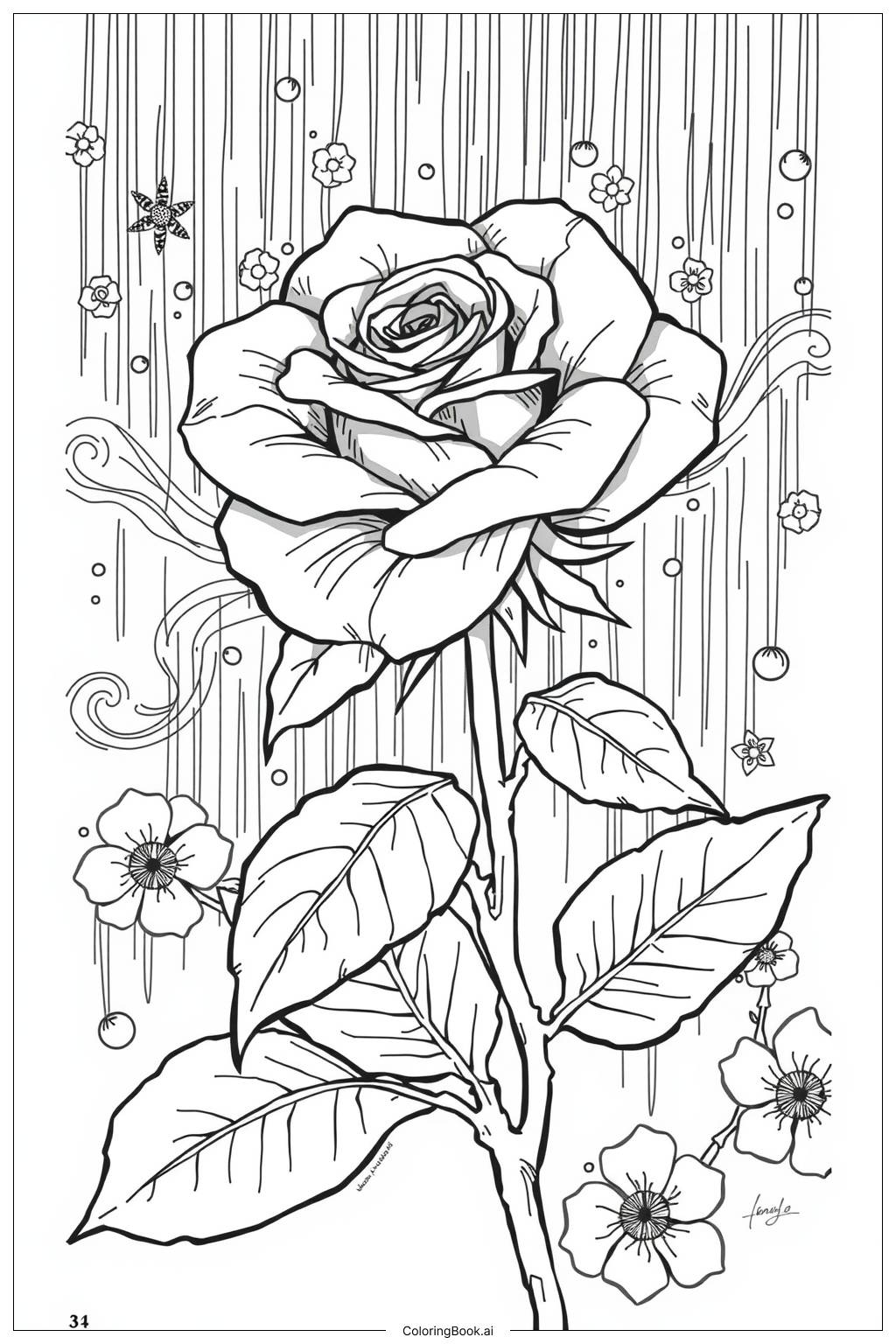
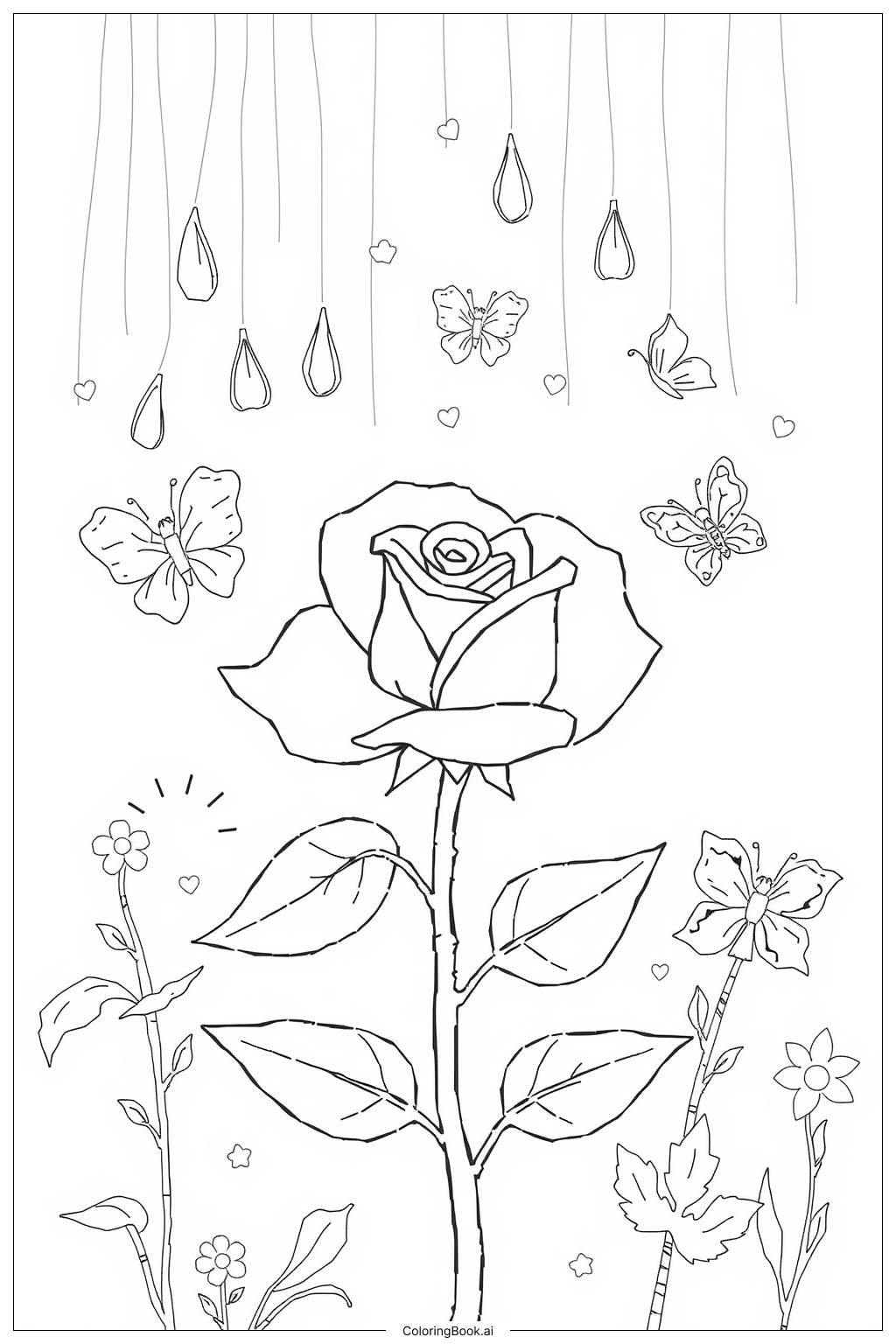
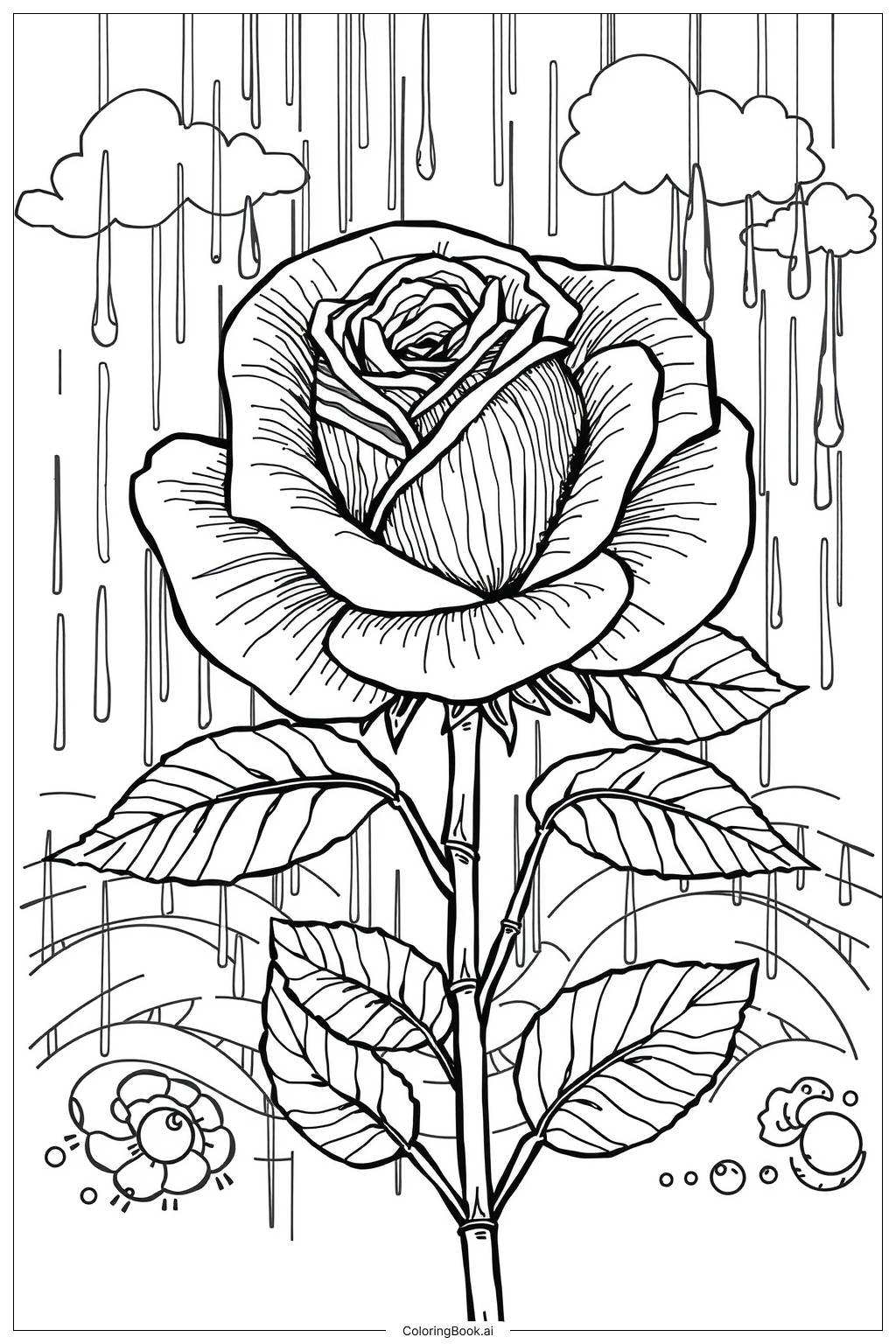
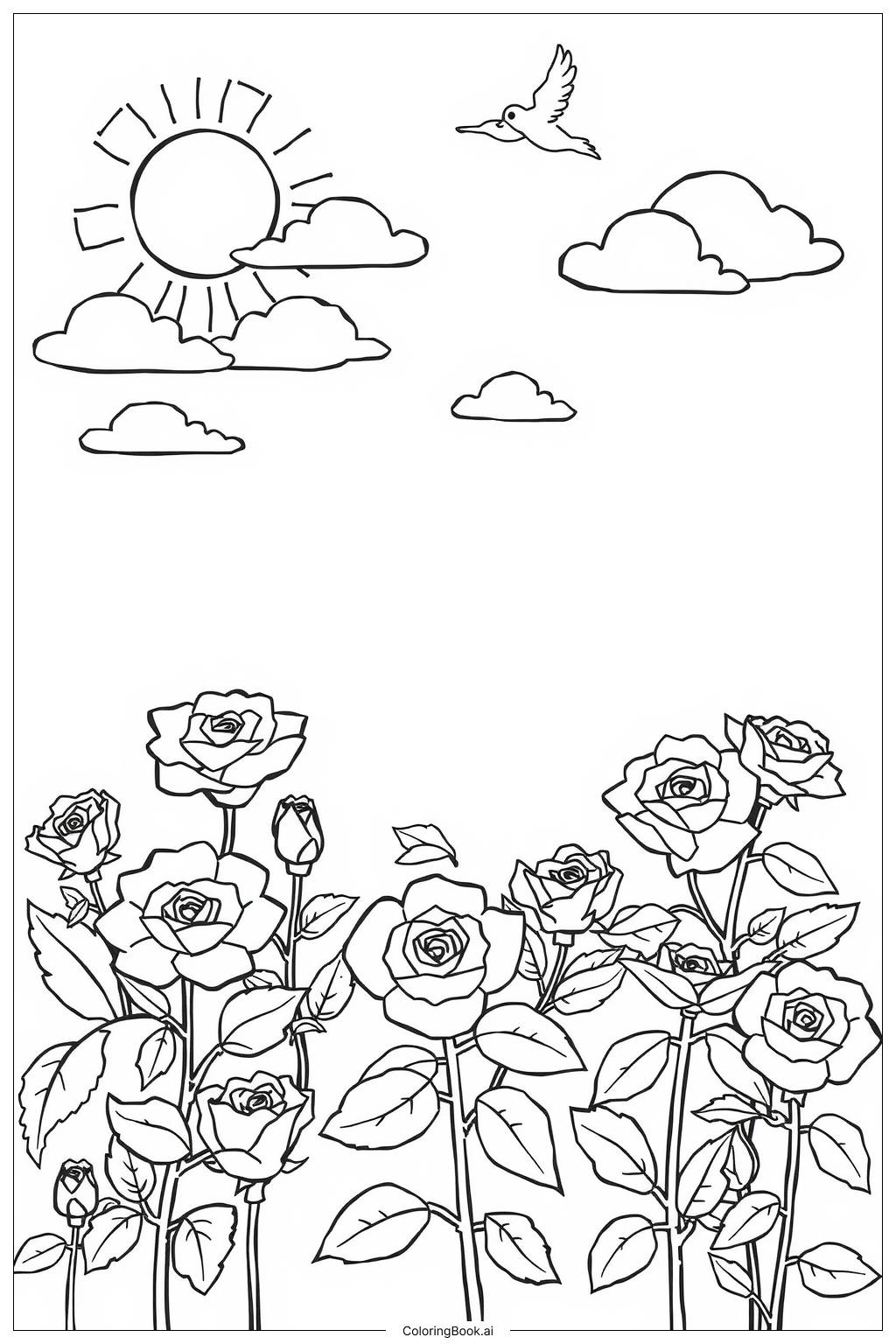
Start with the roses themselves. Classic red or pink roses look lovely, but feel free to try yellow, peach, or even purple for a magical feel. Use a darker shade of the same color along the outer petals and a lighter or white tone near the center to show depth.
For the leaves, use different shades of green — bright lime green for young leaves and deeper forest green for older ones. This makes the garden feel full of life.
Color the garden path in warm sandy beige or soft gray. The fence or trellis can be brown or white.
For the morning sky in the background, blend soft yellows, pale oranges, and light pink to capture the feeling of sunrise. Keep the colors gentle and warm to match the peaceful morning mood.
Take your time with the rose petals — they are the stars of this image!
Coloring challenges: Which parts are difficult to color and need attention for Rose Garden Morning coloring page?
• Rose Petal Layers: Roses have many overlapping petals arranged in circular layers. Keeping track of which petal sits on top of another can be tricky. You need to shade each petal slightly differently so the layers look three-dimensional and not flat. Moving from light to dark tones carefully within a small space takes patience and a steady hand.
• Intricate Leaf Details: The leaves include veins, serrated edges, and overlapping stems. Coloring around these fine lines without accidentally filling the wrong section requires focus. Using a fine-tipped colored pencil or marker helps here. Choosing the right greens and knowing when to add shadows along leaf edges adds a lot of realism.
• Background Sky Blending: The morning sky calls for a smooth gradient from pale yellow near the horizon to light blue or soft pink higher up. Blending these colors smoothly without harsh lines is a challenge, especially if you are using colored pencils. Layering colors lightly and blending in circular motions can help achieve a soft, glowing sky effect.
• Garden Path and Depth: The winding path in the foreground needs to look like it recedes into the distance. This means the path should be slightly darker or more detailed at the front and lighter and simpler toward the back. Creating this sense of perspective with flat colors is one of the more advanced challenges of this scene.
• Consistency Across the Garden: With so many roses and leaves filling the page, keeping a consistent color palette throughout without making it look messy or repetitive takes planning. It helps to decide on your color scheme before you start and stick to it across the whole image.
Benefits of coloring books: Advantages of drawing Rose Garden Morning coloring page
Coloring this Rose Garden Morning page offers a wide range of benefits for both children and adults.
For younger colorists, tracing around the detailed petals and leaves helps build fine motor skills and improves hand-eye coordination. Choosing colors for different parts of the garden encourages creative decision-making and builds confidence.
For older children and teens, focusing on a complex, layered scene like a rose garden supports concentration and patience. Working through each section step by step teaches the value of slowing down and being thorough.
For adults, this image is a wonderful way to unwind. The repetitive, rhythmic motion of coloring rose petals has a calming effect similar to meditation. It helps quiet a busy mind and brings a sense of peace and accomplishment when the page is complete.
The morning garden theme also connects colorists to nature. Thinking about the colors of a real sunrise or a blooming garden sparks curiosity and appreciation for the natural world.
Completing a detailed image like this one also builds a sense of pride. Finishing something beautiful — one petal at a time — is a small but meaningful achievement that can brighten anyone's day.