Coloring tips: How to color Realistic Rose Study coloring page well?
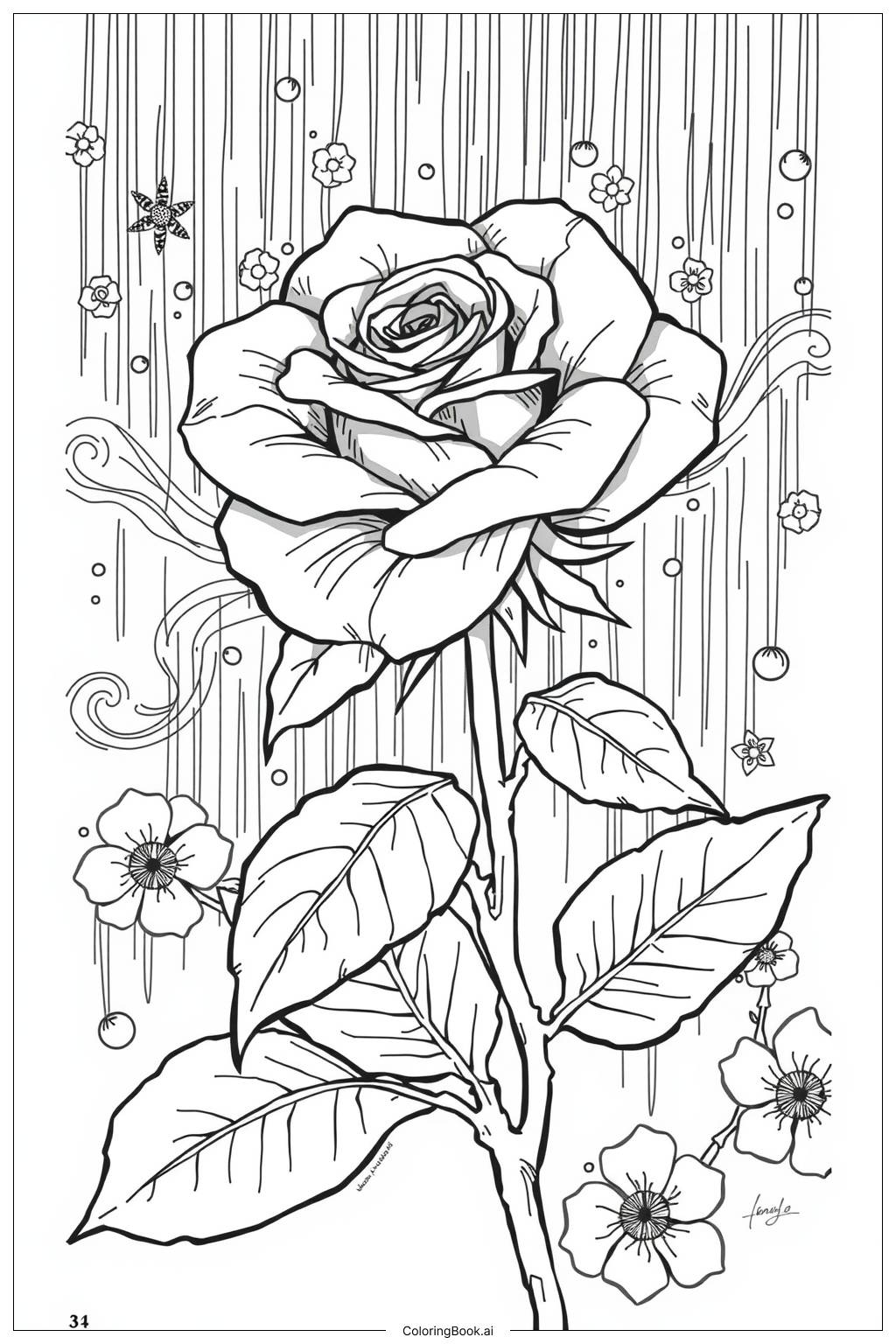
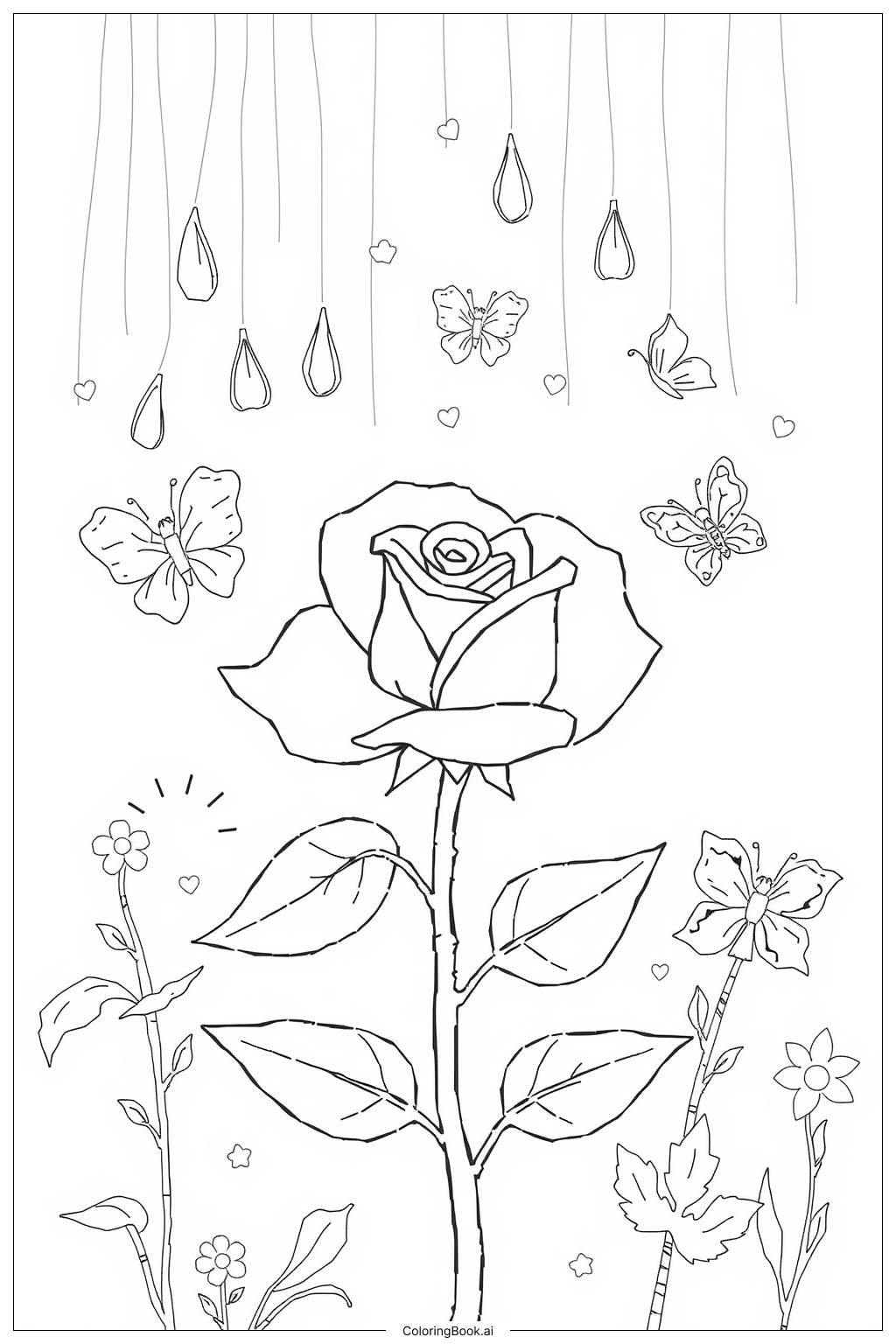
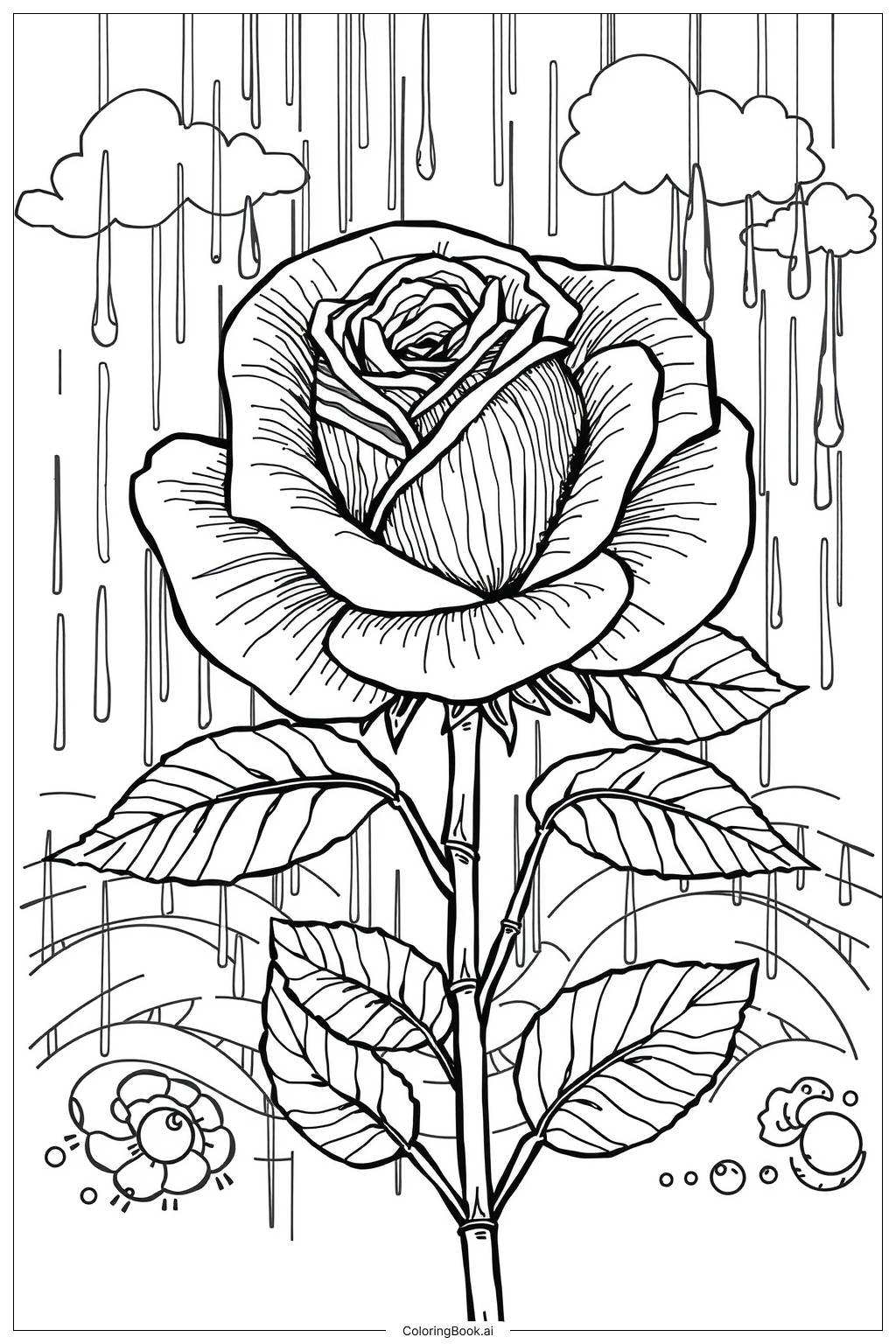
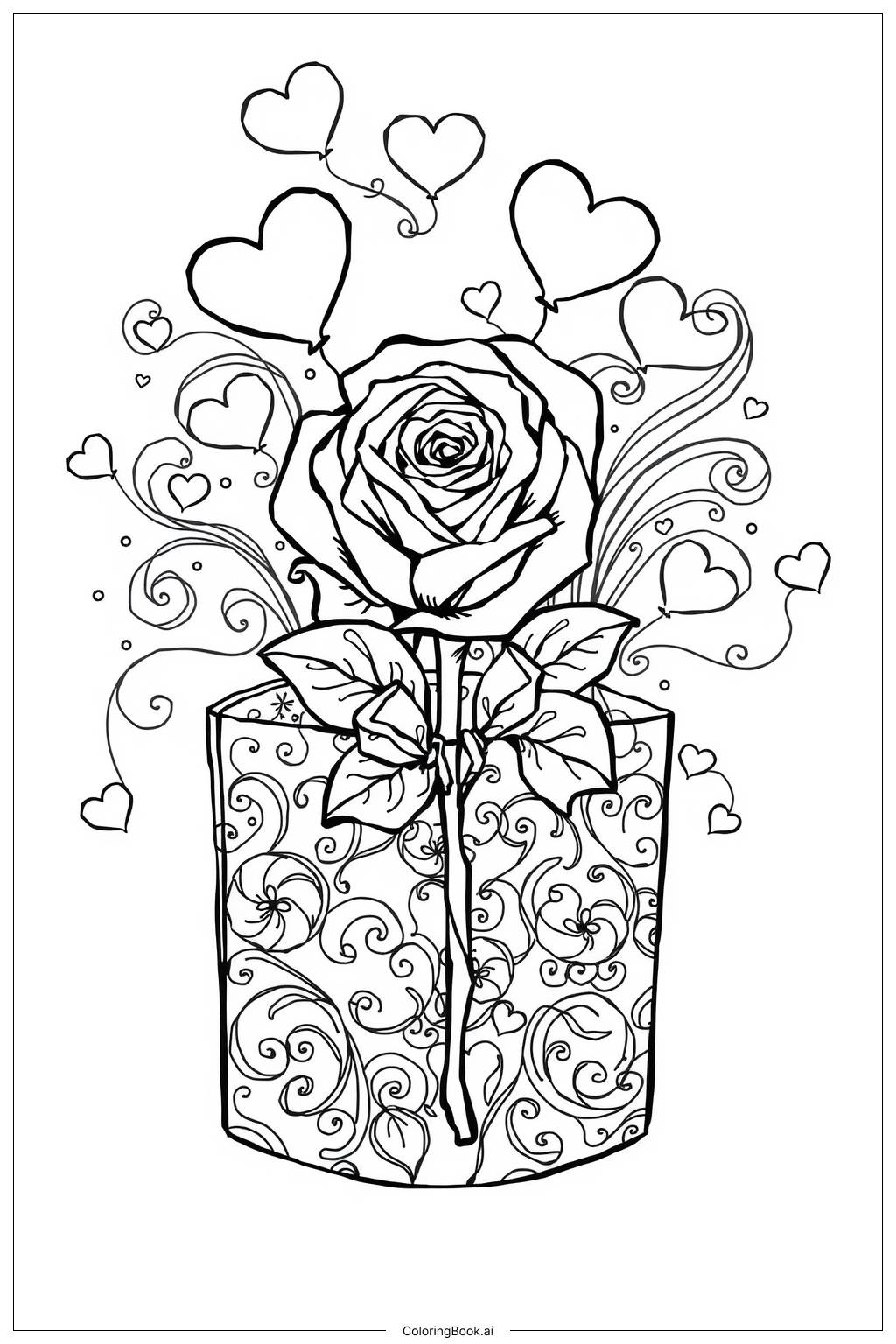
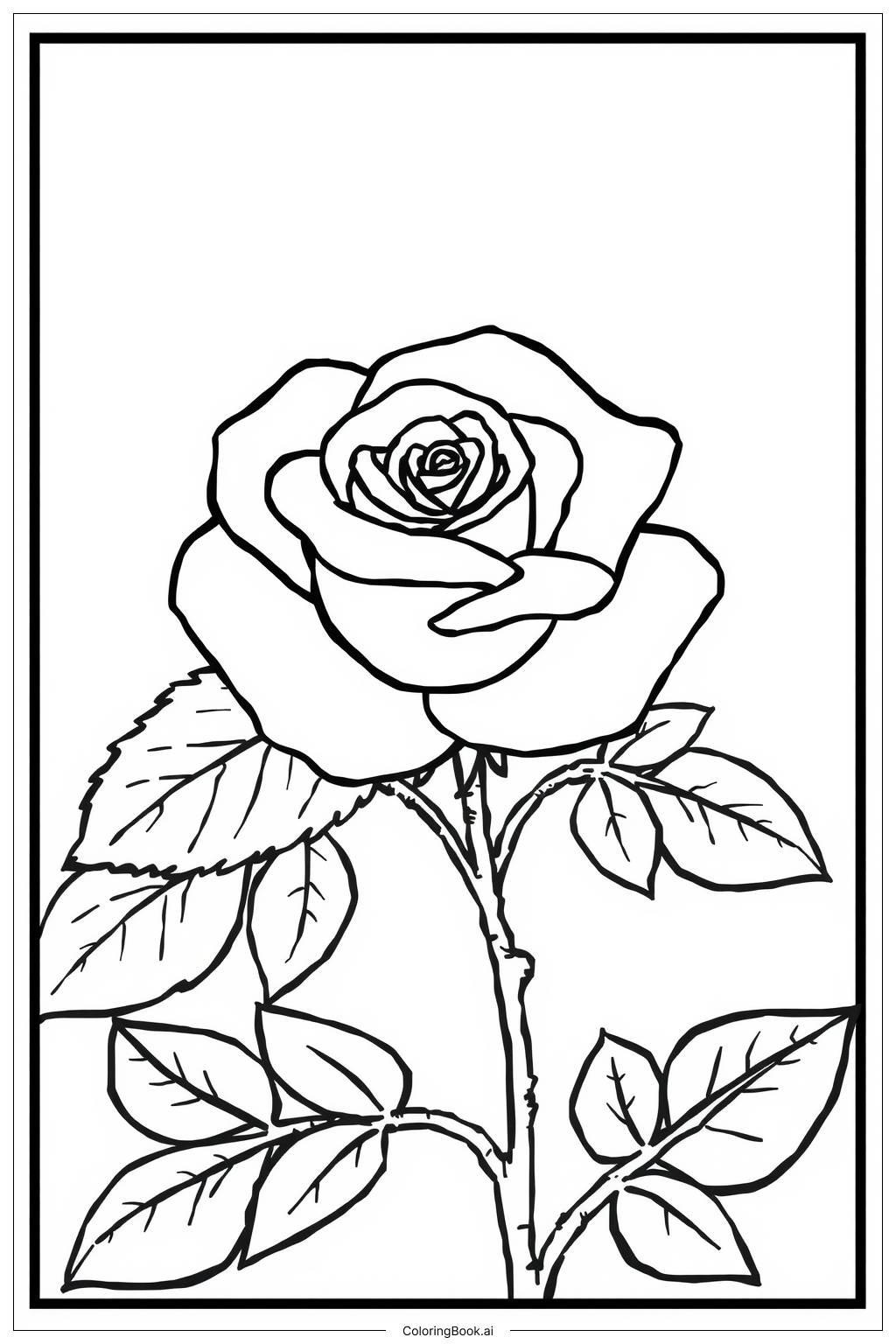
Start at the center of the rose with a deep, rich red or dark pink. This draws the eye inward and gives the bloom its focal point. As you move outward to the larger petals, gradually lighten your color to create a natural gradient. The outer petals can be a soft blush or light pink. Use a white or very pale yellow to highlight the tips and curved edges of petals, adding a sense of light catching the surface. For the leaves, use two or three shades of green. Darker green works well in shadowed areas near the stem, while brighter greens bring life to the outer leaf edges. The stem can be a medium olive green with hints of brown. Keep your strokes smooth and follow the direction of each petal curve for a polished, realistic finish. Take your time and layer colors slowly for the best results.
Coloring challenges: Which parts are difficult to color and need attention for Realistic Rose Study coloring page?
• Petal Layering and Depth: The rose has many overlapping petals that spiral from the center outward. Keeping each petal visually separate while still making the bloom look unified is tricky. You need to use slightly different shades for each layer so they do not blend into one flat shape. This requires patience and a careful eye for tonal variation.
• Gradient Transitions: Achieving a smooth color transition from the deep inner petals to the lighter outer ones is one of the hardest parts of this image. Abrupt color changes can make the rose look flat or unnatural. Blending tools, colored pencils with light pressure, or layering multiple tones gradually are all helpful techniques here.
• Fine Petal Fold Lines: Each petal contains small curved lines that represent natural folds and creases. Coloring around these lines without losing them takes a steady hand and a sharp, fine-tipped tool. If these details are colored over, the petal loses its three-dimensional quality.
• Leaf Vein Detail: The leaves contain intricate vein patterns that run from the central midrib to the leaf edges. Preserving these lines while filling in the leaf body with green requires careful control. Using a fine tool to outline veins first, then filling in around them, can help maintain clarity.
• Light Source Consistency: To make the rose look realistic, all highlights and shadows should follow a single imagined light source. Keeping this consistent across every petal and leaf is a real challenge, especially for younger or less experienced colorists. Planning the light direction before you begin will save a lot of rework later.
Benefits of coloring books: Advantages of drawing Realistic Rose Study coloring page
Coloring this realistic rose offers a wide range of wonderful benefits for children and young learners. Working through the detailed petals and leaves builds fine motor skills and hand control, which are important for writing and other precise tasks. Because the image includes many small sections, kids learn to slow down, focus, and pay close attention to what they are doing. This naturally improves concentration and patience. Choosing colors for petals, leaves, and the stem also sparks creative thinking and helps children understand how colors work together to create mood and realism. The process of blending from dark to light teaches early lessons in shading and visual depth, which are foundational art skills. Completing a detailed image like this also gives a real sense of achievement and boosts self-confidence. For older children, this rose study can serve as an introduction to botanical art and nature observation. Overall, spending time with this image is both calming and enriching, making it a great activity for winding down or exploring artistic expression at any skill level.