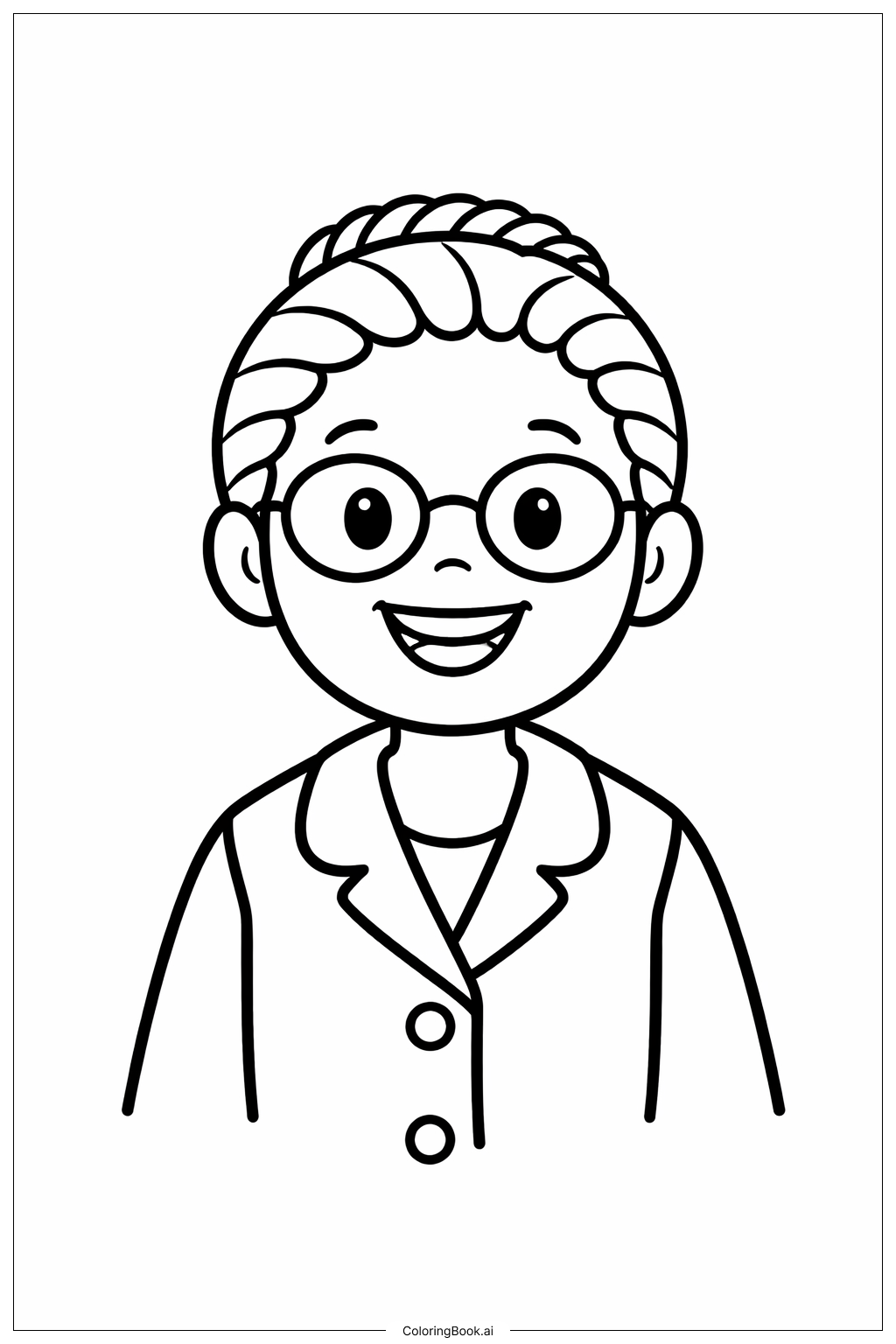
Coloring tips: How to color Rosa Parks Happy Expression coloring page well?
Start with Rosa Parks' skin tone using warm shades like peach, tan, or brown, depending on how you want to represent her. Use a slightly darker shade to add shadow around her cheeks, chin, and the sides of her nose to give her face depth. For her hair, try dark brown or black with subtle gray highlights to reflect her age and wisdom. Her coat can be colored in classic tones like navy blue, dark gray, or burgundy to keep a dignified, historical feel. Use soft pink or rose tones for her lips to complement her happy expression. Add light shading around the eyes and smile lines to make her expression look warm and full of life. Take your time with each section and enjoy the process of honoring this remarkable woman through color.
Coloring challenges: Which parts are difficult to color and need attention for Rosa Parks Happy Expression coloring page?
• Skin Tone Blending: Achieving a realistic and respectful skin tone for Rosa Parks requires careful layering of warm browns and mid-tones. The challenge is blending multiple shades smoothly around the curves of her cheeks, forehead, and chin without creating harsh lines. Young colorists may need to practice light pressure and gradual buildup of color to get a natural look.
• Facial Expression Details: Rosa Parks' happy expression includes subtle smile lines, soft eyes, and gentle curves around her mouth. These fine details are small and close together, making it tricky to color each area without accidentally going outside the lines or blending areas that should stay separate. Using a fine-tipped colored pencil or thin marker can help.
• Hair Texture and Shading: Her carefully styled hair has multiple layers and curves that call for shading to show depth and dimension. Coloring all areas a flat single color may make it look too simple. Adding darker tones in the inner curves and lighter highlights along the top helps create a more lifelike appearance.
• Clothing and Fabric Details: Her coat has buttons, folds, and structural lines that require attention. Keeping the color consistent across a larger surface while still suggesting fabric texture is a challenge, especially for younger colorists working with crayons or wide markers.
• Balancing the Whole Portrait: Because this is a portrait, every section of the image — skin, hair, clothing, and background — needs to work together visually. Choosing colors that contrast well without clashing takes thoughtful planning before you begin.
Benefits of coloring books: Advantages of drawing Rosa Parks Happy Expression coloring page
Coloring this image of Rosa Parks brings both creative and educational rewards. As you fill in her warm smile and dignified features, you are connecting with the story of a real person who stood up — and sat down — for what was right. This makes the activity meaningful far beyond the page itself.
For children, coloring Rosa Parks helps spark curiosity about history and social justice in a gentle, hands-on way. It builds a sense of empathy and respect for people who showed courage in difficult times.
For older colorists and adults, this page offers a meditative, focused experience. Carefully blending skin tones, shading her hair, and choosing the right colors for her clothing all require concentration and artistic decision-making that help quiet the mind and reduce stress.
Working on a portrait also strengthens fine motor skills, color awareness, and attention to detail. Because Rosa Parks' expression is so expressive and specific, colorists are naturally encouraged to slow down and observe closely — a valuable habit for both young learners and experienced artists.
Most importantly, completing this page leaves you with a personal, handcrafted tribute to a woman whose quiet bravery helped change the world. That sense of purpose makes every stroke of color feel worthwhile.