Coloring tips: How to color Panda Eating Bamboo Put Me In The Zoo coloring page well?
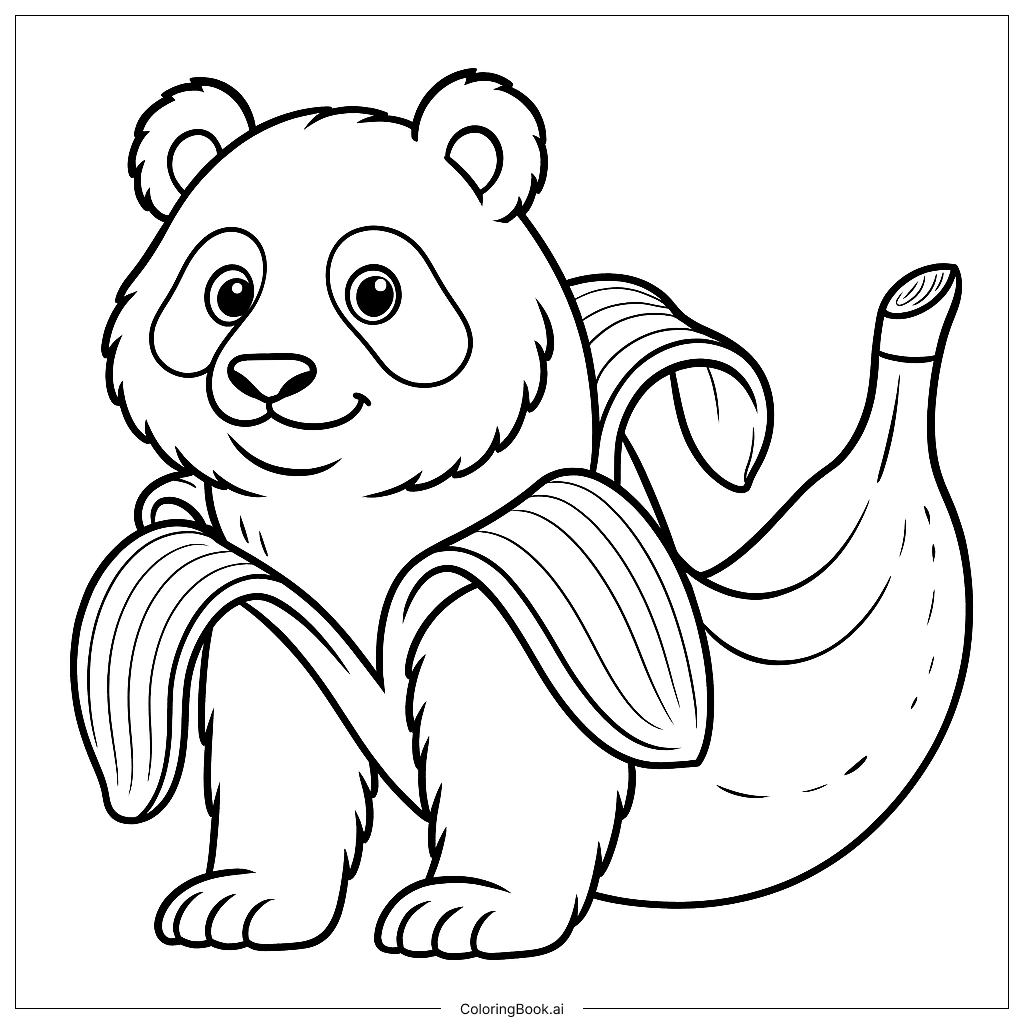
Use soft black and white to color the panda's fur, keeping the classic look but feel free to add some light gray tones for shadows and texture. For the bamboo, use different shades of green — from bright fresh green for the leaves to slightly darker green for the stalks — to create depth and interest. The background can be colored in light earthy tones or subtle blue for sky if you want to add more nature. You may also choose to add a splash of color to small details like flowers, grass, or ground for extra fun. Feel free to experiment with blending colors to make the panda and bamboo appear soft and realistic.
Coloring challenges: Which parts are difficult to color and need attention for Panda Eating Bamboo Put Me In The Zoo coloring page?
• Fur Texture: The panda's fur has a fluffy and soft texture that can be hard to show with solid colors. Using shading or gentle strokes helps create a furry effect rather than flat patches.
• Color Contrast: The panda’s natural black and white coloring means you must carefully balance the darkest blacks with the whites without making the image look too heavy or light.
• Bamboo Detail: Coloring the tall bamboo stalks evenly and realistically requires attention, as their long shape needs consistent shading to appear cylindrical. The thin bamboo leaves need careful coloring to avoid going outside the lines.
• Expression: The panda’s gentle face and eyes require precision to keep the friendly and calm expression bright and lively.
• Background Harmony: Choosing colors for the background that complement but don’t overpower the panda and bamboo can be tricky but is important to make the image balanced.
Benefits of coloring books: Advantages of drawing Panda Eating Bamboo Put Me In The Zoo coloring page
Coloring this image encourages children to develop fine motor skills by working carefully around detailed sections like the panda’s face and bamboo leaves. It also helps improve concentration and patience, as shading the fur and bamboo requires steady hand movements. Learning to use different shades of green and black-white tones teaches color recognition and blending techniques, which are great for creative expression. Moreover, coloring a gentle and peaceful animal like the panda can promote calmness and a sense of connection to nature, fostering appreciation for wildlife. Finally, this image offers joy and pride as children see their thoughtful work bring the scene to life.