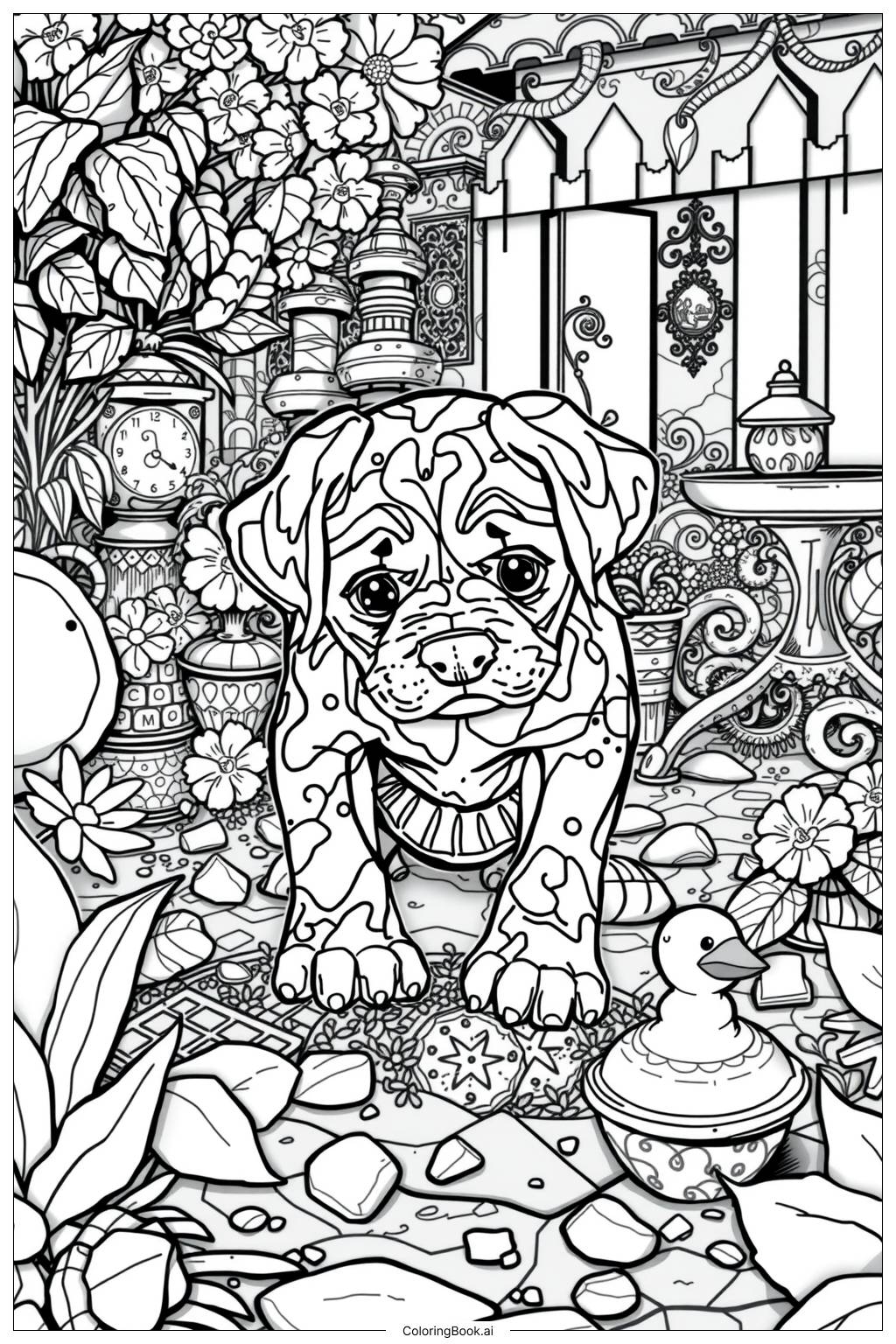
Coloring tips: How to color Puppy Digging in the Backyard coloring page well?
Start with the puppy's body using warm, light shades like golden yellow, tan, or light brown. Add darker brown patches on the ears, back, or tail for a natural look. Use a soft pink for the puppy's tongue and inner ears. Color the soil a rich medium brown, and add lighter sandy tones around the digging area to show movement. The flying dirt clumps can be light tan or beige. Use bright greens for the grass tufts and give the flowers cheerful colors like yellow, red, or purple. The wooden fence looks great in warm brown or gray tones. Add a light blue or pale yellow sky in the background to complete the outdoor feel. Try mixing shades to make the scene feel full of life and sunshine.
Coloring challenges: Which parts are difficult to color and need attention for Puppy Digging in the Backyard coloring page?
• Puppy Fur Texture: The puppy's fur requires careful layering to look realistic. You need to blend light and dark shades smoothly so the coat looks soft and fluffy rather than flat. Short, directional strokes work best to suggest the direction of fur growth, especially around the face, chest, and ears. This can be tricky for younger colorists who are still developing fine motor control.
• Flying Dirt and Soil Details: The scattered dirt clumps and pebbles around the digging area are small and closely spaced. Coloring each piece individually without smudging neighboring areas takes a steady hand and a sharp pencil or a fine-tipped marker. Choosing the right earthy tones and keeping them consistent throughout the soil area adds another layer of difficulty.
• Facial Expression: The puppy's happy face has small, expressive features like eyes, a nose, and an open mouth with a tongue. These tiny details require precision. Using the wrong shade or going slightly outside the lines can change the puppy's expression entirely, so patience and a light touch are key.
• Background Depth and Layering: Creating a sense of depth between the foreground puppy, the mid-ground garden bed, and the background fence requires thoughtful color choices. Using darker tones in the back and brighter tones in the front helps create dimension, but this technique can be challenging for beginners.
• Small Decorative Elements: The flowers, grass tufts, and the partially buried bone are small accent details that need clean, careful coloring. Switching between multiple colors for these tiny elements without muddying the surrounding areas demands good color control and a patient approach.
Benefits of coloring books: Advantages of drawing Puppy Digging in the Backyard coloring page
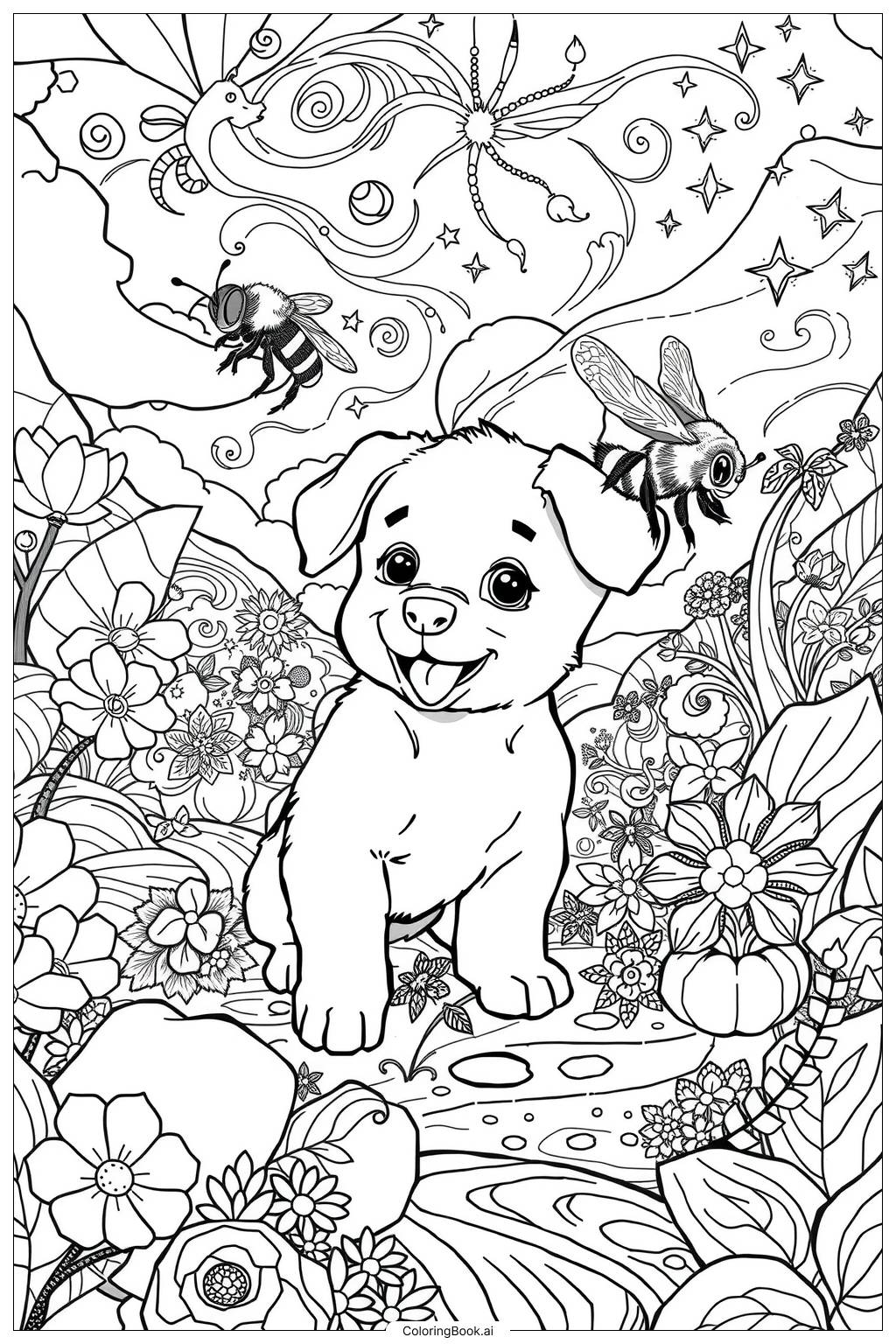
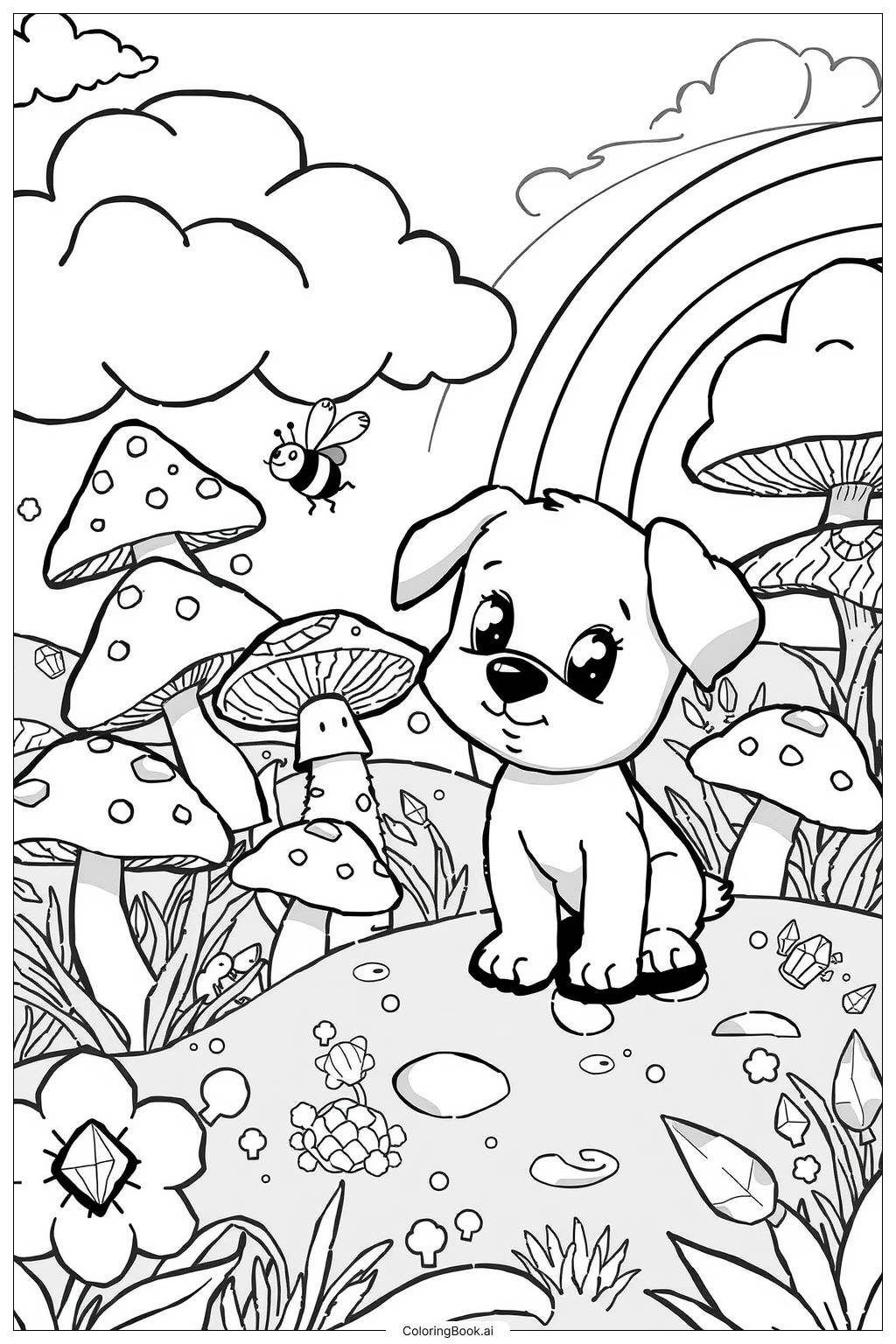
Coloring this fun puppy scene offers a wide range of benefits for kids of all ages. Focusing on the puppy's details and the busy backyard setting helps children practice concentration and patience, two skills that carry over into school and daily life. The variety of shapes and textures in the image, from fluffy fur to scattered soil to delicate flowers, gives young colorists a great opportunity to develop fine motor skills and hand-eye coordination. Choosing colors for the puppy, garden, and background encourages creative thinking and helps children learn about color mixing and contrast. The playful subject matter also sparks storytelling and imagination. Kids may start making up a little adventure about the puppy and what it is searching for. Completing the full scene gives children a real sense of accomplishment and boosts their confidence. The calming, focused nature of coloring also helps reduce stress and anxiety, making it a healthy and enjoyable activity for both quiet afternoons at home and classroom settings.