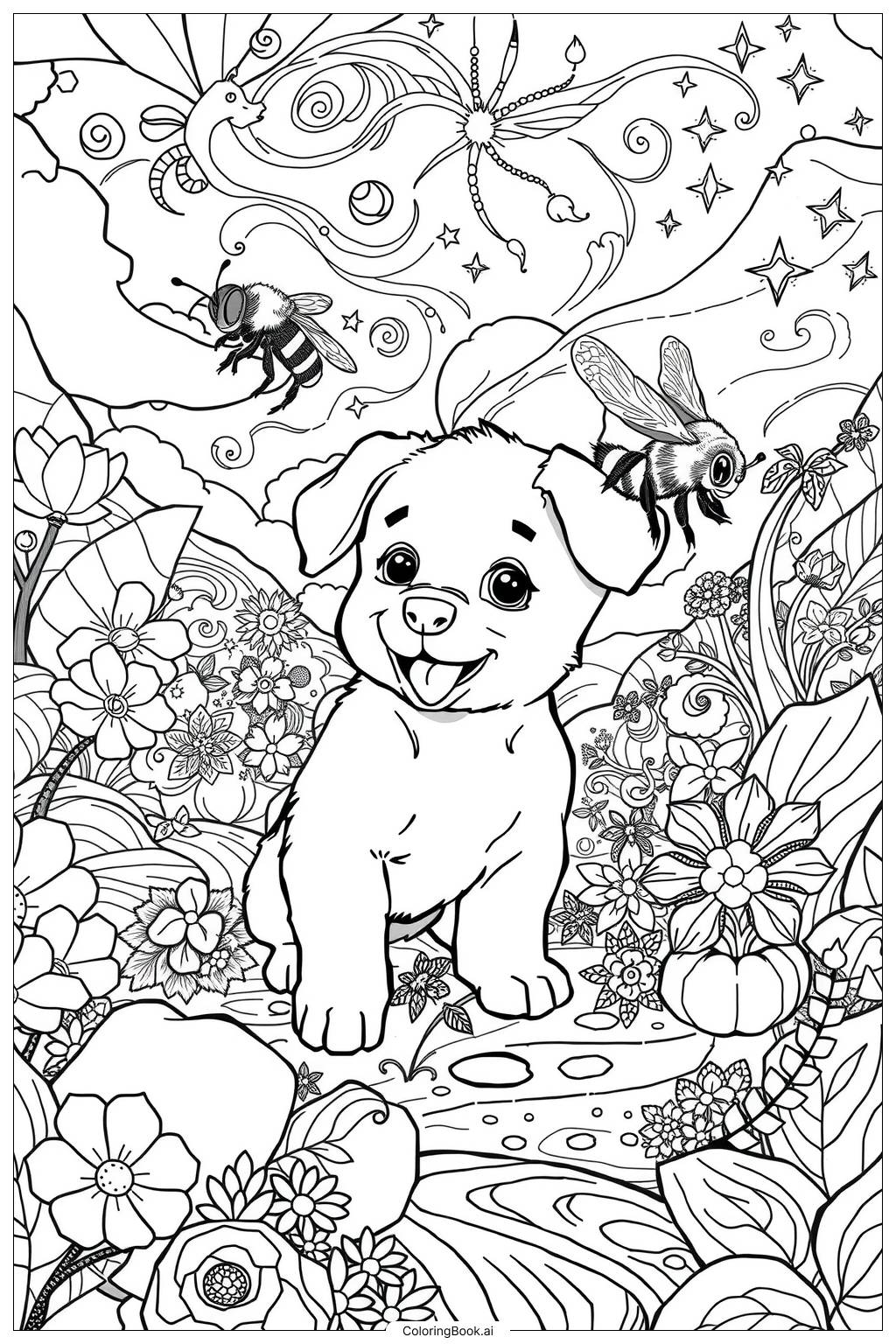
Coloring tips: How to color Bee and Puppycat in a Fantasy World-2 coloring page well?
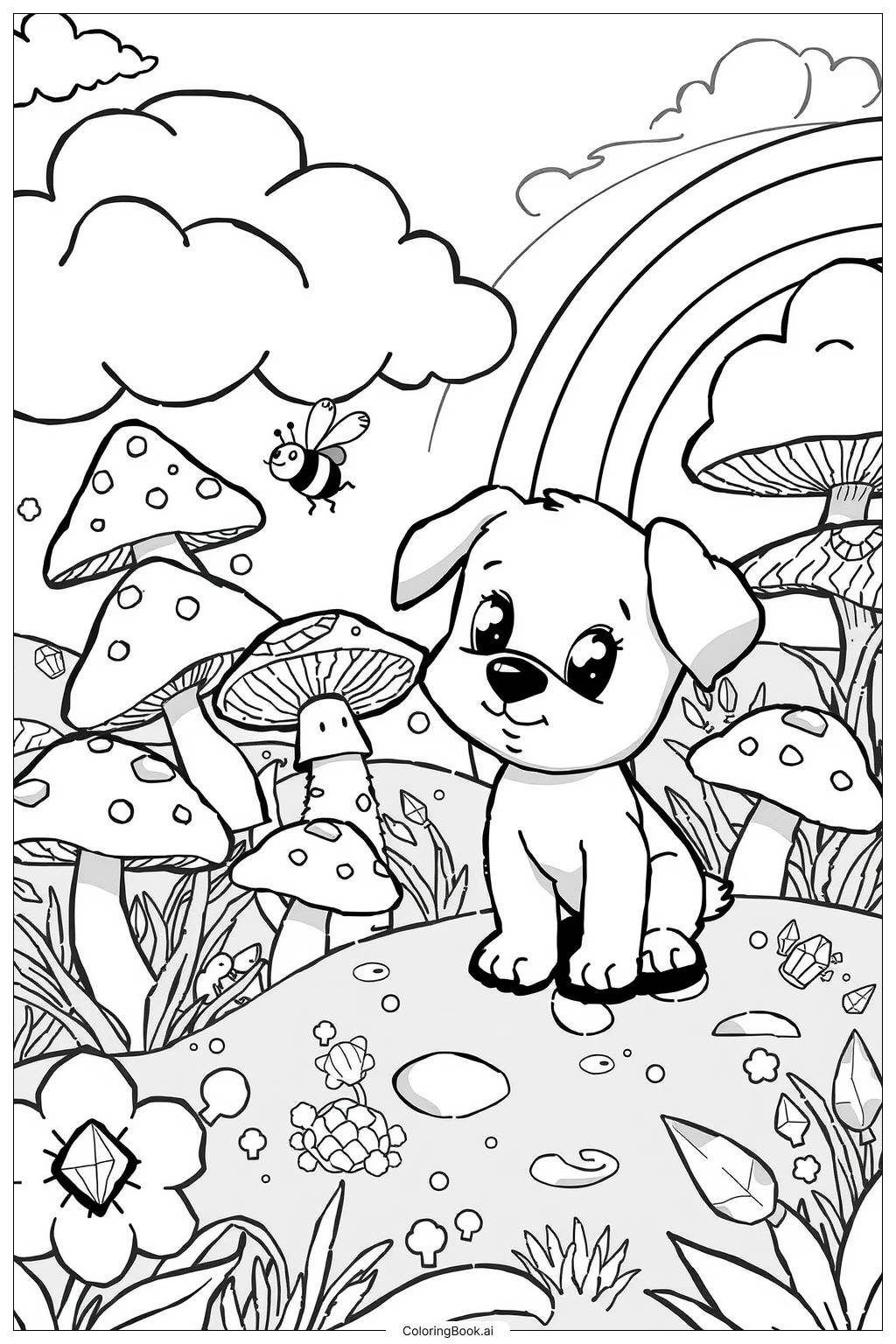
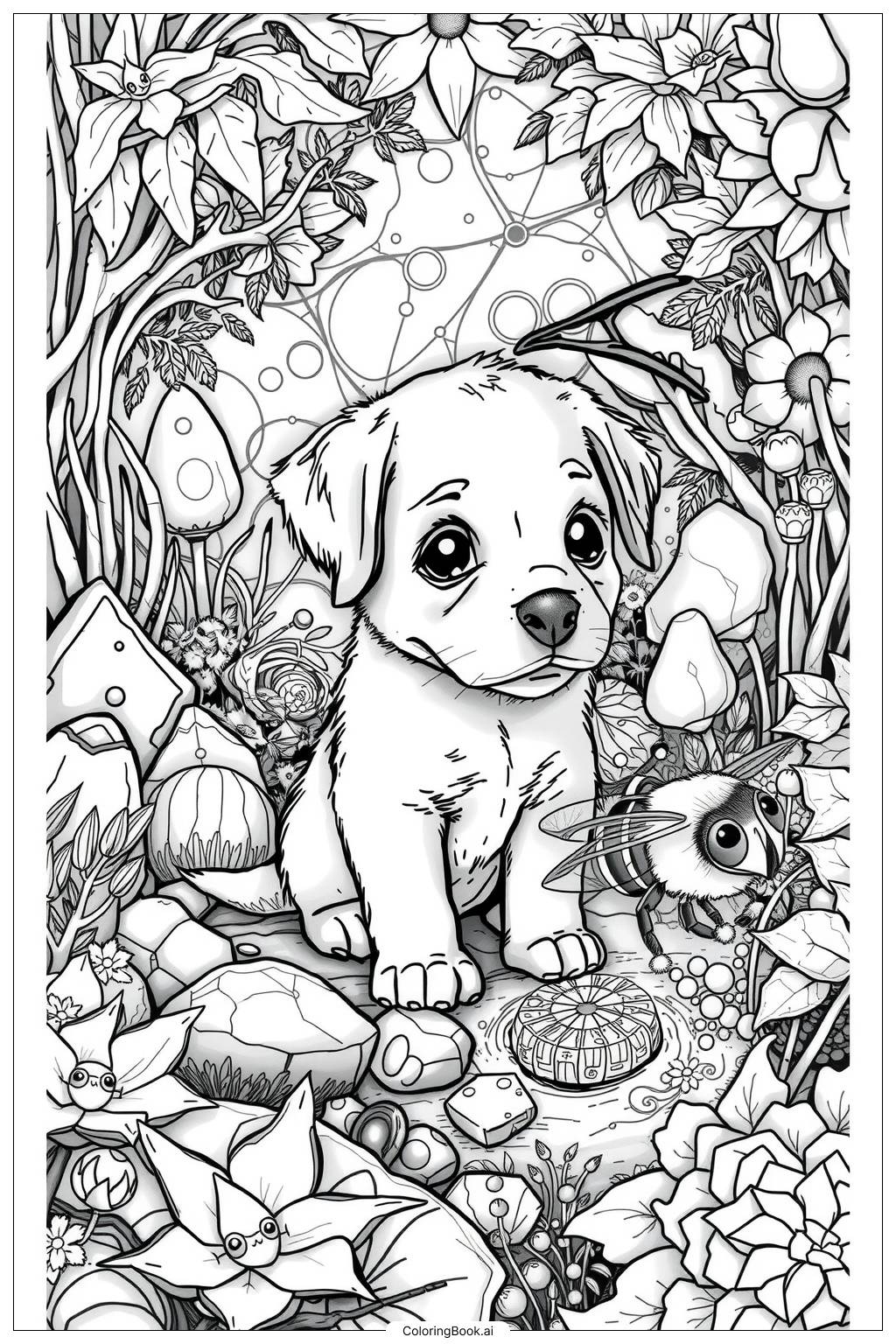
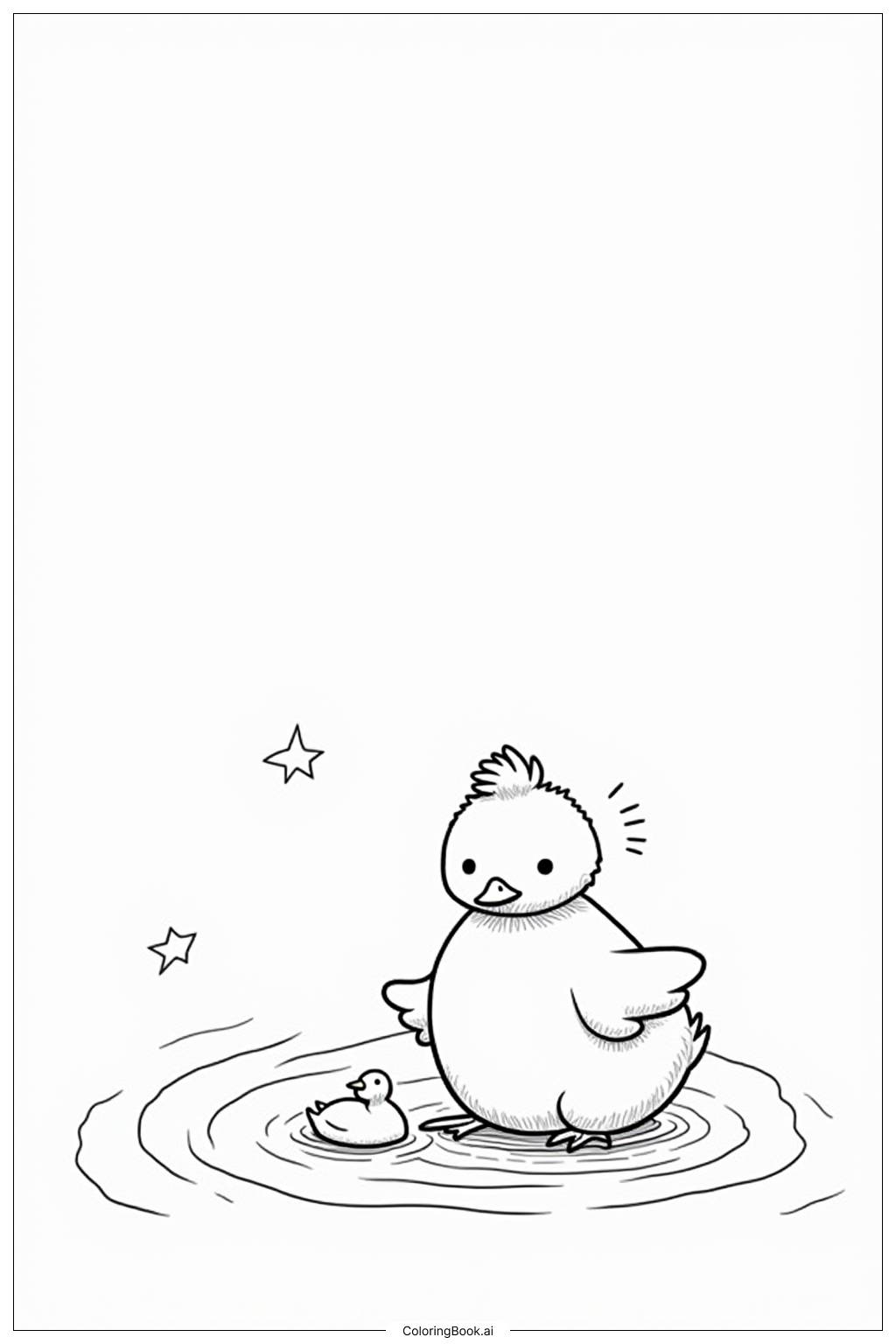
For this image, try using warm colors like golden yellows, soft oranges, or light browns for the puppy’s fur to make it look cozy and inviting. Use pastel shades for the fantasy plants and sky, such as gentle pinks, purples, and blues, to create a magical vibe. Bright colors like reds and greens work well for the flowers, while light blue or lavender can bring out the dreamy clouds. Don’t forget to color the stars with bright yellows or whites so they shimmer. Layering lighter and darker shades can add depth and make the puppy and background look lively. Feel free to mix colors and experiment, making this enchanting scene truly your own.
Coloring challenges: Which parts are difficult to color and need attention for Bee and Puppycat in a Fantasy World-2 coloring page?
• Fine Fur Details: The puppy’s fur has many small lines and curves that can be tricky to color neatly. Taking your time to stay within the fine spaces helps maintain a clean look.
• Complex Background: The fantasy plants and clouds have detailed shapes and overlapping elements, which require careful attention to avoid blending colors accidentally.
• Color Blending: Achieving smooth gradients between pastel colors in the sky and clouds may be challenging, needing some practice to blend seamlessly.
• Small Stars and Flowers: These tiny components need careful coloring to keep their shape and not color outside the lines.
• Maintaining Contrast: Choosing colors that make the puppy stand out from the busy background can be difficult but is important to keep the main character clear and visible.
Benefits of coloring books: Advantages of drawing Bee and Puppycat in a Fantasy World-2 coloring page
Coloring this image encourages creativity by letting children choose colors that bring a magical puppy world to life. It helps improve fine motor skills through careful attention to small details like fur and stars. Working on the complex background builds patience and focus, which are important for learning. Using different colors and blending techniques introduces basic art concepts and builds confidence in trying new styles. Overall, it provides a fun and calming activity that encourages imagination, attention to detail, and artistic expression for kids aged 4 to 16.