Coloring tips: How to color Tiny Submarine coloring page well?
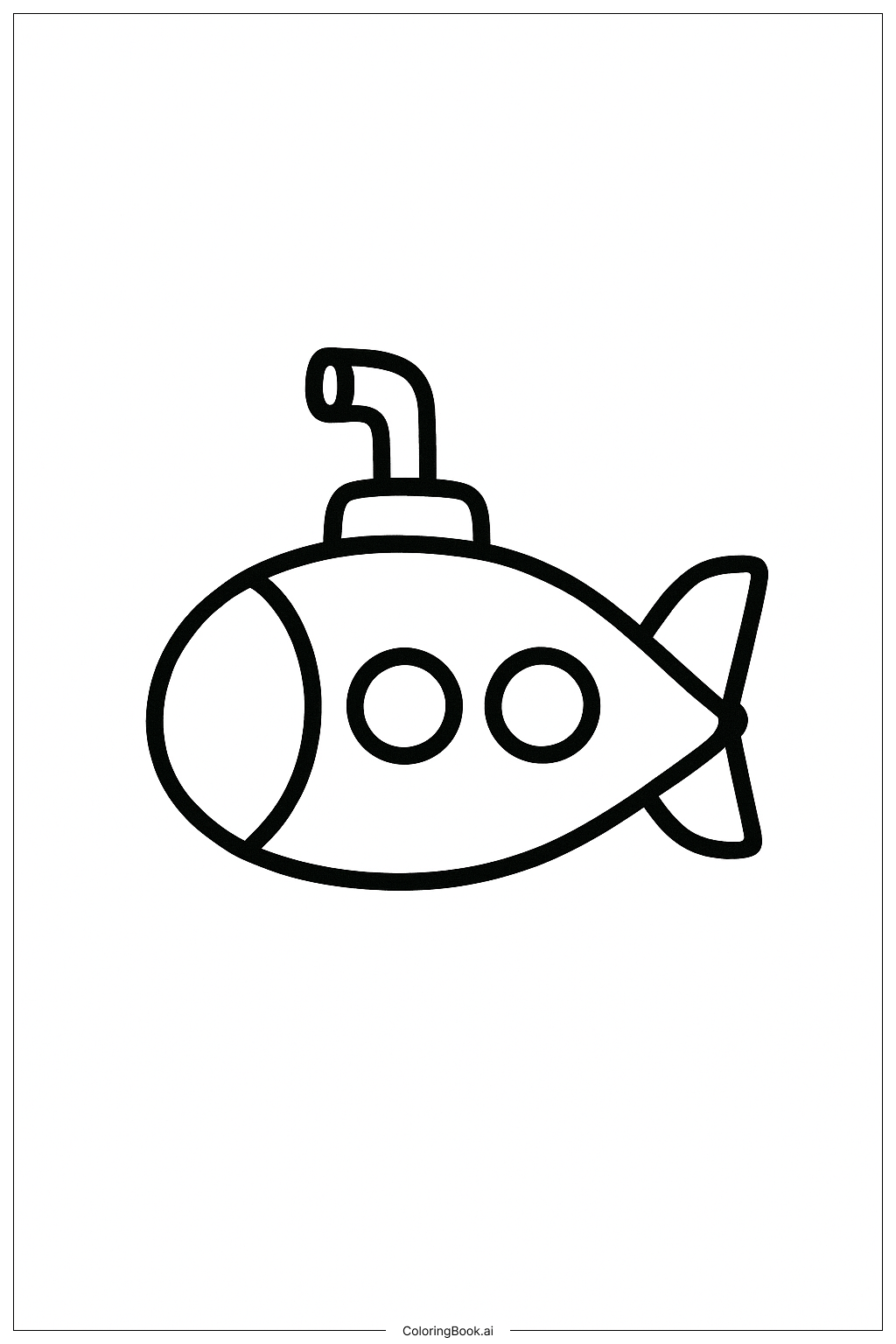
Start with the submarine's hull using a bold, solid color like bright yellow, classic red, or deep ocean blue to make it stand out. Use a slightly darker shade of the same color along the bottom edge to add a sense of depth and dimension. Color the porthole windows with light blue or aqua tints, leaving a small white highlight to mimic glass. The propeller looks great in silver, gray, or metallic gold. For the underwater background, blend soft blues and greens to suggest open water. Give the fish fun, bright colors like orange, pink, or lime green. Color the seaweed in deep and medium greens. Use warm coral tones for the reef pieces. Keep the bubbles lightly shaded or leave them mostly white for a natural look. This image is a great chance to experiment with color and have fun with ocean themes.
Coloring challenges: Which parts are difficult to color and need attention for Tiny Submarine coloring page?
• Hull Curves and Shading: The rounded body of the submarine can be tricky to shade smoothly. Coloring in curved strokes that follow the shape of the hull will help create a realistic, three-dimensional look. Blending two shades of the same color from light to dark adds volume without looking flat.
• Tiny Mechanical Details: The rivets, panel lines, and propeller blades are small and closely spaced. Using a fine-tipped colored pencil or a thin marker helps keep each element clean and separate. Take your time in these areas to avoid smudging or filling outside the lines.
• Porthole Windows: The circular portholes are small rounded shapes that require careful control. Leaving a tiny white spot inside each porthole gives the illusion of light reflecting off the glass, which makes the image look more realistic and polished.
• Layered Background Elements: The underwater scene includes fish, bubbles, seaweed, and coral all layered together. Deciding which elements to color first can be confusing. A good approach is to start with the background water, then move to mid-ground plants and rocks, and finish with the fish and submarine in the foreground.
• Bubble Placement: Bubbles are scattered throughout the scene and are easy to accidentally fill in with solid color. They should stay very light, nearly white, or be outlined softly with a pale blue. Keeping them subtle helps the submarine remain the clear focal point of the image.
Benefits of coloring books: Advantages of drawing Tiny Submarine coloring page
Coloring this Tiny Submarine scene offers a wonderful range of benefits for kids and creative minds alike. Working through the details of the submarine's hull, windows, and propeller helps build fine motor skills and hand-eye coordination. Carefully staying within the small mechanical lines trains focus and patience, which are skills that carry over into school and everyday life.
The ocean setting sparks curiosity about marine life and underwater exploration. Kids may become interested in learning about real submarines, sea creatures, and ocean ecosystems simply by engaging with the image. This kind of creative play naturally blends art with learning.
Choosing colors for the submarine, fish, and background also encourages creative decision-making. There are no rules about what color a submarine has to be, so children feel free to experiment and express their own style. This boosts confidence and nurtures an independent creative voice.
The calming, repetitive motion of coloring is also a great stress reliever. Focusing on a fun, imaginative scene like an underwater adventure helps kids and even adults slow down, breathe, and enjoy the present moment. Completing the page gives a real sense of accomplishment and pride in their finished artwork.