Coloring tips: How to color Porky Pig in a Funny Scene-2 coloring page well?
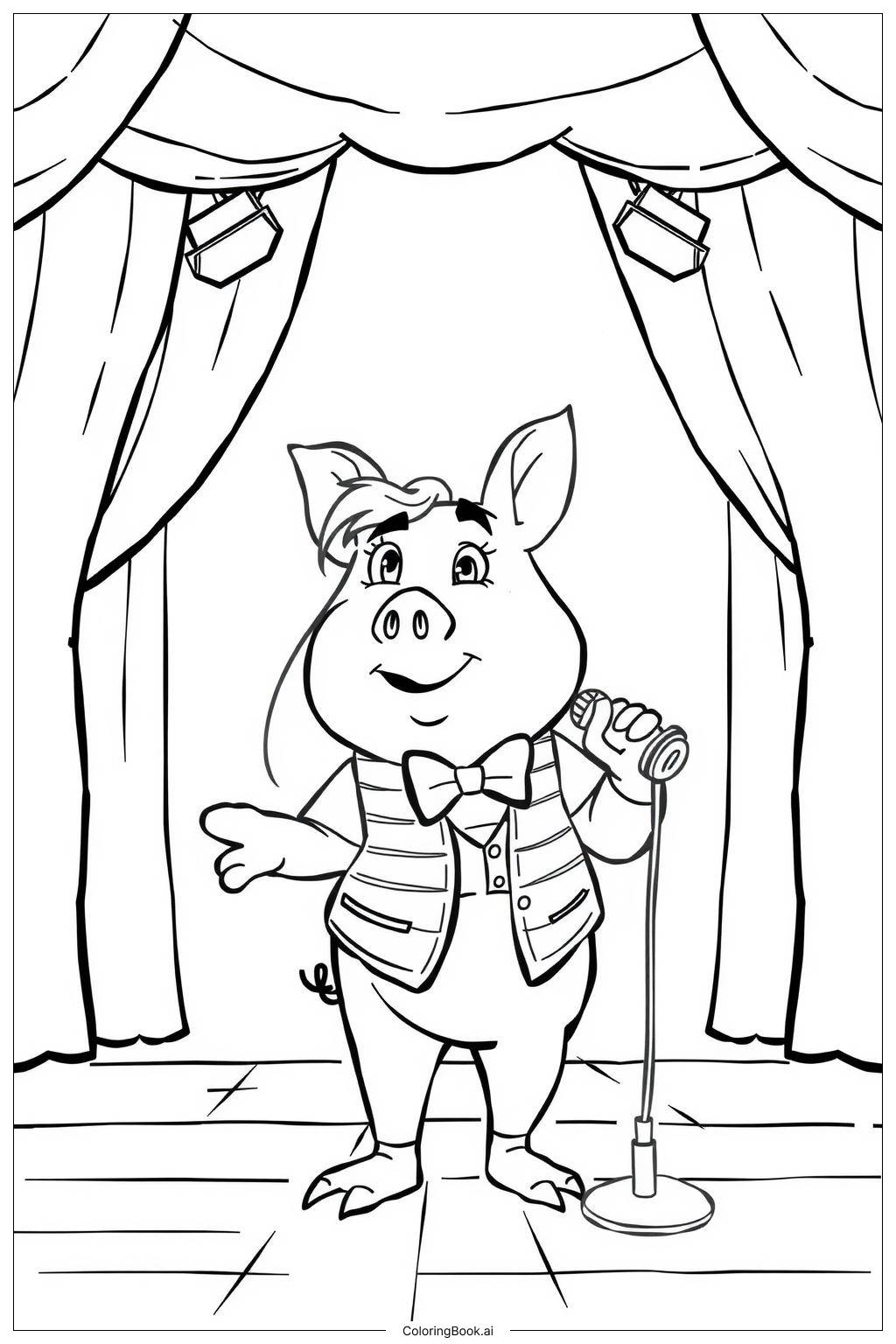
To color this image, start with Porky Pig’s pink skin tone, using a light to medium pink. His shirt can be bright red or blue with white stripes to make it stand out. For his eyes, use white with black pupils for contrast. The background shapes can be colored in soft pastel colors like light yellow or baby blue to keep the focus on Porky. You can add shading with darker pink or red around edges for depth. Feel free to be creative and use bright colors to match the fun and lively mood of the scene. Remember to color inside the lines carefully to keep the details clear.
Coloring challenges: Which parts are difficult to color and need attention for Porky Pig in a Funny Scene-2 coloring page?
• Small Details: Porky’s facial features such as his eyes, nose, and mouth are small and need careful coloring to keep expression clear. • Striped Shirt: The shirt has stripes that require precision to color each stripe neatly without crossing lines. • Arm and Hand Position: Coloring Porky’s raised arm and fingers can be tricky since they overlap parts of his body, demanding careful attention in separating areas. • Background Simplicity: While the background is simple, choosing colors that complement Porky without fading him out can be challenging, requiring good color balance. • Expressive Mood: Maintaining the cheerful expression by not over-coloring or using too dark shades helps keep the lighthearted feel of the image.
Benefits of coloring books: Advantages of drawing Porky Pig in a Funny Scene-2 coloring page
Coloring this image helps develop concentration and fine motor skills, especially when focusing on small details like the striped shirt and facial features. It encourages children to think about color choices and learn how to balance bright and soft colors. Bringing Porky Pig’s funny moment to life also sparks creativity and imagination as kids can invent stories behind his cheerful pose. The act of coloring promotes relaxation and a sense of achievement once the scene is completed. It is a wonderful way for children aged 4 to 16 to practice patience and enjoy playful art time.