Coloring tips: How to color Simple Monkey coloring page well?
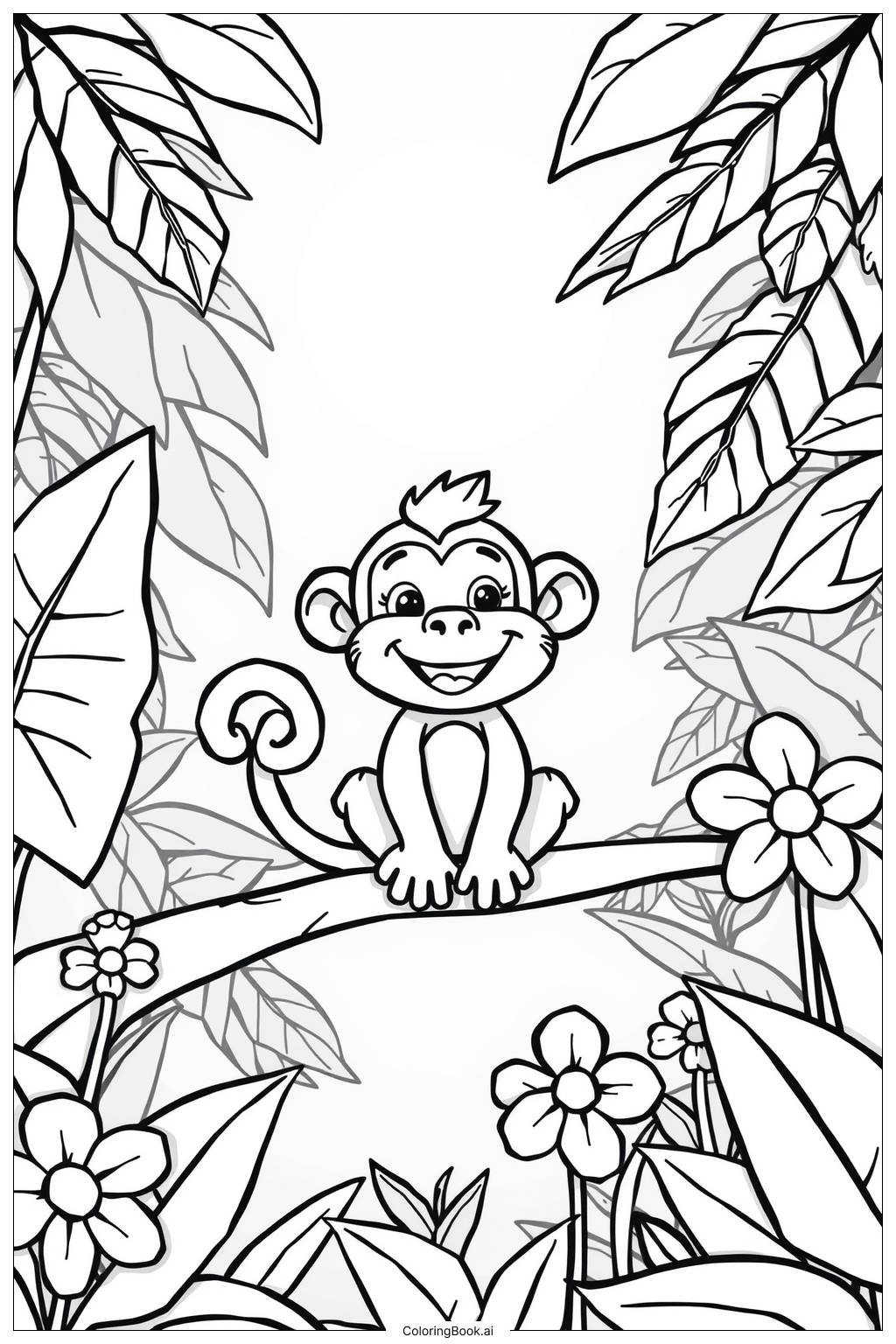
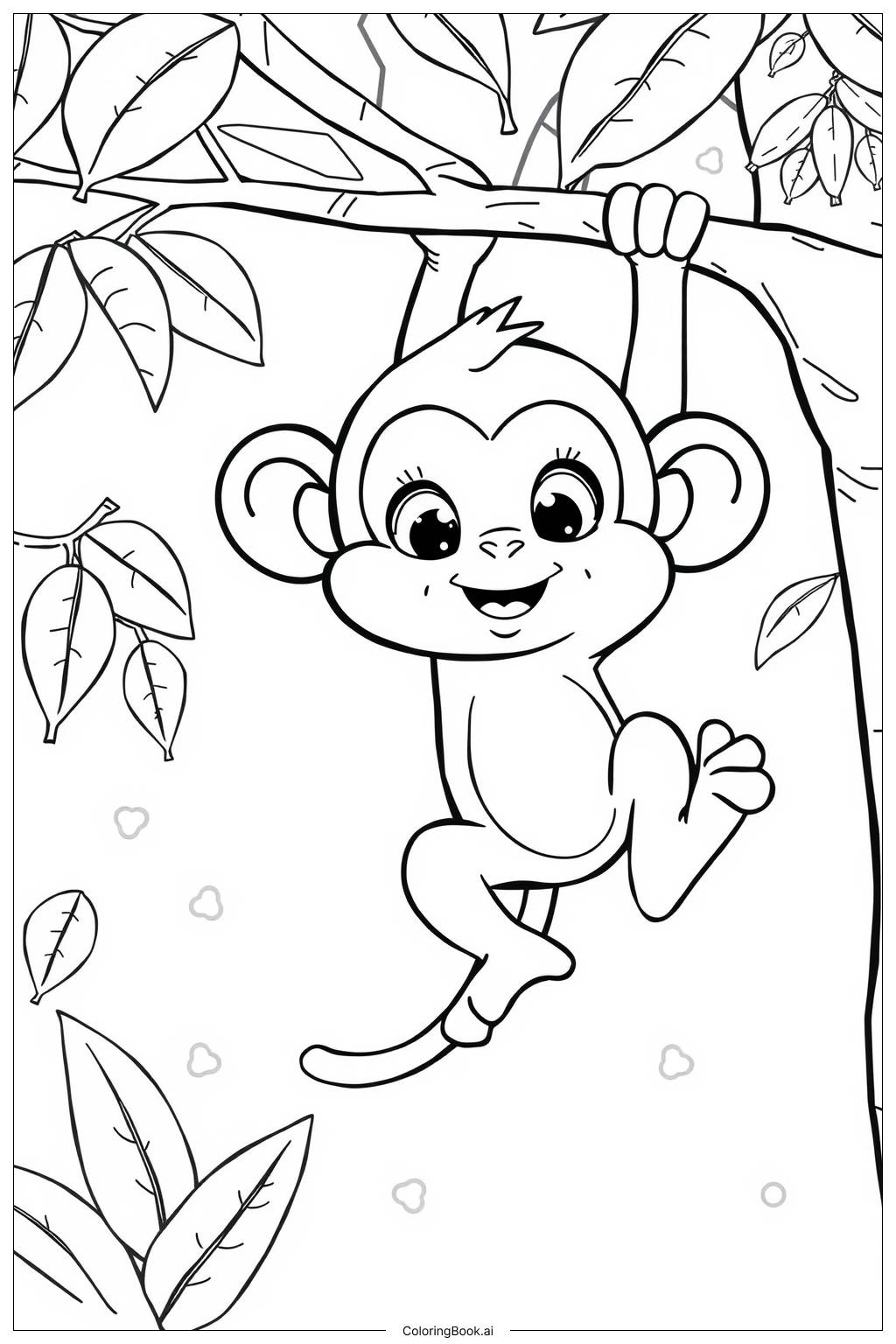
Start with the monkey's body. Use a warm brown for the main fur and a lighter tan or peach for the face, belly, and inner ears. This contrast makes the monkey look natural and lively. Color the big eyes with dark brown or black pupils and add a tiny white dot to make them look shiny. Use a soft pink or salmon tone for the muzzle area to give it a friendly feel. The hands and feet can match the face color. For the tail, keep it the same brown as the body. If you want to add a fun background, try a bright green jungle scene with leaves or a cheerful blue sky. Keep the colors smooth and even inside the bold outlines. Younger kids can use crayons or markers for bold, bright results, while older kids may enjoy blending colored pencils for a softer, more realistic look.
Coloring challenges: Which parts are difficult to color and need attention for Simple Monkey coloring page?
• Staying Inside the Outlines: The monkey has round, curved shapes throughout its body, ears, and tail. Curved lines can be tricky to follow, especially for younger children. Take your time and color slowly near the edges before filling in the middle.
• Color Contrast Between Body Areas: The monkey has several distinct sections — the main body fur, the lighter face and belly, and the inner ears. Keeping these areas clearly different in color requires careful color selection and a steady hand to avoid blending the sections together accidentally.
• Small Details on the Face: The face has several close features, including the eyes, the muzzle, and the smile lines. These areas are small and sit near each other, making it easy to accidentally color over a neighboring section. Using a fine-tipped tool for these parts helps keep each feature clean and visible.
• Coloring the Tail Evenly: The long, curling tail is a narrow shape that wraps around the image. Filling such a thin, winding shape with smooth, even color without going outside the lines takes patience and control, particularly when using thicker markers or crayons.
• Choosing a Cohesive Color Palette: Because the monkey has multiple body zones, choosing colors that all look good together can be a small challenge. Picking two or three shades from the same warm color family — like browns and tans — before starting helps keep the final result looking natural and well-balanced.
Benefits of coloring books: Advantages of drawing Simple Monkey coloring page
Coloring this simple monkey page offers a range of wonderful benefits for children of all ages. For younger kids, tracing the bold, rounded outlines helps build fine motor skills and improves hand-eye coordination. Deciding which colors to use for the fur, face, and tail encourages creative thinking and color recognition from an early age.
For older children, focusing on smooth, even coloring within the curved lines builds concentration and patience. It also gives them a quiet, calming activity that helps reduce stress after a busy school day.
The friendly monkey character makes the coloring experience fun and engaging, which keeps kids motivated to finish what they start — a small but meaningful confidence boost. Completing a finished piece of art gives children a sense of pride and accomplishment.
Coloring animal pages like this one can also spark curiosity about nature and wildlife. Kids may start asking questions about monkeys, where they live, and what they eat, turning a simple art activity into a learning moment. Overall, this page is a joyful and enriching activity that supports creativity, focus, and a love of learning.