Coloring tips: How to color Monkey Face coloring page well?
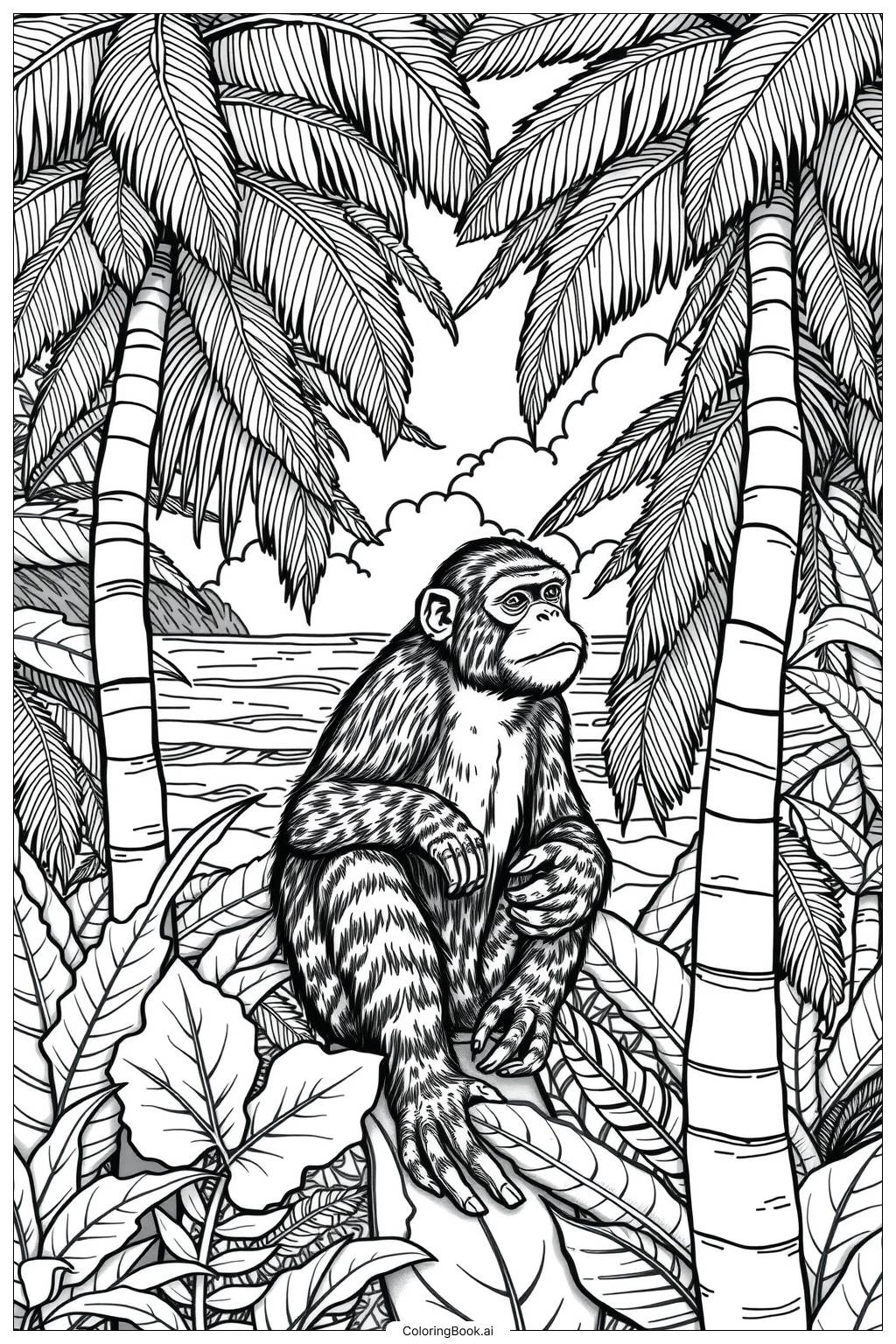
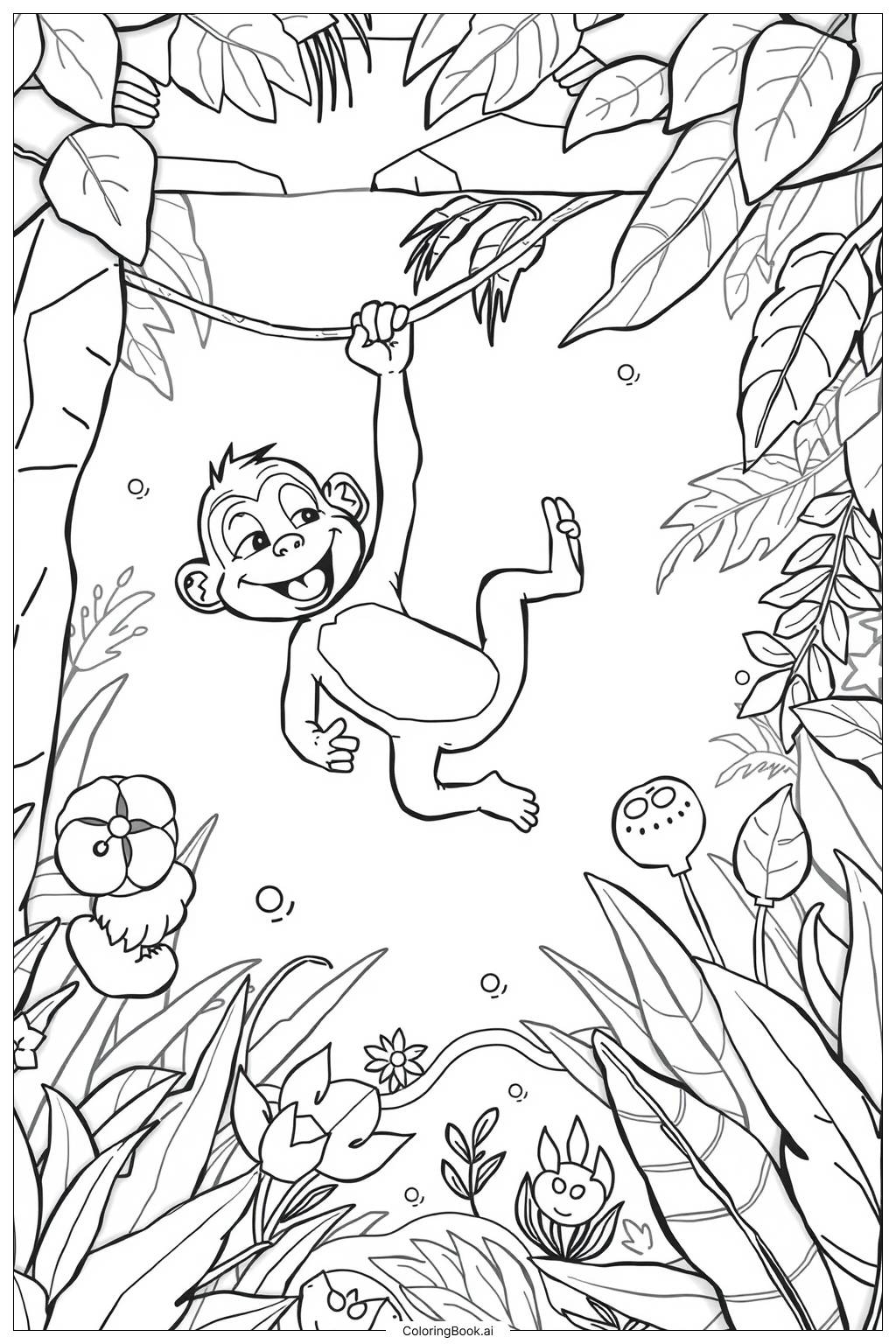
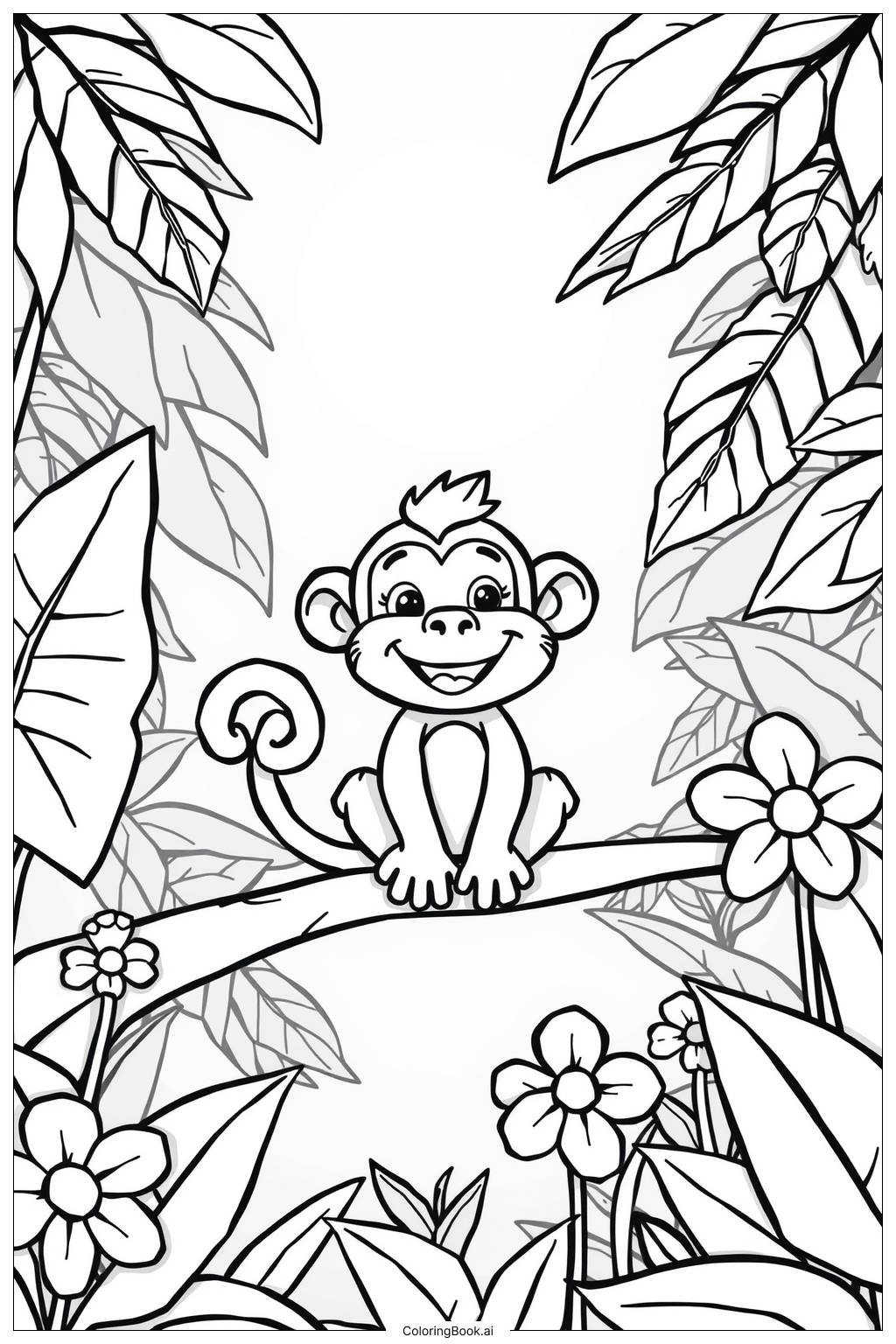
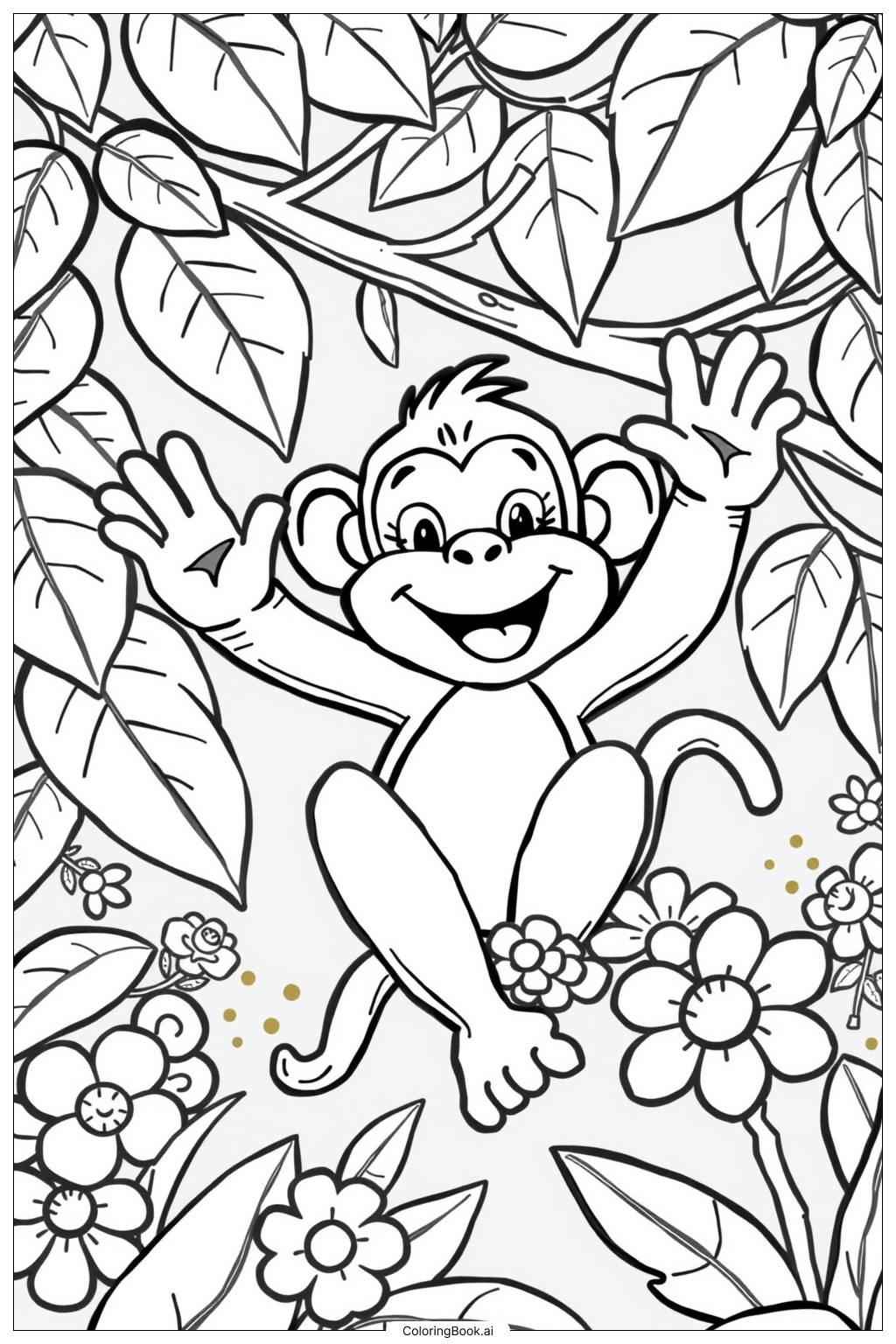
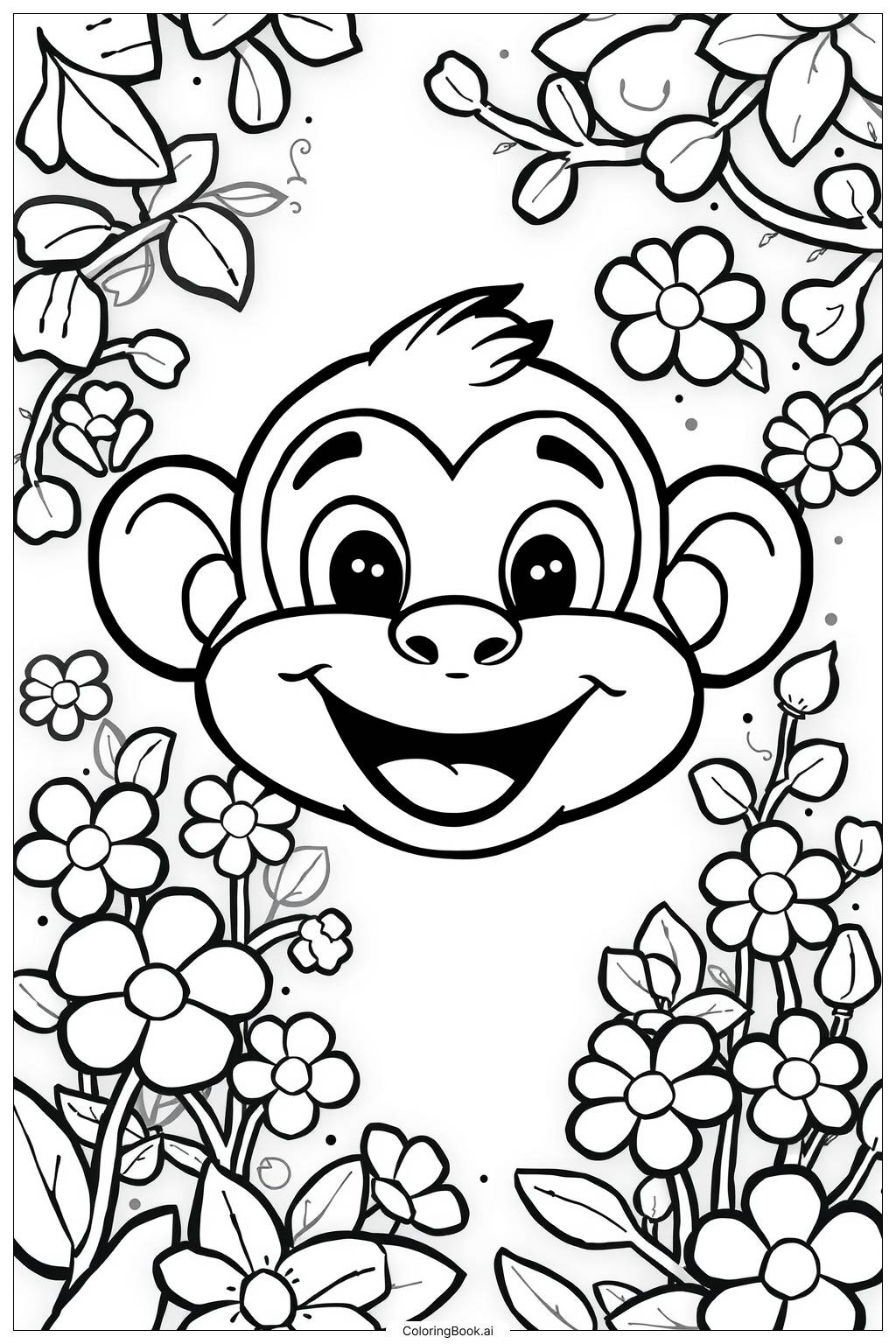
Start by choosing warm, natural tones for the monkey's face and fur. Browns, tans, and golden yellows work well for the main fur areas. Use a lighter shade, such as cream or peach, for the inner face, around the nose, and on the cheeks, where the skin is typically softer in color. For the eyes, try dark brown or black for the pupils, and leave a small white highlight to make them look bright and alive. A pinkish or light red tone works nicely for the inside of the ears. Feel free to get creative — you can make this a cartoon-style monkey by using bold, bright colors like orange, red, or even purple for the fur. Kids can experiment with blending colors to create shading and depth. Use darker shades around the edges of the face and lighter shades at the center to give the face a rounded, three-dimensional feel. Have fun and make it your own!
Coloring challenges: Which parts are difficult to color and need attention for Monkey Face coloring page?
• Eye Detail: The monkey's large, round eyes are one of the trickiest parts to color. Getting the pupils, irises, and white highlights just right takes a steady hand. Applying color too heavily around the eyes can make them look flat or dull, so it is important to work carefully and leave the bright highlight spots uncolored.
• Fur Texture: The flowing lines that represent the monkey's fur require patience. Coloring in the direction of the lines helps create a realistic, natural look. Switching between two or three shades of brown and blending them smoothly can be challenging, especially for younger colorists who may not yet have experience with shading techniques.
• Facial Contrast: The lighter skin area around the nose, mouth, and inner cheeks needs to stand out clearly from the surrounding fur. Keeping a clean boundary between the two color zones without smudging or overlapping requires control and attention, which can be difficult for children with smaller, less precise tools.
• Small Facial Features: Details like the nostrils, the curve of the smile, and the outline of the lips are small and closely spaced. Filling these tiny areas neatly without going outside the lines calls for a fine-tipped coloring tool, such as a colored pencil or a thin marker.
• Ear Interior: The inside of the ears has a layered, curved shape. Using a different, softer shade inside the ear compared to the outer fur while keeping the transition smooth is a subtle challenge that can trip up even careful colorists.
Benefits of coloring books: Advantages of drawing Monkey Face coloring page
Coloring this monkey face page offers a wonderful range of benefits for children and young learners. First, it helps develop fine motor skills. Carefully filling in small areas like the eyes and nose strengthens hand muscles and improves pencil control, which supports writing and drawing abilities. Second, it encourages color recognition and creative thinking. Choosing which shades to use for the fur, eyes, and skin helps kids learn about color relationships and contrast in a hands-on, enjoyable way. Third, the activity promotes focus and patience. Following the lines and working through each section of the image trains the brain to concentrate on a single task, which can improve attention spans over time. Fourth, coloring is a calming, stress-relieving activity. The repetitive, gentle motion of coloring can help children relax and unwind after a busy day. Finally, completing this page gives kids a sense of pride and accomplishment. Seeing a finished, colorful monkey face they created themselves builds confidence and encourages a love of art.