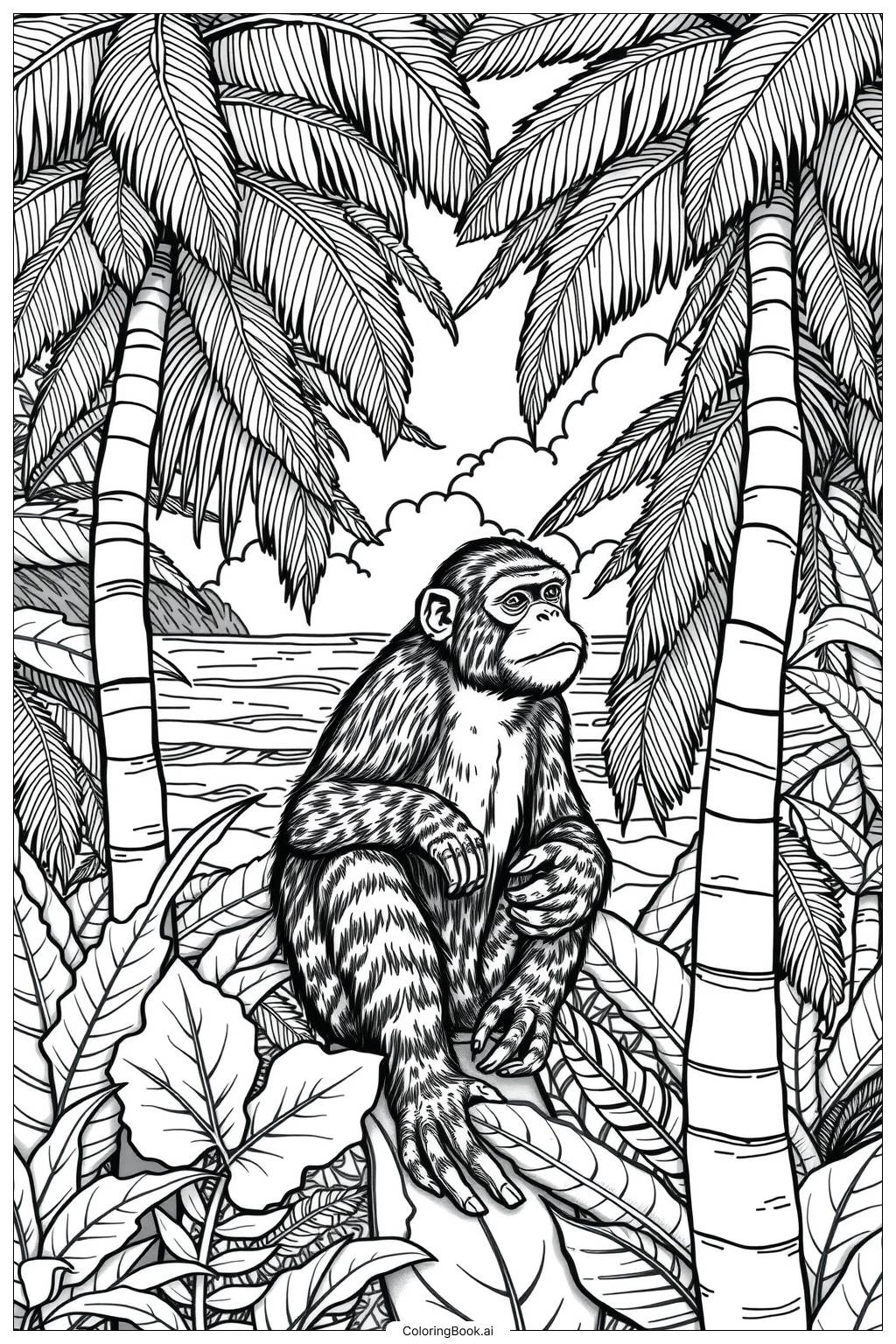
Coloring tips: How to color Monkey Face coloring page well?
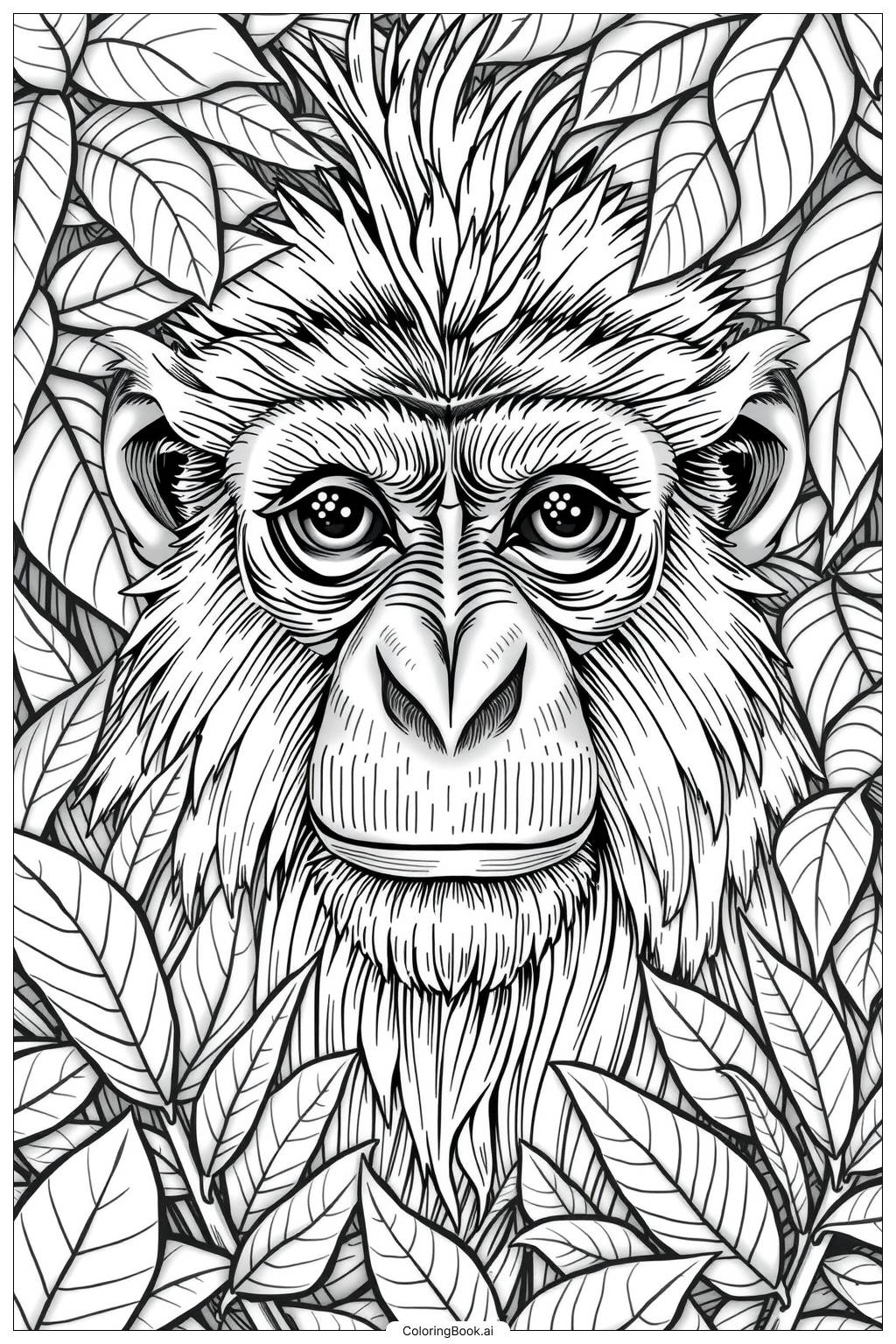
Start with the lightest areas first. Use a soft tan or cream color around the muzzle and inner face. Then fill in the rest of the fur with warm brown shades. You can mix light brown and dark brown to add depth to the cheeks and forehead. Use dark brown or black carefully around the eyes to make them stand out. For the eyes themselves, try a warm hazel or golden brown, and leave a small white dot to show a gleam of light. Add a soft pink or peach to the inner ears. Use a slightly darker shade at the edges of the face to create shadow and make the features pop. Take your time with the fur texture lines — layering two or three shades of brown will make the fur look more realistic and three-dimensional. This image works great with colored pencils or markers.
Coloring challenges: Which parts are difficult to color and need attention for Monkey Face coloring page?
• Fur Texture Details: The monkey's face is covered with many small lines that represent individual strands of fur. Staying within these tiny lines while still following the natural direction of the fur growth takes patience and a fine-tipped coloring tool. Rushing through this area can make the fur look flat or messy instead of soft and natural.\n\n• Facial Contrast Zones: The face has clearly different regions — a lighter muzzle area and darker outer fur. Blending these two zones smoothly without creating a harsh line in between is a real challenge. Transitioning gradually from light to dark requires layering colors carefully and knowing when to stop adding more pigment.\n\n• Eye Expression: The eyes are one of the most important parts of this image. They need careful shading to look expressive and lively. The iris, pupil, and highlight all need to be handled separately. Using too dark a shade too early or coloring over the highlight area can make the eyes look dull and lifeless.\n\n• Small Curved Features: The nose and mouth area involve small, curved shapes that are close together. Keeping colors neat in this tight space without accidentally blending into neighboring areas requires control and a steady hand, especially when using markers or wet media.\n\n• Maintaining Consistency Across the Face: Because the face is symmetrical, both sides need to look balanced in color and shading. It can be easy to make one side darker or more detailed than the other without noticing until the coloring is nearly complete.
Benefits of coloring books: Advantages of drawing Monkey Face coloring page
Coloring this monkey face page offers a wide range of benefits for kids and older colorists alike. For younger children, it helps build fine motor skills as they carefully fill in the fur lines, facial features, and small details. Holding a pencil or marker and staying within the lines strengthens hand-eye coordination over time.\n\nThe image also encourages focus and concentration. Because the face has multiple distinct zones and textures, colorists need to think about color choices and plan ahead — great practice for developing patience and attention to detail.\n\nFor older kids and teens, this page is a chance to explore shading and blending techniques. Trying to make the fur look realistic pushes colorists to experiment with layering colors and understanding how light and shadow work together.\n\nCreativity gets a boost too. There are no strict rules about what colors to use — a monkey can have purple fur or bright orange accents if the artist wants. This kind of creative freedom builds confidence and self-expression.\n\nFinally, coloring is a calming activity. Spending time on a fun, engaging image like this helps reduce stress and provides a satisfying sense of accomplishment when the page is complete. It is a simple, screen-free way to unwind and create something to be proud of.