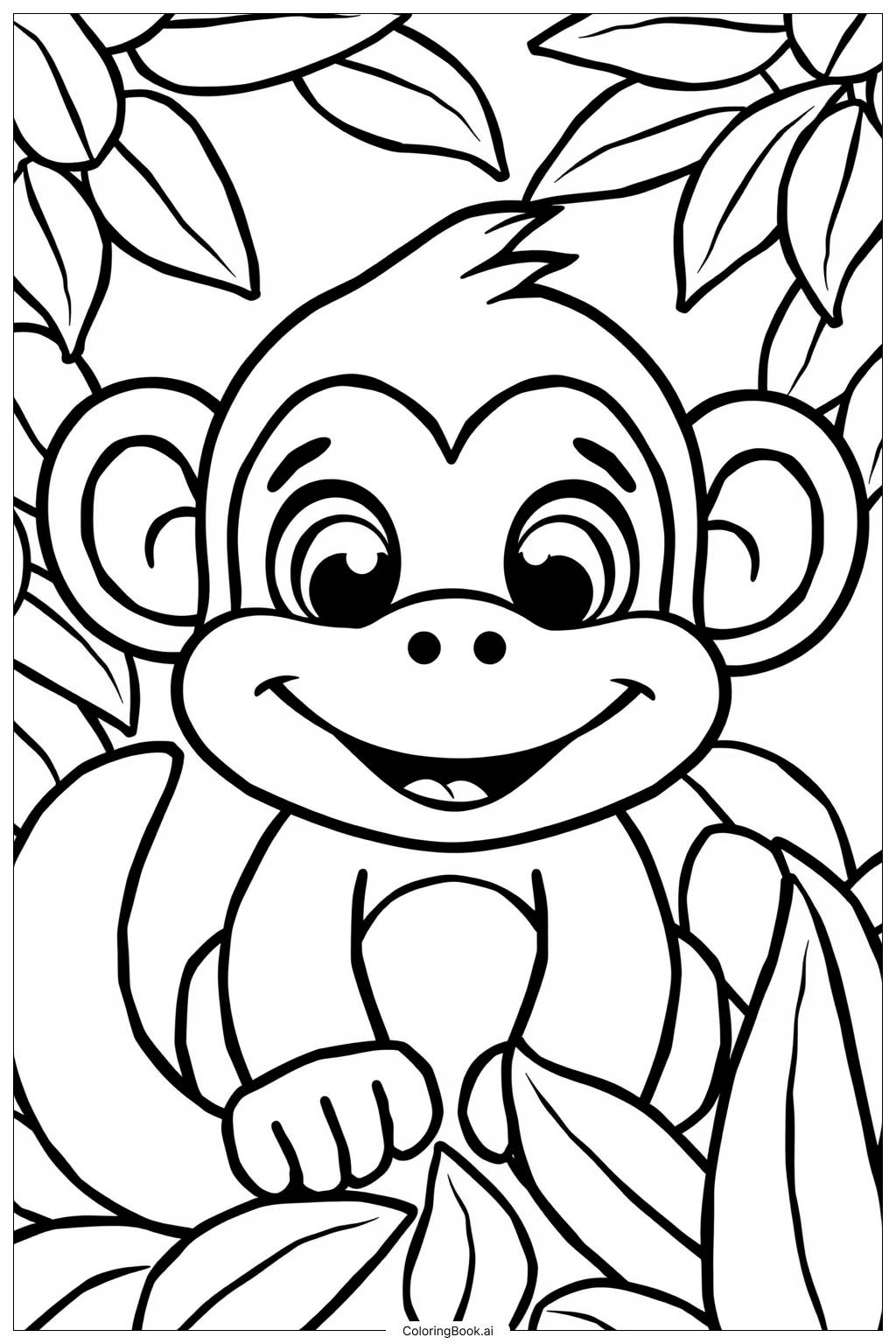
Coloring tips: How to color Monkey Face coloring page well?
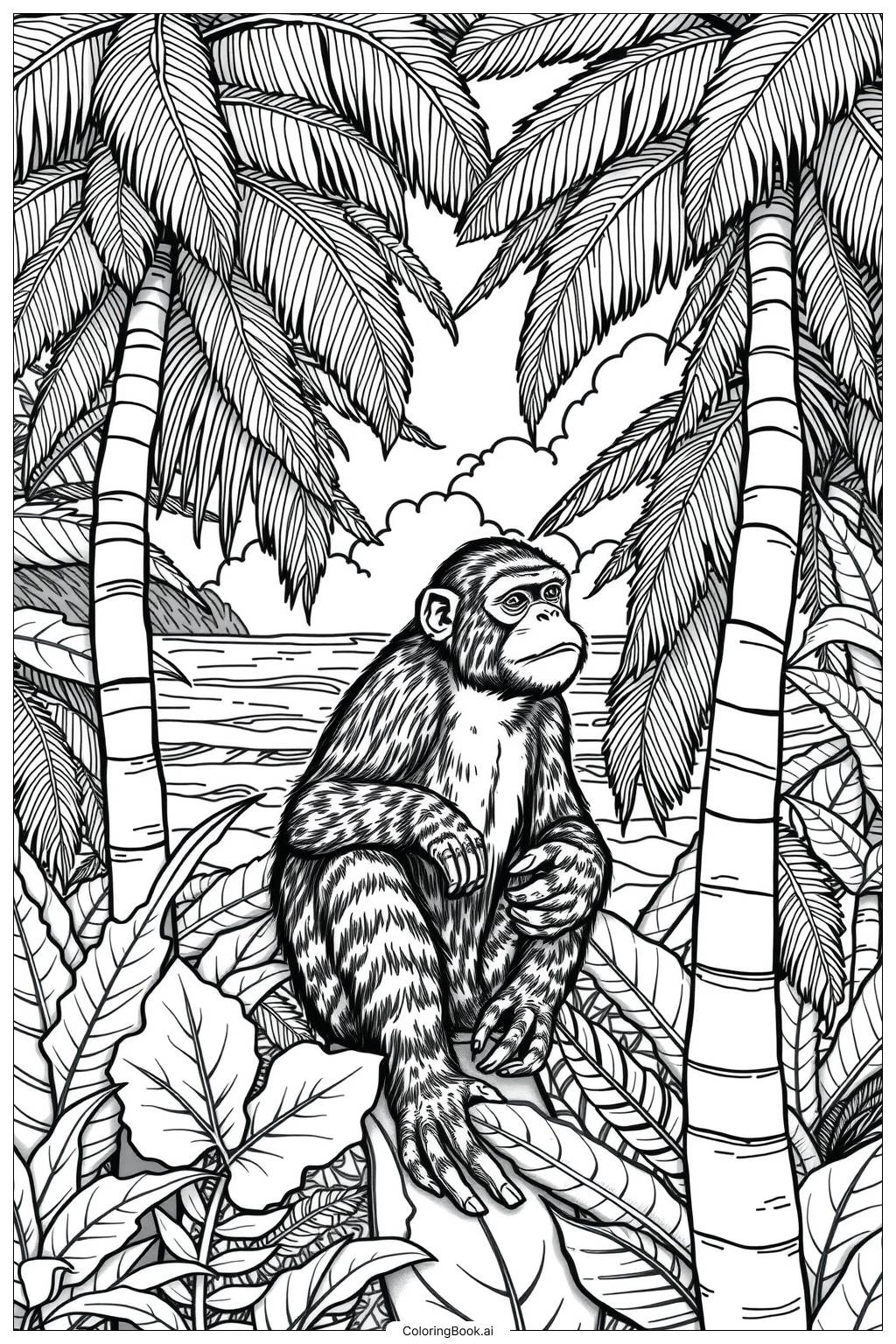
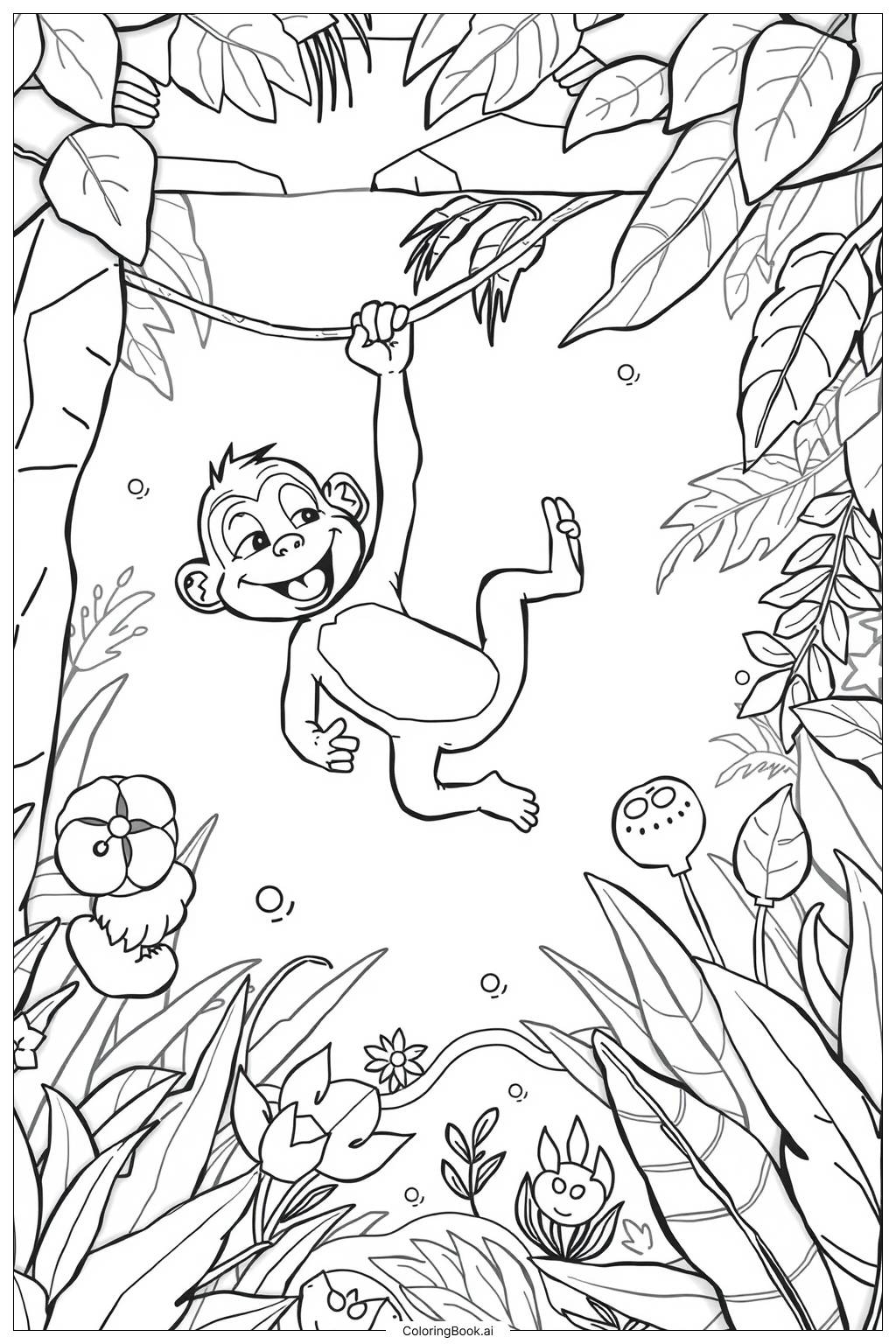
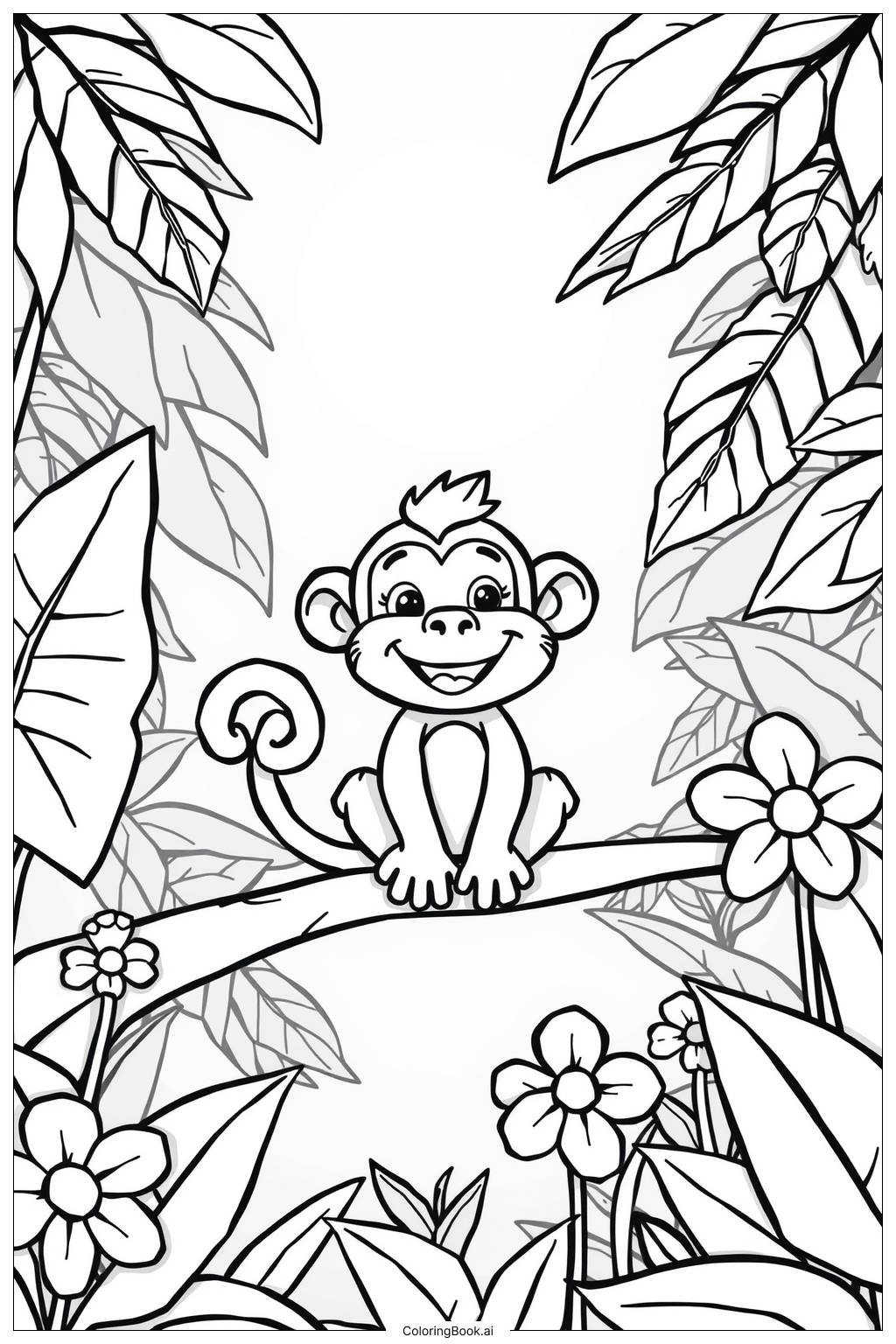
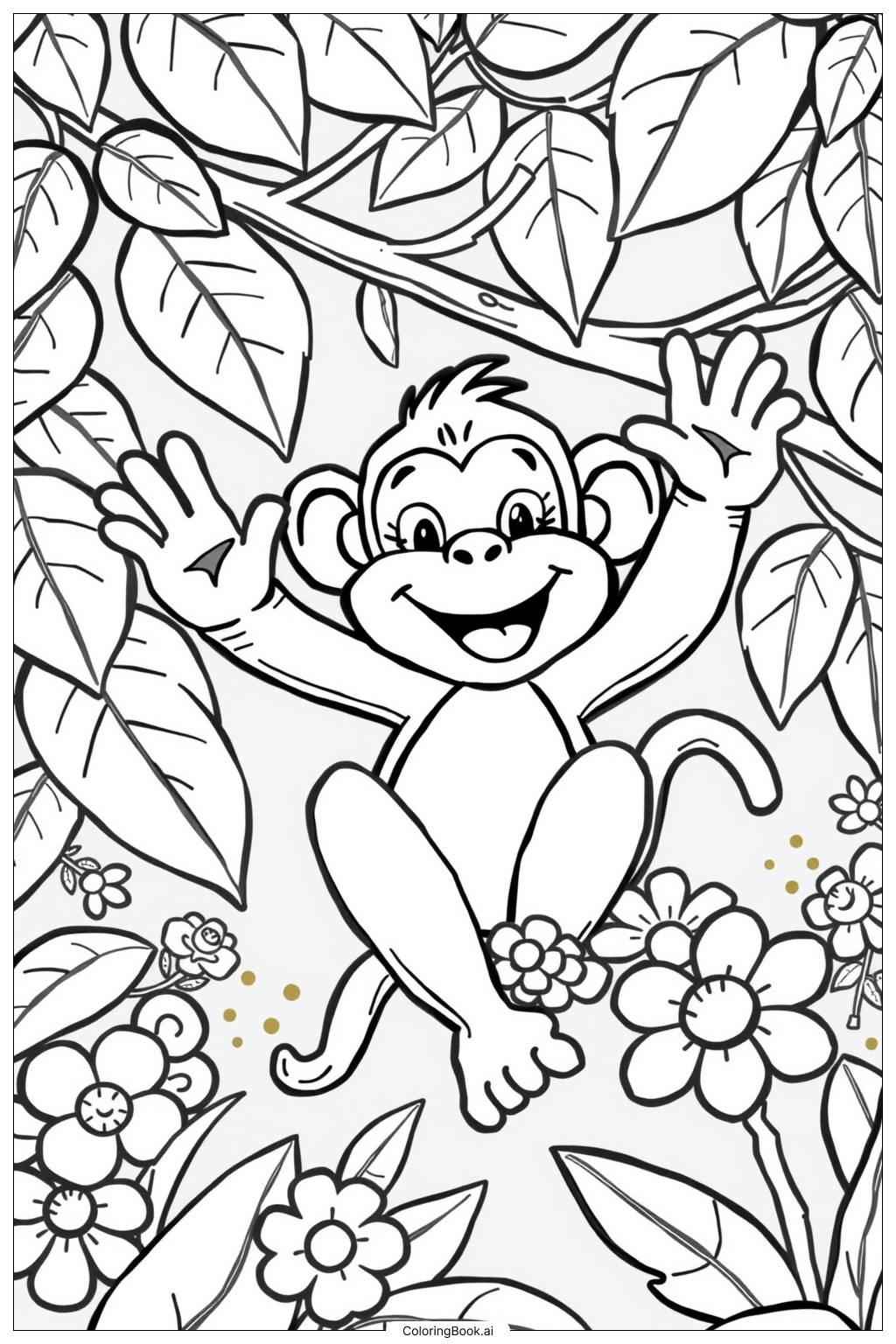
Start with the lightest areas first. Use a soft tan or light brown for the muzzle and inner ear. Then move to medium brown for the main fur on the face. Add a darker brown or reddish-brown around the edges to create depth and shape. Use warm golden tones to highlight the top of the head where light hits the fur. For the eyes, color the irises a rich brown or amber, and leave a small white dot for the highlight to make them look alive. Use a very dark brown or black for the pupils and outlines. The inside of the mouth can be pink or light red, with white for the teeth. Keep the colors warm and natural, but feel free to get creative. You could also try an orange-toned monkey or even a fun fantasy palette with purples and blues for a more imaginative result.
Coloring challenges: Which parts are difficult to color and need attention for Monkey Face coloring page?
• Fur Texture and Layering: Recreating the look of realistic monkey fur is one of the biggest challenges. Fur requires multiple layers of color built up gradually. Start light, then add medium tones, and finish with dark strokes following the direction of the fur. Rushing this step can make the fur look flat and lifeless. Using colored pencils with short, feathery strokes or fine-tipped markers will help achieve a more natural texture.
• Facial Shading and Contour: The monkey's round face has many subtle curves. Adding shading to show the cheeks, brow ridge, and chin requires careful observation. Without proper shading, the face can look two-dimensional. Try darkening areas around the edges and under the brow, while keeping the center of the face slightly lighter to suggest roundness.
• The Muzzle Transition: The area around the mouth and nose is a lighter color than the rest of the face. Blending from the darker fur to the lighter muzzle smoothly is tricky. Avoid a harsh line between the two tones. Instead, gently feather the edge where the two colors meet to create a soft, natural gradient.
• Eye Detail and Expression: The eyes carry most of the monkey's personality. Coloring them with precision is important. The iris, pupil, white highlight, and subtle shadows around the eye socket all need careful attention. Small mistakes here can change the expression dramatically and make the monkey look less lively.
• Balancing Warm Tones Across the Face: Monkeys have varied warm tones across their face. Keeping those tones consistent and balanced without making one area look too dark or too orange compared to another requires patience and a steady hand throughout the process.
Benefits of coloring books: Advantages of drawing Monkey Face coloring page
Coloring this monkey face page offers a wide range of benefits for both kids and adults. For children, it builds fine motor skills as they carefully fill in the fur, eyes, and facial details. It also encourages focus and patience, since the face has many small areas that need attention. Working through the shading and texture of the fur introduces kids to basic art concepts like light and shadow in a fun, low-pressure way. For older children and teens, it can spark interest in realistic animal illustration and portrait drawing. Adults benefit too. Coloring is a well-known stress reliever that helps quiet a busy mind and promote a sense of calm. The repetitive motion of coloring within lines can feel meditative. This particular image, with its warm and expressive character, can also bring a sense of joy and playfulness to the experience. Across all ages, coloring this page builds color awareness, encourages creative decision-making, and provides a satisfying sense of accomplishment once the page is complete.