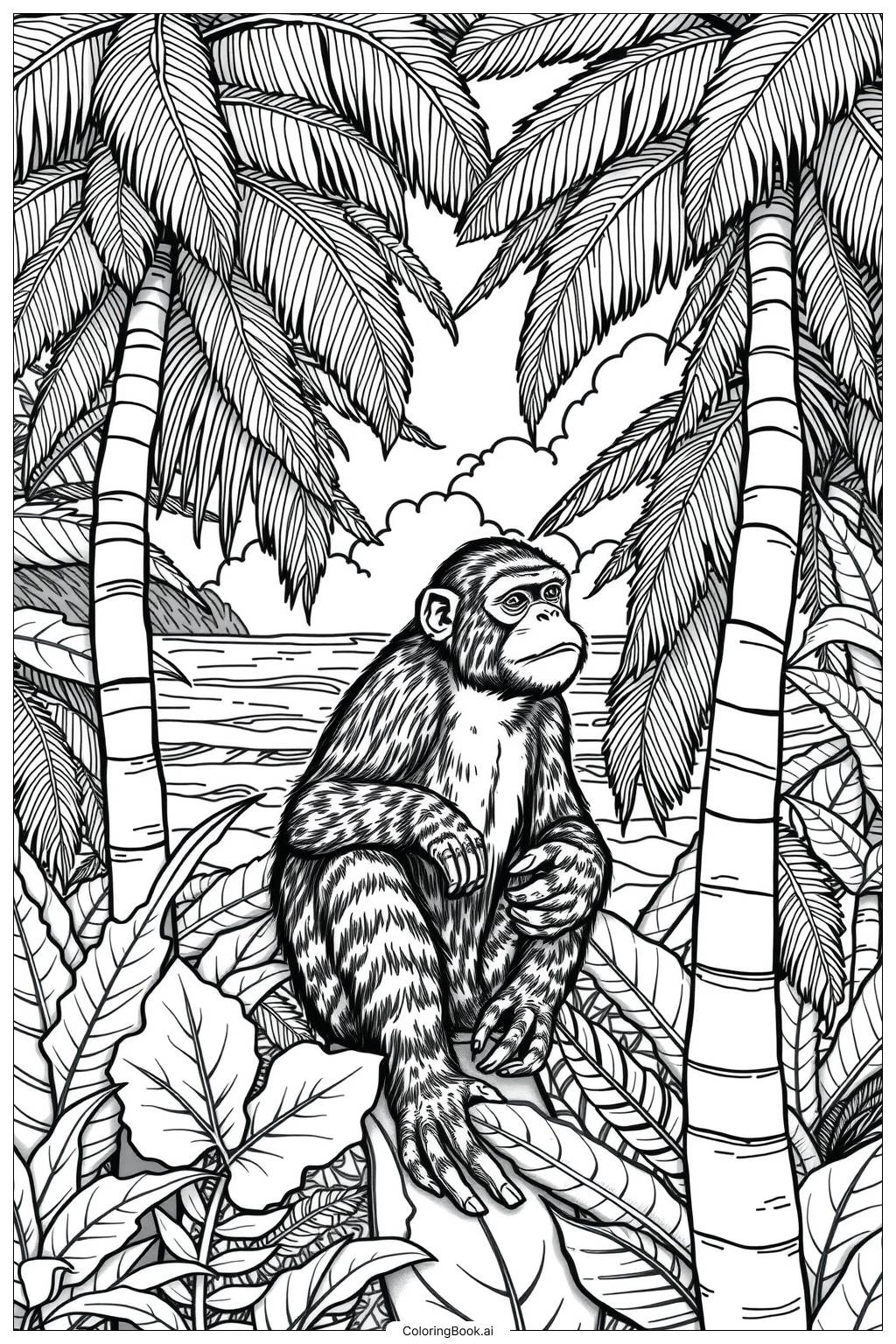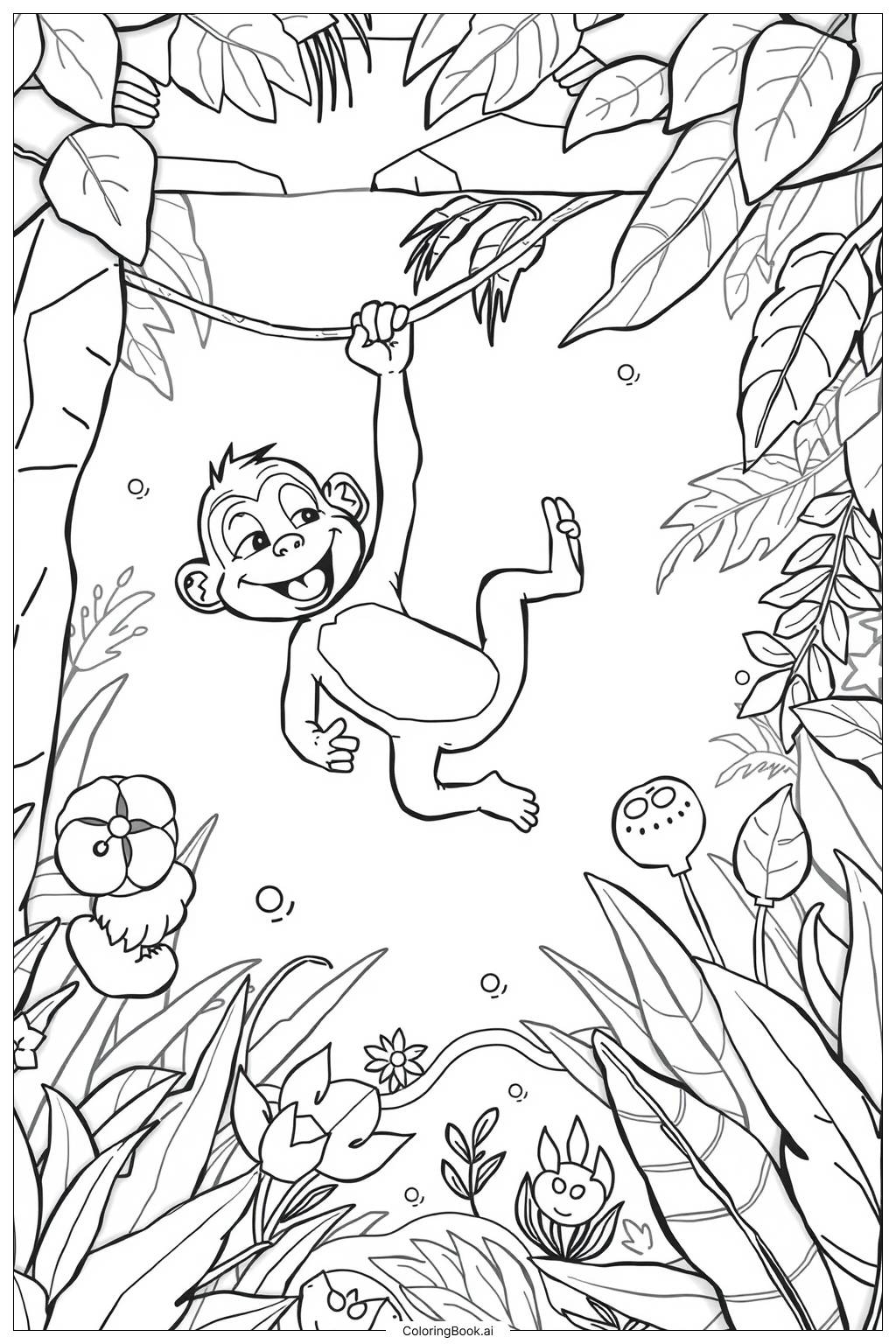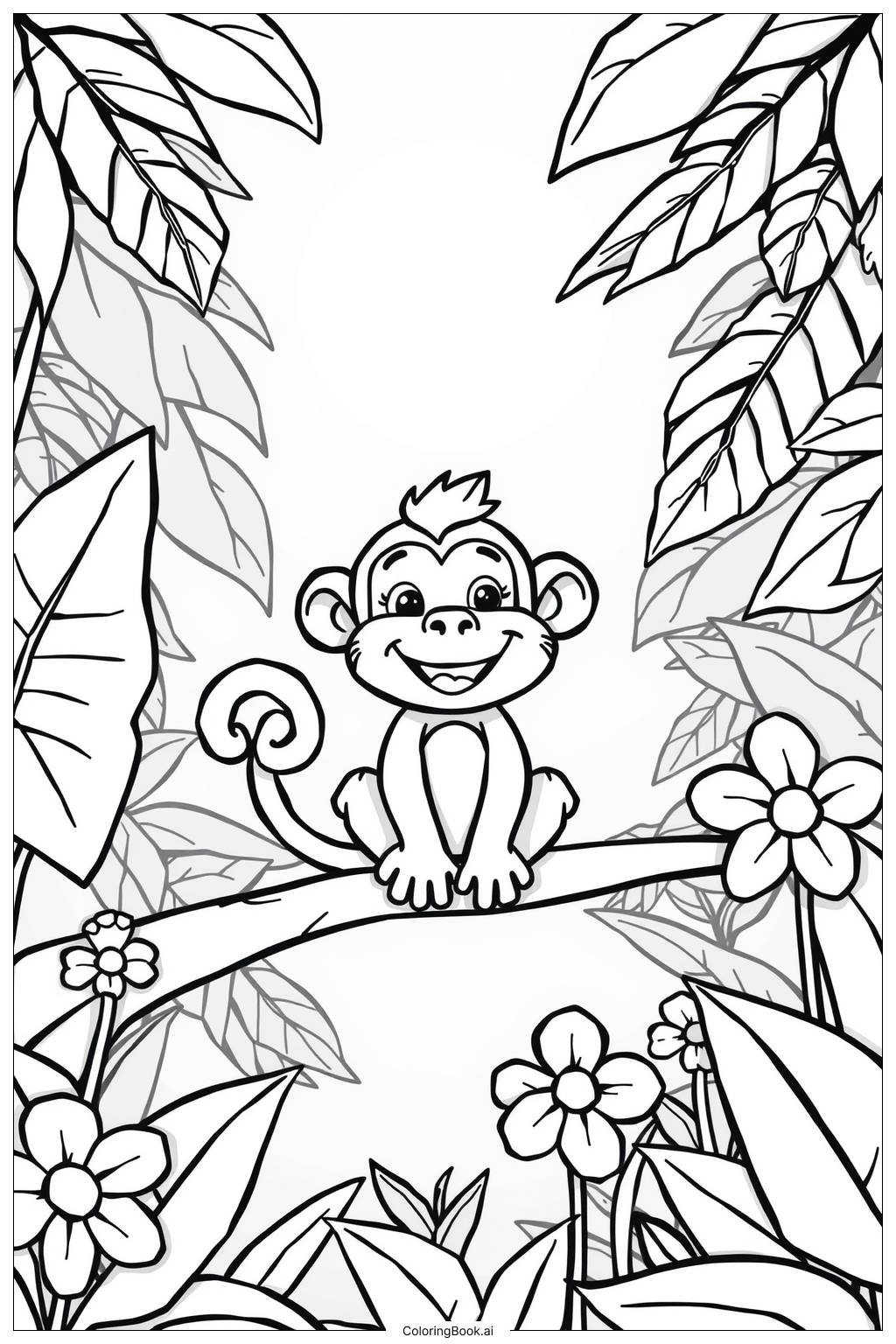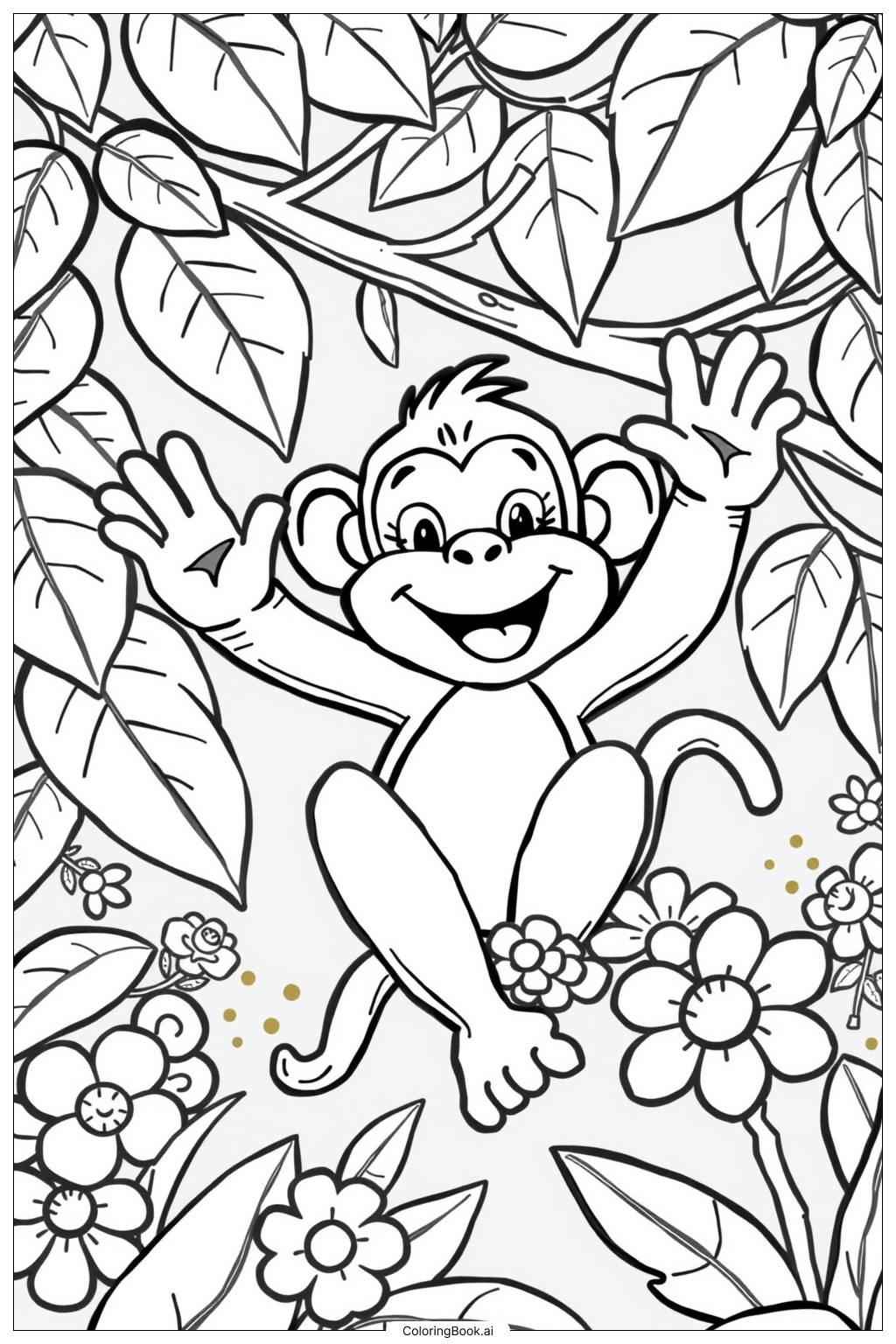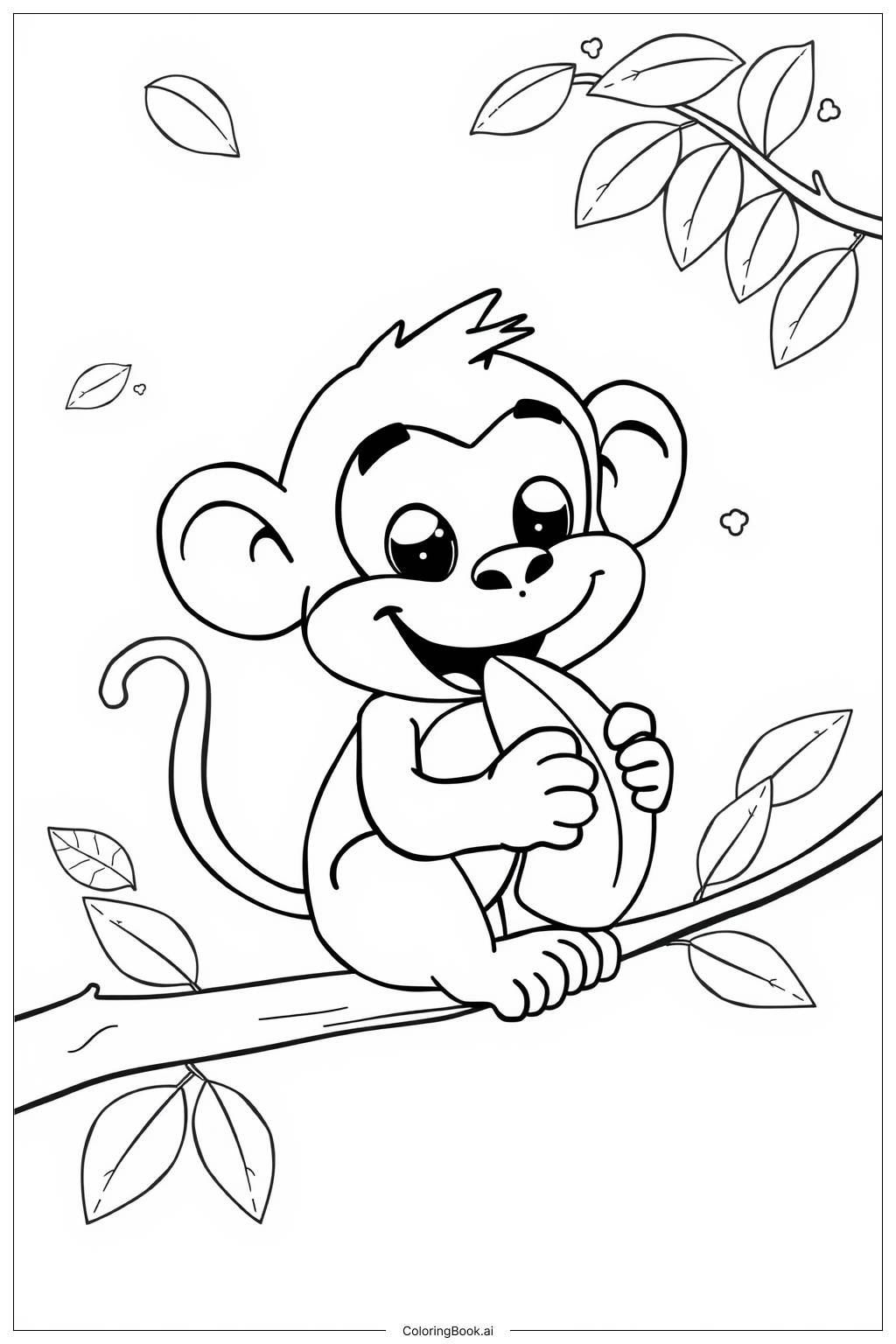
Coloring tips: How to color Monkey Eating Banana coloring page well?
Start with the monkey's body using warm shades of brown. Use a lighter tan or cream color for the belly, face, and inner ear areas to create a natural look. For the banana, use bright yellow for the peel and a soft pale yellow or white for the inside. Add a touch of green at the banana tips to make it look fresh and real. Color the eyes dark brown or black, and use a soft pink for the inside of the ears and the mouth area. For the background leaves and branches, use different shades of green and brown to add depth. Try using darker shades along the edges of the fur and lighter shades in the middle to give the monkey a fluffy, three-dimensional look. Don't be afraid to have fun with colors — you can even give the monkey a colorful, patterned background to make the whole page pop. Keep your strokes smooth and stay inside the lines for a neat and polished finish.
Coloring challenges: Which parts are difficult to color and need attention for Monkey Eating Banana coloring page?
• Fur Texture Details: The monkey's body is covered in short fur, which means there are many small, curved lines throughout the figure. Coloring these lines neatly without going outside the boundaries can be tricky, especially for younger artists. Using a fine-tipped coloring pencil or thin marker can help keep things clean and controlled.
• Facial Expression Accuracy: The monkey's face has several small features close together, including the eyes, nose, and smiling mouth. These areas require careful attention and a steady hand. Using a very fine pencil or thin marker ensures each feature stays distinct and expressive without colors bleeding into one another.
• Banana Shading and Highlights: Making the banana look round and three-dimensional is a challenge. The color should gradually shift from bright yellow in the center to a slightly darker yellow-orange near the edges. Adding a thin white or very light yellow highlight strip down the center can help it look more realistic and glossy.
• Background Jungle Elements: The leaves and branches in the background have overlapping shapes that can be confusing to color. It is important to decide which parts go in front and which go behind, then use different shades of green and brown to separate them clearly. This layering effect brings the scene to life.
• Smooth Color Transitions: Blending from lighter to darker shades across the monkey's body and the banana requires patience. Rushing through these areas can result in uneven patches. Taking time to layer colors gently and blend them with circular or back-and-forth strokes will produce a much smoother and more professional-looking result.
Benefits of coloring books: Advantages of drawing Monkey Eating Banana coloring page
Coloring this fun monkey page offers many great benefits for kids and adults alike. For children, it helps develop fine motor skills as they carefully fill in the small details of the monkey's fur, face, and the banana. Holding and controlling a coloring tool strengthens hand muscles and improves coordination, which also supports handwriting skills.
This page also encourages creativity and color recognition. Kids get to decide which shades of brown, yellow, and green look best, building their artistic confidence along the way. Thinking about how colors work together is an early form of visual problem-solving.
Focusing on a coloring page also promotes concentration and mindfulness. Sitting quietly and working through each section of the image helps children and adults stay present and calm. It is a wonderful way to take a break from screens and reduce everyday stress.
The cheerful subject — a happy monkey eating a banana — makes the activity enjoyable and engaging. It can spark conversations about animals, nature, and healthy eating habits, turning a creative activity into a small learning moment. Completing the page also gives colorists a sense of accomplishment, boosting self-esteem and encouraging them to try more artistic projects in the future.