Coloring tips: How to color Baby Monkey coloring page well?
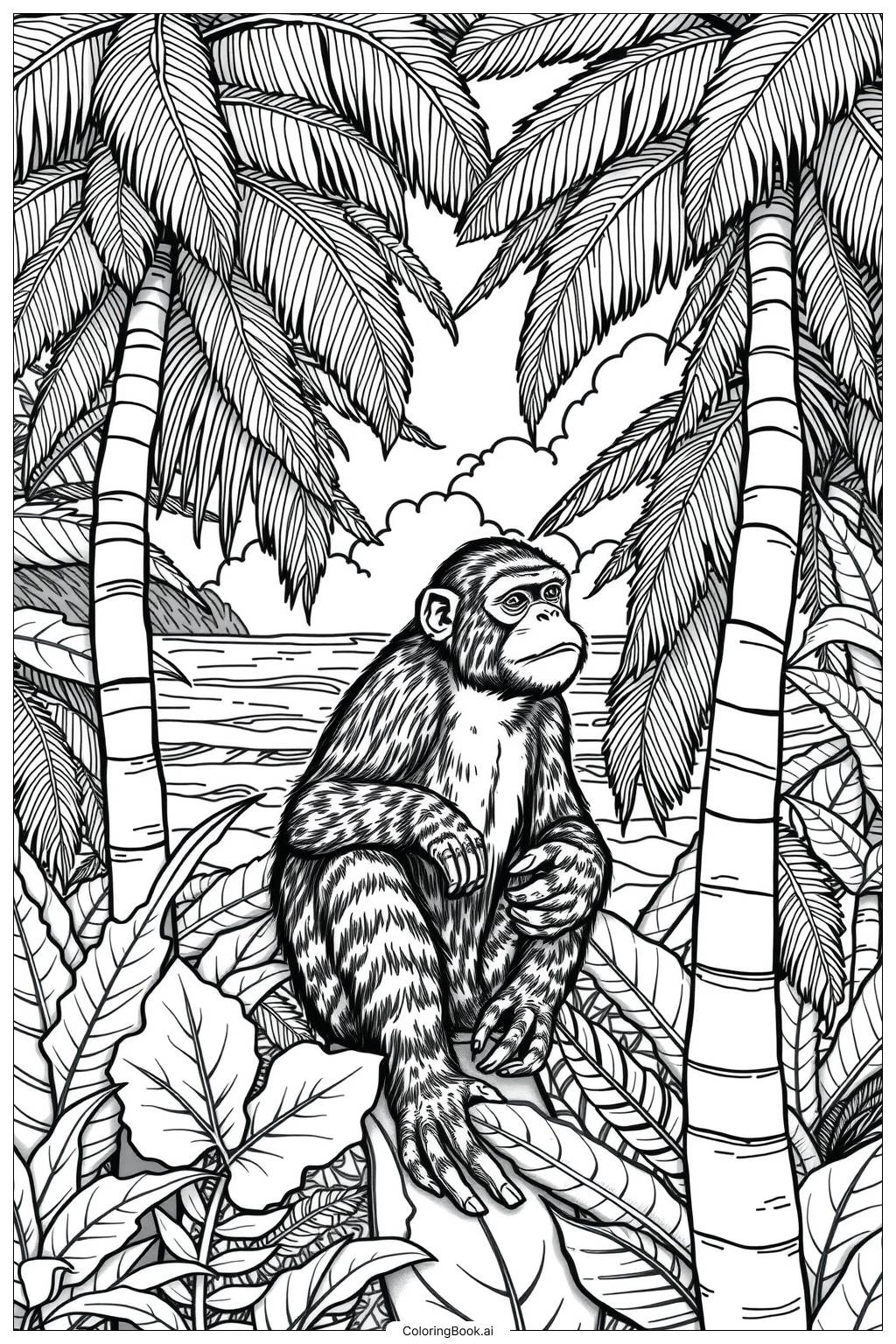
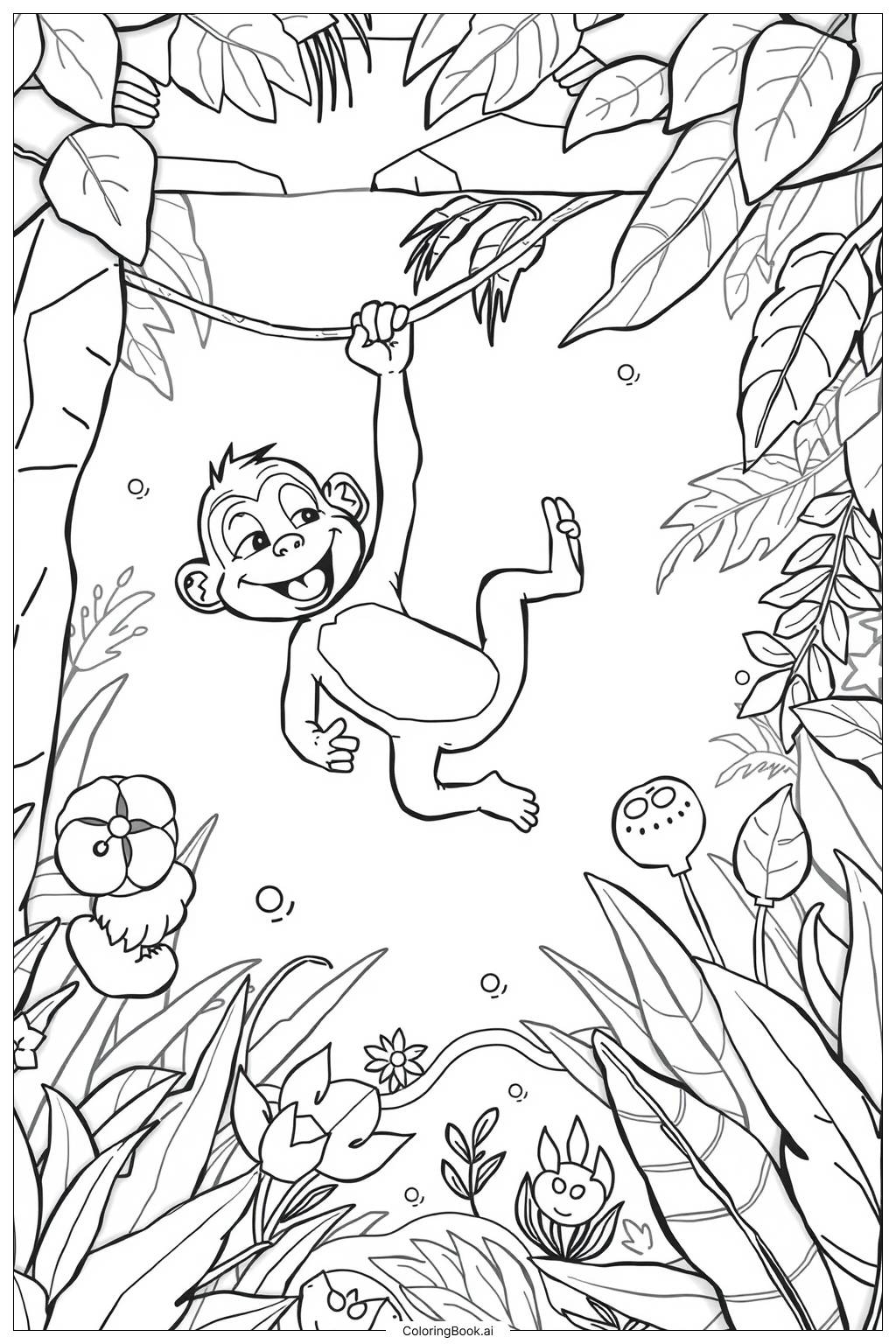
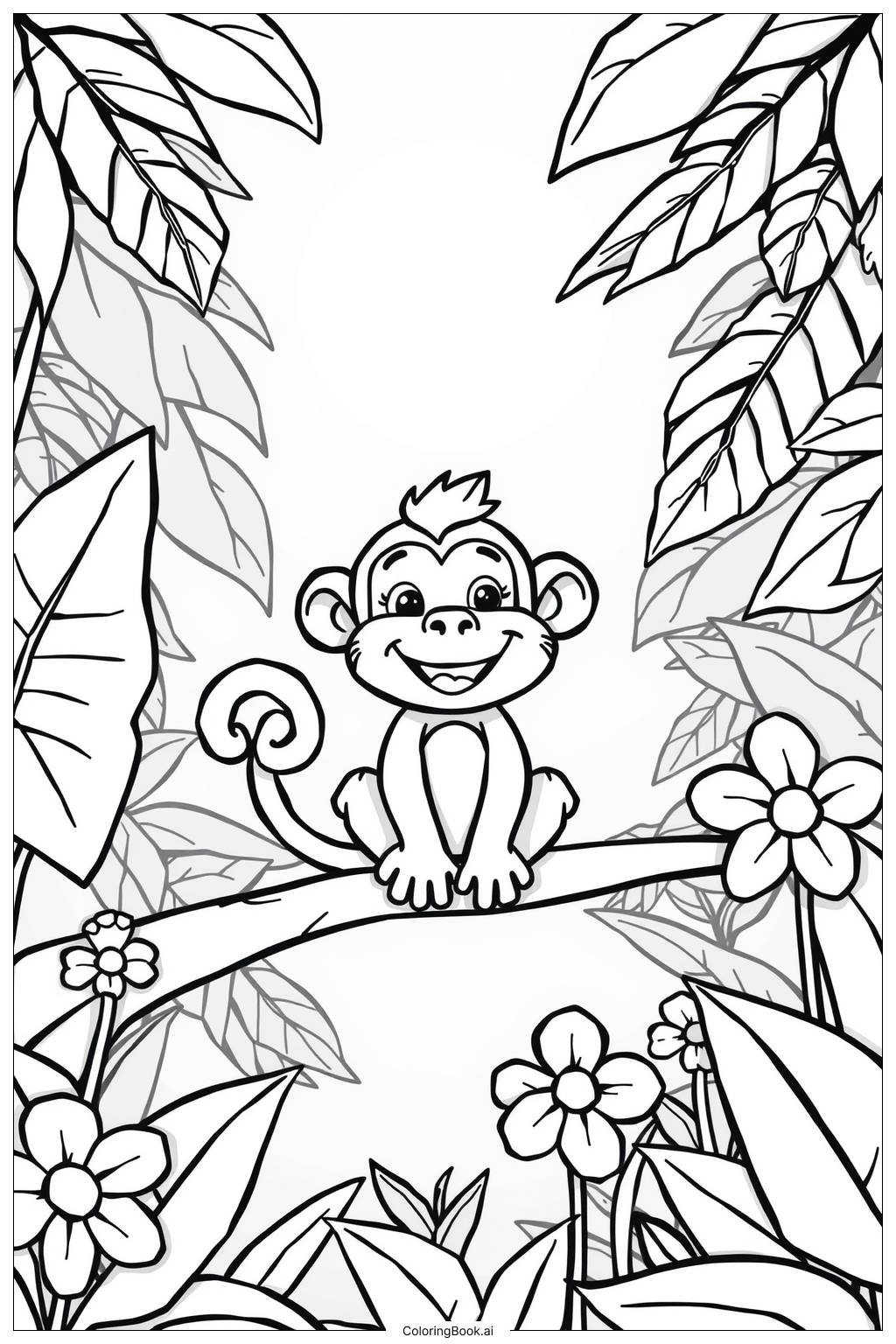
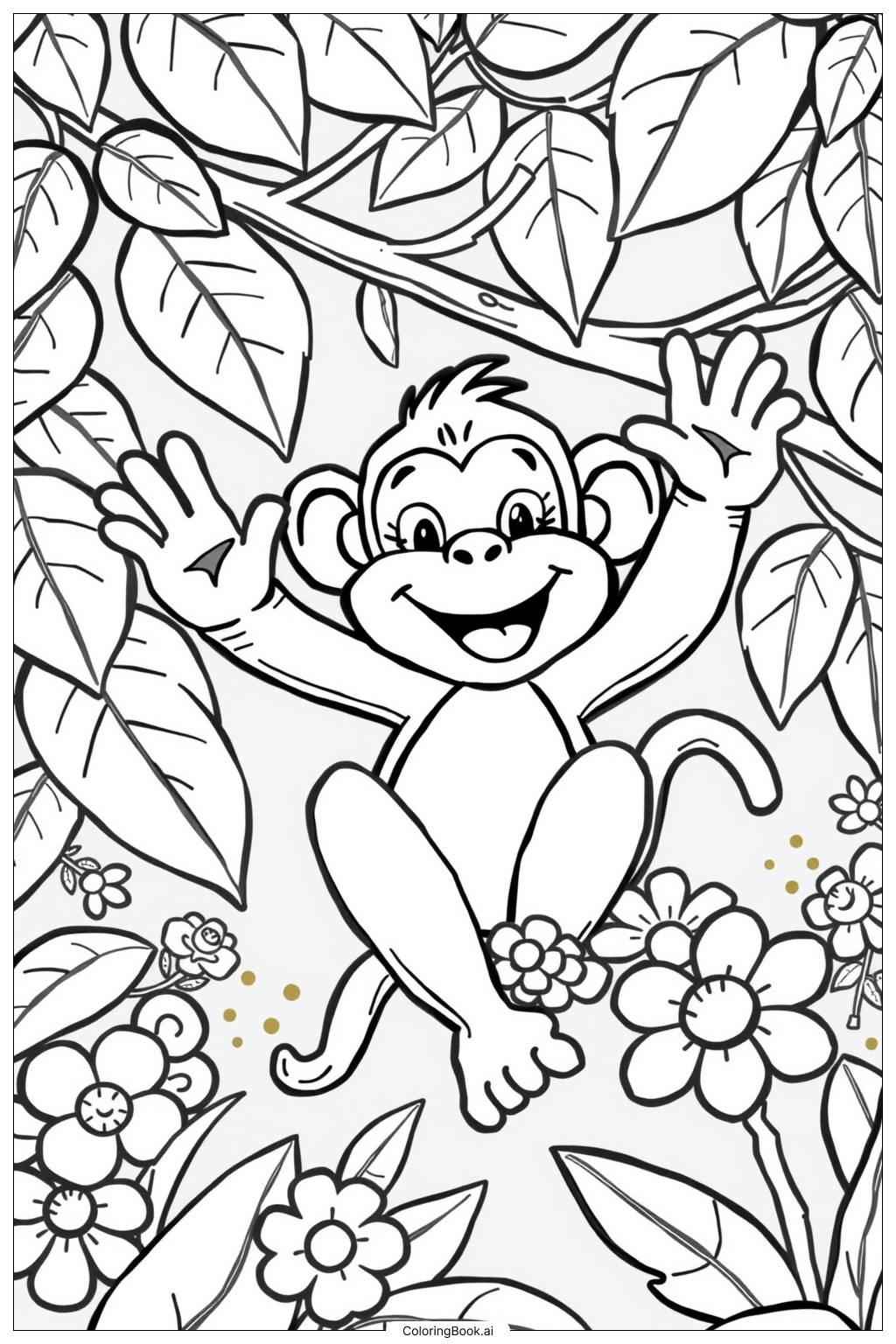
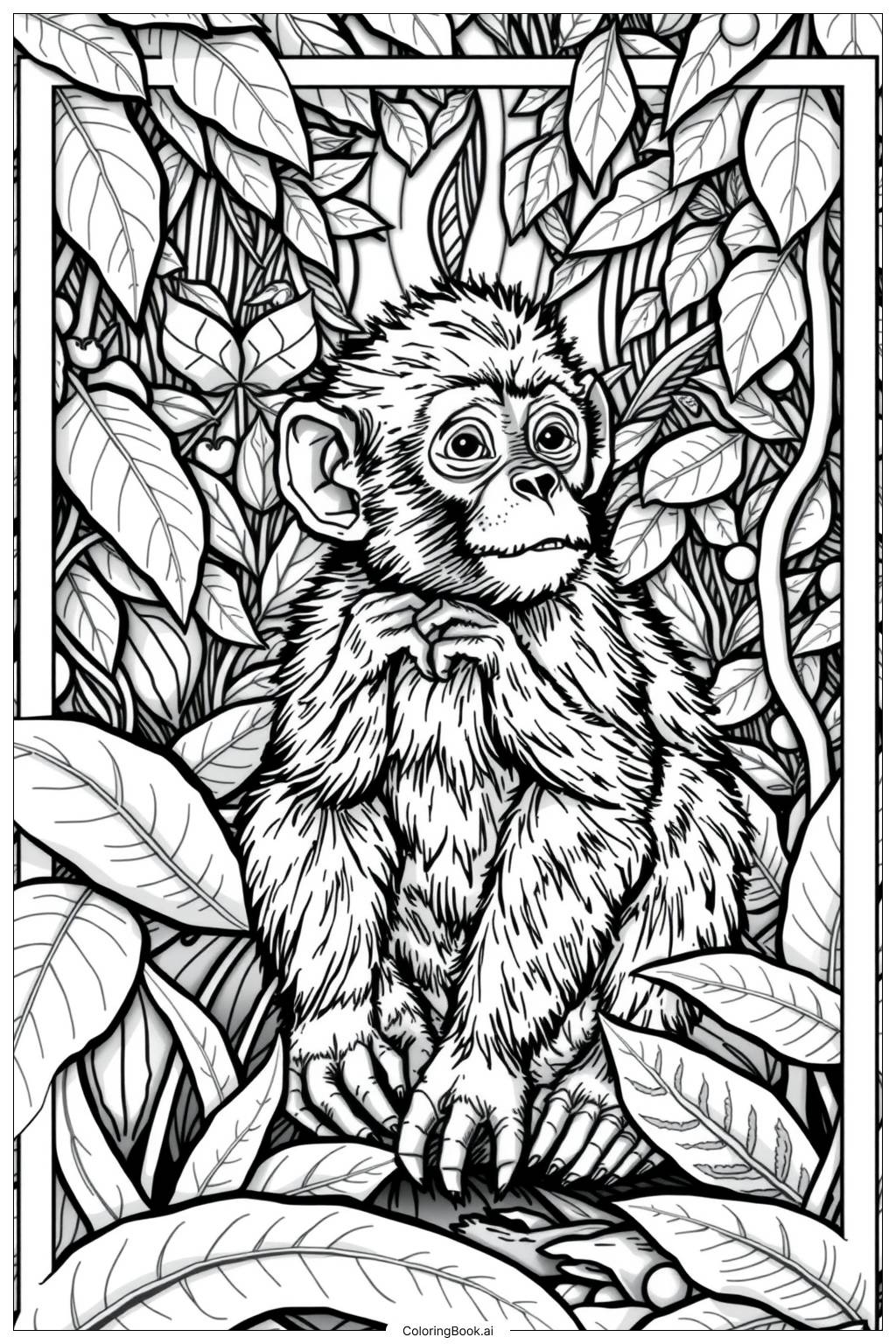
Start with the baby monkey's face. Use a warm tan or light brown for the skin around the eyes and muzzle. Fill the main body fur with a medium brown or golden brown. You can add darker brown shading along the edges of the arms, legs, and tail to give the fur some depth. Use a soft peach or beige for the belly area if there is a lighter patch. For the eyes, color the irises dark brown or black, and leave a small white dot to make them look bright and alive. Color the nose and inner ears a soft pink. For the background leaves and vines, go with shades of green — mix light green and dark green to make the jungle feel lush. Bright tropical colors like yellow-green or lime can make the leaves pop. Feel free to add your own creative touches, like a colorful flower or a bright blue sky peeking through the trees. Have fun with it!
Coloring challenges: Which parts are difficult to color and need attention for Baby Monkey coloring page?
• Fur Texture and Shading: The baby monkey's fur can be tricky to color. Real monkey fur is not one flat color — it has lighter and darker areas. Try using two or three shades of brown and blend them gently. Color the outer edges darker and leave the center of the body a bit lighter. Short, light strokes can help give the fur a soft, fluffy look rather than a flat, solid fill.
• Tiny Facial Features: The face has several small details packed closely together — big eyes, a round nose, a smile, and the lighter muzzle area. These areas are small and close to each other, so it can be easy to color outside the lines. Use a thin-tipped colored pencil or fine marker for these areas. Take your time and work slowly. Getting the face right makes the whole image come alive.
• Hands and Fingers: The small hands and fingers of a baby monkey are delicate and detailed. The lines are thin and close together. Use a sharp pencil tip and be careful not to fill in the wrong sections. A slightly darker color than the main fur works well here to show definition.
• Tail and Branch Interaction: Where the curling tail wraps around a branch or overlaps other elements, it can be hard to keep the colors separate and clean. Plan ahead by deciding which color goes where before you start. Coloring the branch one color and the tail a slightly different shade helps separate the two clearly.
• Background Leaves and Depth: The jungle background has overlapping leaves and vines. Giving each leaf its own shade of green helps show depth. Using darker greens behind the monkey and lighter greens in front creates a natural layered look that makes the whole scene feel more alive.
Benefits of coloring books: Advantages of drawing Baby Monkey coloring page
Coloring this adorable baby monkey image offers a wonderful range of benefits for kids and beginners alike. First, it helps build fine motor skills. Carefully coloring inside the small details of the face, fingers, and fur trains the hands and fingers to move with precision and control — skills that are useful in writing and everyday tasks. Second, it encourages creativity. Choosing colors for the fur, leaves, and background lets young colorists make their own artistic choices and express their imagination freely. Third, it supports focus and patience. The image has enough detail to keep children engaged without being overwhelming. Sitting down and completing the picture from start to finish builds concentration and a sense of accomplishment. Fourth, it introduces color theory in a fun, natural way. Mixing light and dark shades of brown for the fur, or layering greens for the leaves, teaches kids how colors work together. Finally, coloring a cute animal like a baby monkey sparks an interest in nature and wildlife. It can open up conversations about monkeys, tropical rainforests, and the animals that call them home. Most of all, it is simply fun and relaxing — a joyful creative activity for any child.