Coloring tips: How to color Lily Pad Tadpole Scene coloring page well?
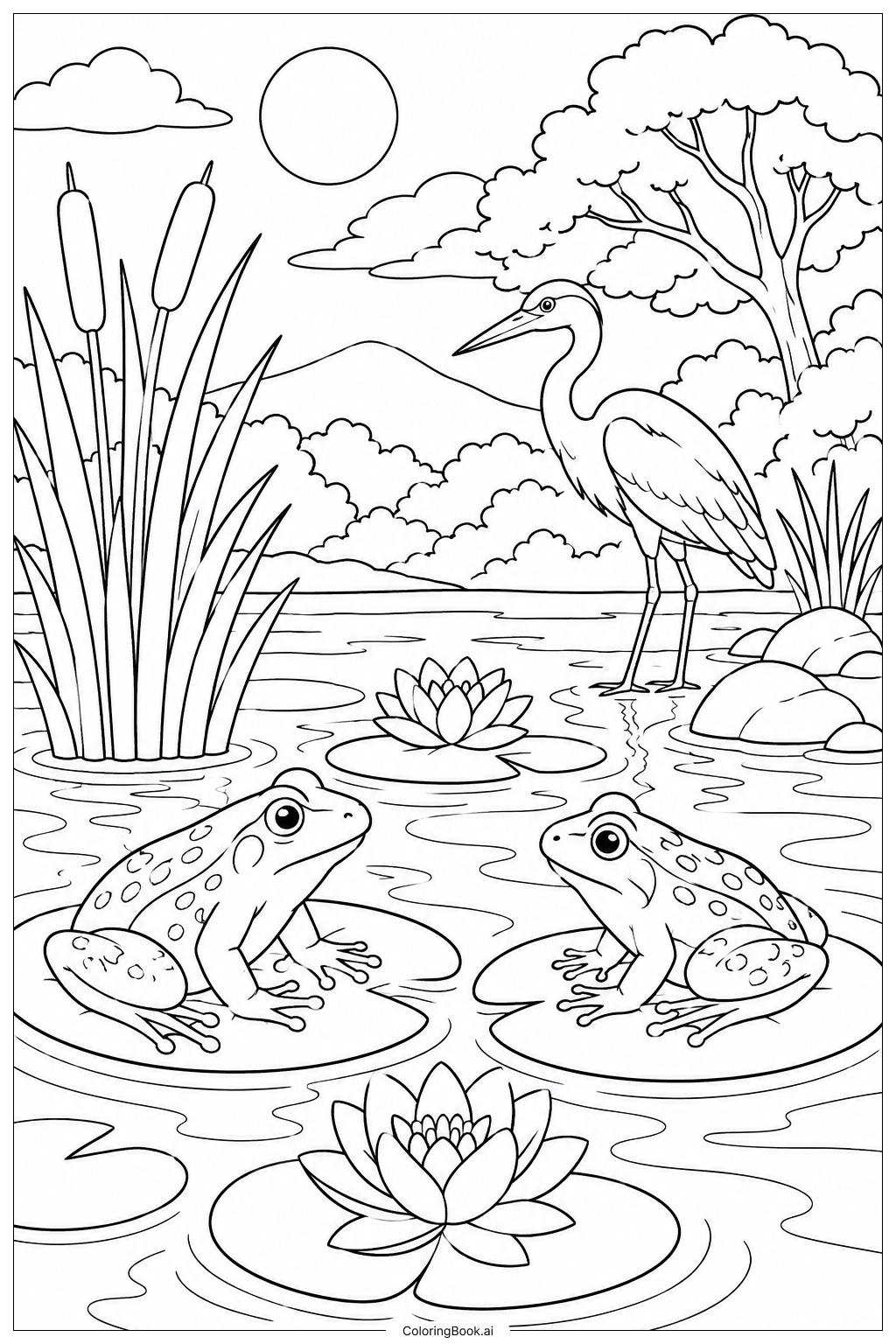
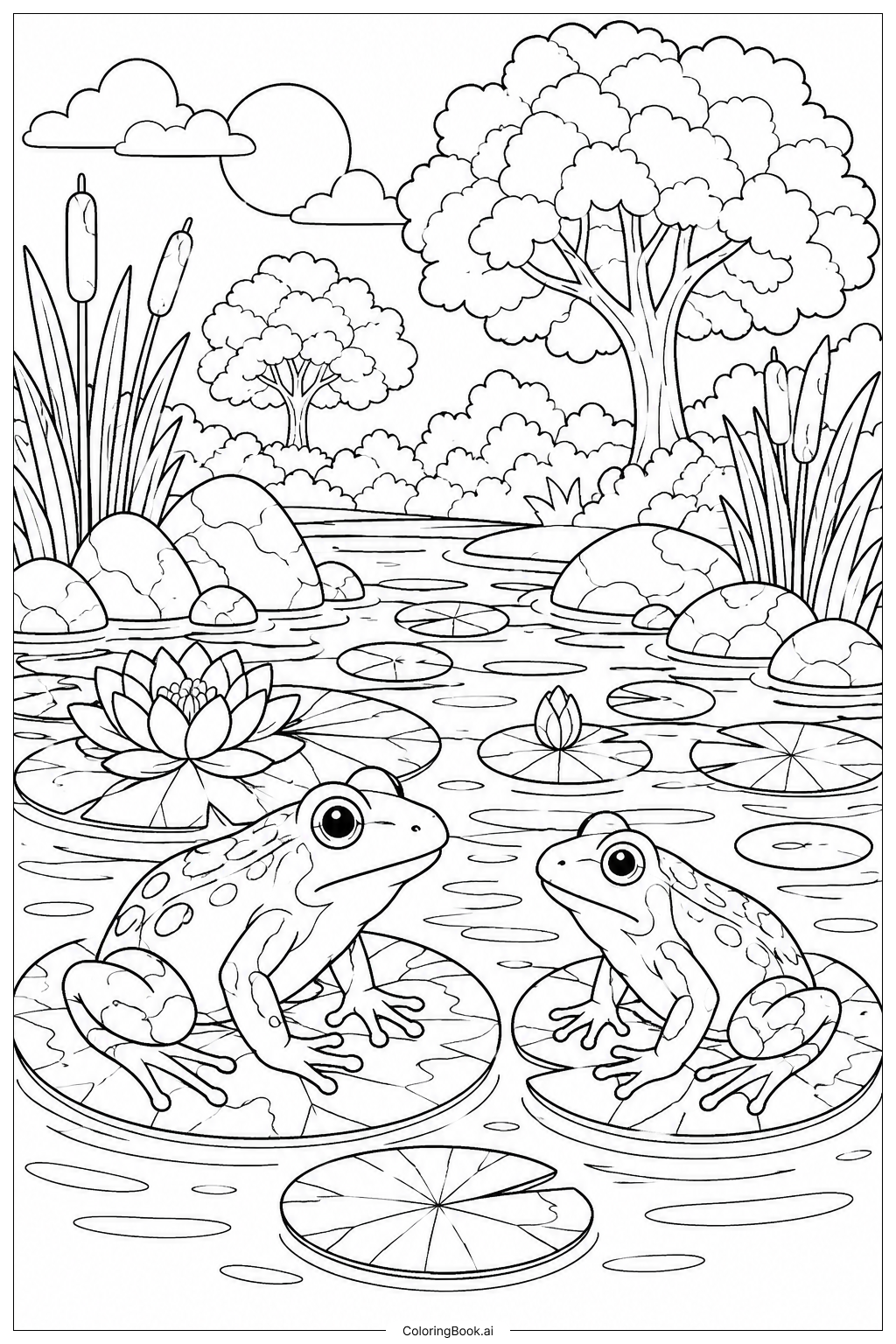
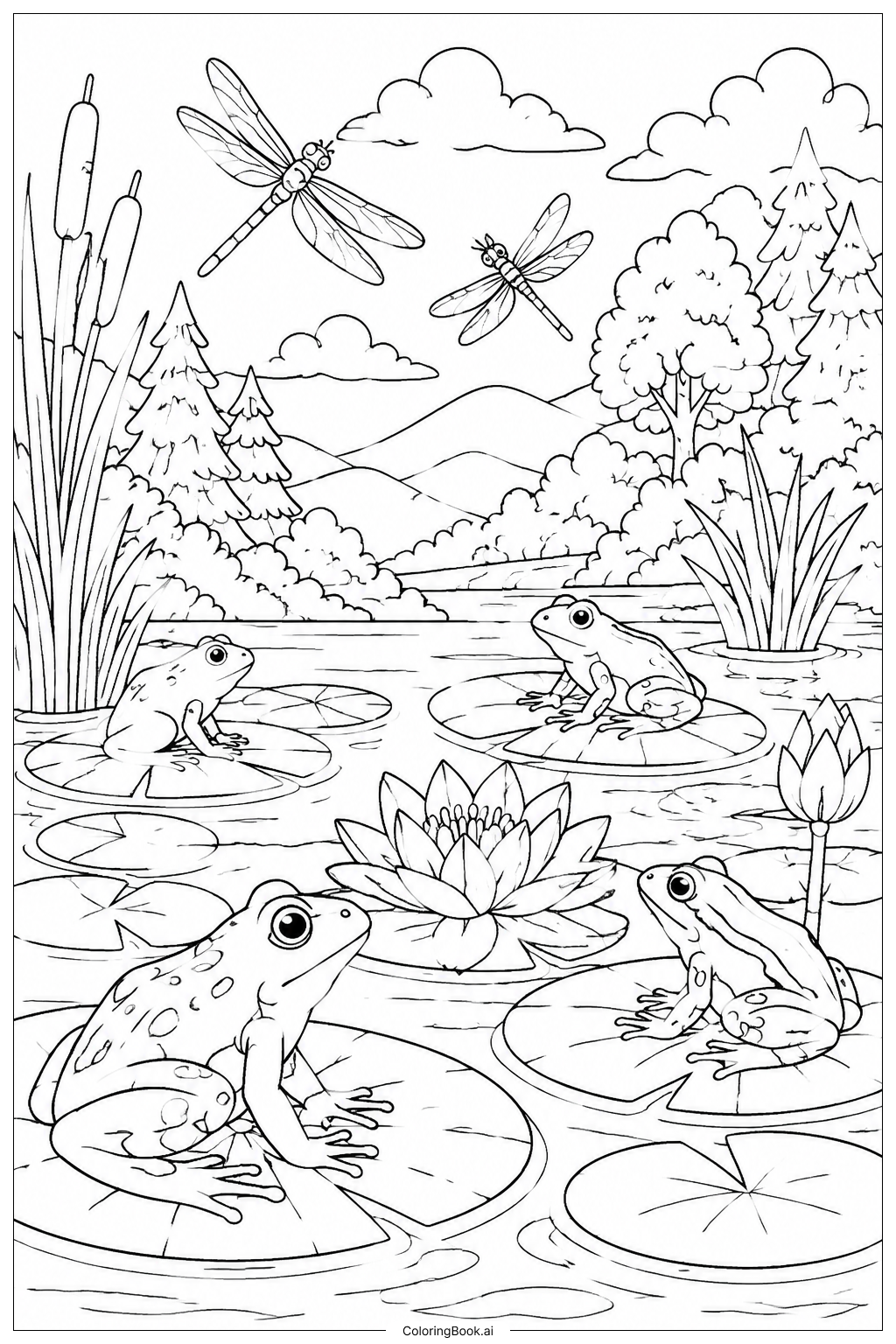
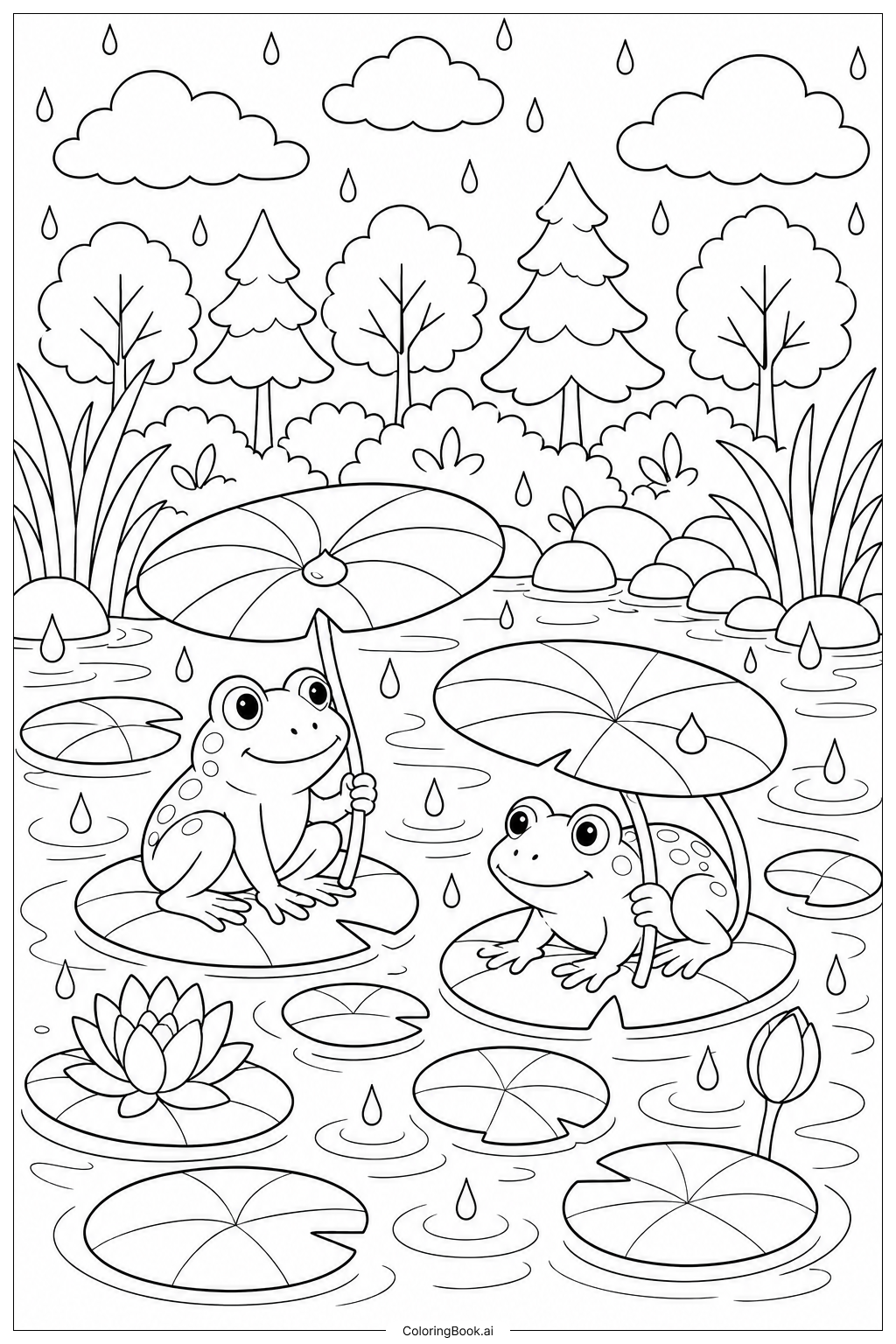
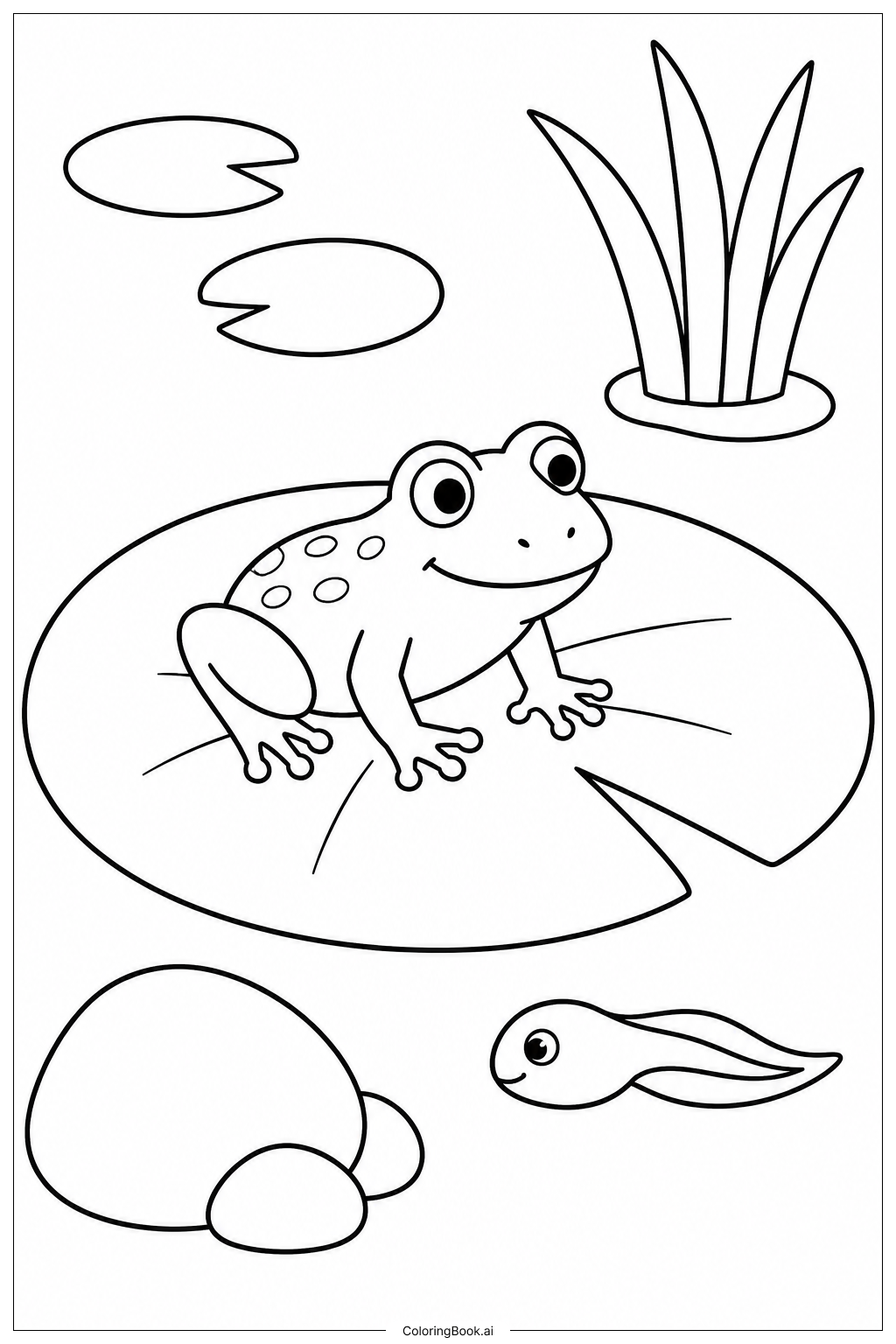
For this coloring page, consider using bright greens and yellows for the Lily Pad to make it stand out. Use different shades of green to add depth and texture to the leaves. The tadpoles can be colored black or dark brown with hints of gray to show their smooth, wet bodies. Color the water with light blues and soft ripples using white or lighter shades to create a sense of movement. The grasses on the pond edges can be various greens and browns to reflect nature’s variety. Adding subtle touches of yellow or orange on the insects can also make them pop. This variety of colors can help bring the scene to life while keeping it simple and fun.
Coloring challenges: Which parts are difficult to color and need attention for Lily Pad Tadpole Scene coloring page?
• Small Details: The tiny tadpoles and insects require careful coloring within small spaces, which may need patience and fine motor skills.
• Water Effects: Showing the ripples and reflections on the water surface can be tricky because it needs a mix of blues, whites, and maybe greens to look realistic.
• Leaf Texture: Coloring the Lily Pad requires blending multiple green shades to give it a natural, bumpy texture instead of a flat color.
• Overlapping Elements: The grasses and plants overlap with the pads and water, so staying inside the lines without mixing colors can be challenging.
• Shading: Adding subtle shading to the curved surfaces of the Lily Pad and the tadpoles helps make the image look three-dimensional, but this needs gentle color transitions.
Benefits of coloring books: Advantages of drawing Lily Pad Tadpole Scene coloring page
Coloring this image helps children improve their attention to detail as they carefully fill the small tadpoles and intricate water plants. It encourages creativity by allowing them to choose different shades of green for the Lily Pad and grasses. The challenge of capturing water’s reflective quality develops fine motor control and color blending skills. This scene also teaches about nature and the life cycle of frogs, making the activity educational as well as fun. Overall, it supports concentration, patience, and artistic expression in a relaxing, nature-inspired setting.