Coloring tips: How to color Lily Pad Rainy Day Scene coloring page well?
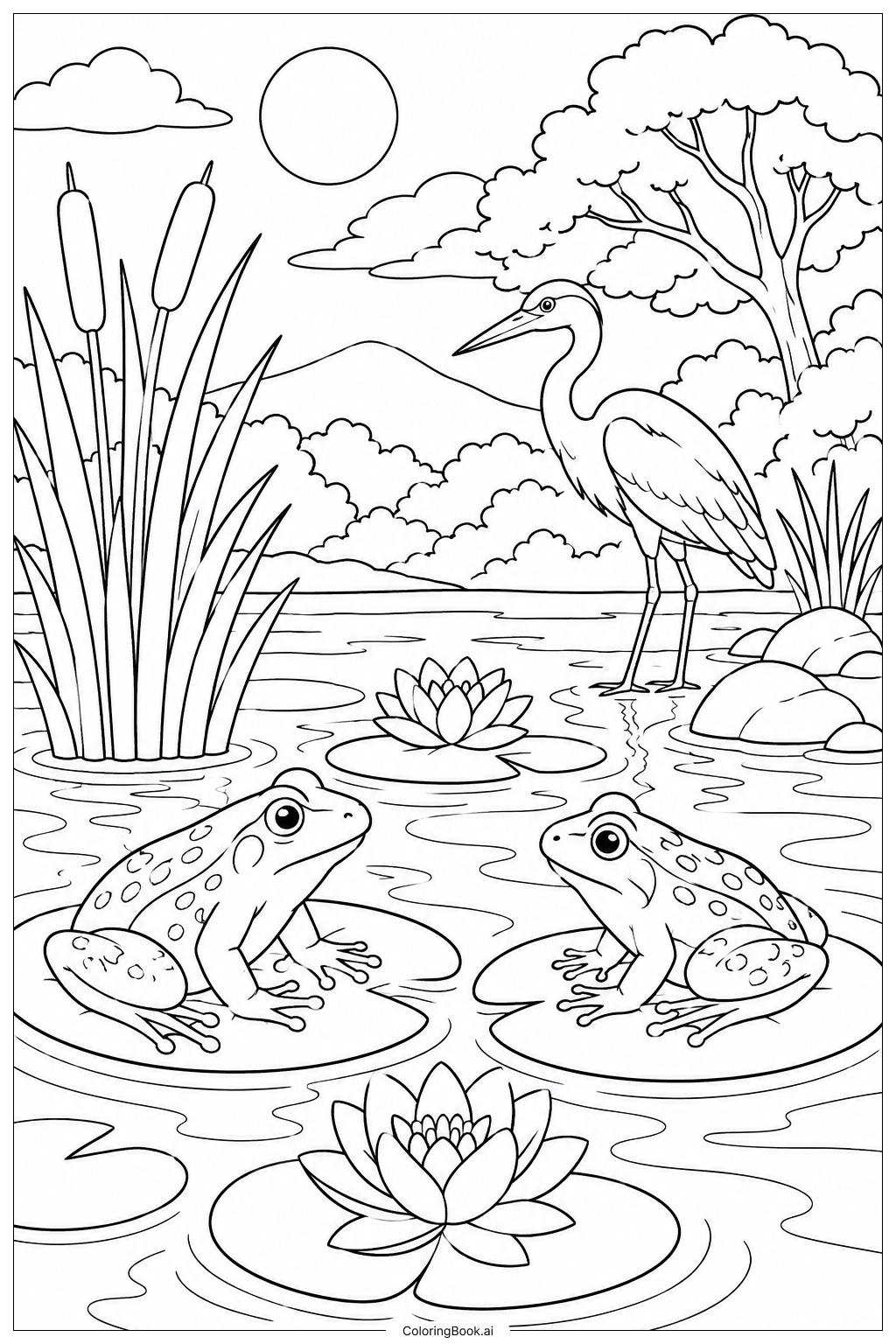
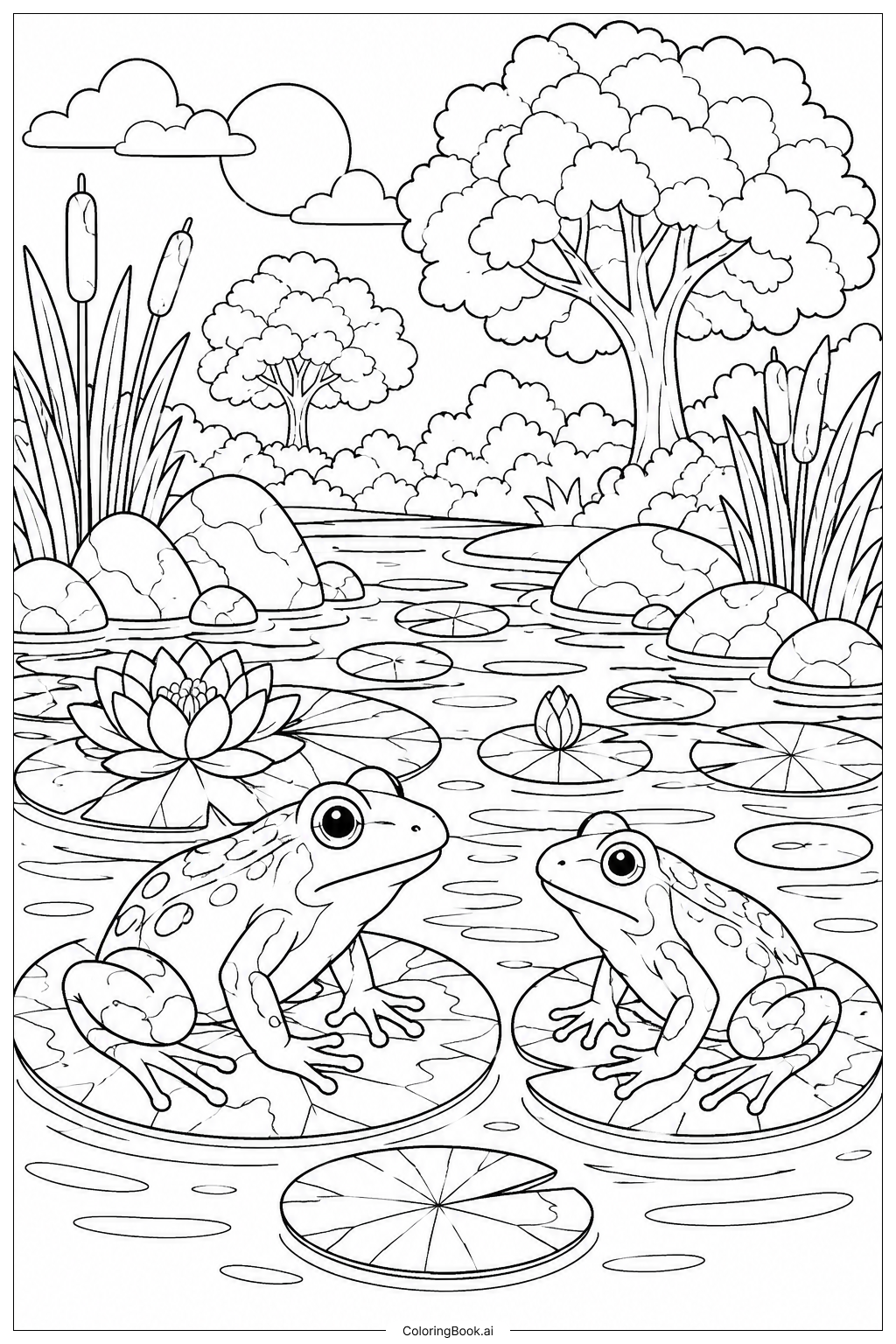
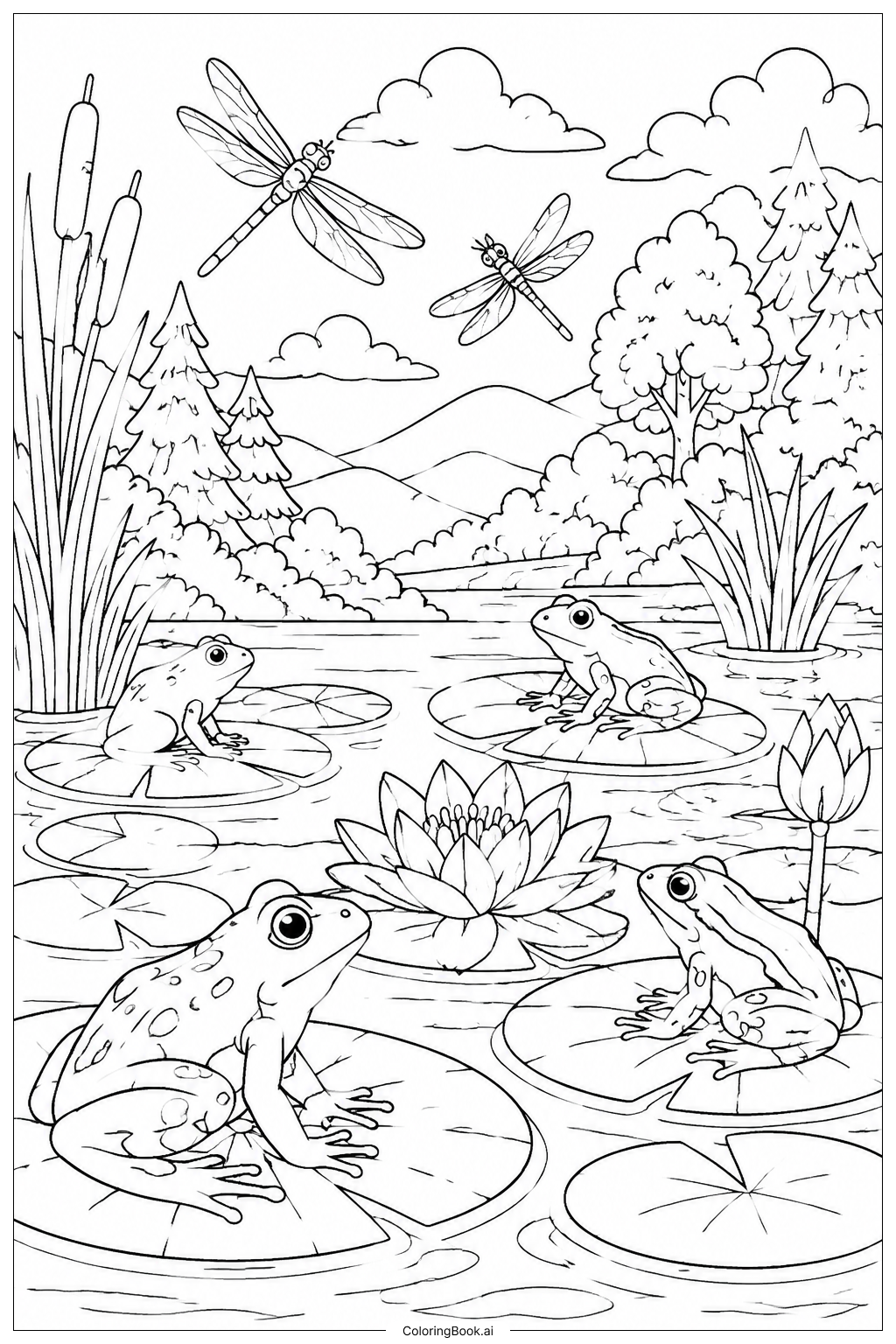
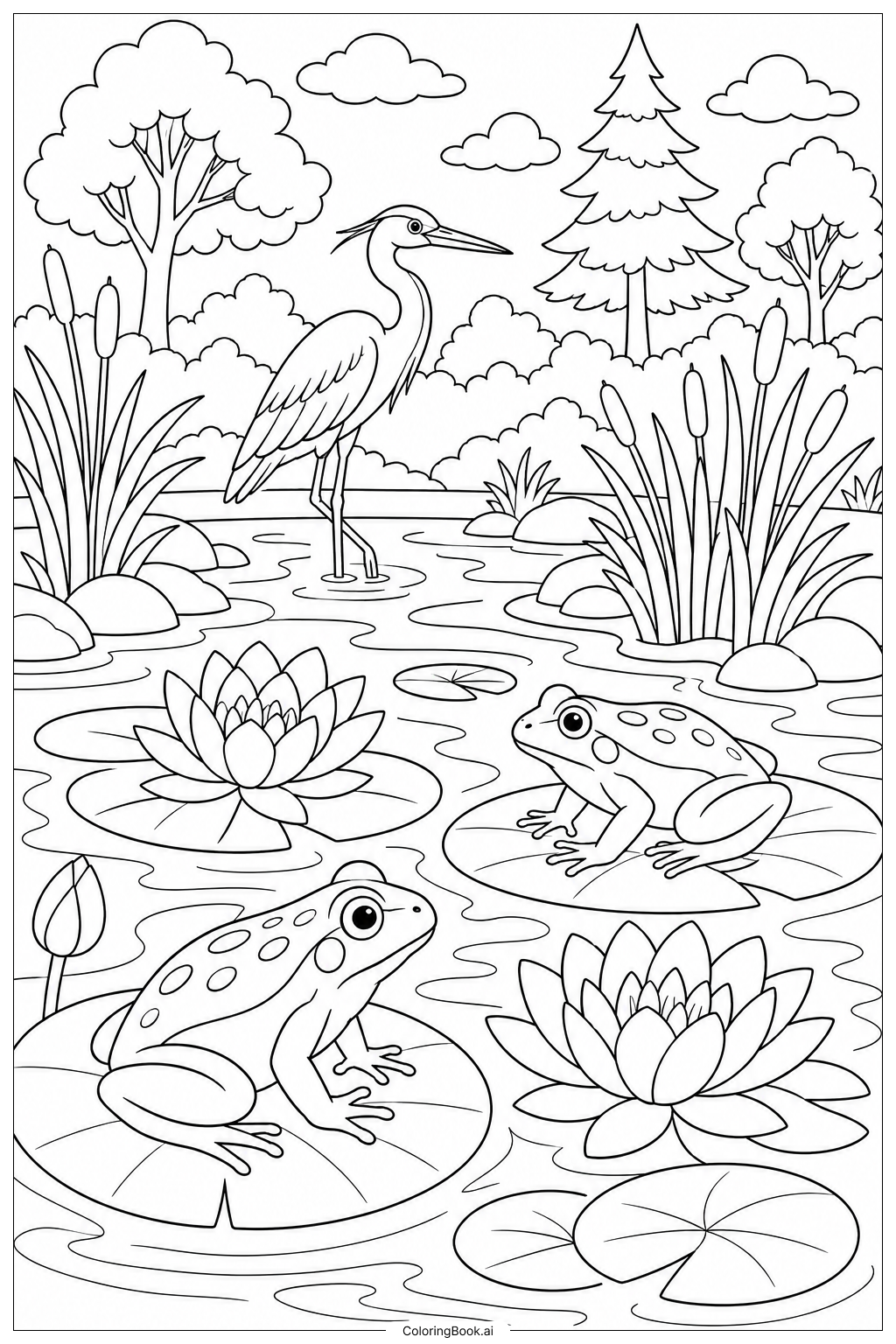
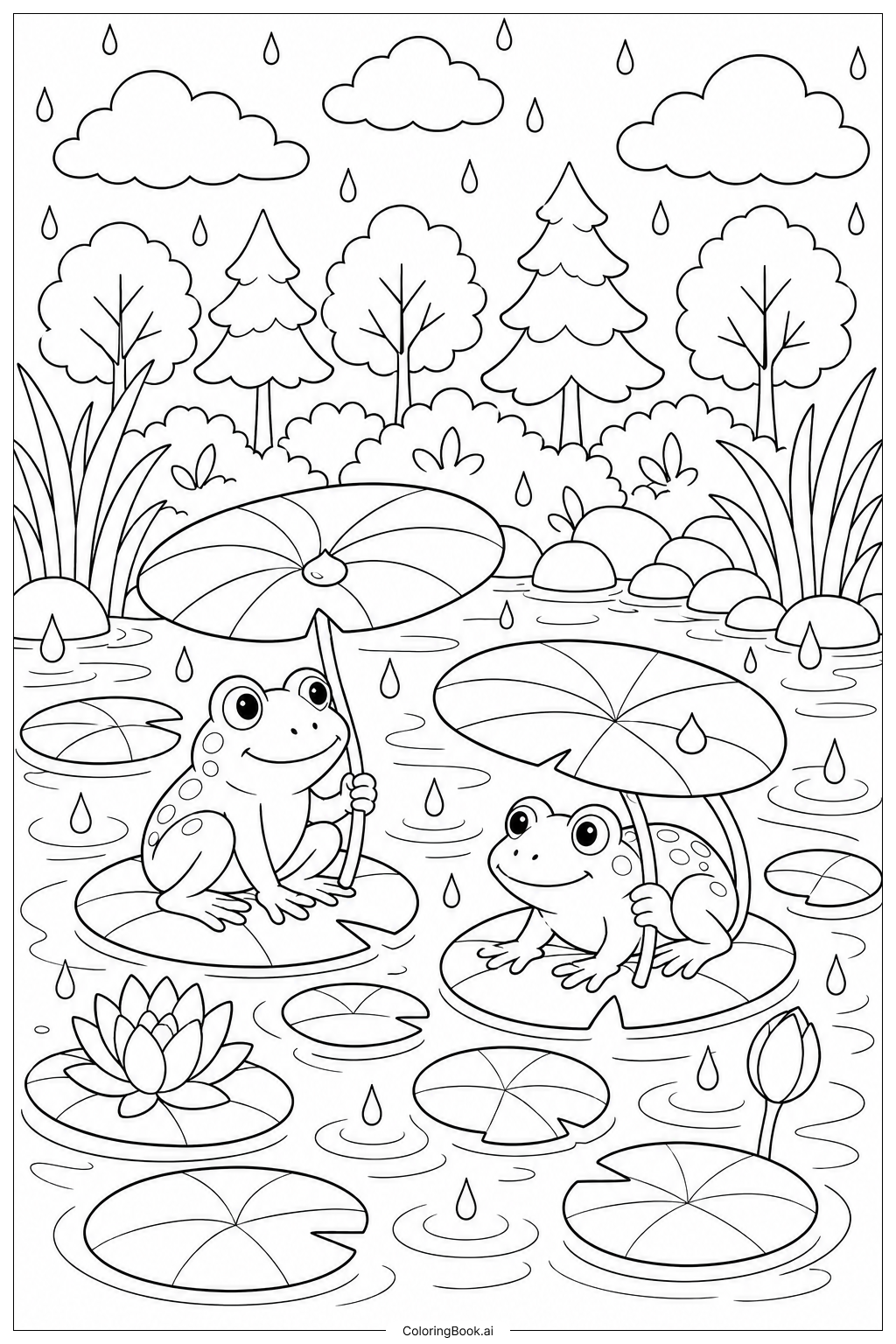
Try using fresh shades of green for the Lily Pads to show their lushness. You can add bright colors like pink, white, or yellow for the flowers on the Lily Pads to make them stand out. Use soft blue and gray tones for the rainy sky and water, showing the wet and rainy atmosphere. The frog can be colored in rich greens or browns to make it look natural. Consider blending light blues and purples in the water ripples for a realistic rainy effect. For the grasses in the background, use different greens and some brown to show variety. Keep colors gentle and smooth for a peaceful mood or use brighter colors to make the picture come alive.
Coloring challenges: Which parts are difficult to color and need attention for Lily Pad Rainy Day Scene coloring page?
• Small Raindrops: The raindrops are tiny and require careful coloring to stay inside the lines, which can be tricky for younger artists. • Water Ripples: Capturing the round shapes of ripples needs attention to detail and smooth shading to look natural. • Flower Details: The Lily Pad flowers have delicate petals that are close together, so coloring each petal neatly is a challenge. • Layered Elements: Some Lily Pads overlap or have flowers and frogs on top, requiring careful attention to color boundaries and layering. • Texture Variation: The grasses, water, and Lily Pads all have different textures and shading styles, so switching between soft blending and sharp edges can be difficult.
Benefits of coloring books: Advantages of drawing Lily Pad Rainy Day Scene coloring page
Coloring this Lily Pad Rainy Day Scene helps improve focus and fine motor skills, especially with the small raindrop and flower details. It encourages creativity by allowing you to choose different shades of green and blue to create a rainy pond atmosphere. This image also teaches observation as you think about how water looks when it rains and how plants and animals appear in nature. Coloring peaceful outdoor scenes like this one can be calming and relaxing, making it a great activity to reduce stress. It also inspires an appreciation for nature’s quiet beauty and the small creatures living in ponds.