Coloring tips: How to color Lily Pad Quiet Reflection coloring page well?
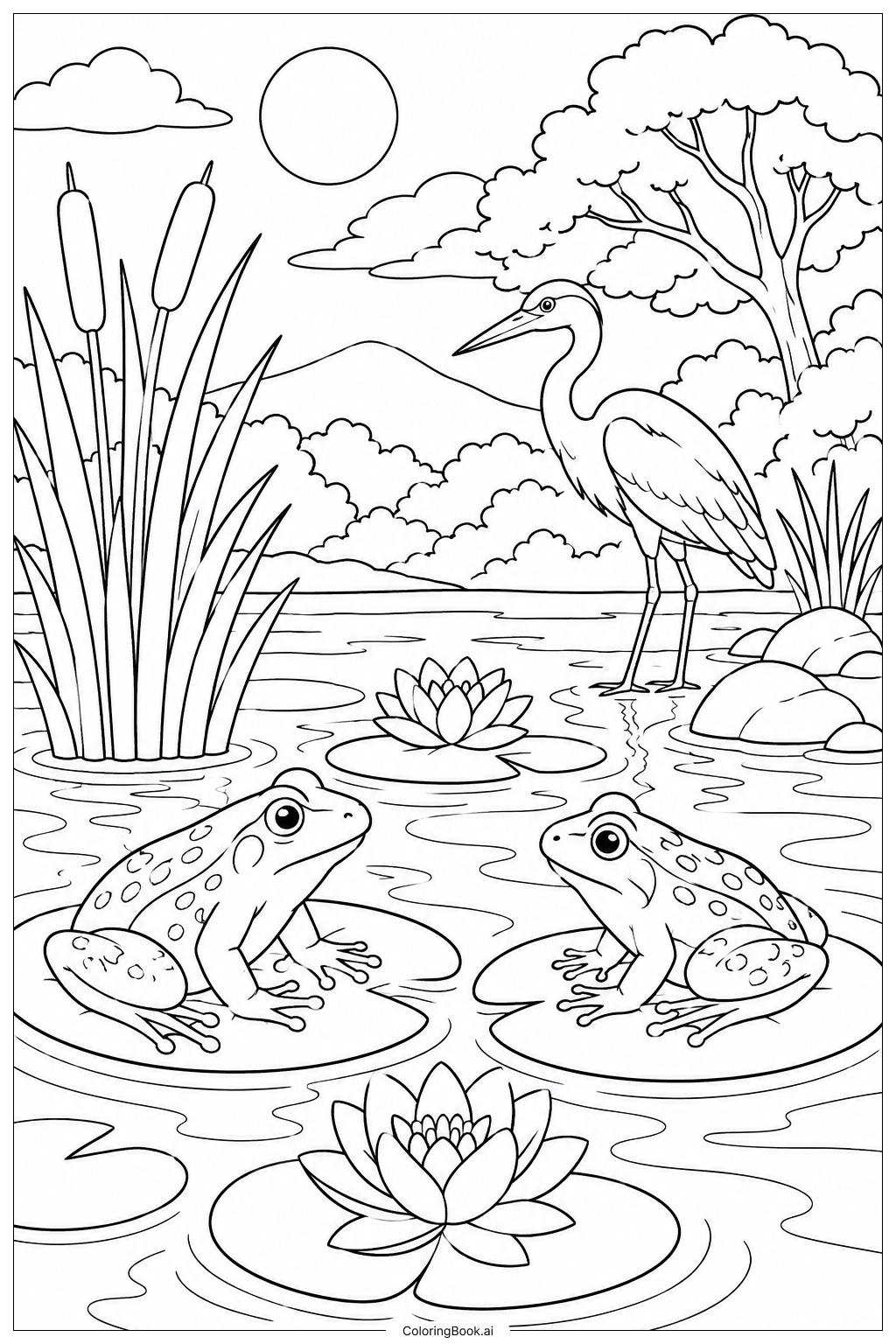
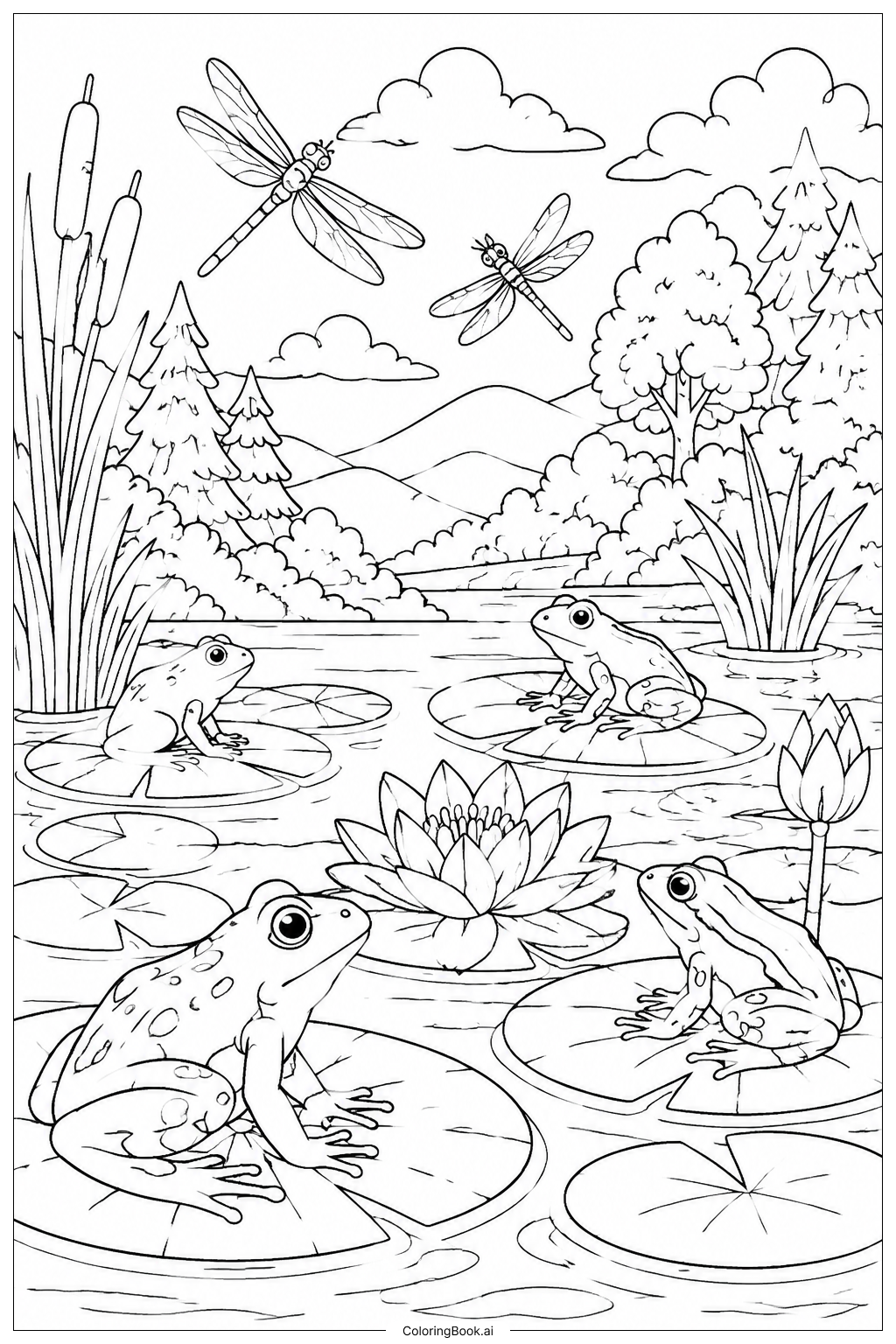
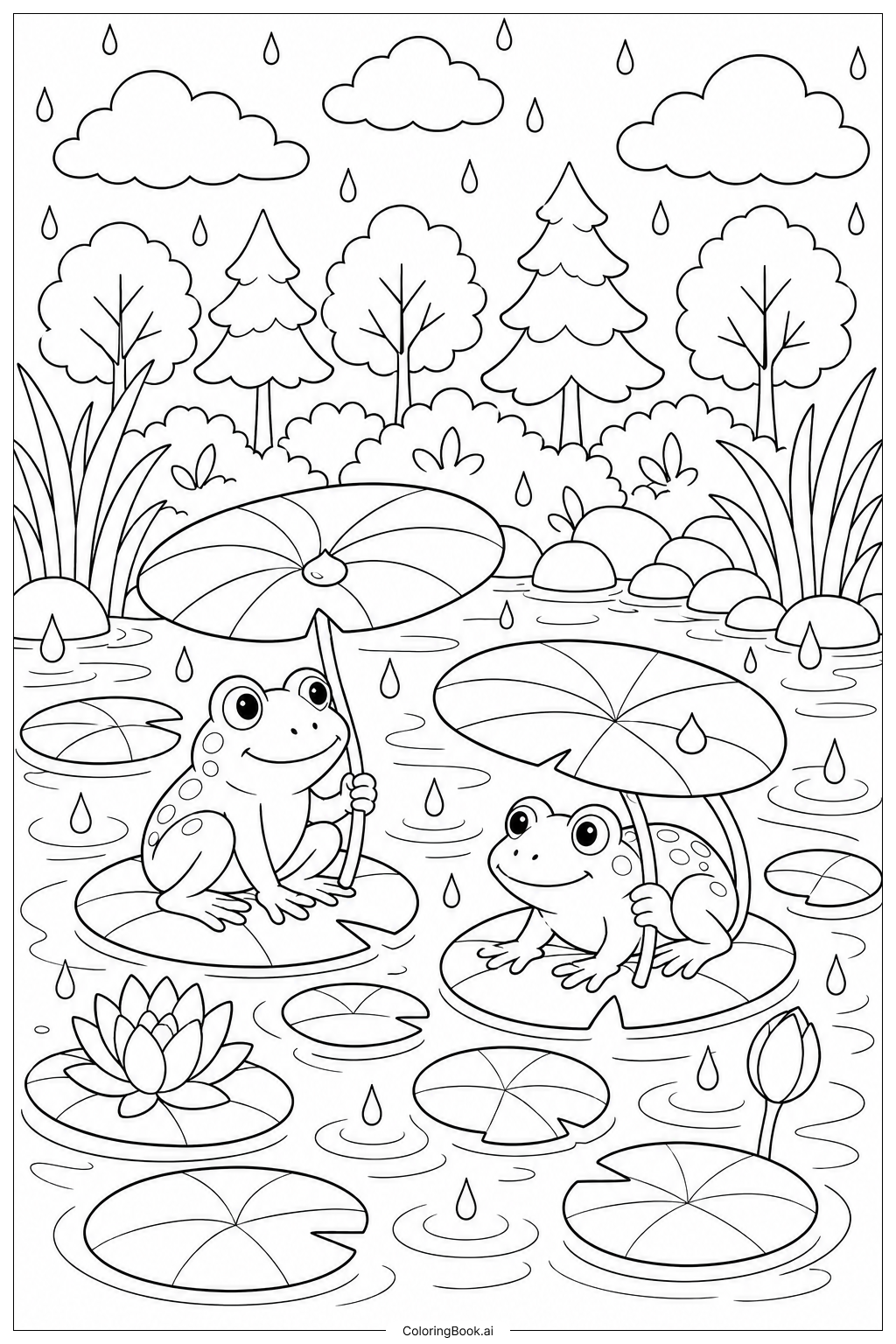
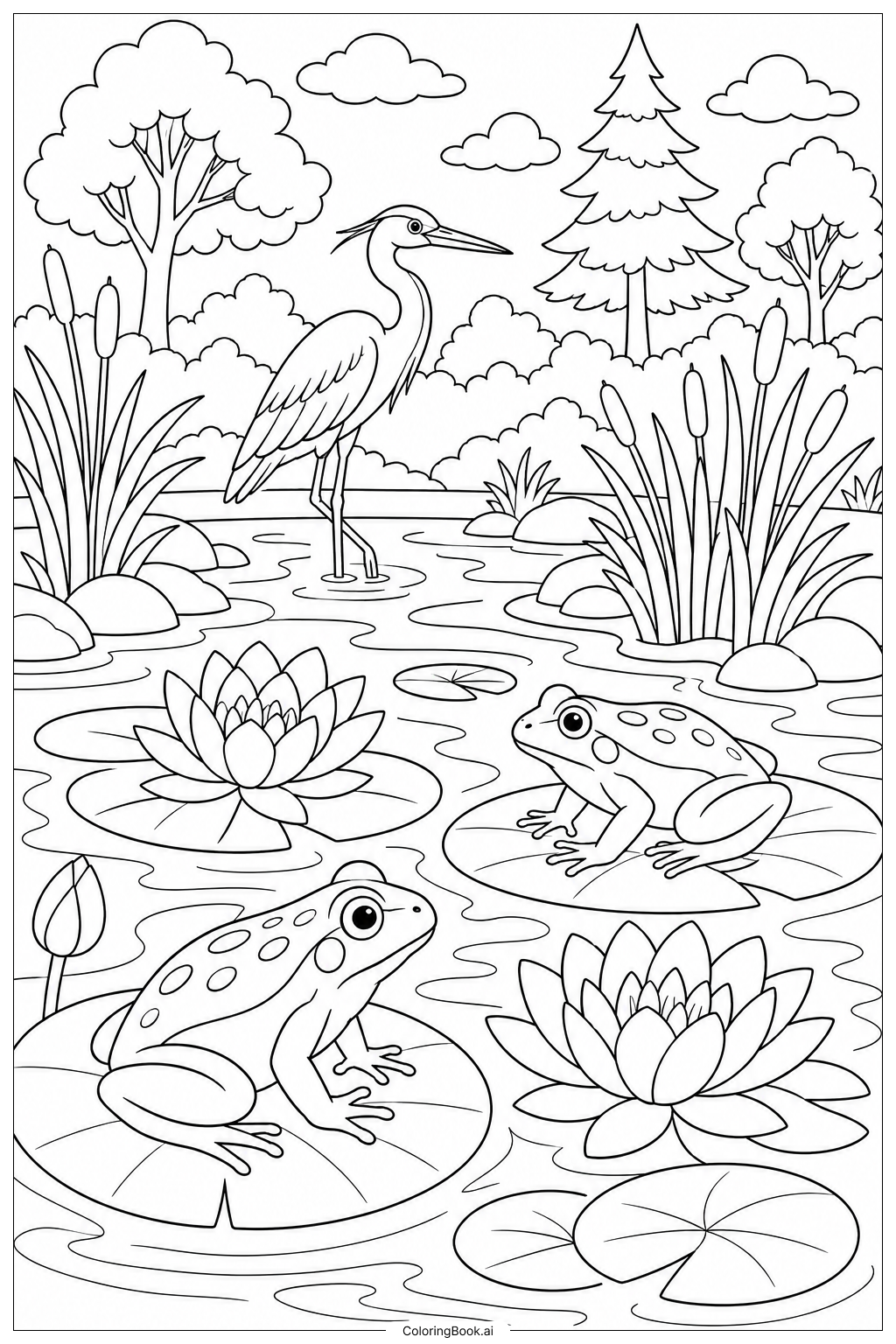
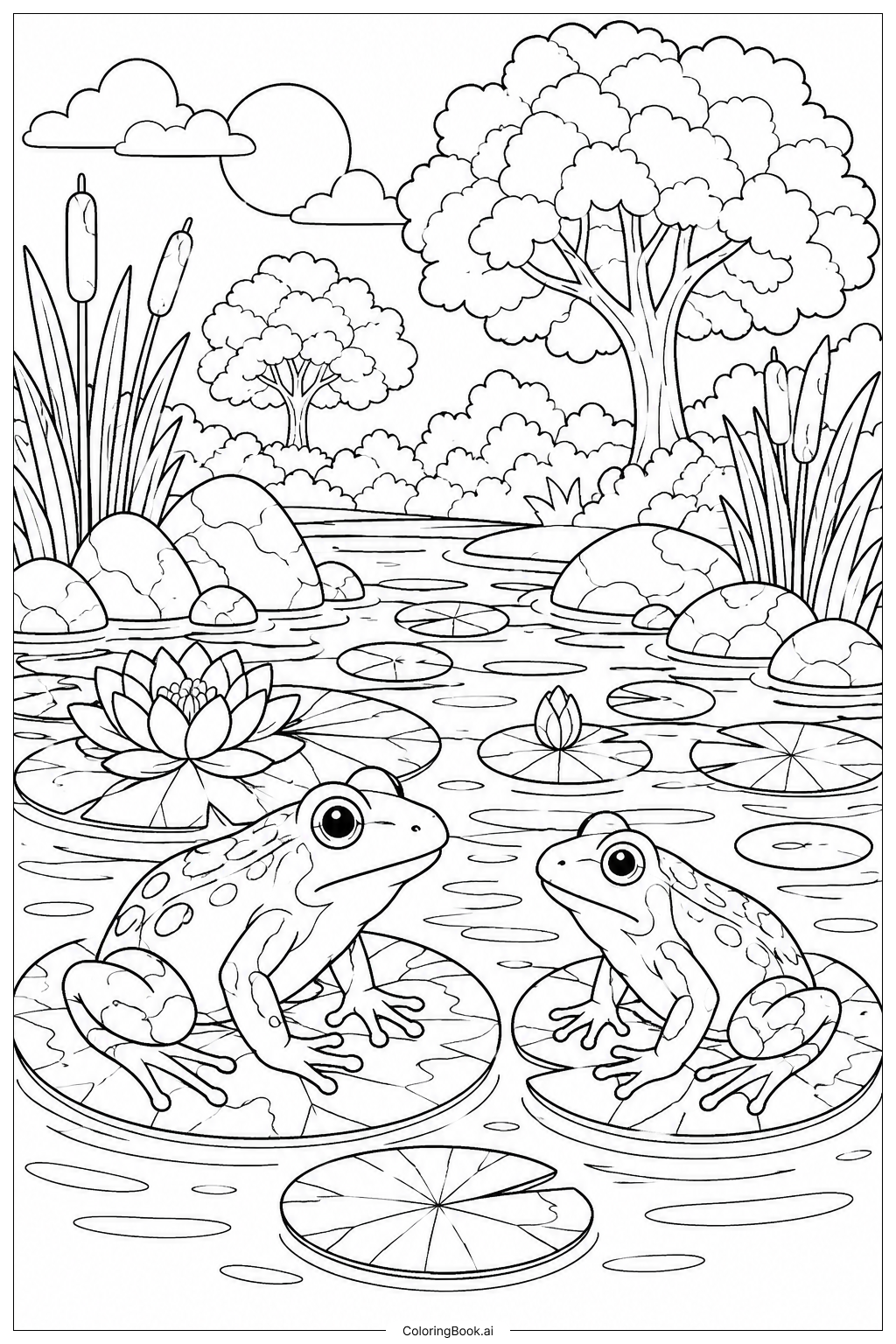
Try coloring the Lily Pad with different shades of green to show its natural texture—use light green for sunlit areas and darker tones for shaded parts. The frog can be colored in vibrant greens or even bright yellows for a fun twist. Consider using blues and soft grays to fill in the water around the Lily Pad, creating a calm and reflective surface. Add touches of brown or beige to the surrounding reeds or grasses to enhance the setting. Use soft blending for the water ripples to make the scene feel gentle and peaceful. Feel free to experiment with a few pastel colors for flowers or water lilies nearby if you want to add more detail.
Coloring challenges: Which parts are difficult to color and need attention for Lily Pad Quiet Reflection coloring page?
• Fine Details: The delicate outlines of the frog and the water ripples can be tricky to color carefully without going outside the lines, especially for younger children or beginners. Staying within these small spaces requires good concentration and control. • Shading Variation: Adding realistic shading to the Lily Pad and water requires understanding light and shadow, which can be challenging without practice. Correctly blending colors to show reflection and depth demands patience. • Consistent Texture: Coloring the Lily Pad demands an even yet textured look to avoid flatness; capturing the leafy veins and natural curves can be difficult with simple coloring tools. • Layering Colors: The water surface and reflections call for layering blues and grays smoothly, which may be difficult to achieve with crayons or markers that don’t blend well. • Maintaining Peaceful Tone: Balancing vibrant colors for the frog while keeping the overall calm and quiet nature of the scene intact is tricky. Too bright or brash colors might disturb the gentle feel desired in this image.
Benefits of coloring books: Advantages of drawing Lily Pad Quiet Reflection coloring page
Coloring this image offers several benefits for children and adults alike. It encourages mindfulness by inviting you to focus on a serene natural scene, promoting relaxation and quiet reflection. The detailed elements help improve fine motor skills and hand-eye coordination as you carefully fill in small areas like the frog and water ripples. Experimenting with shading and blending colors teaches color theory basics and artistic techniques. The peaceful theme can also inspire creativity and imagination, allowing you to connect with nature in a calm way. Overall, coloring this image can be a soothing, rewarding experience that enhances focus, patience, and artistic confidence.