Coloring tips: How to color Lily Pad Tadpole Nearby coloring page well?
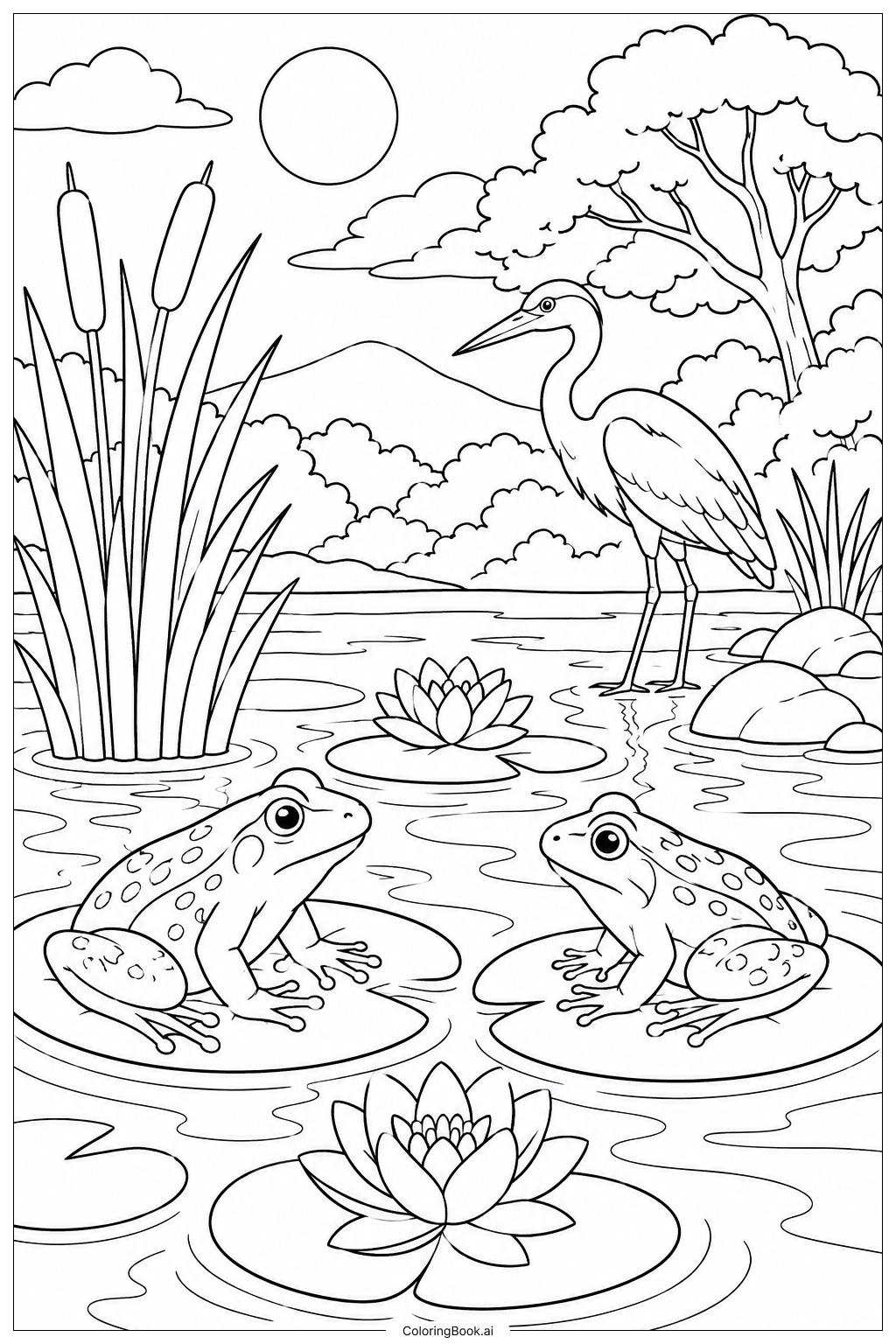
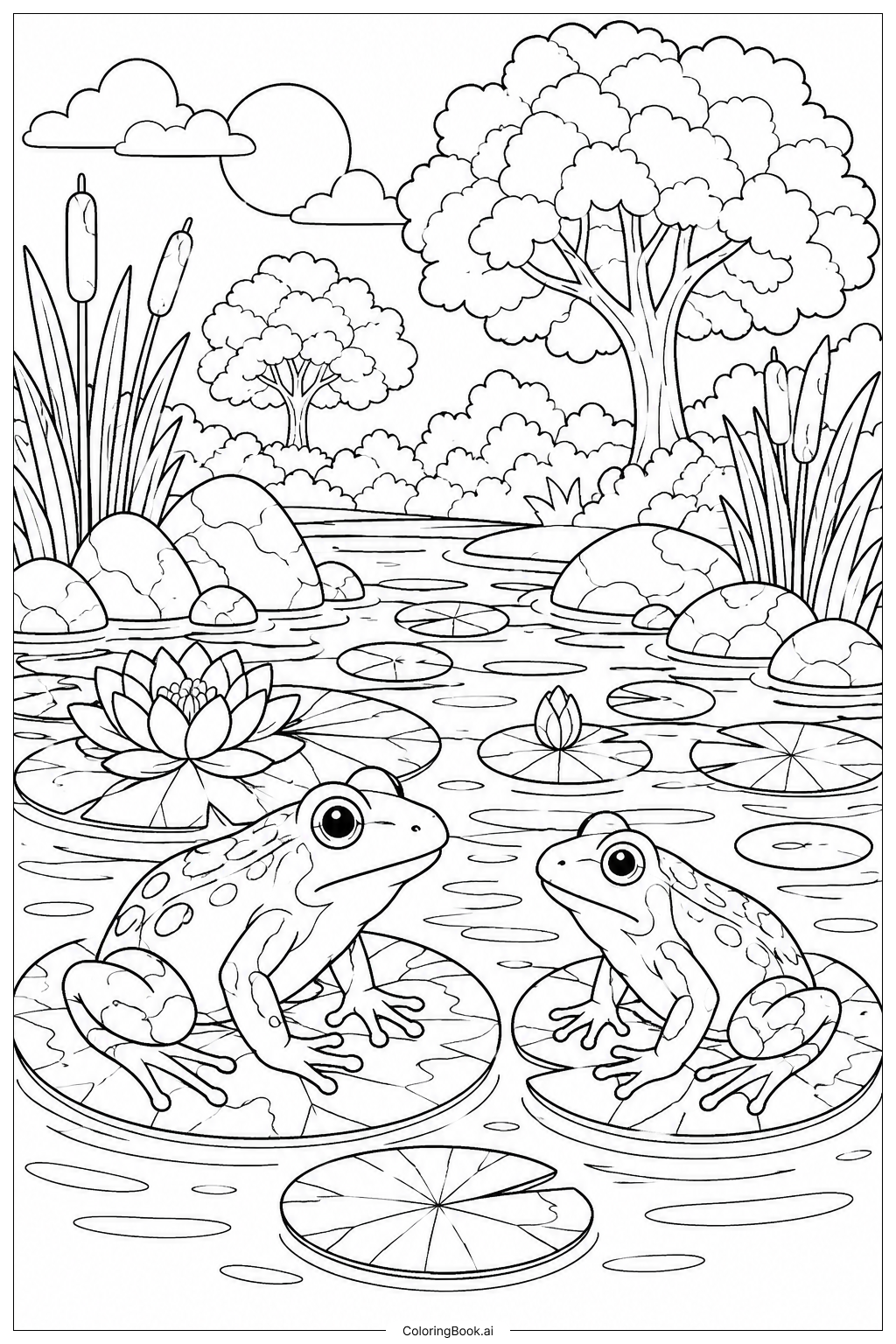
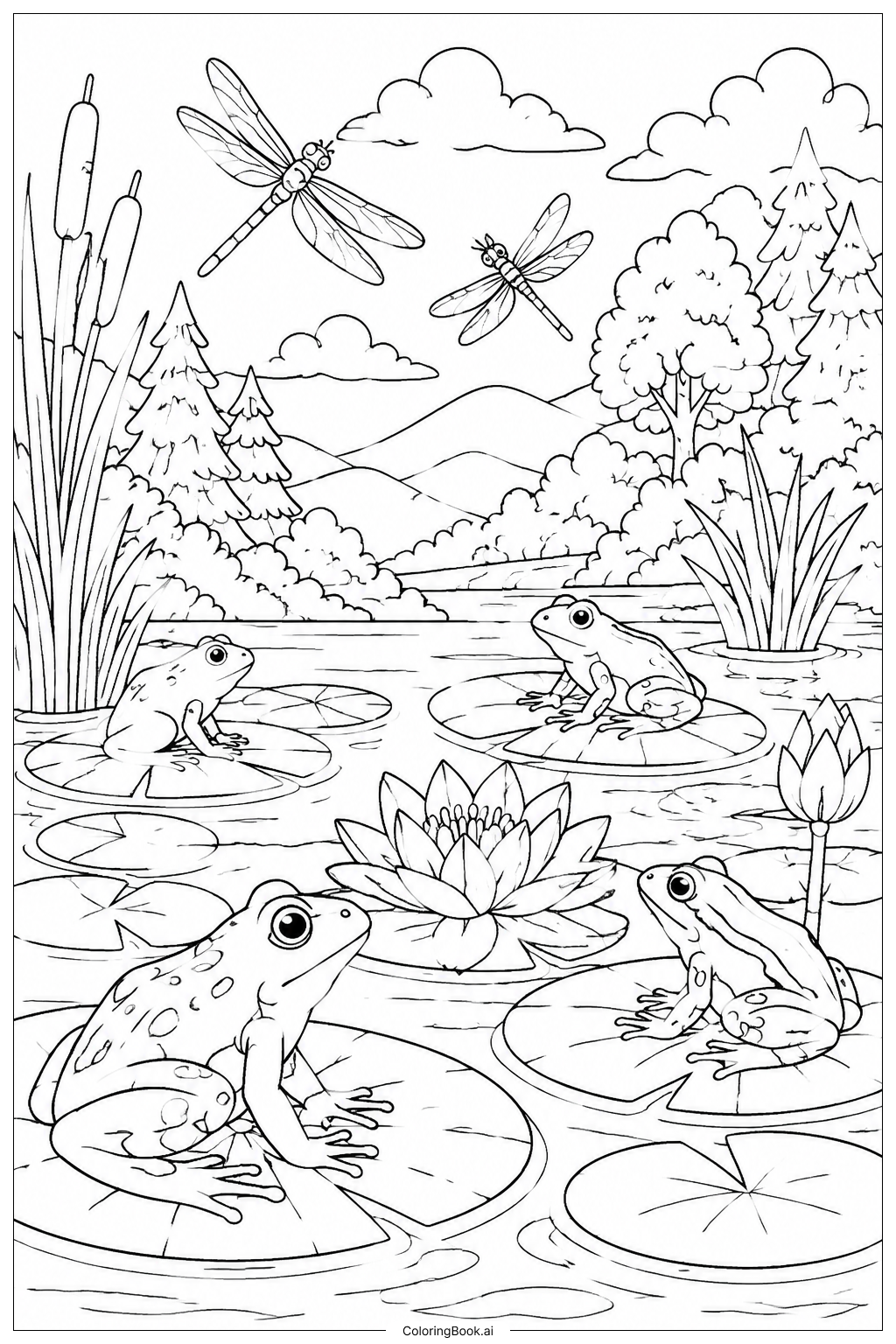
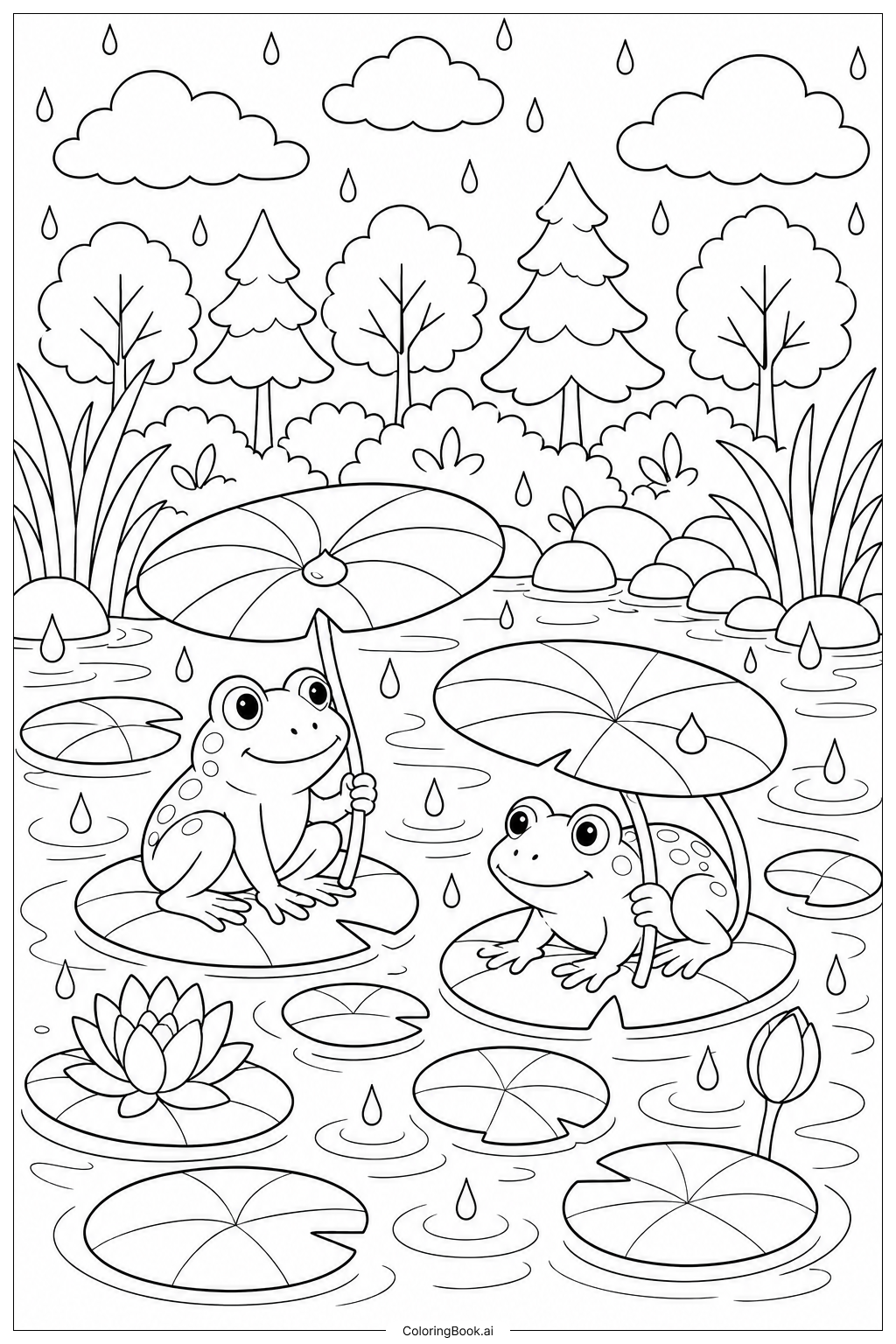
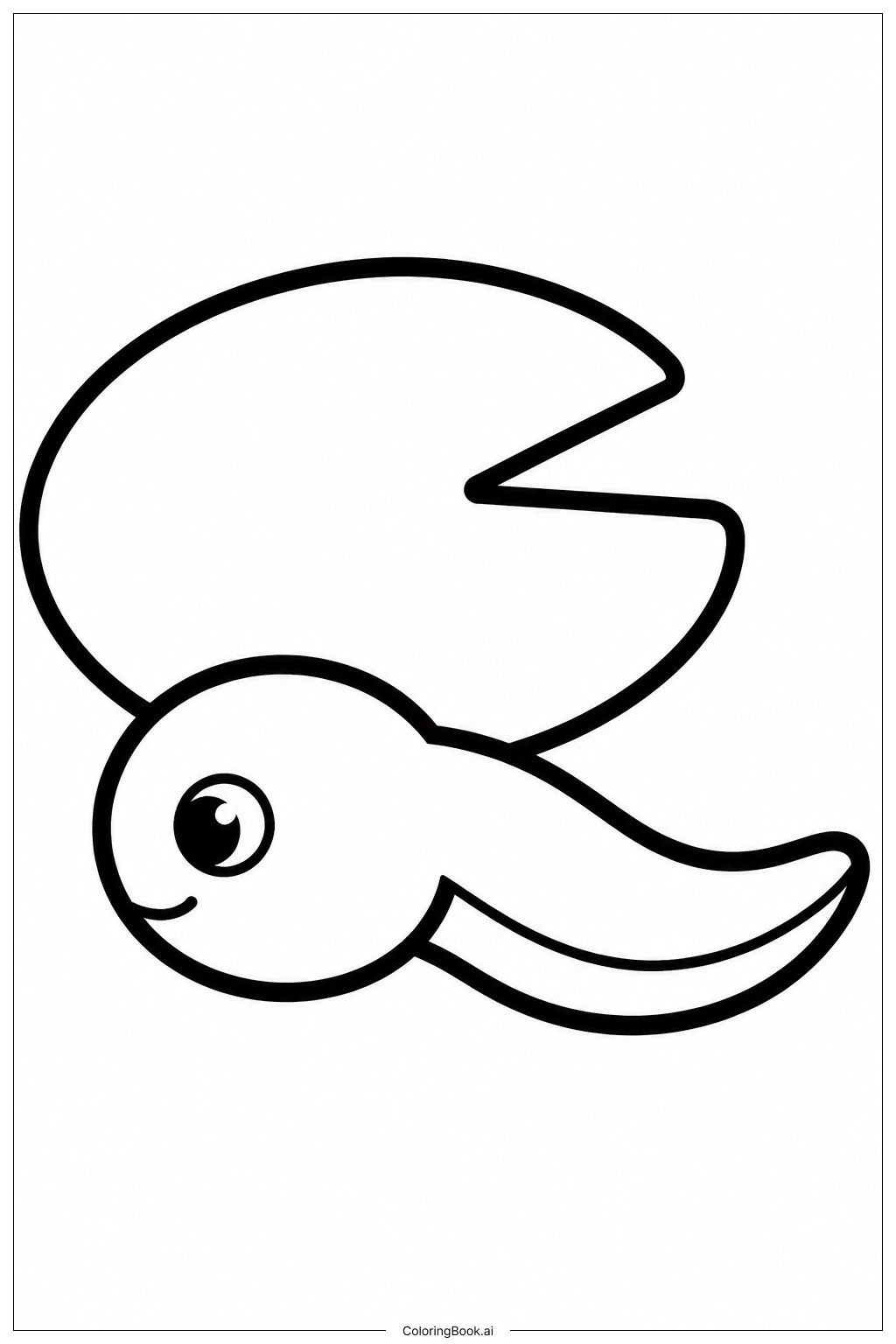
For this image, start by choosing vibrant greens for the Lily Pad. Use different shades of green to highlight the leaf’s veins and texture, from light lime green to deeper forest greens. The tadpole can be colored in dark tones like black, dark brown, or charcoal gray to give it a natural look. You might want to add some blue or teal tones around the pond water to bring a sense of freshness and depth. Consider using light blue or soft turquoise around the ripples to show the water’s gentle motion. You can also add small touches of yellow or light green for the tiny water plants. Keep the colors bright and lively to make the scene inviting, perfect for children to explore mixing colors and shading.
Coloring challenges: Which parts are difficult to color and need attention for Lily Pad Tadpole Nearby coloring page?
• Fine Details on the Lily Pad: The leaf’s veins and surface texture require careful coloring to show depth without overwhelming the image. Staying inside these fine lines might be challenging, especially for younger children. • Small Size of the Tadpole: The tadpole is quite small compared to the Lily Pad, which means coloring it with precision can be tricky. It calls for patience and a steady hand to avoid coloring outside the lines. • Shading Water Ripples: Capturing the water’s ripples and reflections convincingly needs smooth, subtle shading. This can be difficult because it requires blending colors gently to avoid harsh edges. • Balancing Realism and Creativity: Coloring natural elements like leaves and water can be challenging because you must decide between realistic colors and imaginative choices. Finding a good balance requires some thought. • Layering Colors: To make the Lily Pad and water appear lifelike, layering different shades and tones is necessary. This technique can be demanding for beginners who might find blending colors smoothly harder.
Benefits of coloring books: Advantages of drawing Lily Pad Tadpole Nearby coloring page
Coloring this image helps improve fine motor skills due to the delicate details on the Lily Pad and tadpole. It encourages children to observe natural shapes and textures, fostering appreciation for the environment. This activity supports creativity by allowing kids to experiment with different shades of green and blue, learning about color mixing and shading. The scene also introduces basic biology concepts, such as the life cycle of a frog, making coloring both fun and educational. Additionally, focusing on the small tadpole enhances concentration and patience, valuable skills for young artists. Overall, this image offers a calming, rewarding coloring experience that blends art with nature learning.