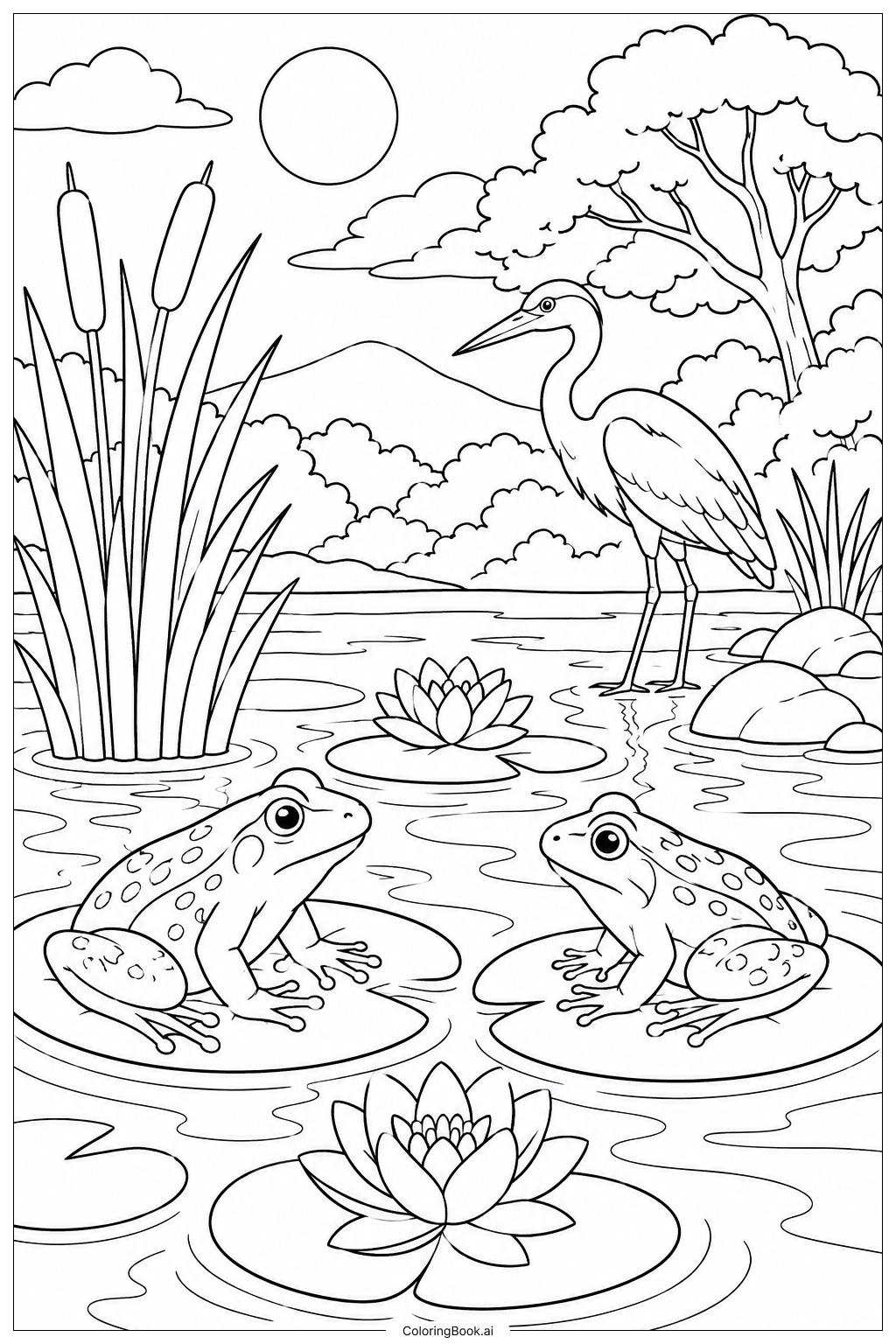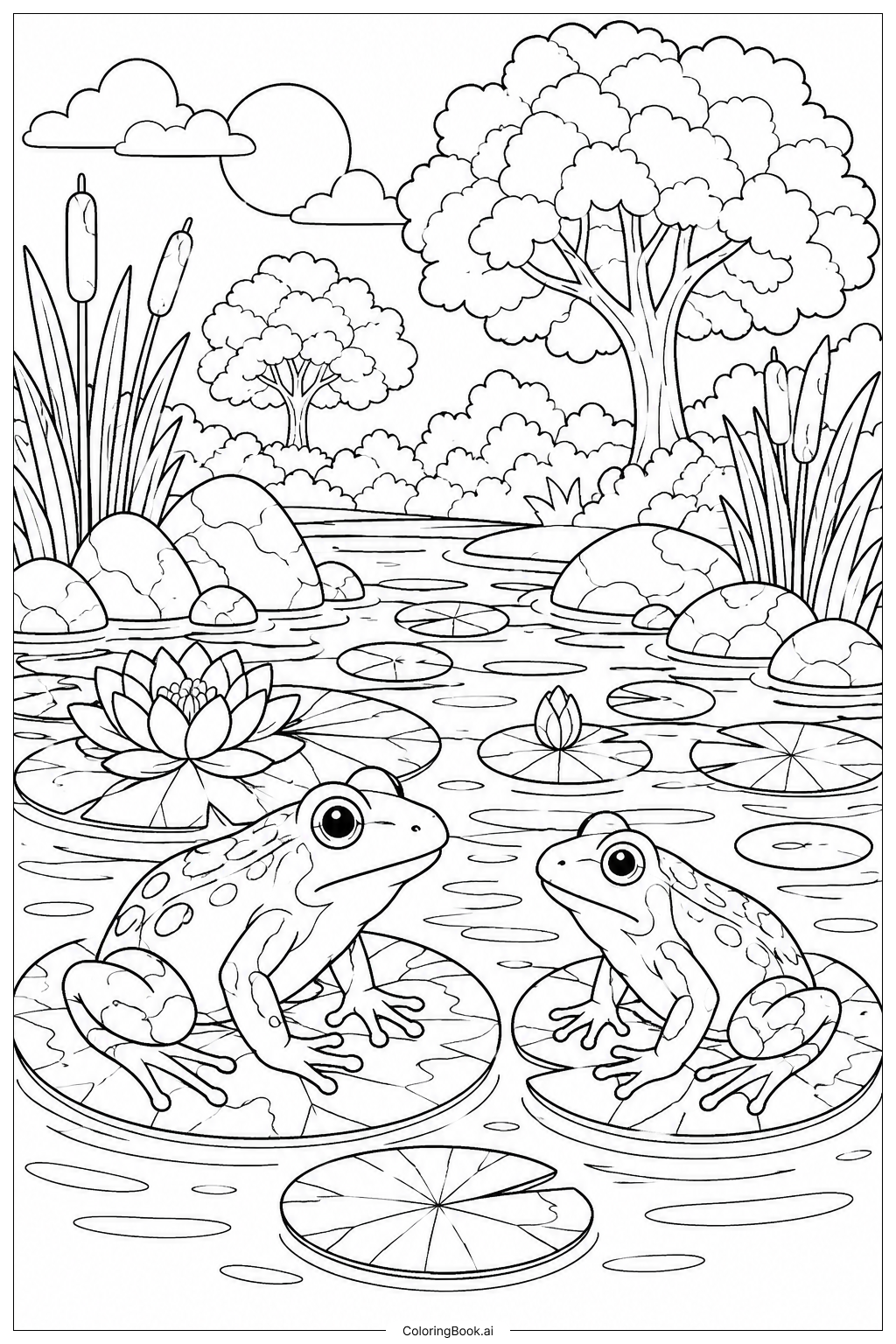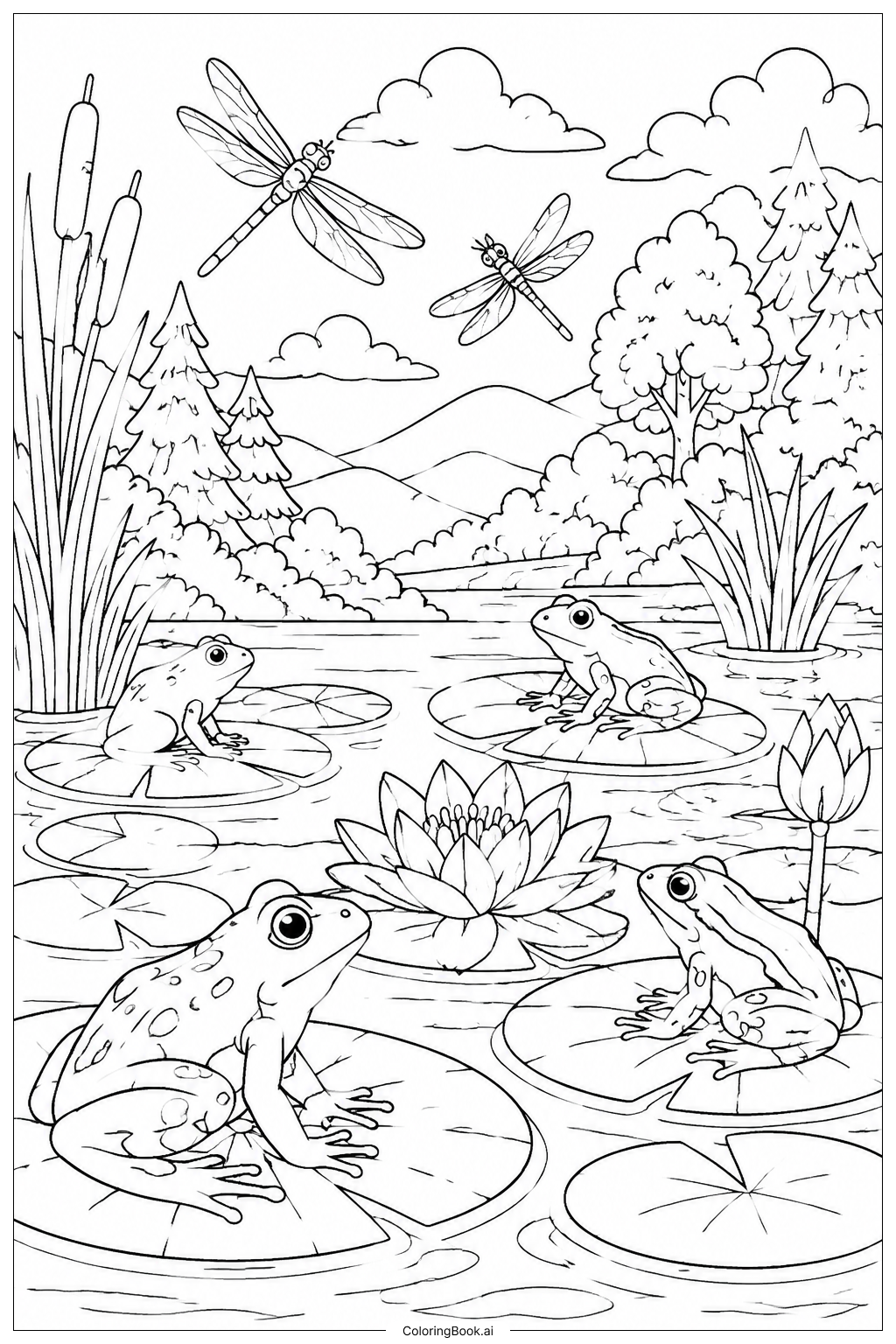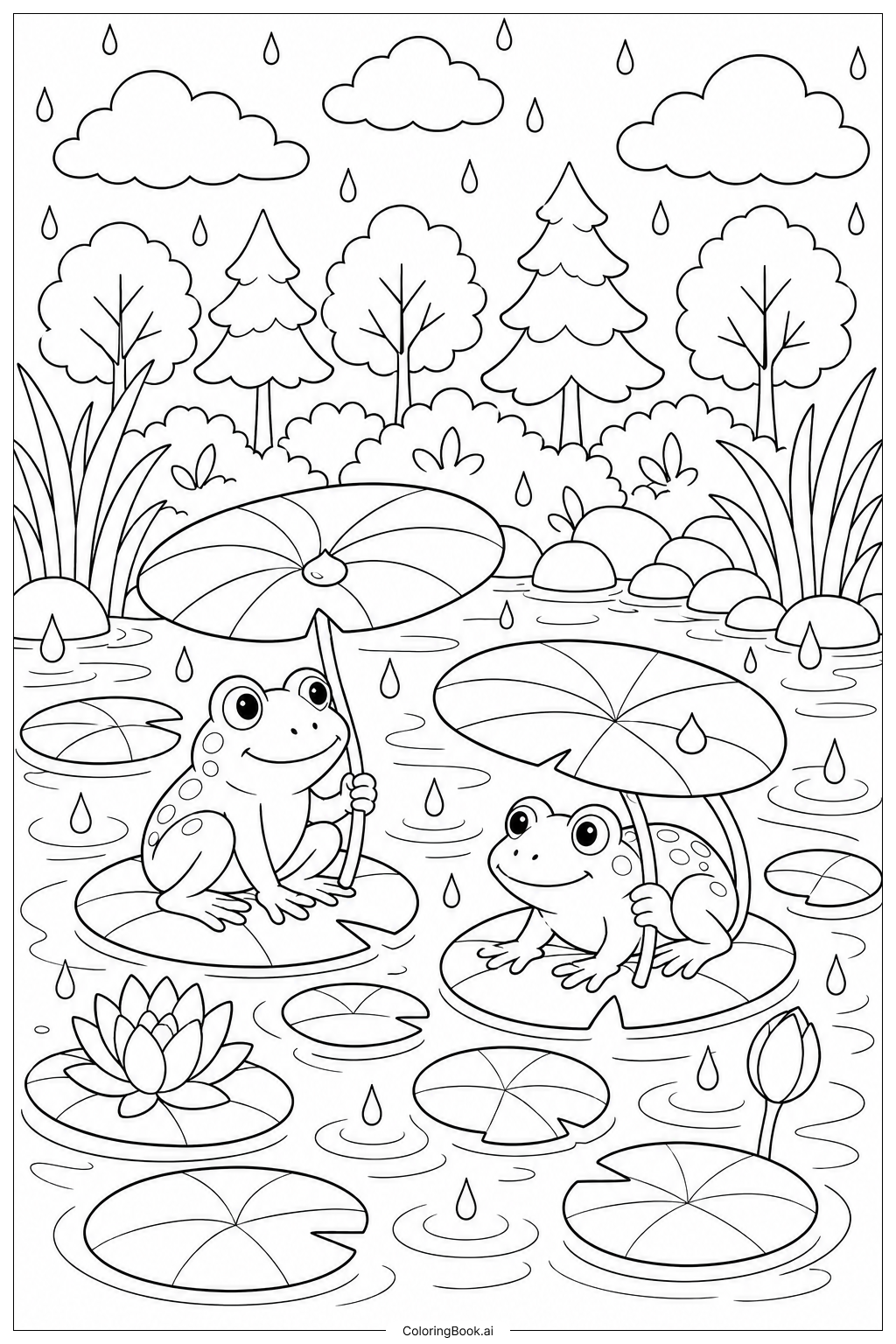
Coloring tips: How to color Lily Pad Simple Leaf coloring page well?
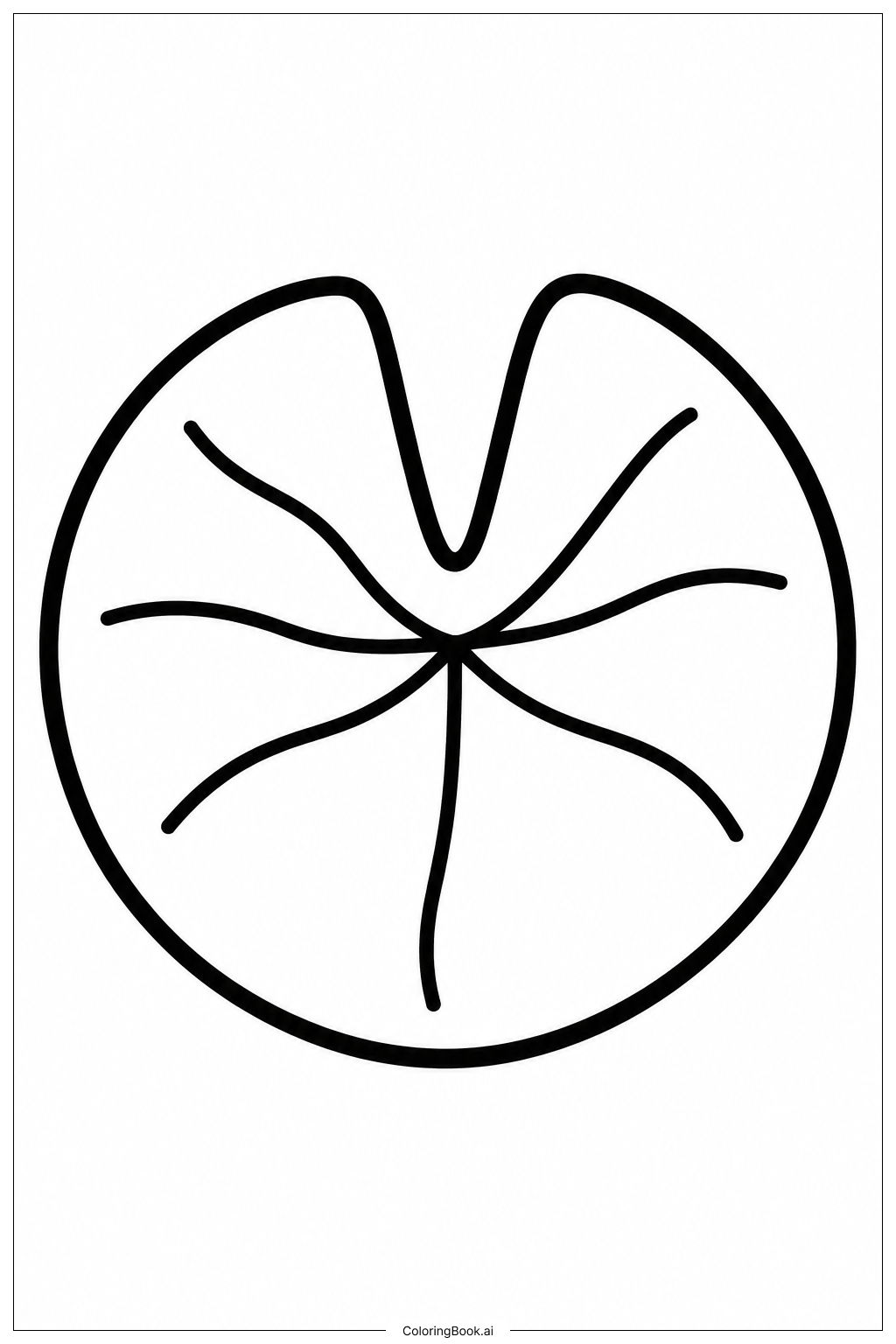
For this Lily Pad Simple Leaf, try using different shades of green to bring it to life. You can start with a bright green for the main body of the leaf. Then add darker green along the veins to give depth and show the leaf’s texture. To create a natural look, gently blend some light yellow-green around the edges where the sunlight might hit. You can also add a soft blue or turquoise background to suggest water beneath the leaf. Feel free to experiment by adding tiny touches of pink or red near the notch or leaf edges for extra interest. Remember to color smoothly and gently to keep the simple beauty of the leaf clear.
Coloring challenges: Which parts are difficult to color and need attention for Lily Pad Simple Leaf coloring page?
• Vein Detail: The leaf’s veins are narrow and spread out across the entire surface, which means you need a steady hand and fine control to color around them neatly without going over the lines.
• Smooth Gradient: To make the leaf look realistic, coloring a smooth gradient from dark to light green is a challenge, requiring careful blending of colors without harsh lines.
• Edge Definition: The curved edges and the single notch are important features and need precise coloring to keep their natural shape intact.
• Keeping Simplicity: Since the design is simple, adding texture and depth without overcrowding the image or making it look messy can be tricky.
• Maintaining Contrast: Coloring different parts with varying shades while keeping enough contrast so the veins stand out can be difficult, especially when using similar greens.
Benefits of coloring books: Advantages of drawing Lily Pad Simple Leaf coloring page
Coloring this Lily Pad Simple Leaf helps develop fine motor skills as it encourages careful, detailed work around the veins and edges. It promotes concentration because coloring the smooth gradients and subtle color changes requires focus. This simple yet detailed image inspires creativity in choosing different shades and blending techniques. It also teaches observation skills by encouraging attention to natural shapes and patterns found in nature. For children and beginners, it is a rewarding exercise that balances challenge and simplicity to build confidence in coloring skills.