Coloring tips: How to color Lily Pad Pond With Bridge coloring page well?
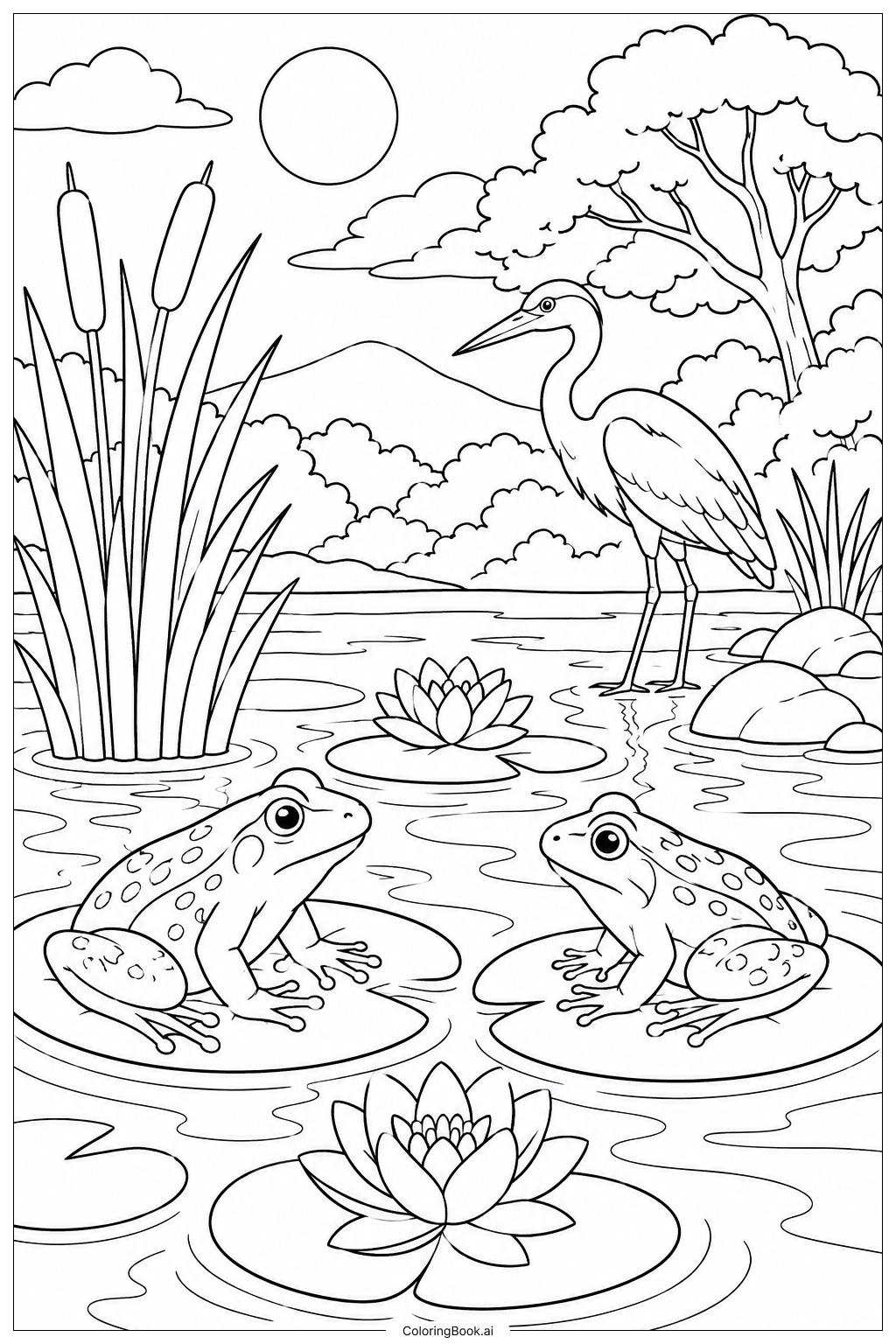
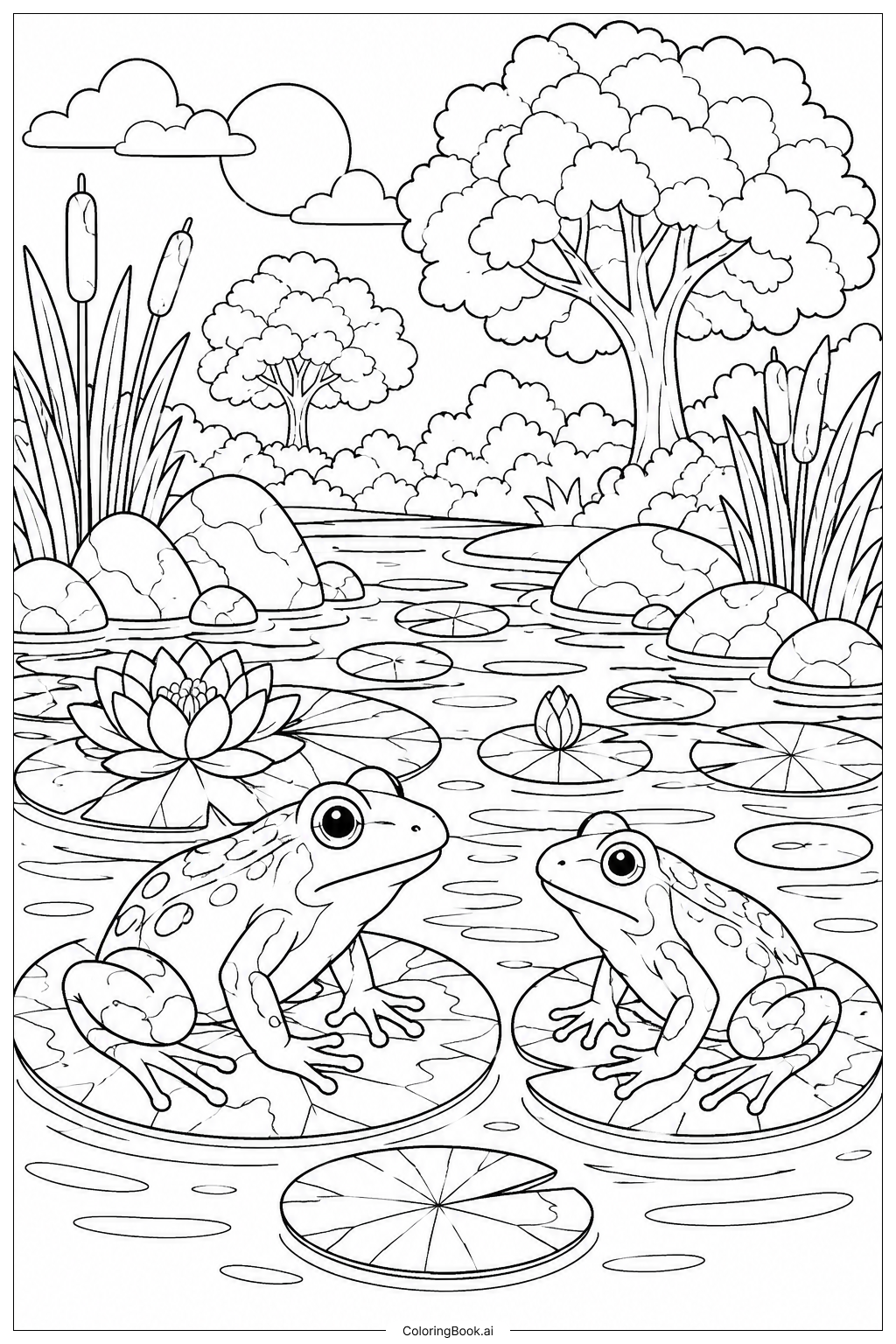
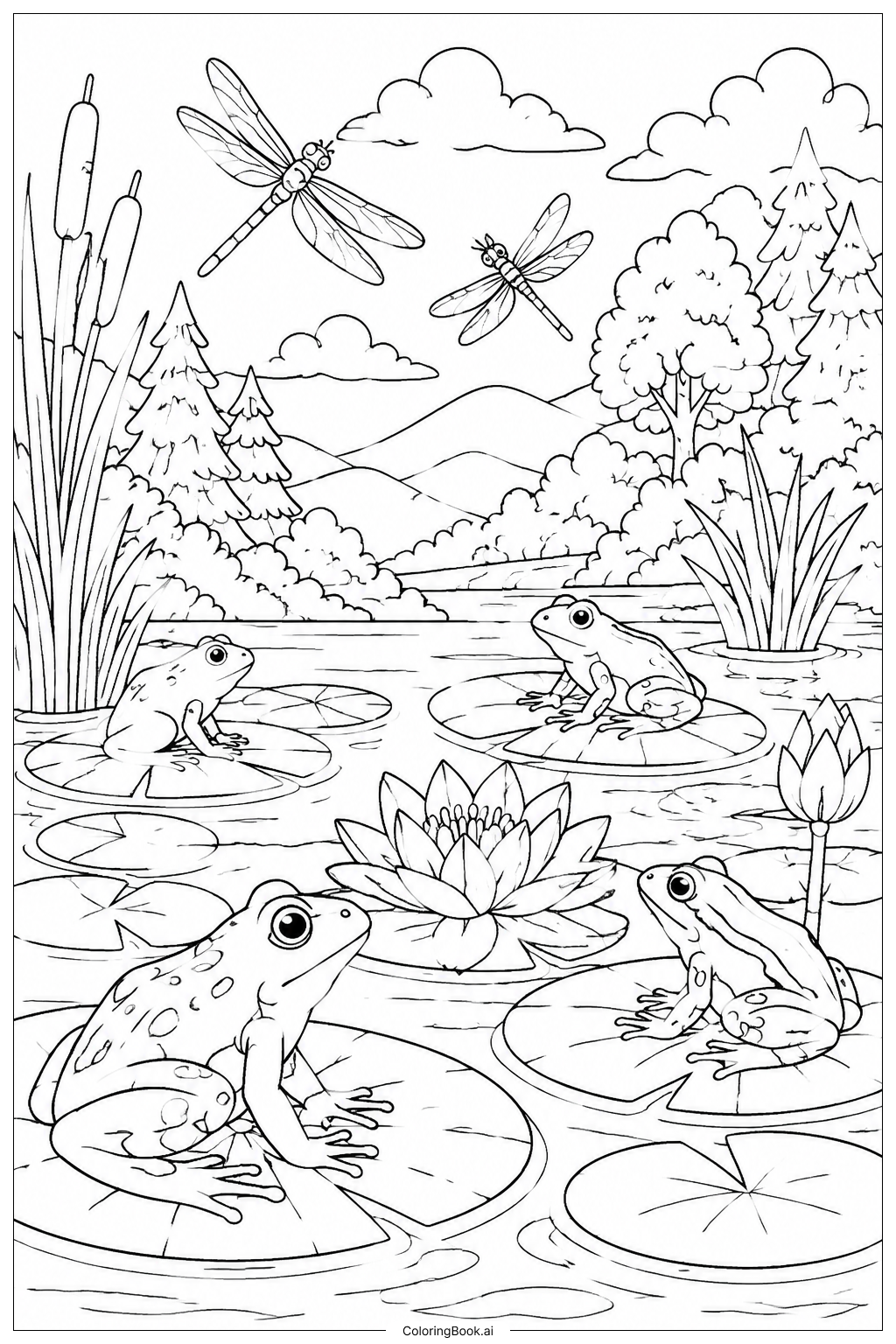
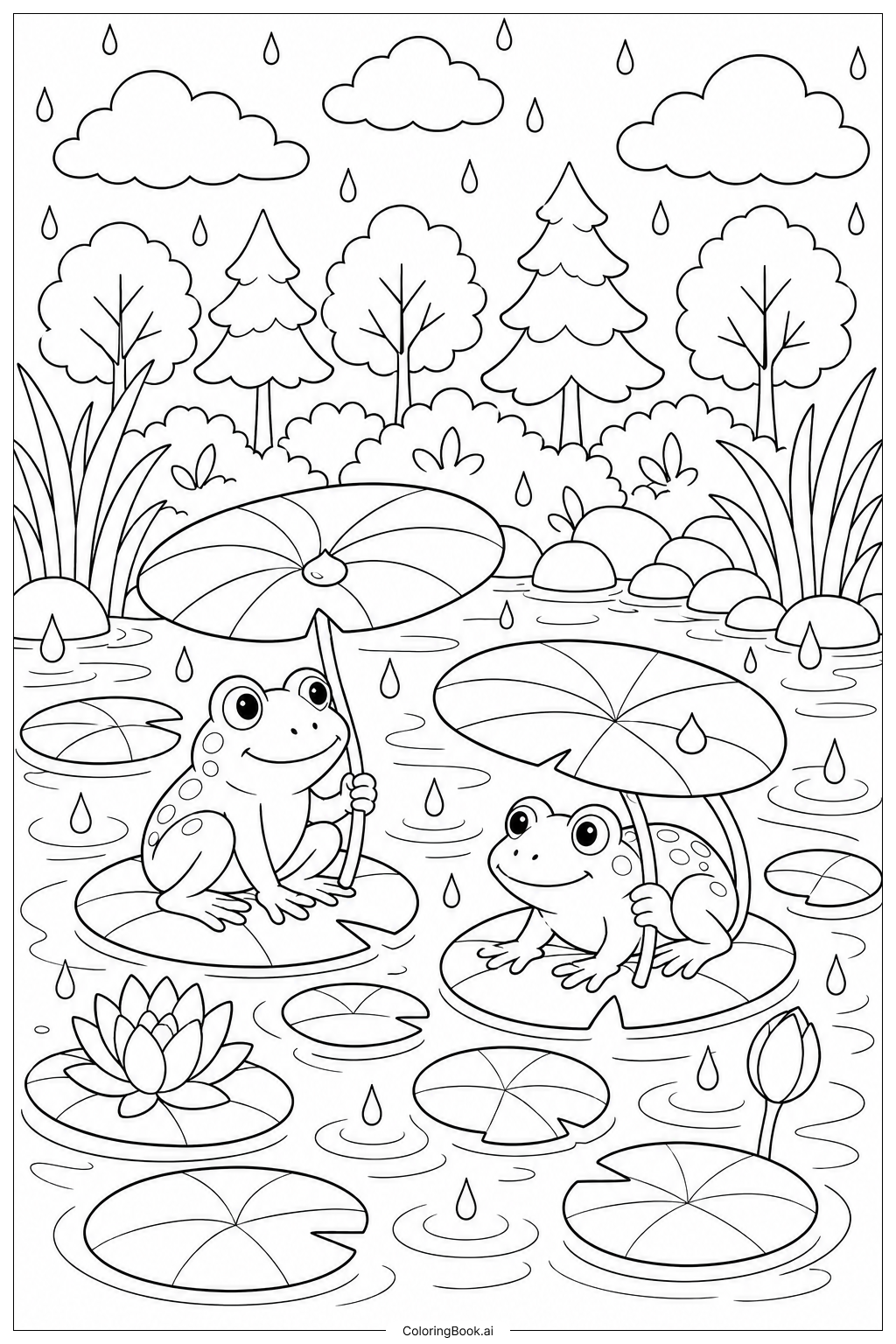
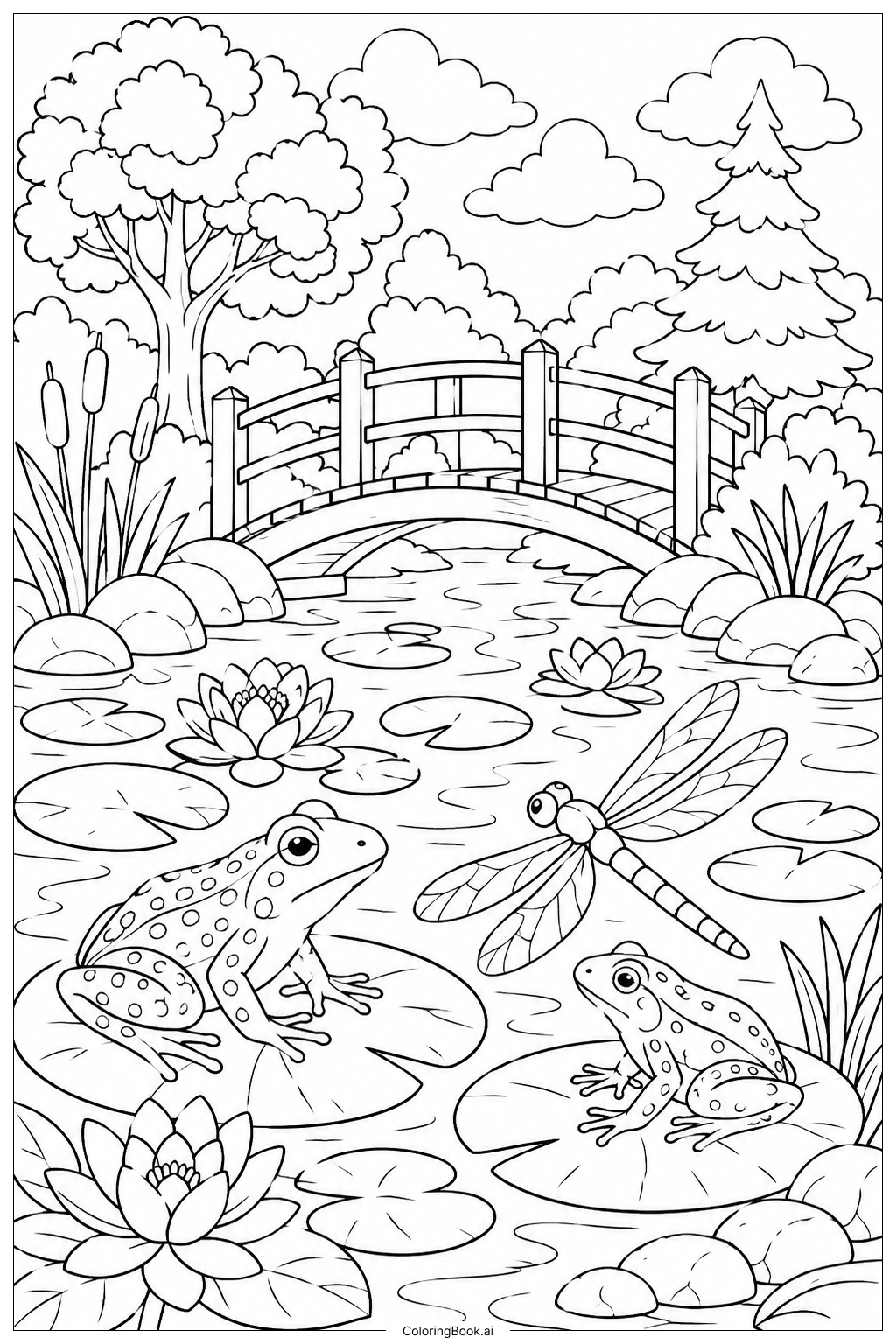
For coloring this Lily Pad Pond With Bridge, try using soft greens for the Lily Pads and a variety of shades from light to dark to make them look more natural. Use bright colors like pink, white, or yellow for the flowers on the pads. The wooden bridge can be colored with browns and tans, and adding some shadows with darker browns will make it appear sturdy and three-dimensional. The water can be different blues or even a gentle gray to show reflections. The grasses and reeds around the pond can use greens and yellows. Feel free to add little details like small insects or fish in the water to bring the scene to life. Keep your strokes gentle to match the calm mood of the image.
Coloring challenges: Which parts are difficult to color and need attention for Lily Pad Pond With Bridge coloring page?
• Small Details: The Lily Pads and flowers contain many small parts like petals and leaves that require careful coloring to keep them distinct and neat. Staying within the lines in these areas can be challenging.
• Water Texture: Representing the water ripples and reflections around the pads might be tricky, as you need to show transparency and movement without using colors that are too heavy or dark.
• Bridge Structure: The bridge’s wooden planks and curved shape need careful shading to look realistic. Uneven coloring can make it appear flat rather than three-dimensional.
• Overlapping Elements: Some Lily Pads overlap or layer over others and over the water surface. Choosing colors that separate each element visually without clashing requires attention.
• Natural Colors: Balancing natural greens, browns, and flower colors while maintaining vibrancy can be difficult. Too much blending may reduce the crispness of the image.
Benefits of coloring books: Advantages of drawing Lily Pad Pond With Bridge coloring page
Coloring this Lily Pad Pond With Bridge picture helps improve fine motor skills as children practice coloring within the small spaces of flowers and pads. It encourages observation and creativity by requiring attention to natural details like leaf shapes and water reflections. The image also promotes relaxation due to its calm and peaceful theme. Coloring wooden textures and water effects builds understanding of shading and texture techniques, advancing artistic skills. For young learners, it fosters concentration and patience while enjoying a beautiful outdoor scene.