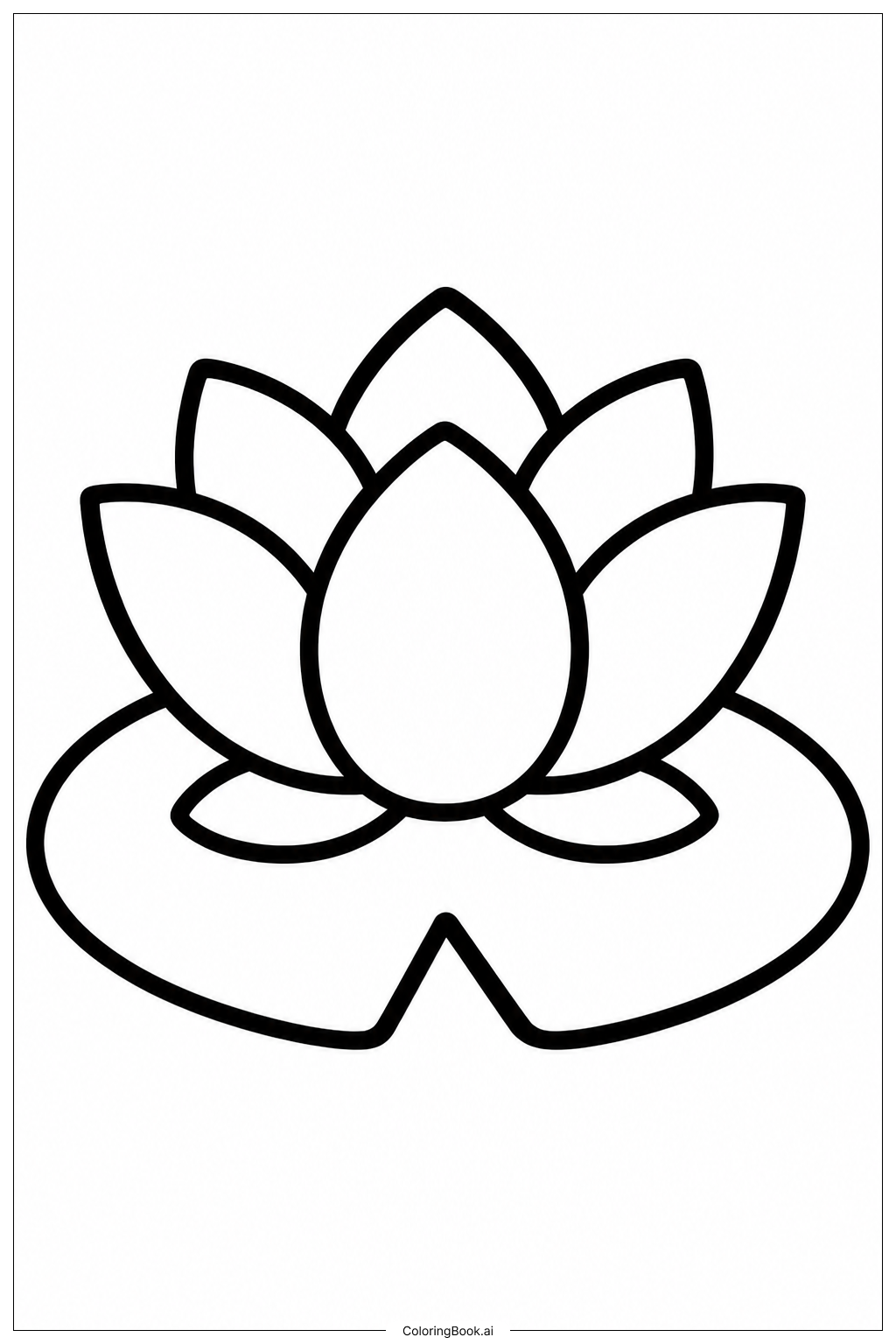
Coloring tips: How to color Lily Pad Lotus Blossom coloring page well?
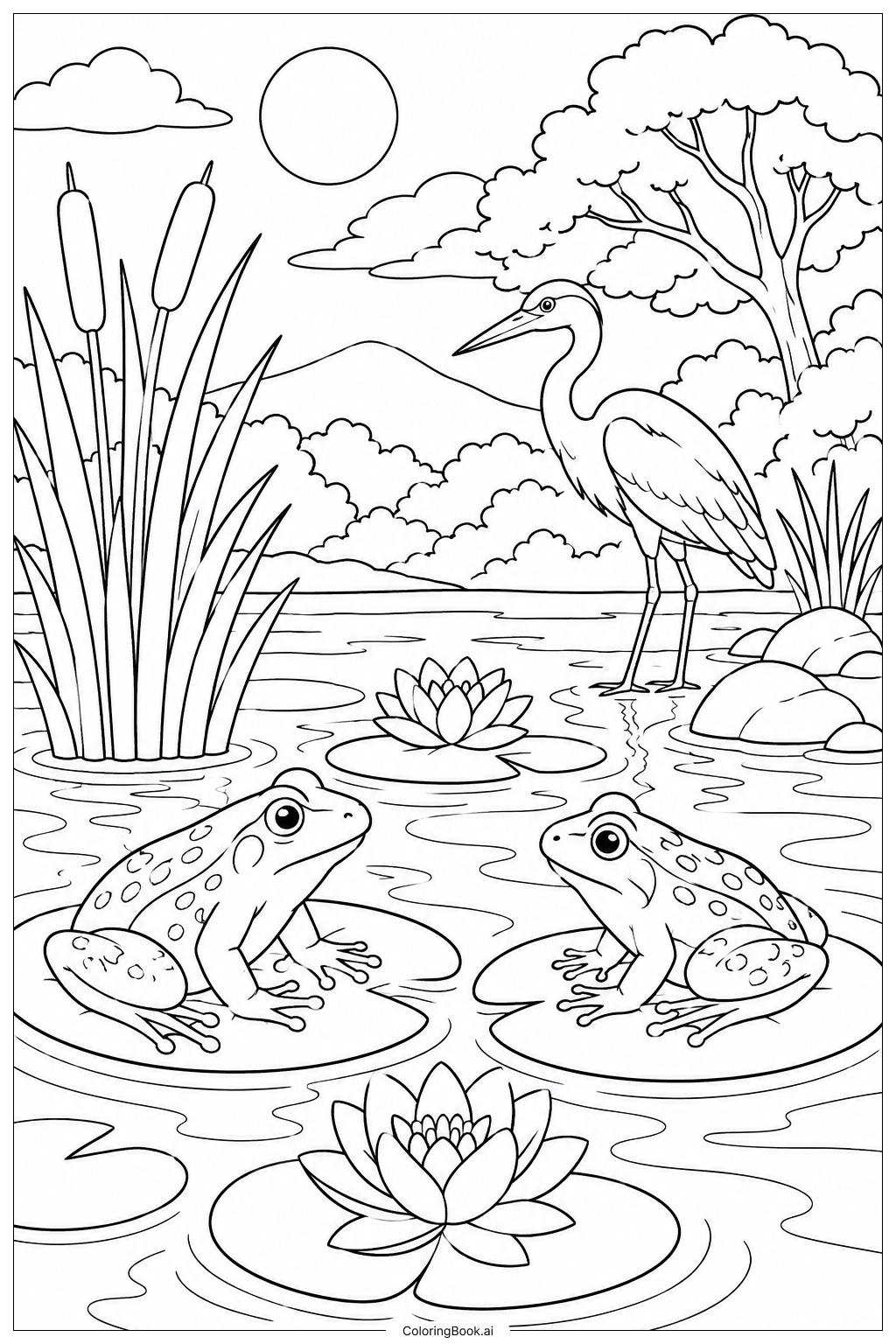
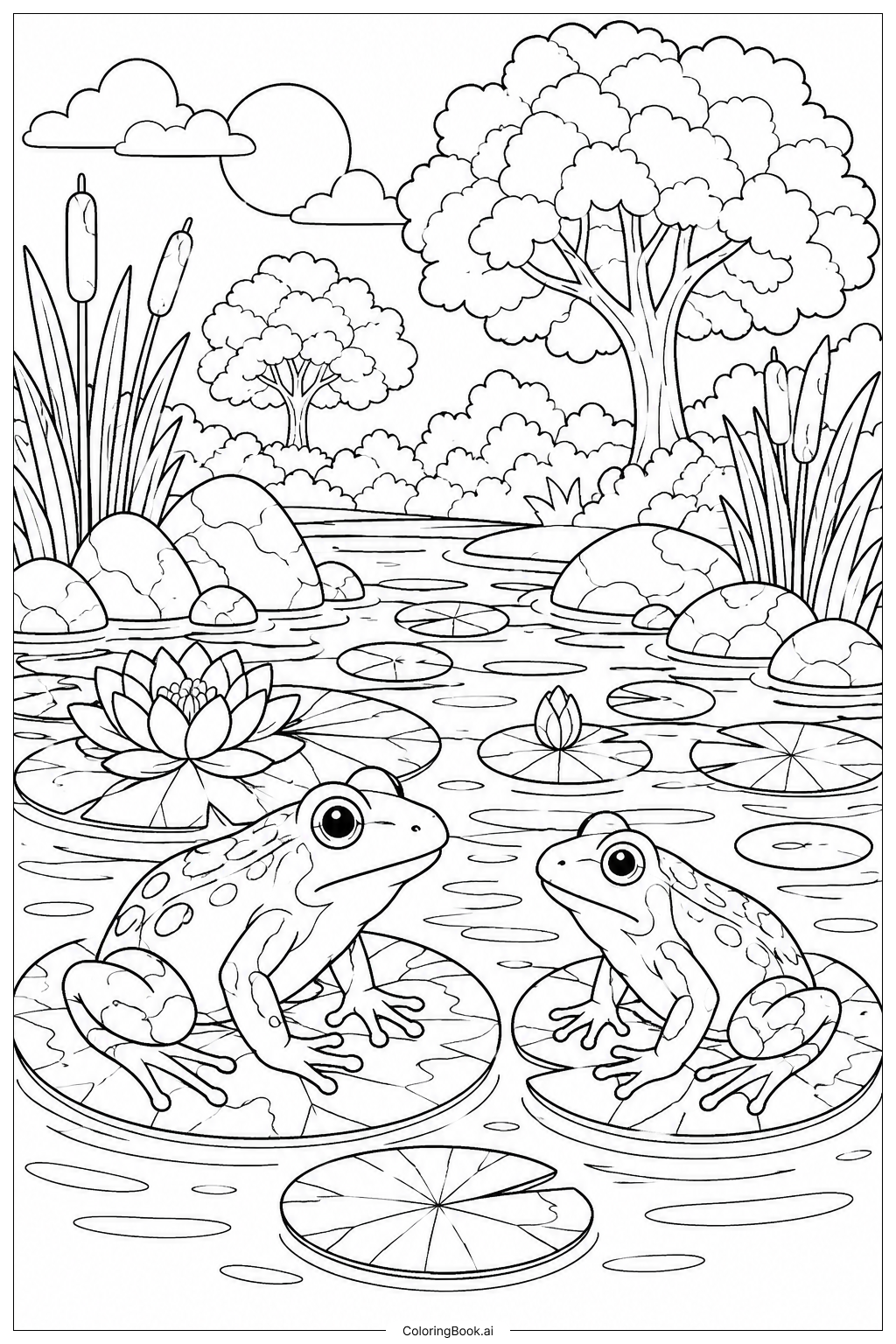
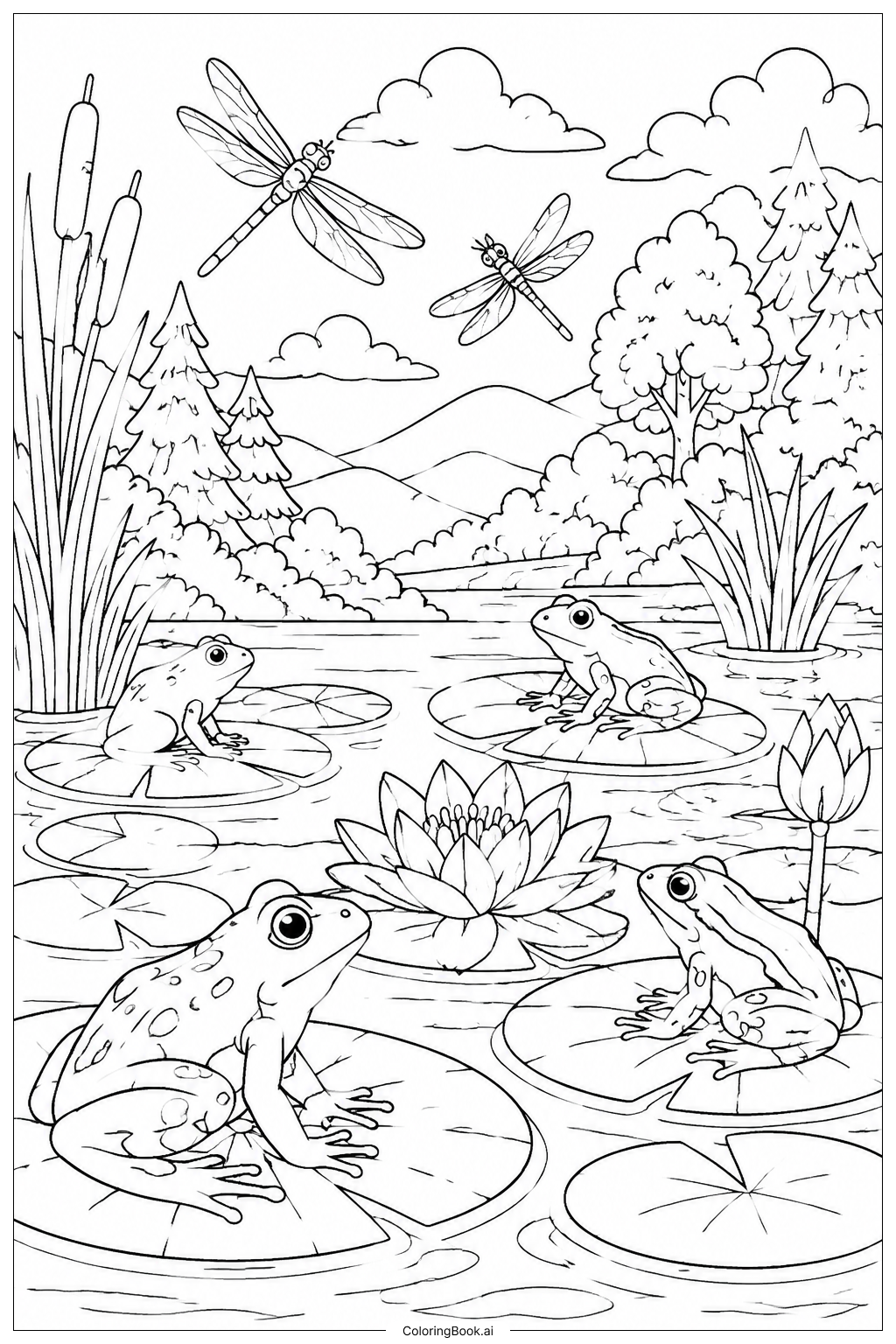
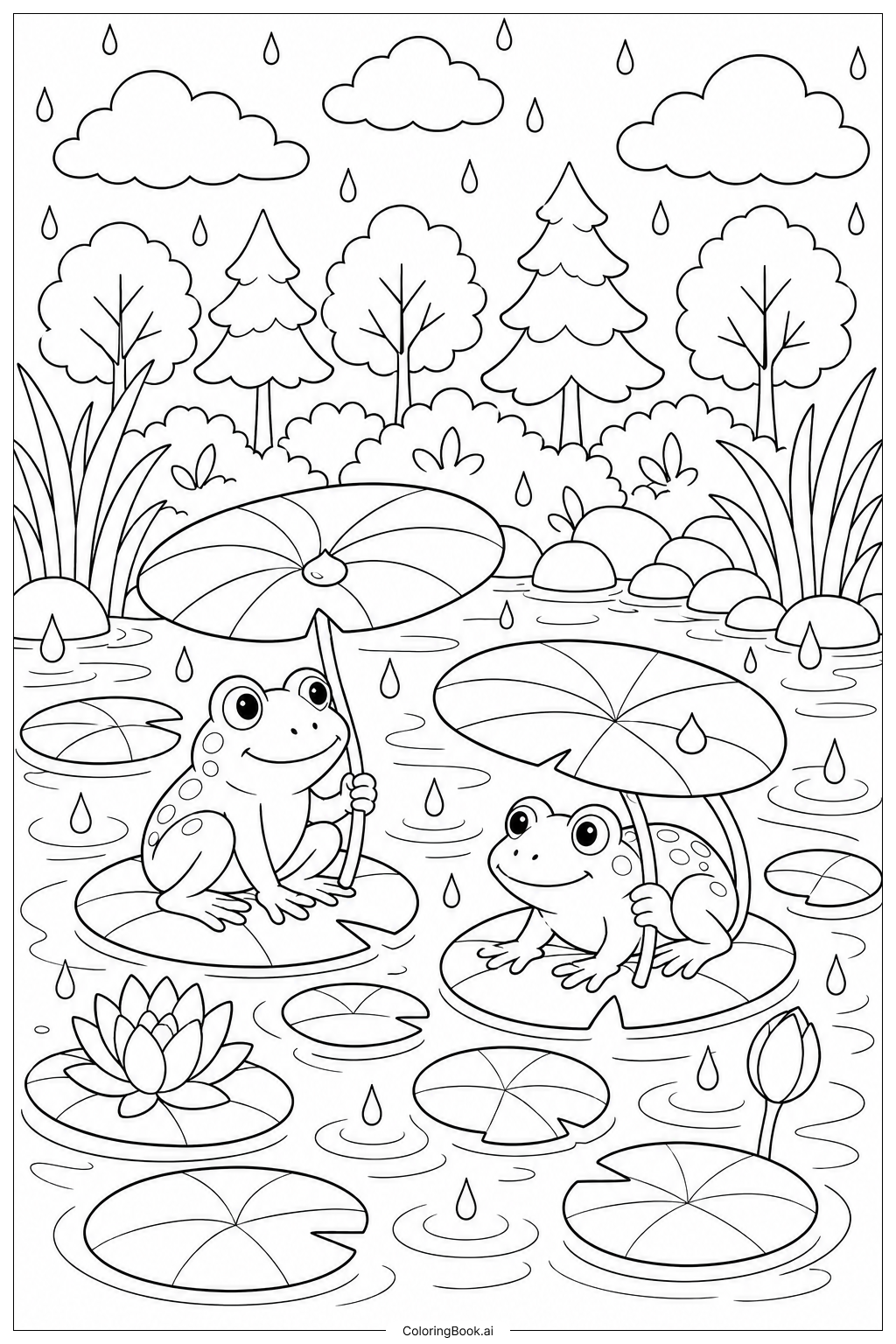
For this Lily Pad Lotus Blossom image, use soft green shades for the Lily Pad leaves to give them a fresh and natural look. You can mix light and dark greens to show the leaf veins and texture. For the Lotus Blossom, use pinks, whites, or pale purples to reflect the flower’s delicate petals. Try blending colors gently on each petal to show their softness. Color the water with blues and hints of teal or turquoise to create a calm, inviting pond background. Adding a touch of light blue or white highlights on the water can give a sense of sparkle or reflection. You can also use yellow or orange tones near the flower’s center to add warmth and contrast.
Coloring challenges: Which parts are difficult to color and need attention for Lily Pad Lotus Blossom coloring page?
• Petal Texture: The Lotus Blossom has many overlapping petals with fine details. Coloring each petal evenly while showing their layers can be challenging. It requires careful shading to bring out depth without making it look flat or messy.
• Leaf Veins: The Lily Pad has veins that need to stand out to look natural. Maintaining clear lines for the veins while filling the leaf with color takes patience and precision.
• Water Ripples: The subtle ripples around the Lily Pad may be difficult to color realistically. Using gradients or blending is needed to create a smooth water effect without harsh lines.
• Color Blending: Blending colors gently on petals and water requires good control of pressure and color transitions to achieve a soft, natural look.
• Balancing Contrast: Ensuring the Lotus Blossom stands out as the focal point without overpowering the serene background can be tricky. It involves managing light and dark tones carefully.
Benefits of coloring books: Advantages of drawing Lily Pad Lotus Blossom coloring page
Coloring this Lily Pad Lotus Blossom image encourages focus and patience as you work on detailed petals and textures. It helps improve fine motor skills by practicing precise strokes within small areas like veins and water ripples. This activity also boosts creativity as you experiment with blending colors for a natural effect on leaves and petals. Additionally, coloring natural scenes like this promotes relaxation and mindfulness, inviting a calm and peaceful state of mind. Finally, completing the image gives a sense of accomplishment and pride in capturing the beauty of a serene pond flower.