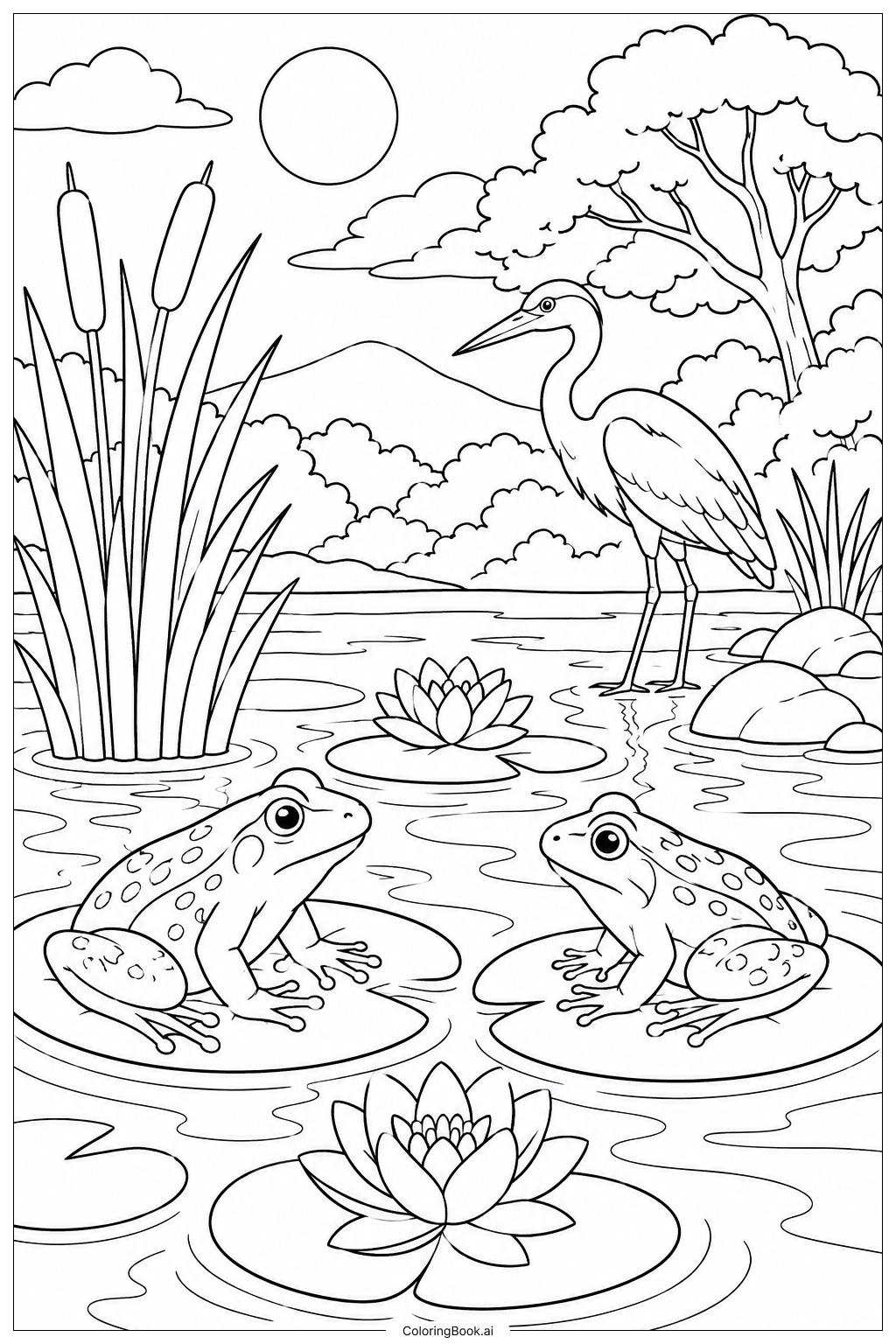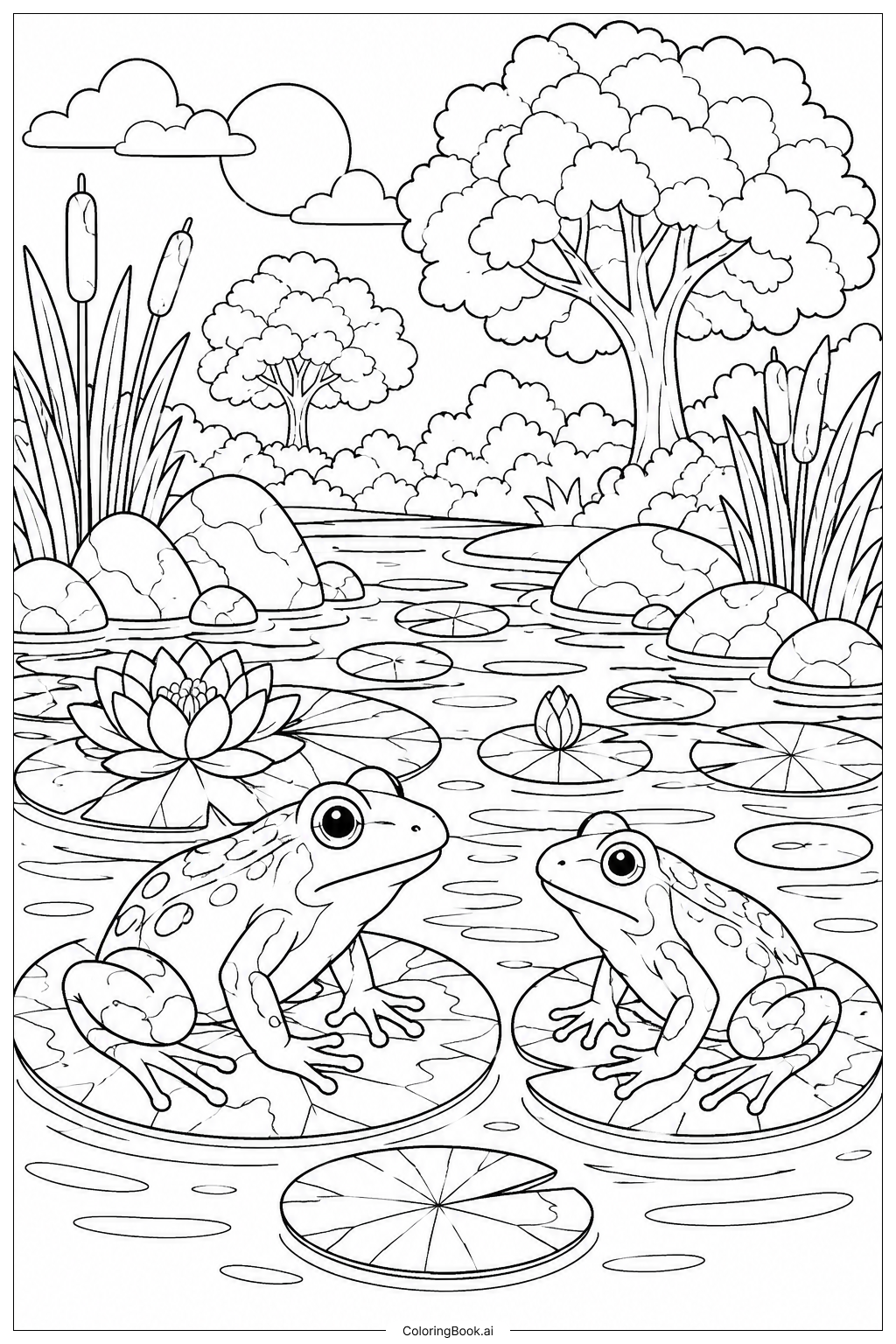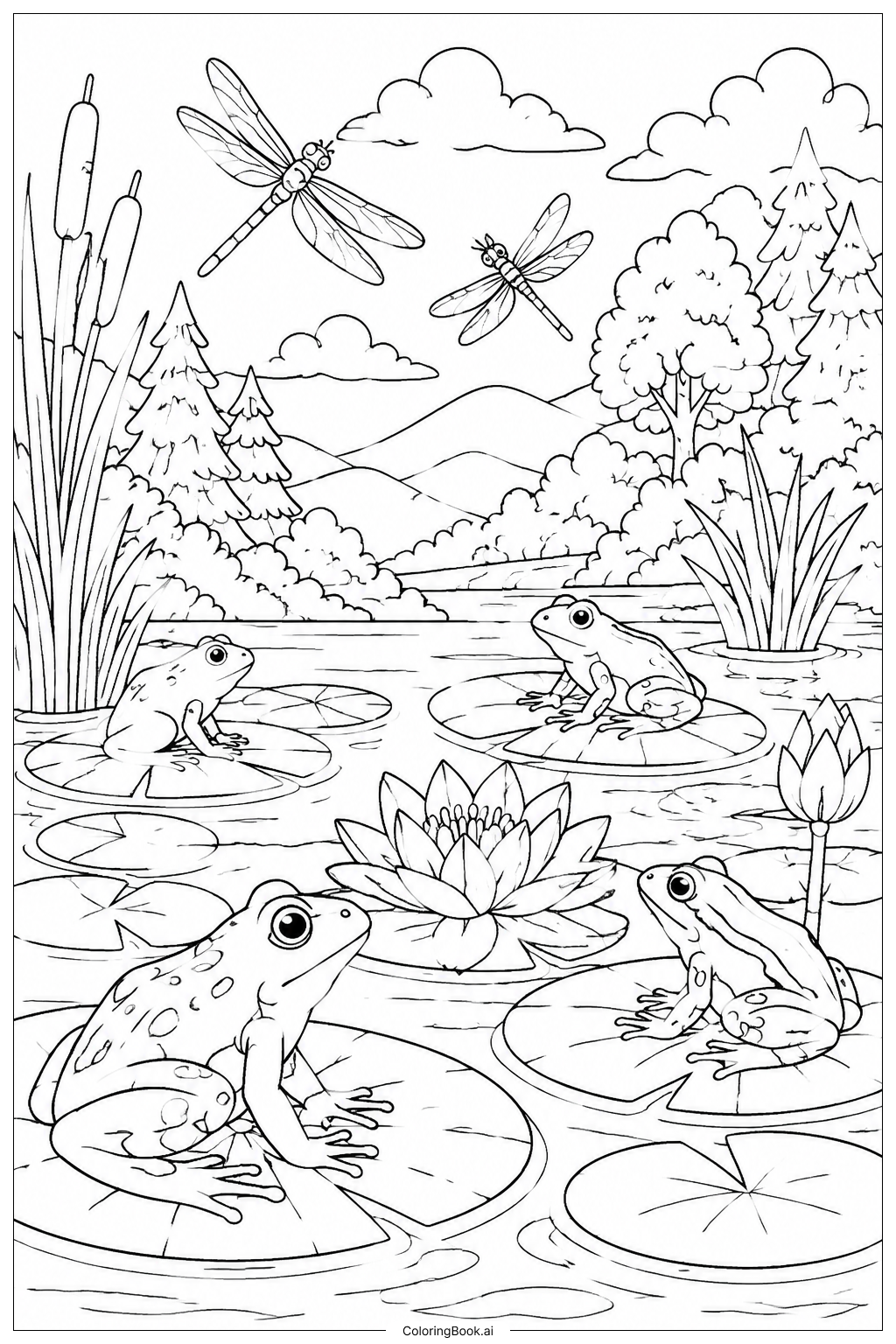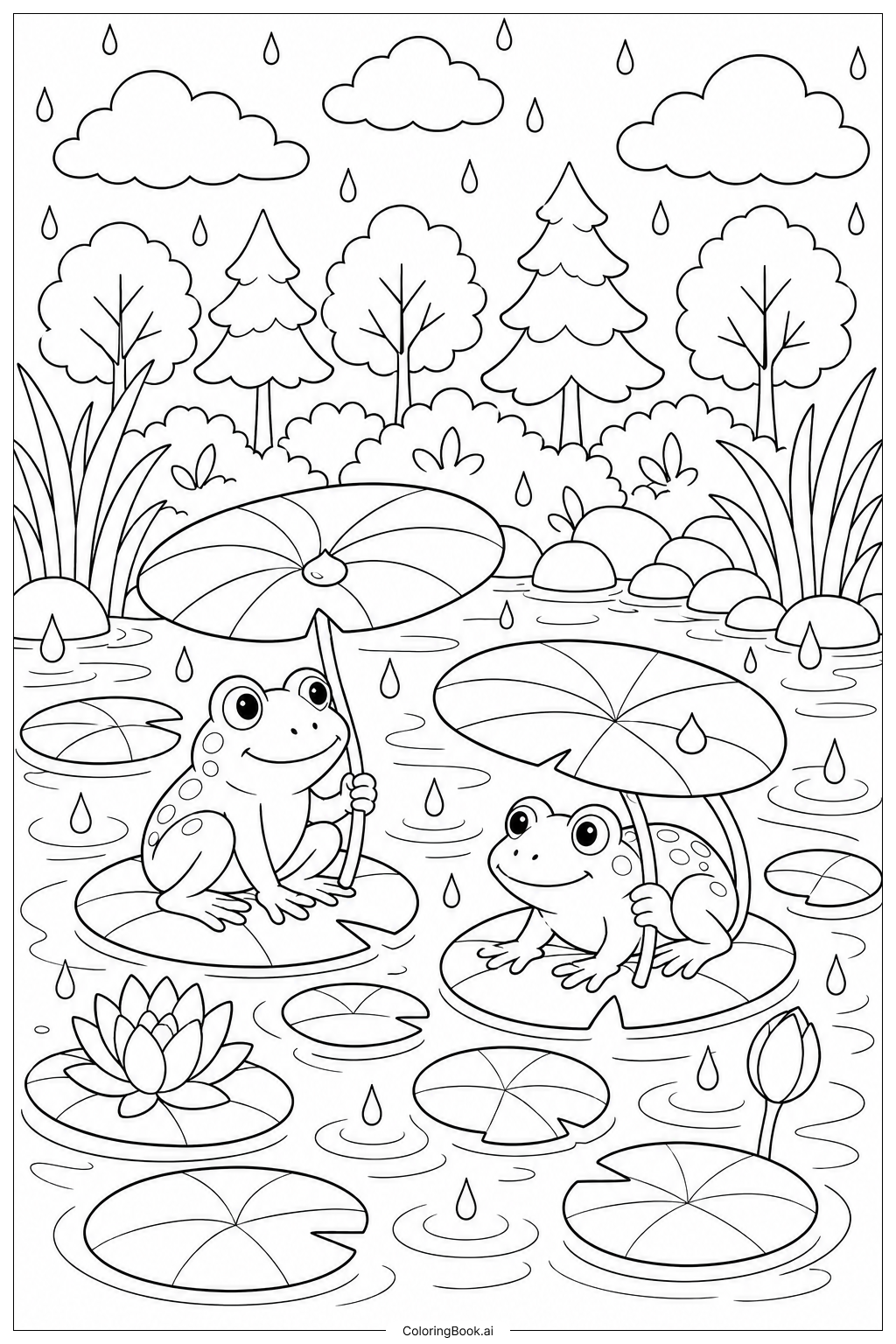
Coloring tips: How to color Lily Pad Lotus And Reeds coloring page well?
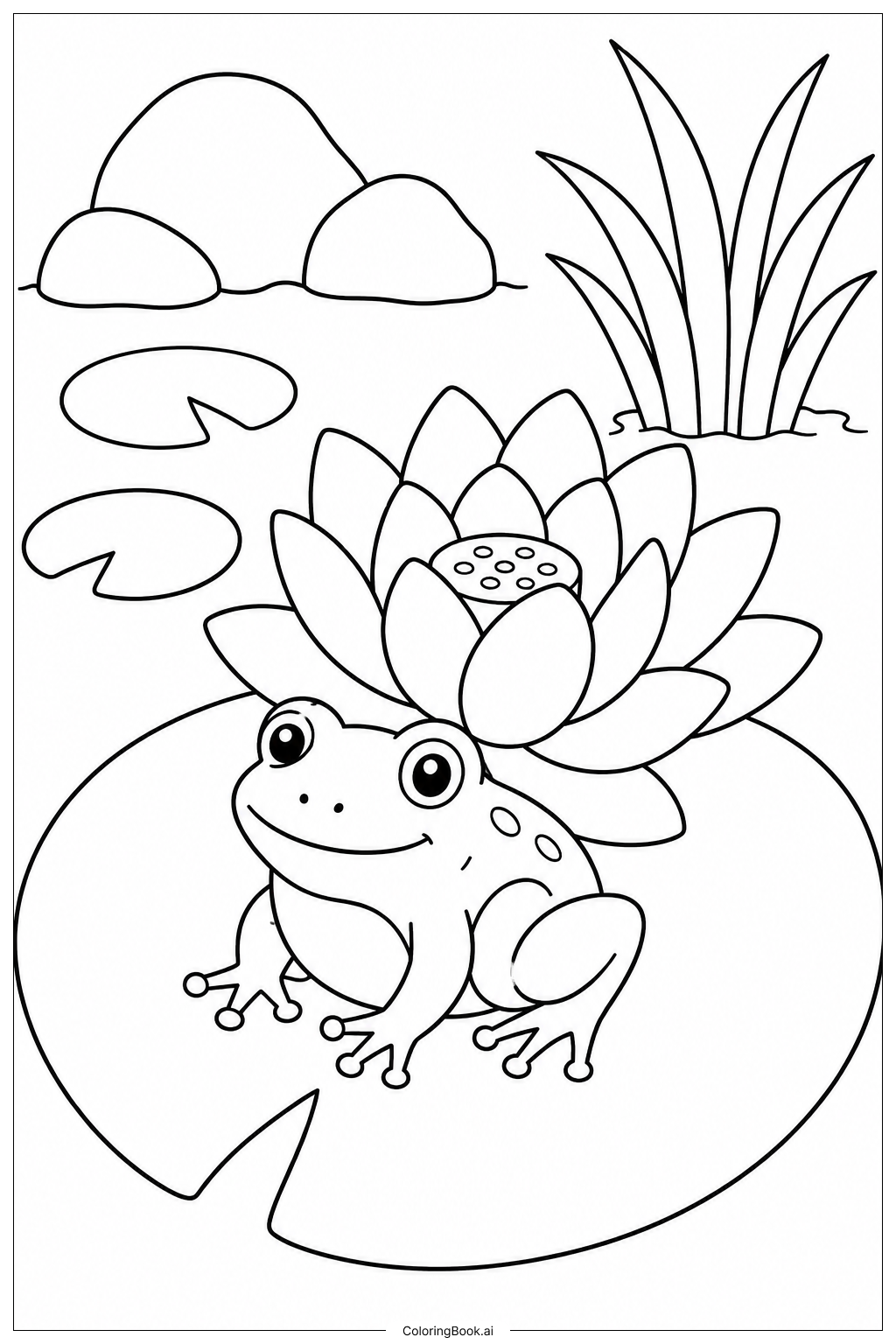
For this image, you can use several shades of green to color the Lily Pads and reeds, from light to dark. Try bright green for fresh leaves, and darker green for shaded areas. The lotus flowers can be soft pink, white, or even pale yellow to show their delicate beauty. Use light blue or turquoise for the water, adding some ripples in lighter colors to show movement. You can also add hints of brown or beige at the base of the reeds for more realism. Feel free to experiment with blending colors to create depth on the leaves and petals. Coloring this scene with soft and natural tones will capture the quiet, peaceful feel of a pond habitat.
Coloring challenges: Which parts are difficult to color and need attention for Lily Pad Lotus And Reeds coloring page?
• Plant textures: Coloring the varied textures of Lily Pads, lotus petals, and reeds can be challenging. Lily Pads have smooth, rounded surfaces, while lotus petals are delicate and slightly translucent. Reeds are thin and upright, needing careful strokes.
• Color blending: To make the scene look natural, blending different shades of green and pink is important. This requires some control over color transitions to avoid flat areas.
• Detail work: The thin stems of the lotus flowers and slender reeds demand precise coloring to stay within the lines and maintain clarity.
• Water effects: Depicting the gentle ripples on the pond surface needs patience. Using lighter and darker shades to suggest movement without over-coloring is tricky.
• Composition balance: Ensuring colors balance well across the entire image so no part feels too heavy or too empty takes a thoughtful approach to color placement.
Benefits of coloring books: Advantages of drawing Lily Pad Lotus And Reeds coloring page
Coloring this image helps children develop fine motor skills by practicing careful strokes around thin stems and petals. It encourages attention to detail through blending different shades and working on textures. The peaceful pond scene also promotes creativity and imagination as children choose colors to bring the plants and water to life. Moreover, working with natural colors can improve color recognition and understanding of the environment. Coloring this calm, nature-inspired image can be relaxing and satisfying, helping young artists build focus and patience.