Coloring tips: How to color Lily Pad Garden Snail coloring page well?
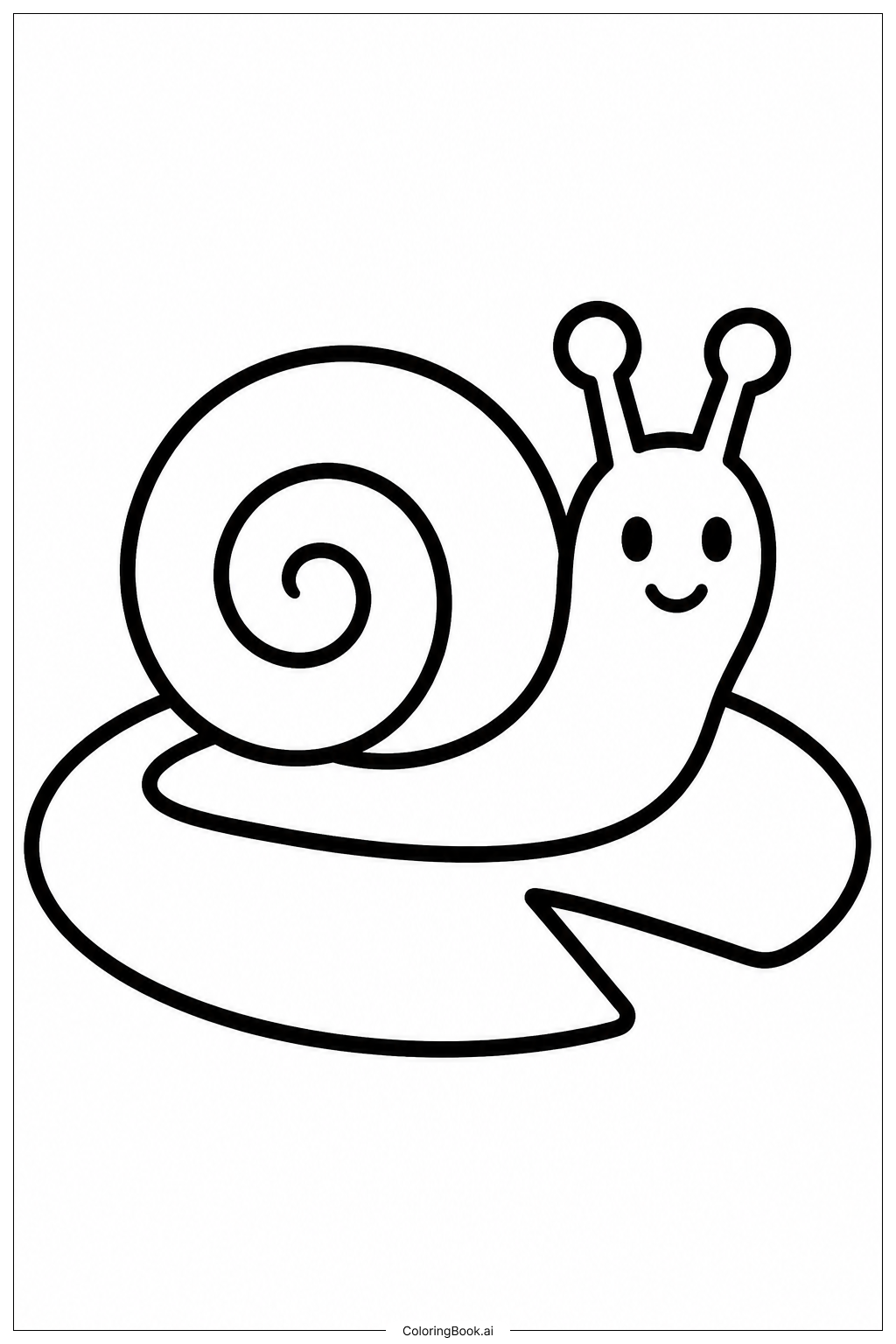
For coloring this Lily Pad Garden Snail, try using fresh greens for the lily pad, blending different shades to show light and shadow. The snail’s shell can be colored with warm browns, beiges, or even soft yellows to create a natural look. You might also add hints of pink or orange to give the shell interesting highlights. The water around the lily pad can be colored in gentle blues and turquoise, with light shading to suggest ripples. Feel free to color the small plants with different shades of green or add little touches of color on the bubbles to make the image lively. Using bright and soft colors will make the picture inviting and fun to look at.
Coloring challenges: Which parts are difficult to color and need attention for Lily Pad Garden Snail coloring page?
• Shell Texture: The spiral shell has many detailed lines, which require careful coloring to keep the shape clear and realistic without smudging. Coloring inside these small curved areas can be challenging for younger children.
• Lily Pad Veins: The veins on the lily pad are thin and delicate, needing steady hand control to stay within the fine lines while adding subtle variations in greens.
• Water Ripples: The ripples and bubbles around the lily pad demand gradual color blending to achieve a smooth watery effect that looks natural rather than flat.
• Small Details: Tiny water plants and bubbles have small outlines that call for patience and precision, encouraging focus but possibly requiring more time.
• Contrast Balance: Balancing colors between the snail, lily pad, and water takes care so the main elements stand out clearly without being overwhelmed by too many bright or dark shades.
Benefits of coloring books: Advantages of drawing Lily Pad Garden Snail coloring page
Coloring this Lily Pad Garden Snail helps develop fine motor skills by practicing careful coloring within small and detailed lines. It encourages children to observe nature closely, sharpening their attention to textures like the shell’s spiral and the lily pad’s veins. Choosing colors and shading teaches creativity and understanding of light and shadow. This activity also builds patience and concentration as they work on tiny plants and water ripples. Finally, coloring a peaceful natural scene can be relaxing and calming, helping children feel connected to the outdoors while expressing their artistic side.