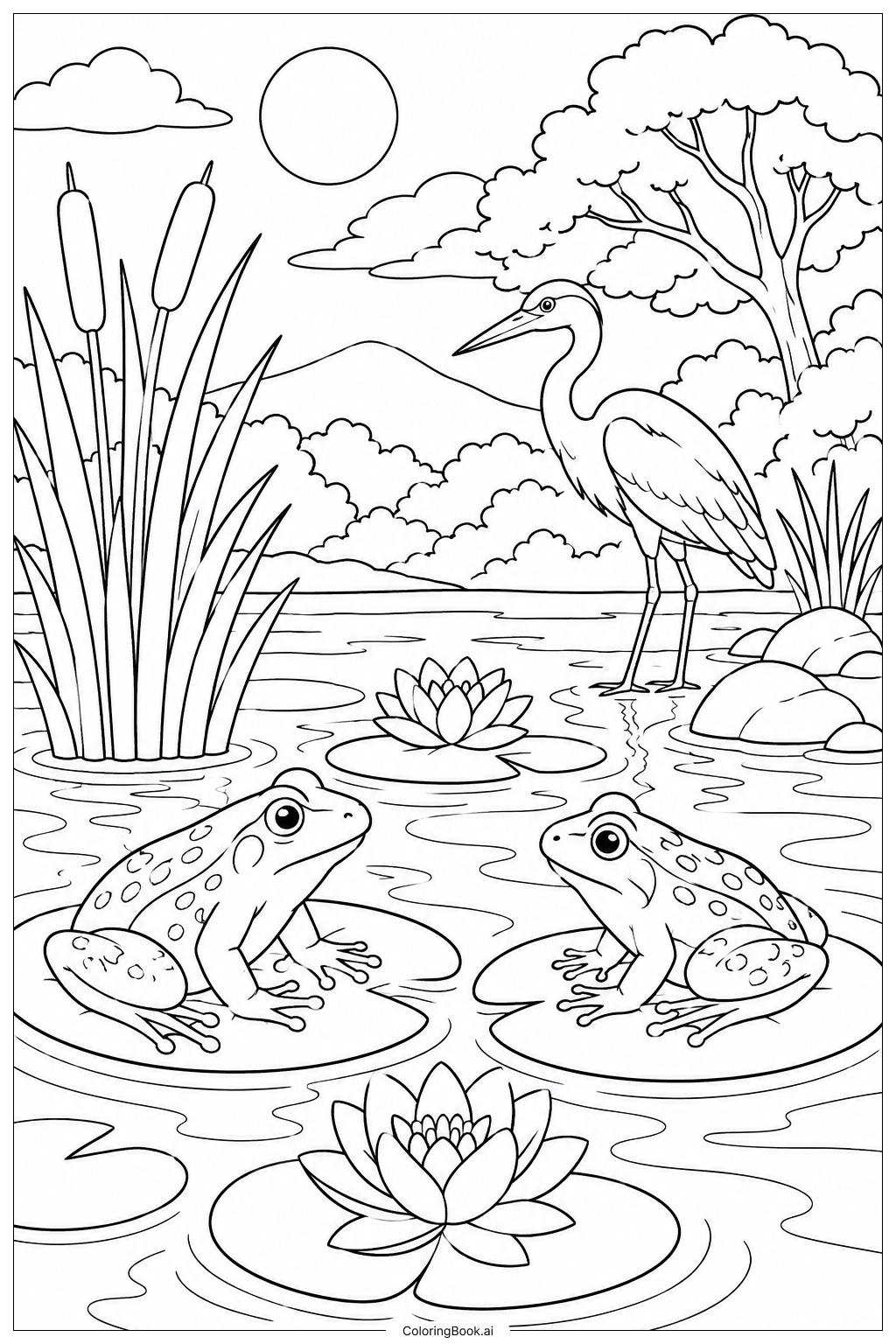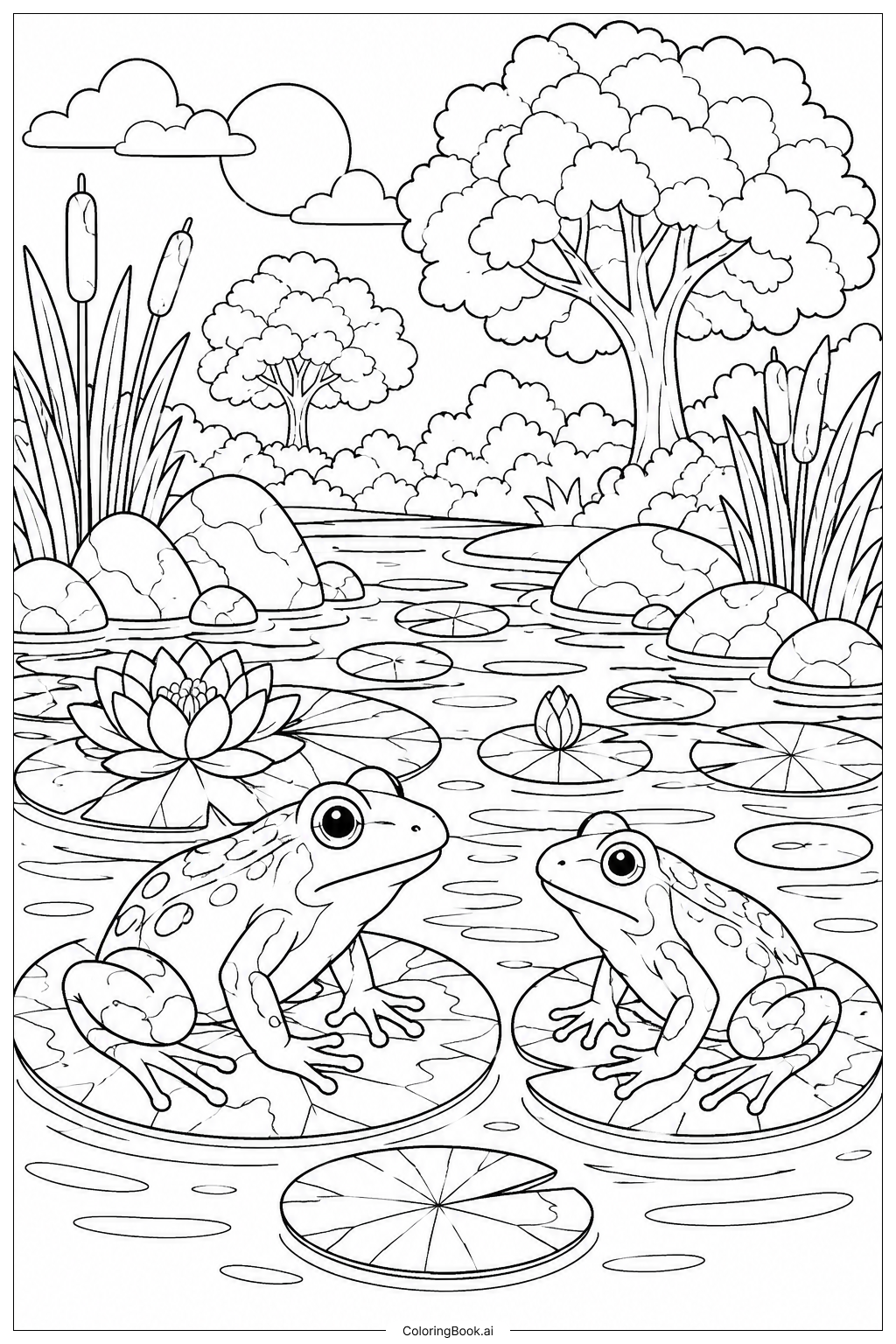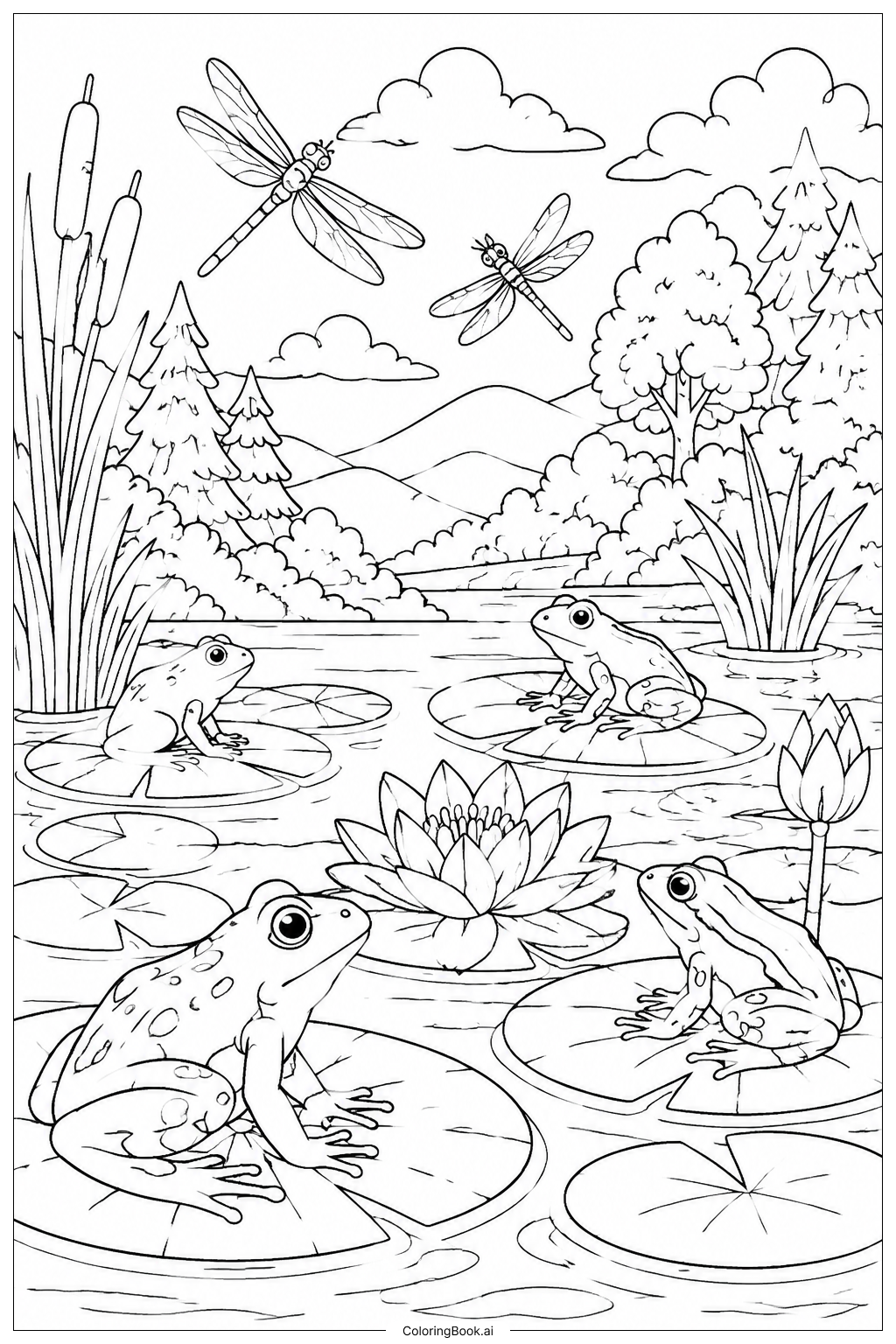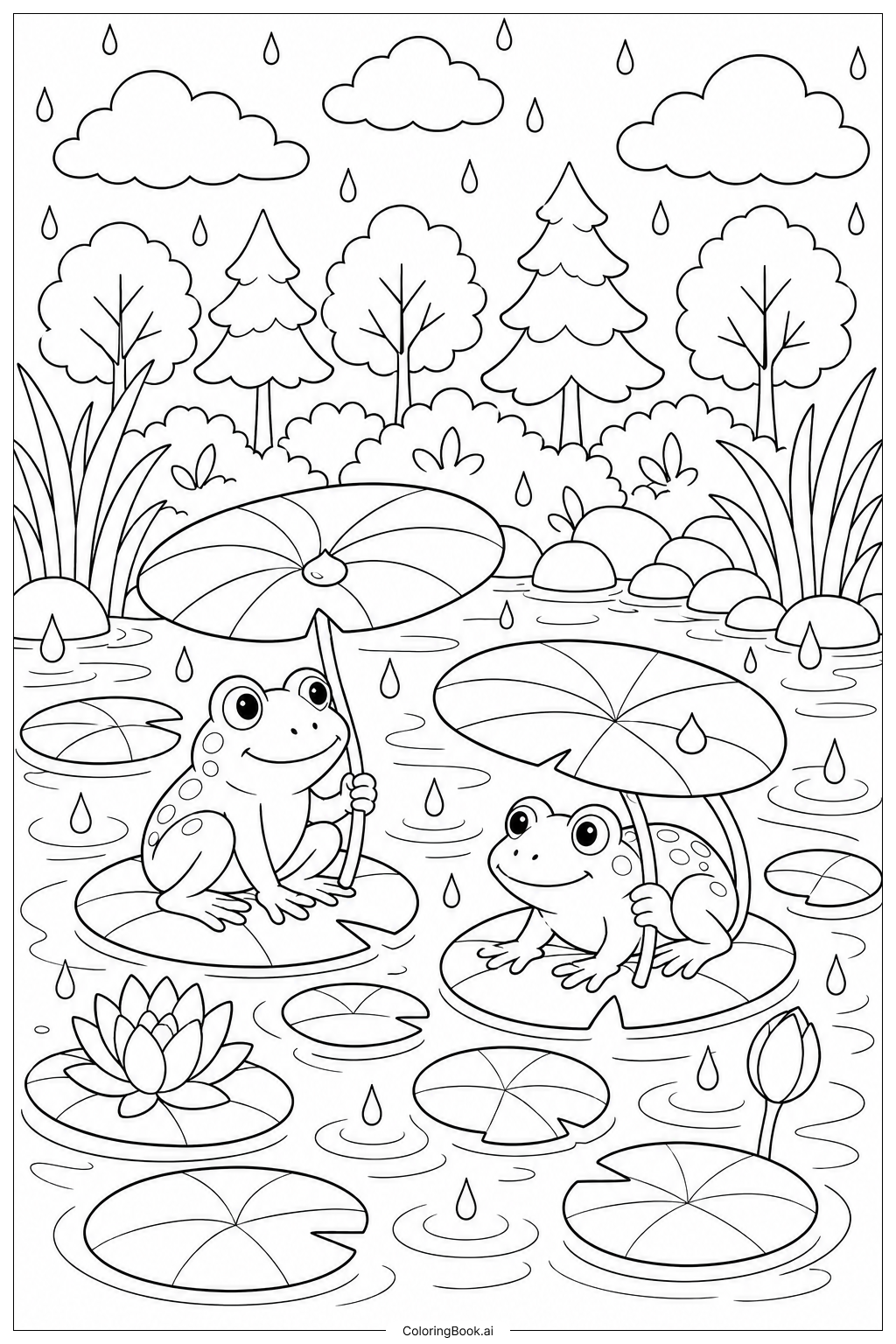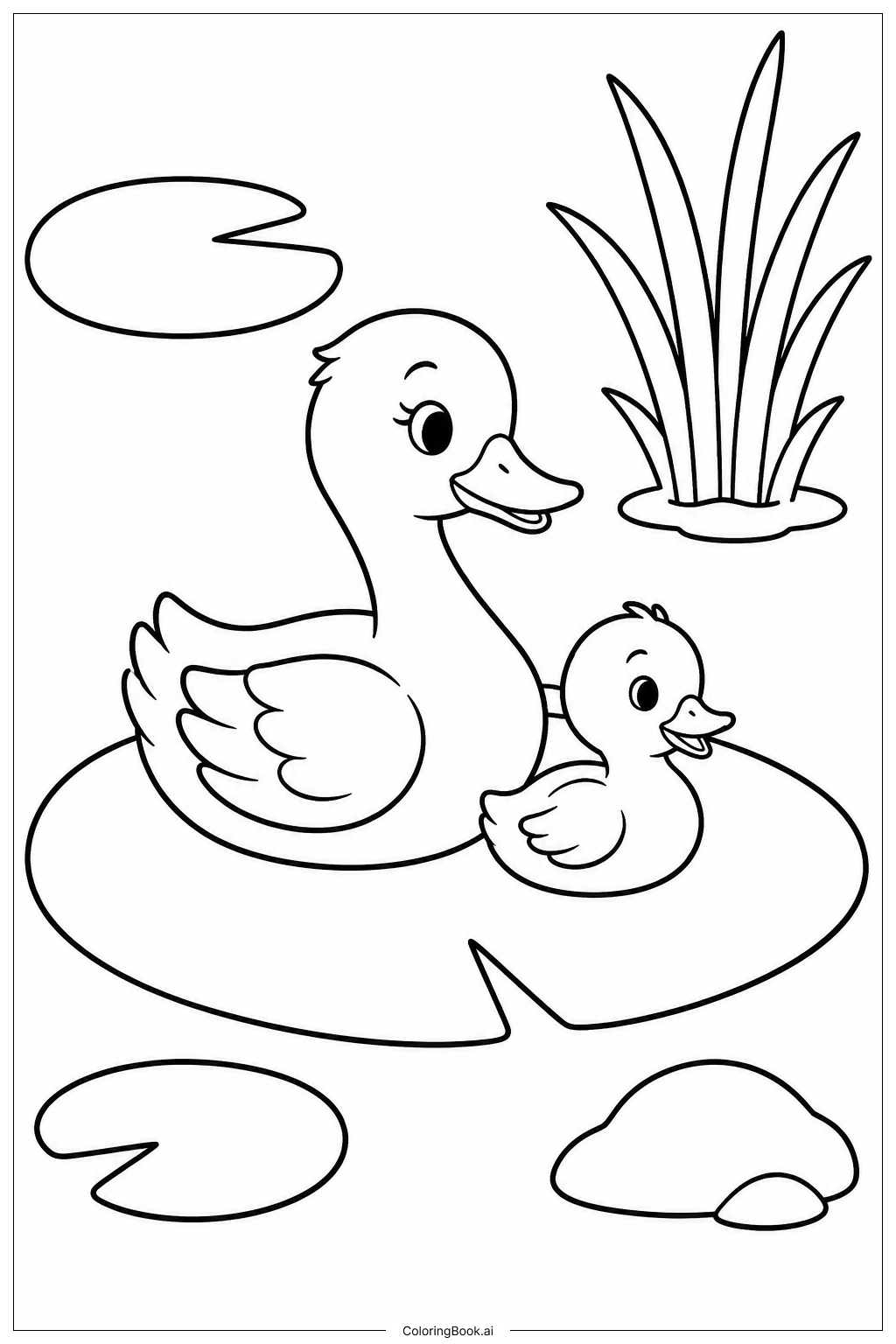
Coloring tips: How to color Lily Pad Duckling Family coloring page well?
Use bright yellows and soft oranges to color the ducklings, giving each a slightly different shade to show variety. Color the mother duck a warm brown or classic white to highlight her protective role. For the Lily Pad, use rich greens with spots of lighter green or yellow on the veins to show texture. The flowers can be colored in soft pinks, purples, or whites to create contrast. Make the water around the Lily Pad a gentle blue with hints of deeper blue or green to add depth. Try using crayons, colored pencils, or markers to mix and blend colors smoothly for a lively, natural look.
Coloring challenges: Which parts are difficult to color and need attention for Lily Pad Duckling Family coloring page?
• Fine Details on Lily Pad: The Lily Pad has many small veins and indentations, which require careful coloring to highlight the texture without going outside the lines. It challenges fine motor skills.
• Multiple Ducklings: Each duckling is similar but distinct in shape and size, requiring attention to detail to color each differently and avoid monotony.
• Flower Petals: The tiny flowers at the base have multiple petals that need delicate coloring for a realistic appearance without smudging.
• Water Ripples: The subtle ripples around the Lily Pad need light shading and blending to give a sense of calm water, which can be tricky to achieve.
• Layering Colors: Using different shades and layering colors to create depth on feathers and leaves demands patience and blending techniques, which can be hard for younger children.
Benefits of coloring books: Advantages of drawing Lily Pad Duckling Family coloring page
Coloring this Lily Pad Duckling Family picture helps children improve their attention to detail and fine motor skills by staying within small spaces and delicate lines. It encourages creativity as they choose colors for natural elements like water, leaves, feathers, and flowers. Working on various textures teaches young artists about different materials in nature and how to represent them visually. The calm pond scene also promotes relaxation and mindfulness, giving a peaceful coloring experience. For older children, the complexity supports practicing shading and blending techniques that build artistic confidence.