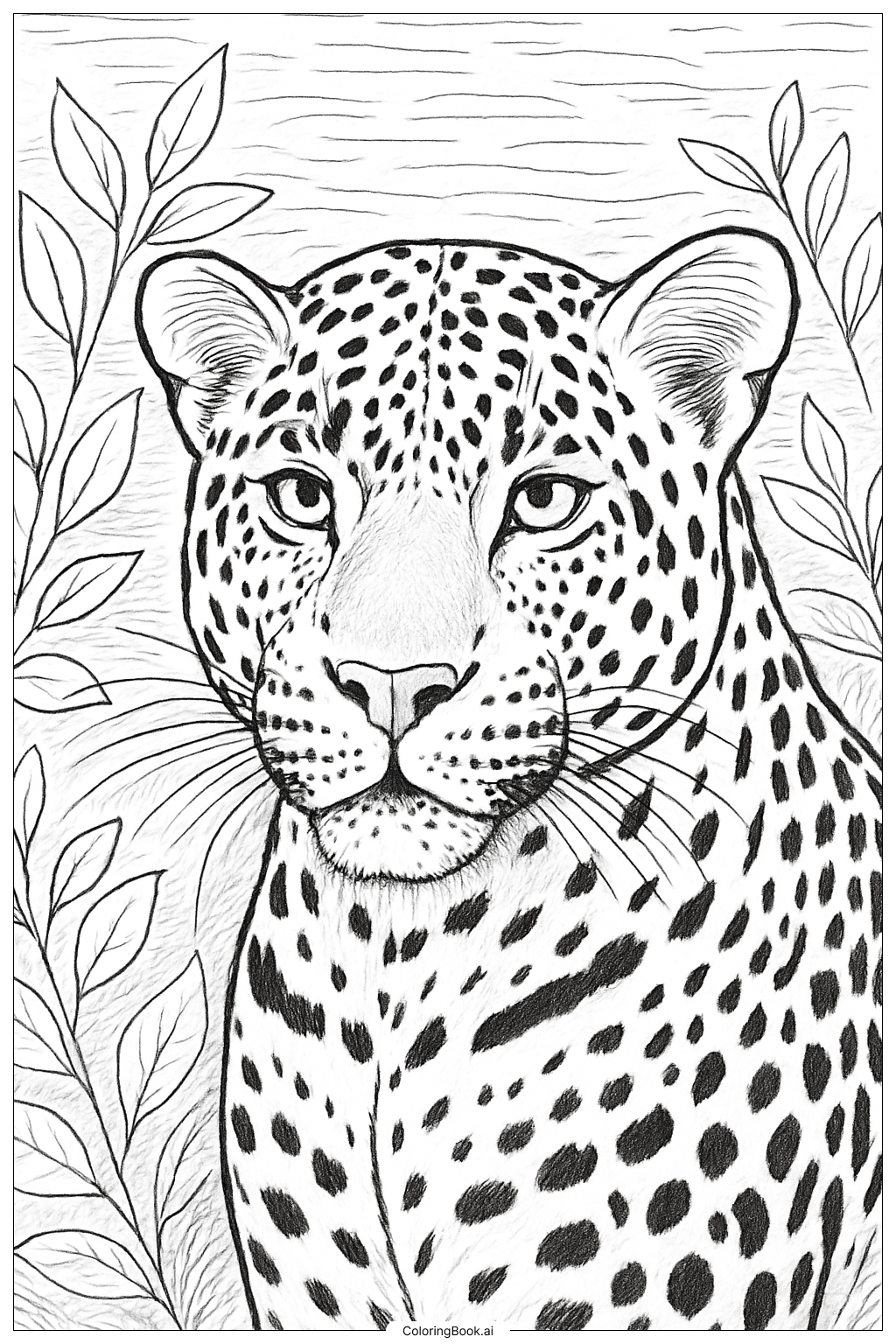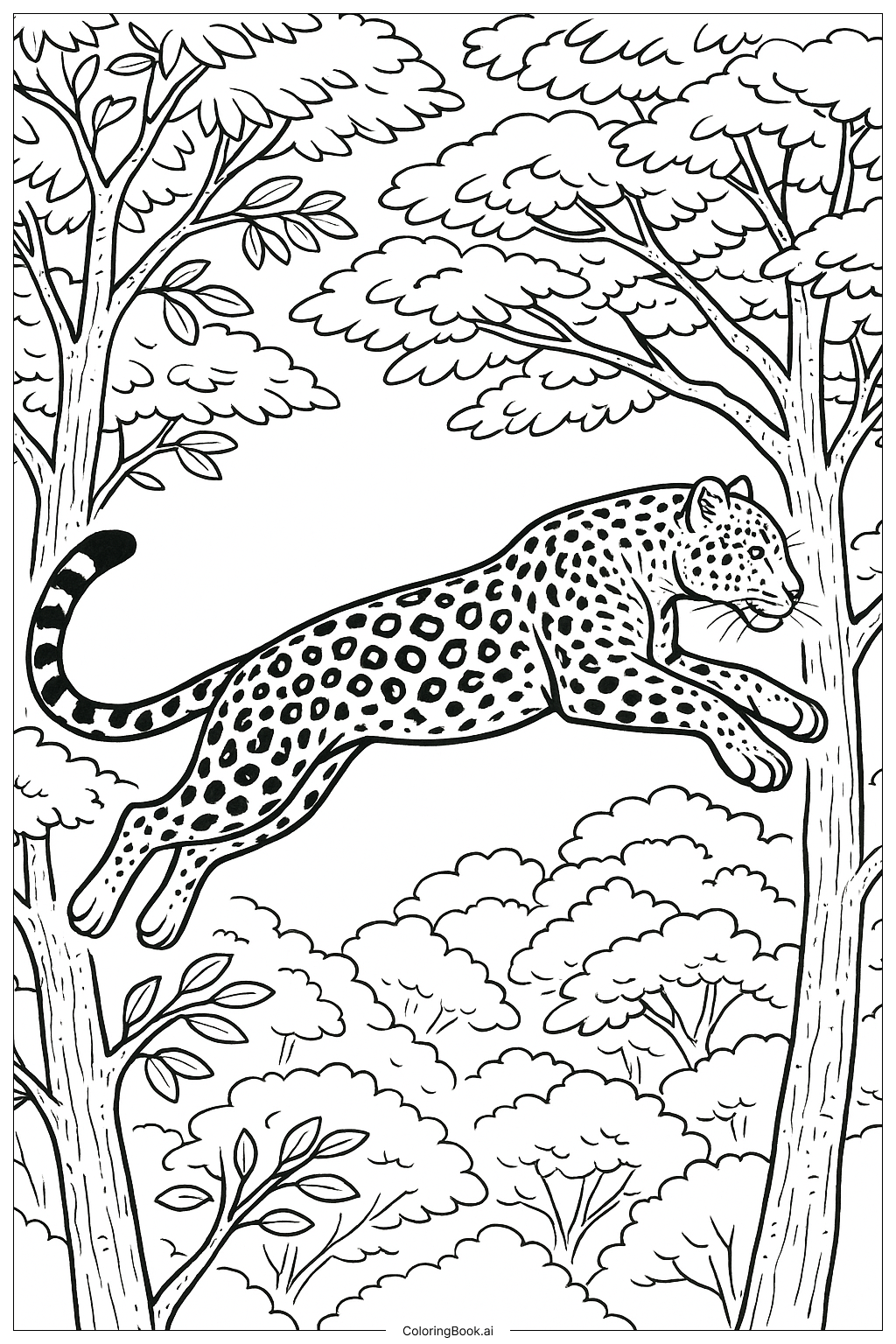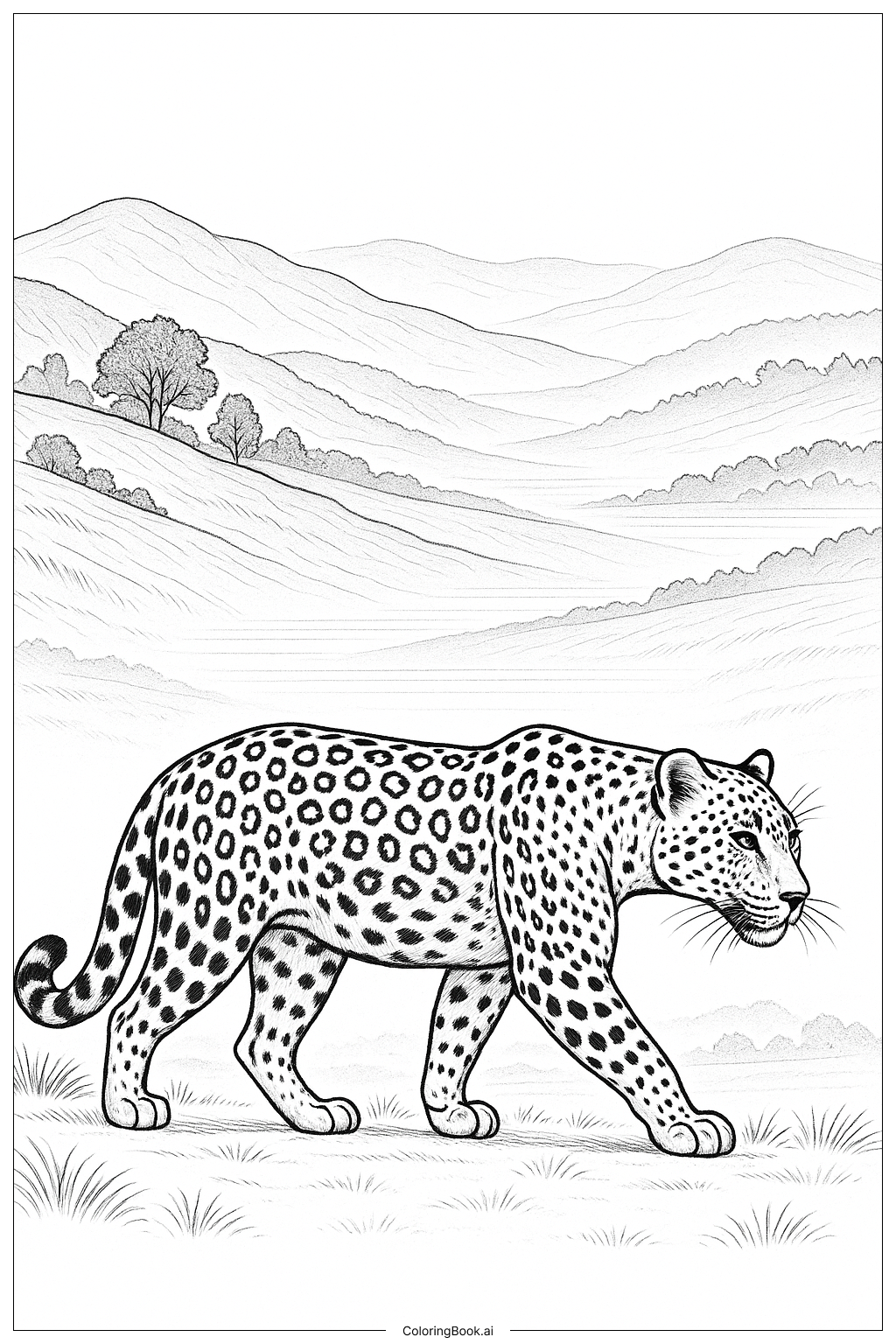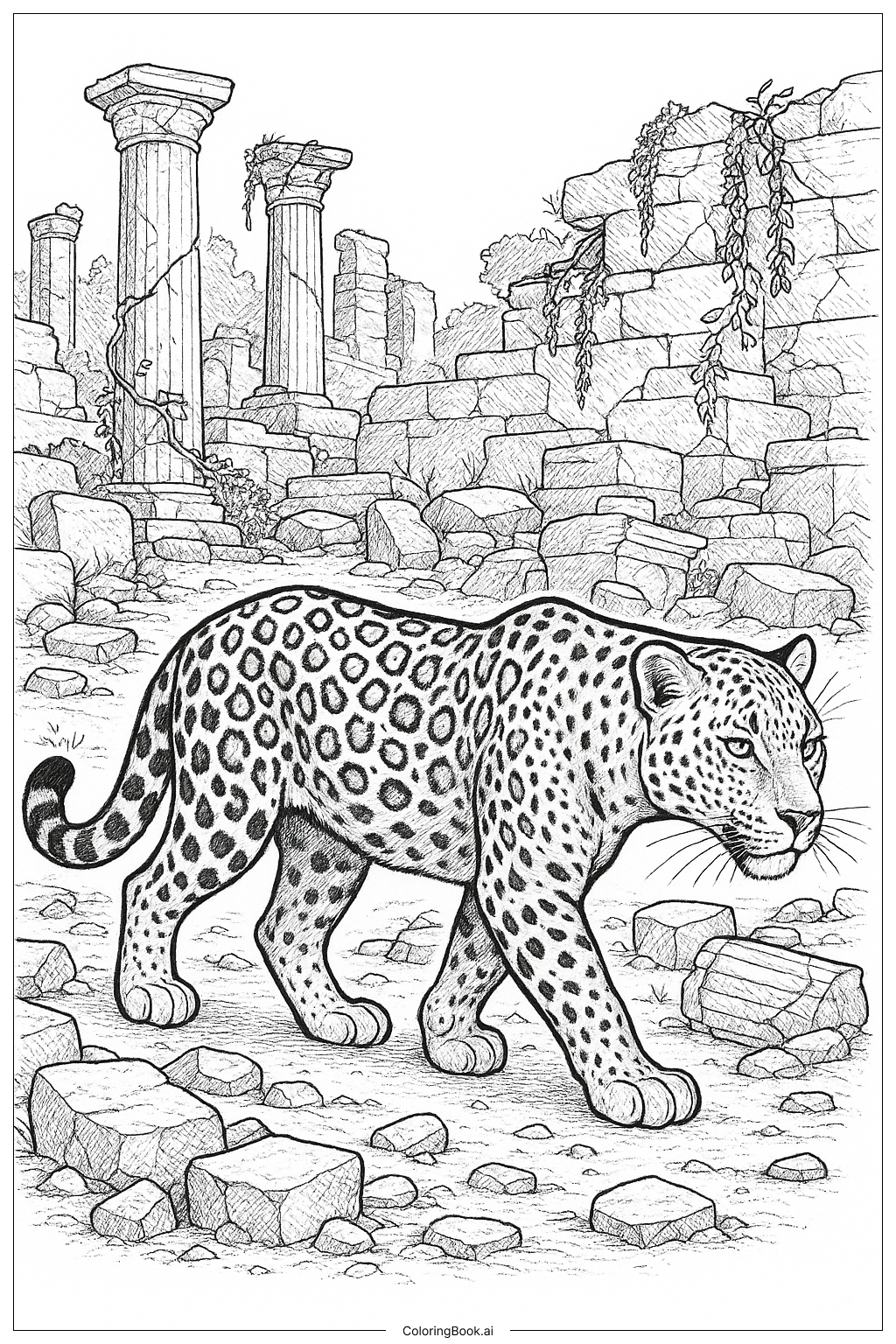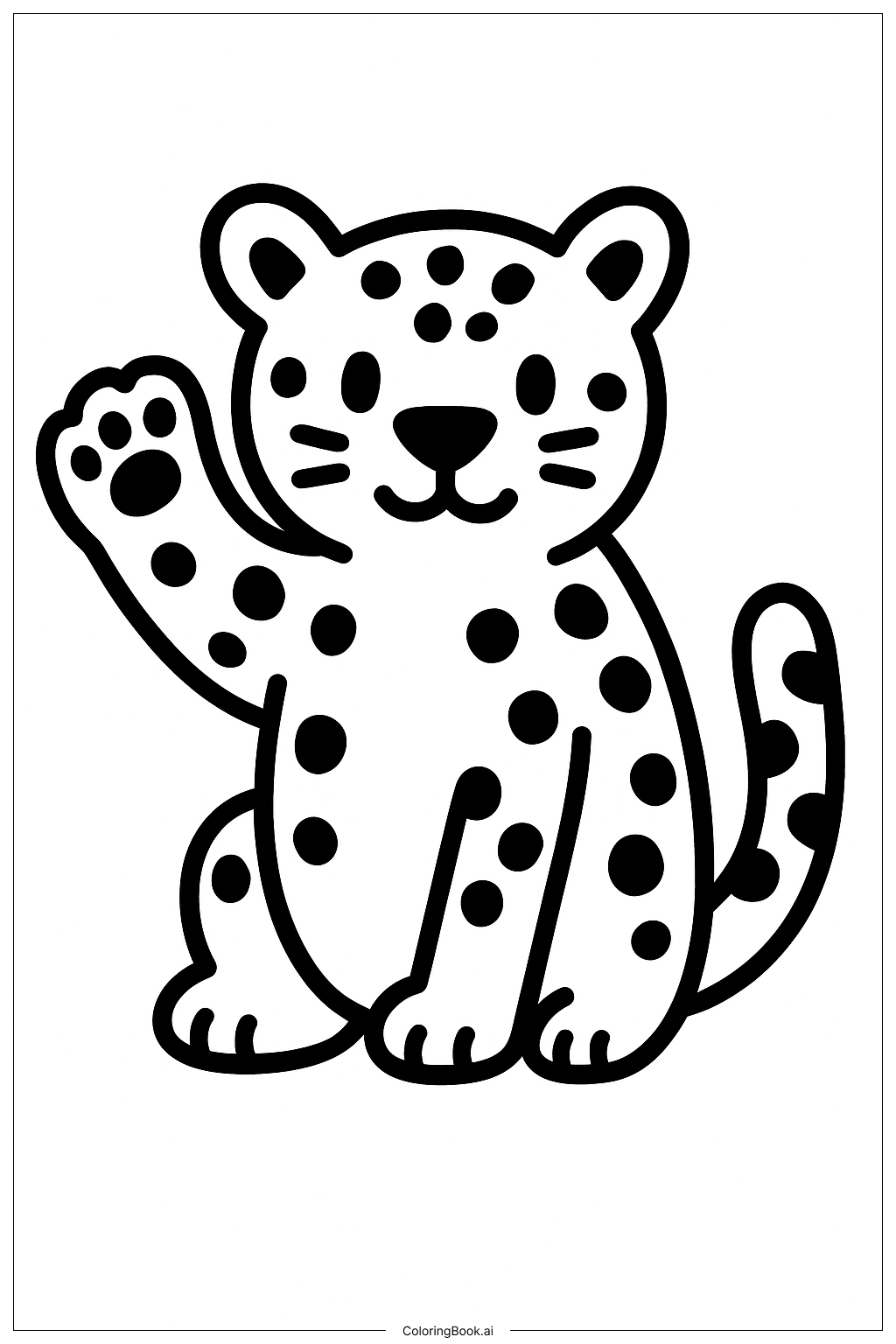
Coloring tips: How to color Leopard Waving Paw coloring page well?
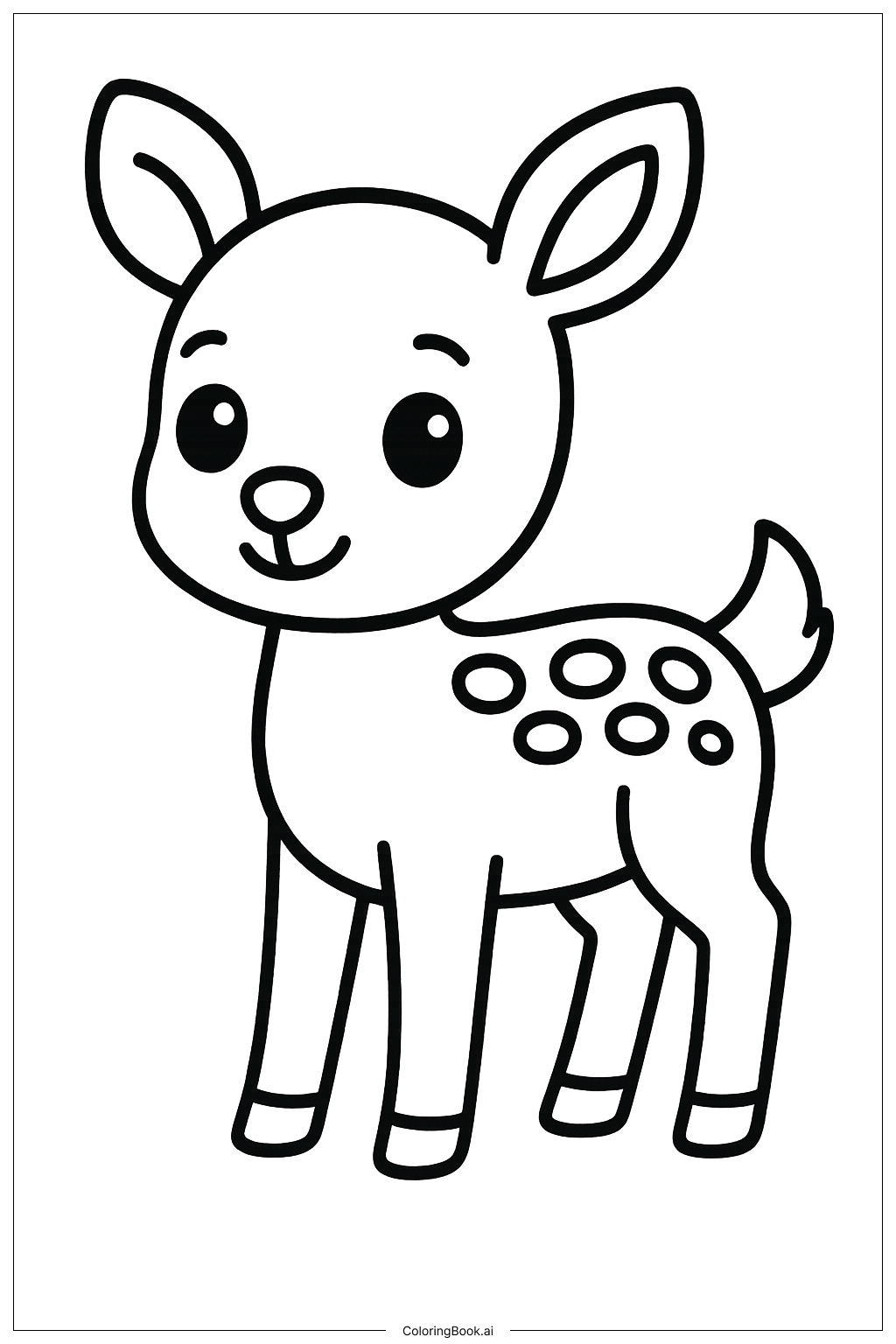
Use bright colors like yellow, orange, or light brown for the leopard’s body to make it look lively. Color the spots black or dark brown to show the leopard’s unique pattern. You can add green or blue for the background to create a natural habitat. For the paw, try using a slightly different shade so it stands out as waving. Don’t forget to color the eyes and nose black, and add some pink inside the ears and on the paw pads to make the leopard cuter.
Coloring challenges: Which parts are difficult to color and need attention for Leopard Waving Paw coloring page?
1. Coloring inside the small spots can be tricky because they are small and close together. It requires careful coloring to stay inside the lines.
2. The raised paw has little spots and rounded shapes that need attention to detail to color properly.
3. The whiskers and nose area are small, so coloring these with precision is important.
4. The tail curves and has spots that may be challenging to color neatly as the spots vary in size.
5. Keeping colors consistent across the leopard’s body while making the spots stand out can be a bit difficult for beginners.
Benefits of coloring books: Advantages of drawing Leopard Waving Paw coloring page
Coloring this leopard helps improve fine motor skills by working on small areas and detailed spots. It encourages creativity in choosing colors for the body, spots, and background. Kids learn about animals and their patterns while having fun. Coloring the waving paw adds a playful element, making the activity more engaging. It also boosts concentration and patience as kids focus on filling the shapes carefully.