Coloring tips: How to color Leopard Standing Tall coloring page well?
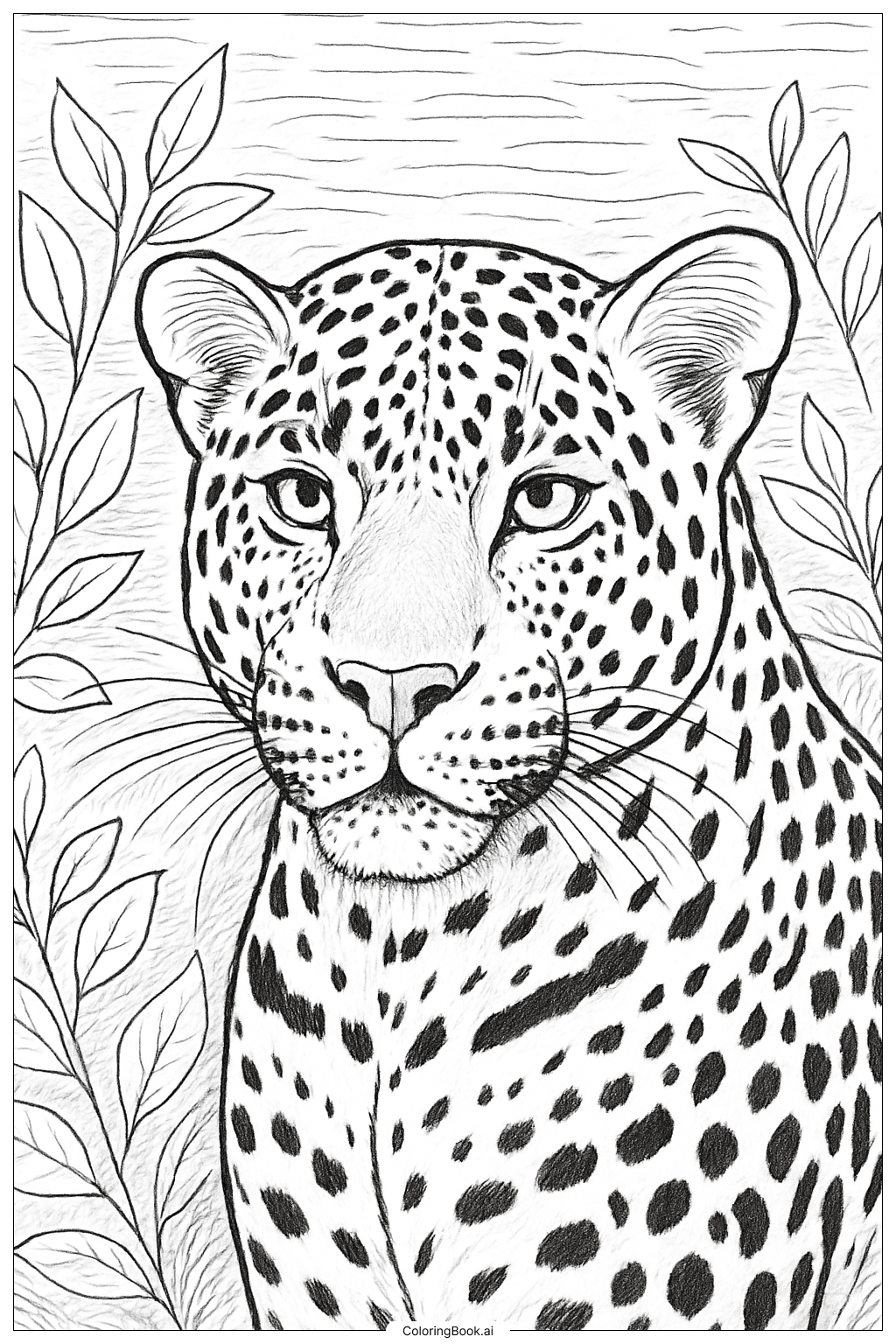
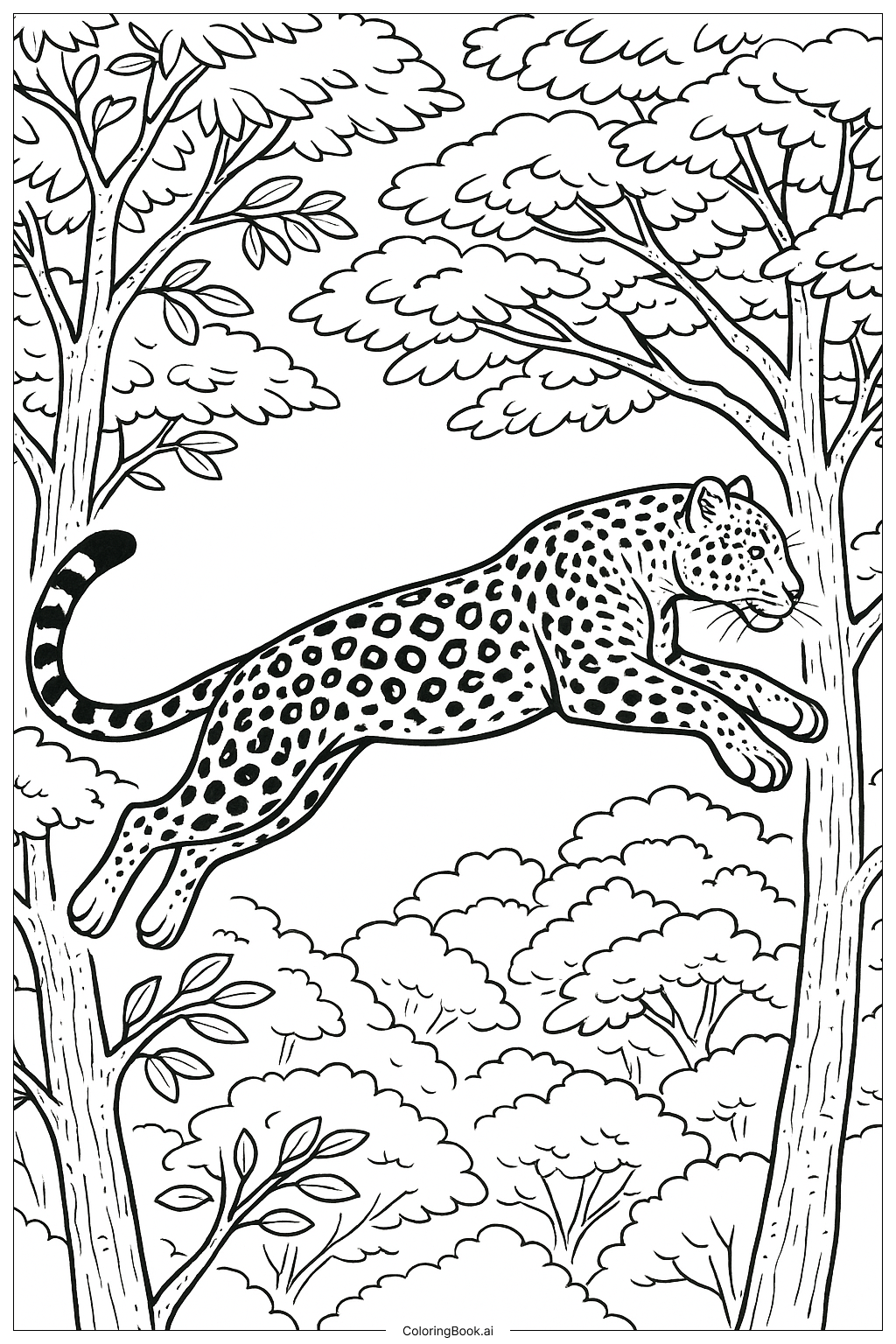
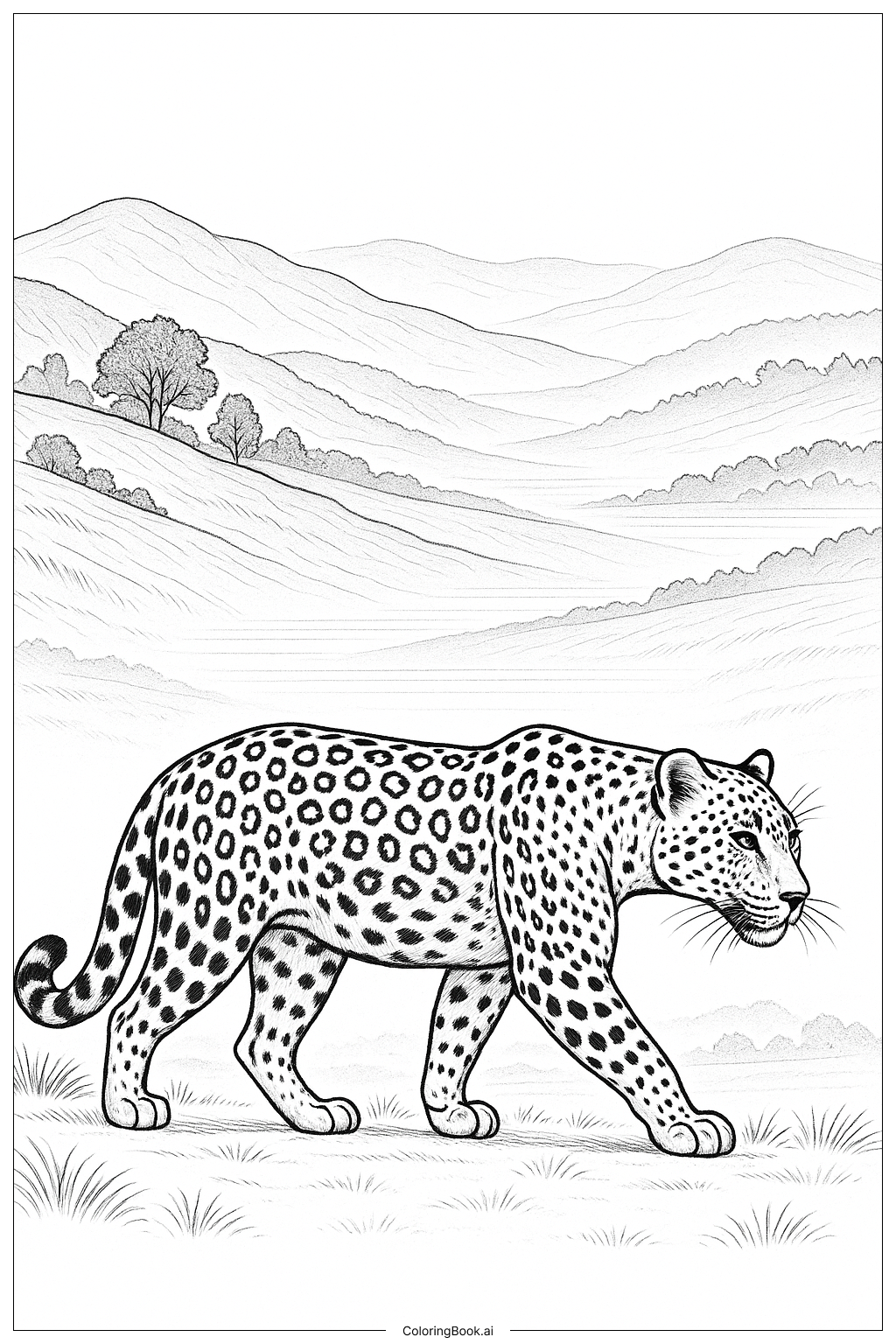
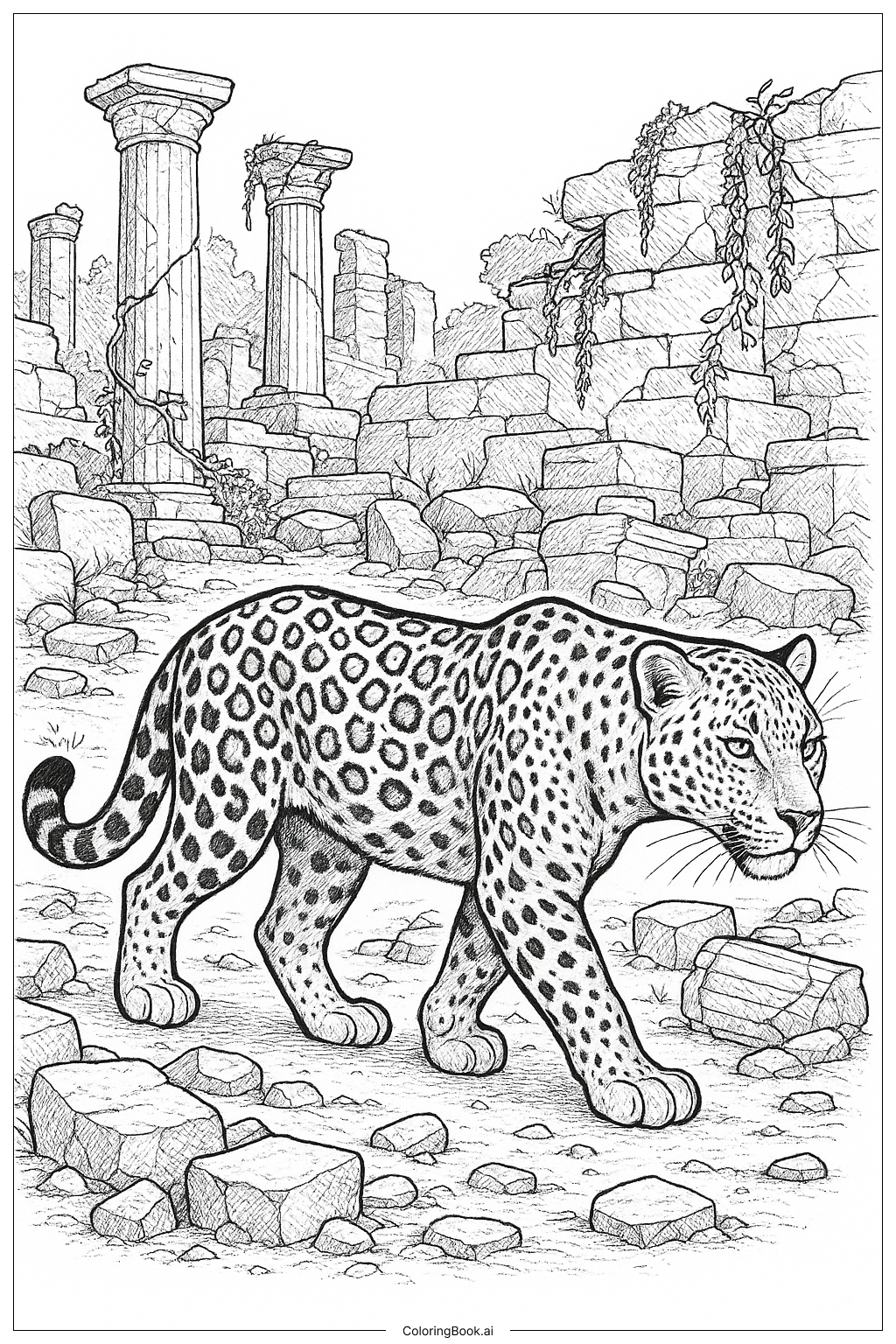
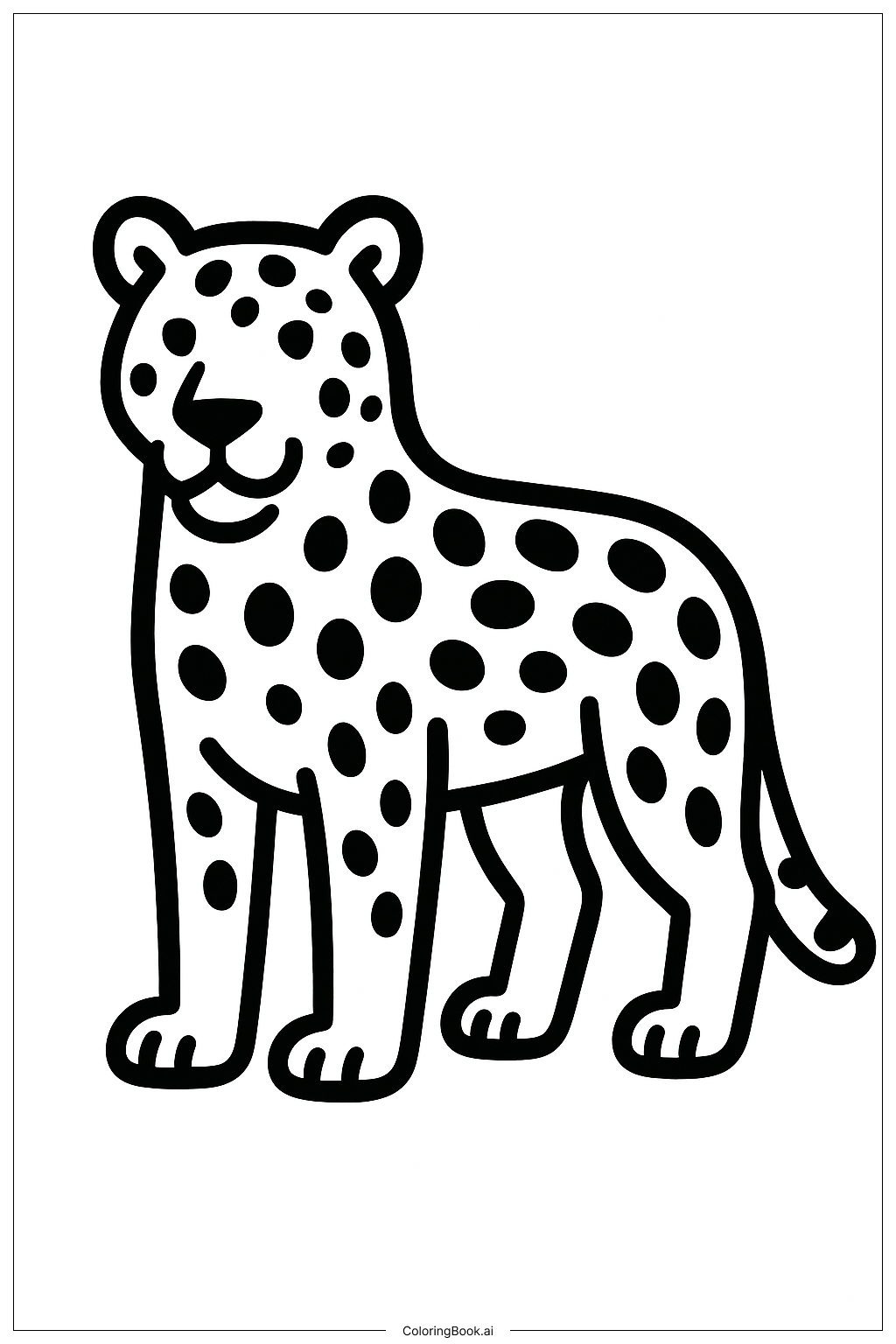
Use light brown or yellow for the leopard’s body color to make it look real. You can color the spots black or dark brown to make them stand out. The ears can be a soft pink inside. Use a slightly darker shade for the nose and around the eyes. You can color the tail the same as the body but add some darker spots to match. Feel free to color the background green or blue to show the leopard’s natural habitat like grass or sky. Use crayons or colored pencils for more control.
Coloring challenges: Which parts are difficult to color and need attention for Leopard Standing Tall coloring page?
1. Coloring the many spots carefully without overlapping the body color can be tricky for younger kids.
2. Staying within the thick black lines while coloring the body can be a challenge.
3. Choosing realistic colors for the leopard's body and spots may require some thinking or guidance.
4. Coloring small areas such as the ears, nose, and claws neatly needs patience and fine motor skills.
5. Balancing colors between the spots and the body to make the leopard look natural and appealing can be difficult at first.
Benefits of coloring books: Advantages of drawing Leopard Standing Tall coloring page
Coloring this leopard helps children improve their hand-eye coordination and fine motor skills. It also encourages focus and patience as they fill in the spots carefully. By choosing colors, children can learn about animals and experiment with creativity. This activity can boost confidence when they complete the picture. Coloring animals like leopards can also teach kids about nature and wildlife, adding educational value to the fun.