Coloring tips: How to color Leopard Rolling Playful coloring page well?
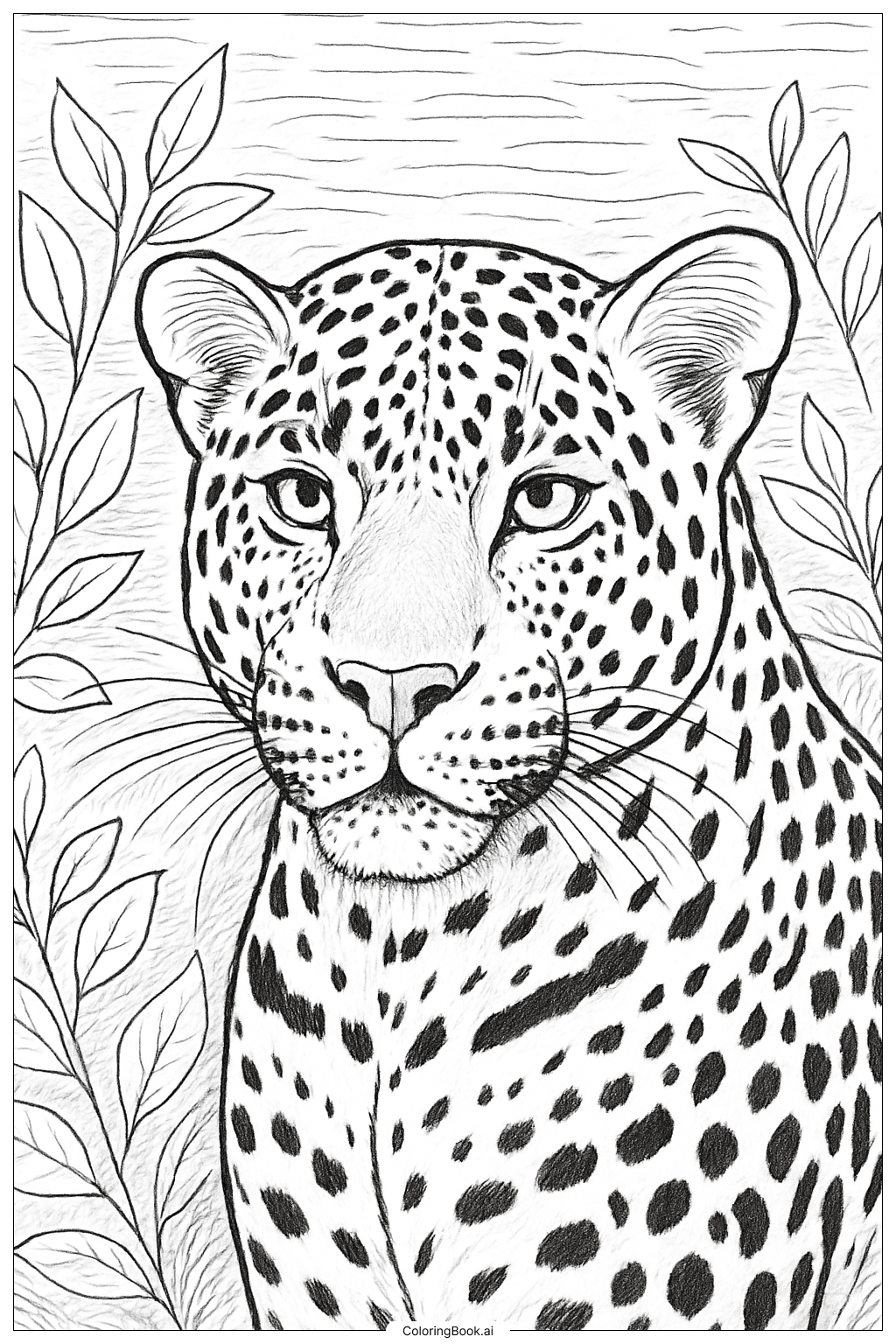
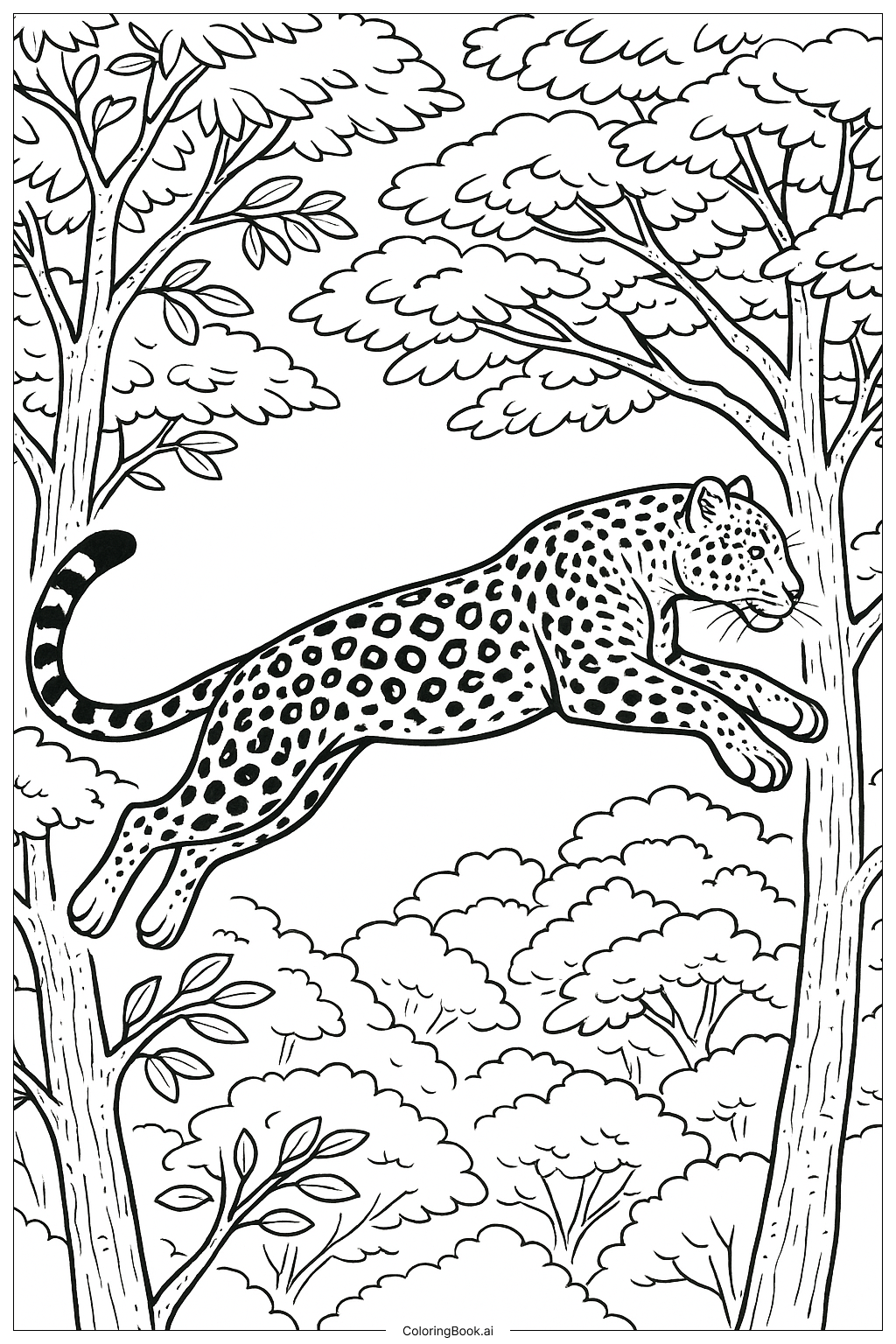
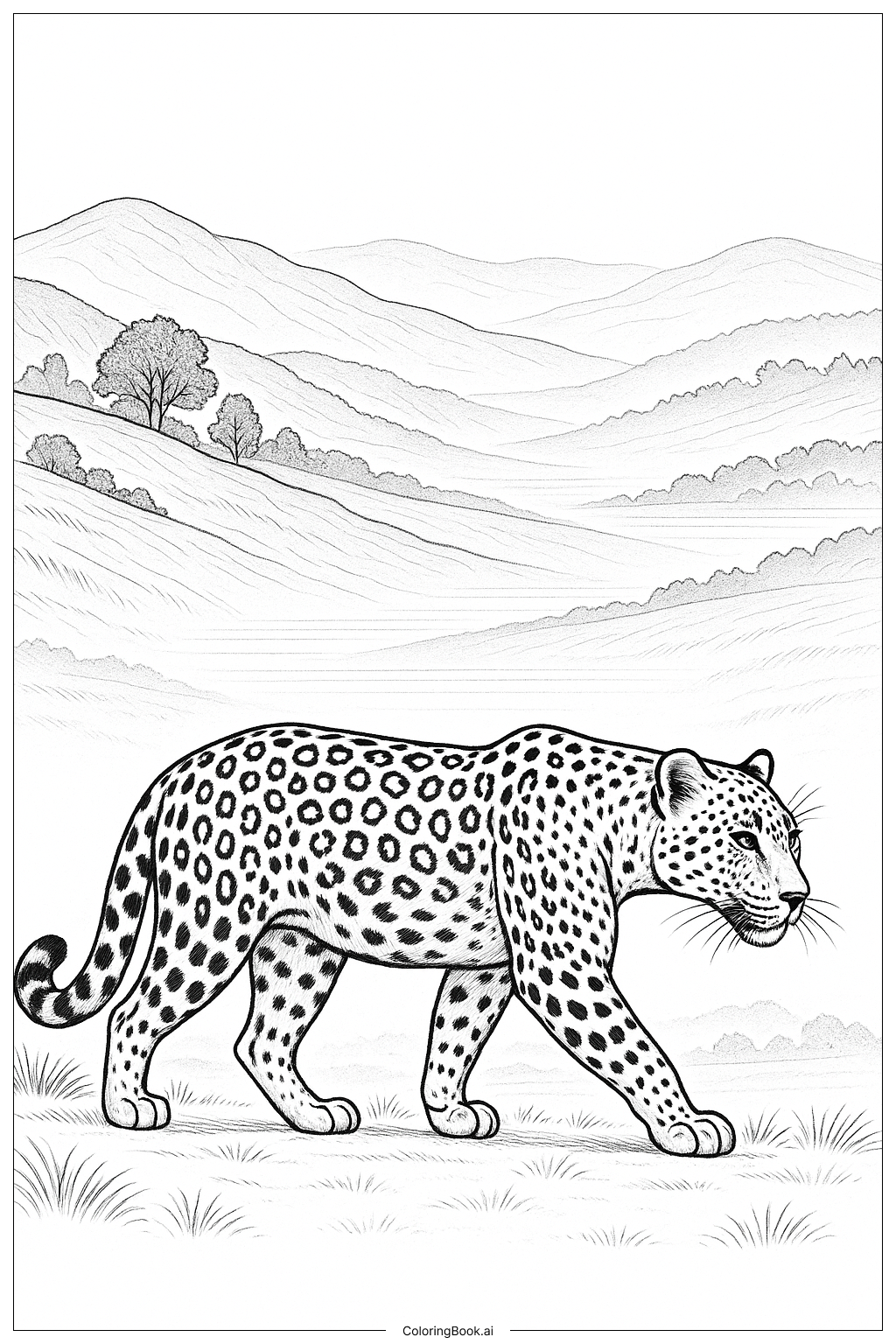
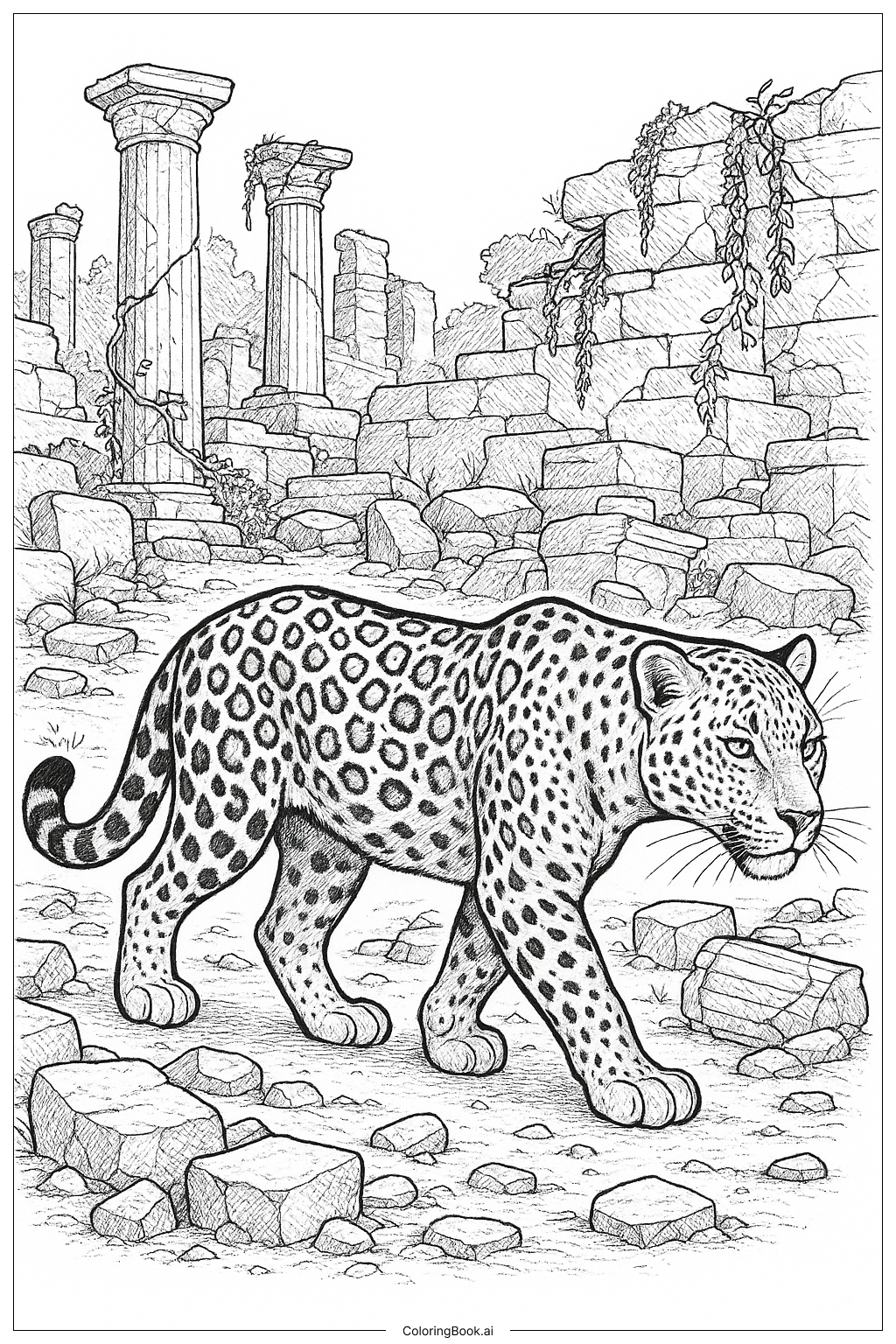
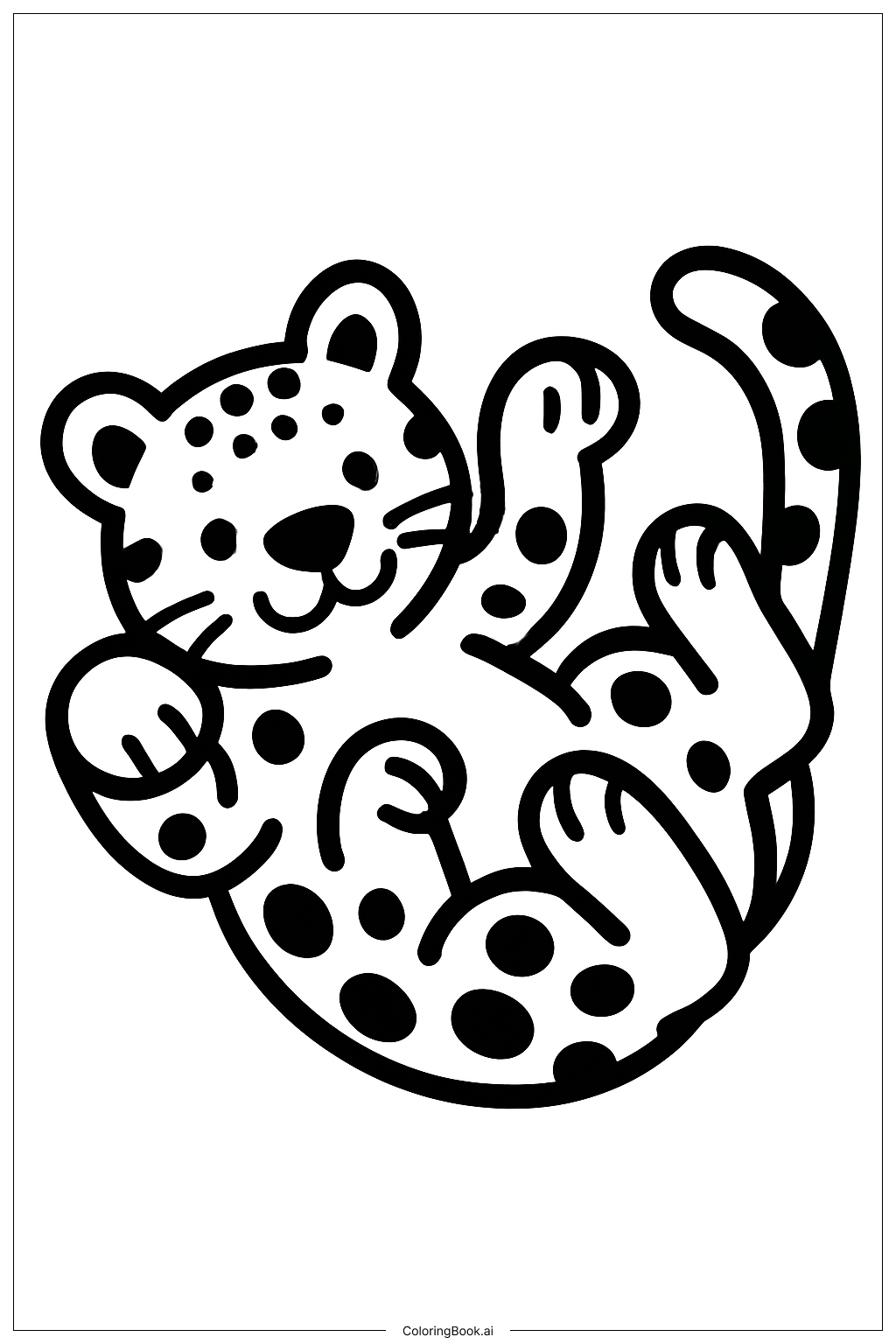
Use bright and warm colors like yellow or golden for the body of the leopard. The spots can be colored in dark brown or black to create a realistic look. Children can also try different colors for the nose and inner ears, such as pink or orange. The background can be colored with green or blue shades to represent grass or sky, making the leopard stand out. To add more fun, kids can use markers or colored pencils to blend colors softly on the body and spots.
Coloring challenges: Which parts are difficult to color and need attention for Leopard Rolling Playful coloring page?
1. Coloring the spots evenly can be tricky since they are scattered across the leopard's body in different sizes and shapes. 2. Staying within the lines while coloring the curved tail and paws may be challenging for younger kids. 3. Making sure the face shows the happy and cute expression by carefully coloring the eyes, nose, and mouth. 4. Balancing color contrasts between the body and spots to make the leopard look lively without overcrowding the image. 5. Adding subtle shading in small areas to give the leopard a more three-dimensional appearance might be difficult for beginners.
Benefits of coloring books: Advantages of drawing Leopard Rolling Playful coloring page
Coloring this playful leopard helps children develop fine motor skills as they carefully fill in the spots and detailed parts like paws and face. It encourages creativity by allowing kids to choose colors and experiment with different shades. The fun pose of the leopard fosters imagination and joy during the activity. It also teaches about animals and their patterns, improving observation skills. Overall, coloring this image can boost focus, patience, and confidence in young artists.