Coloring tips: How to color Leopard Resting on Rock coloring page well?
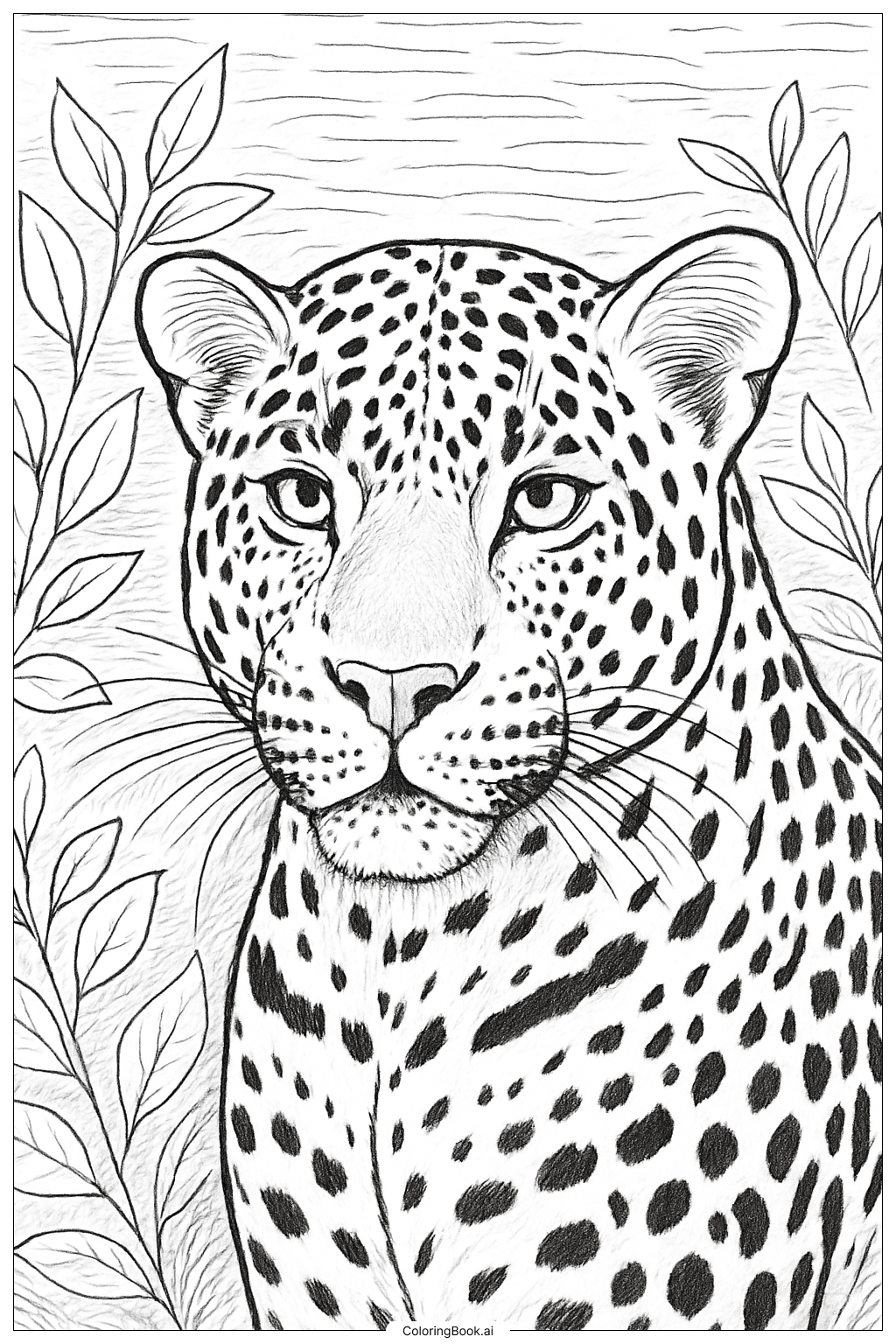
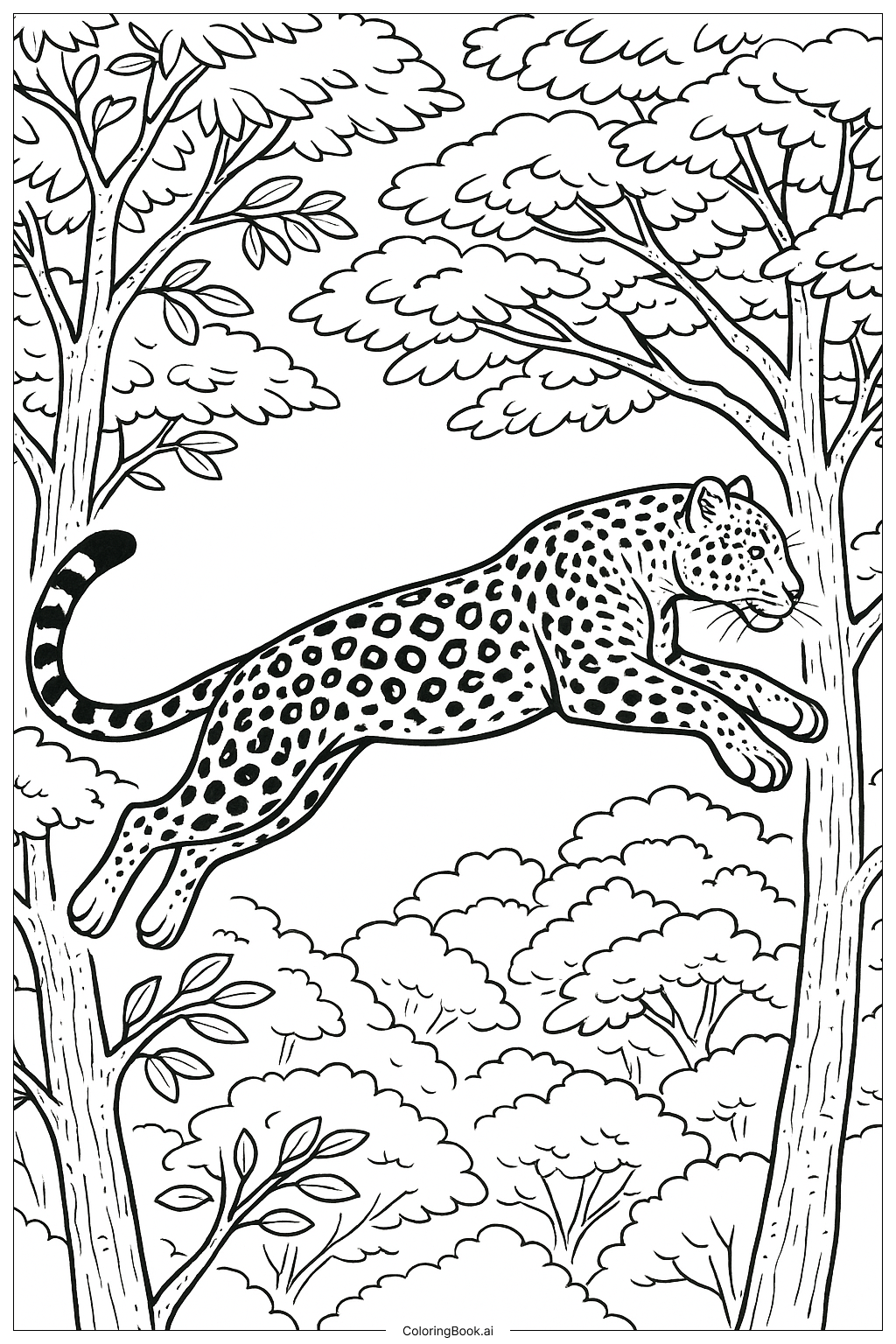
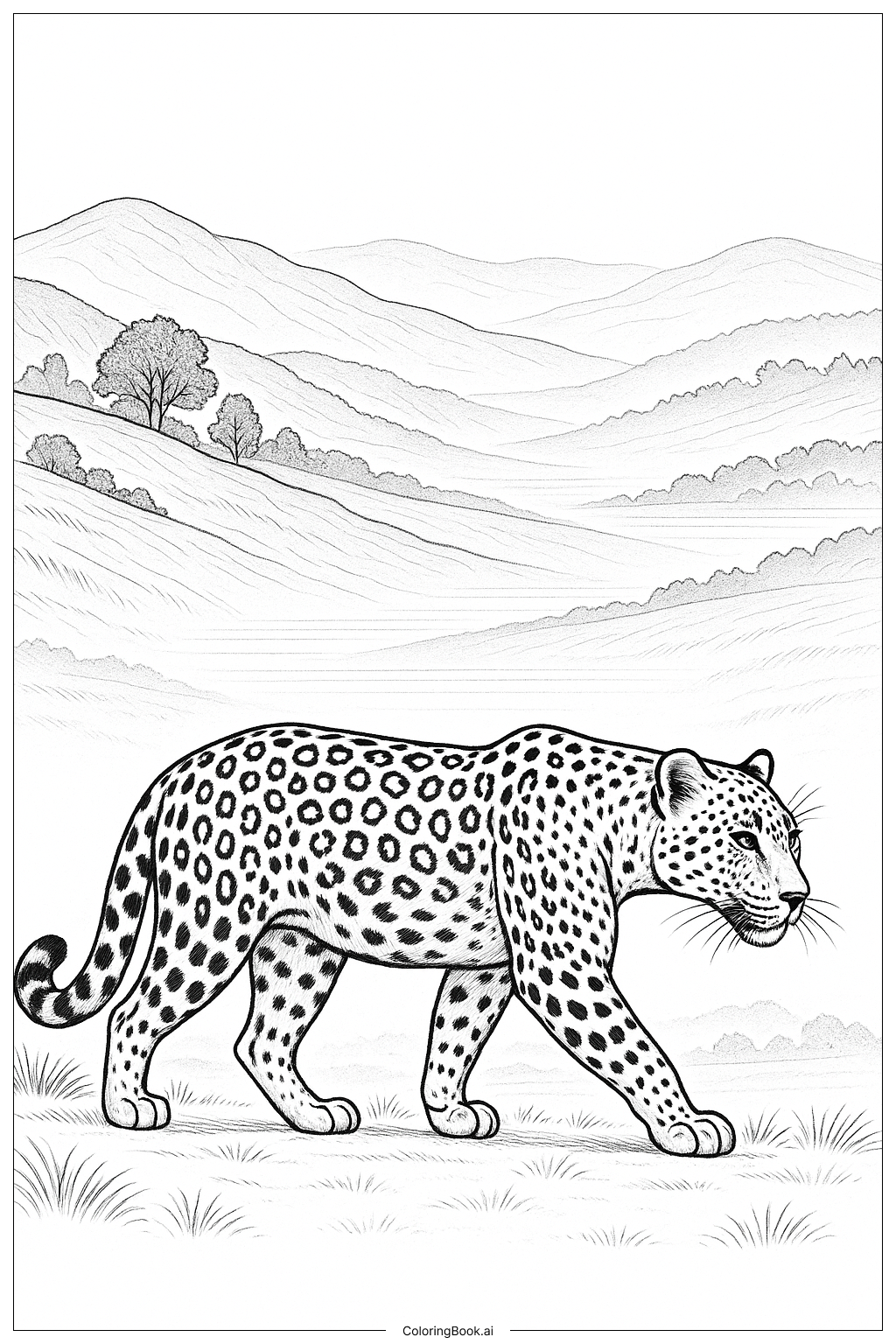
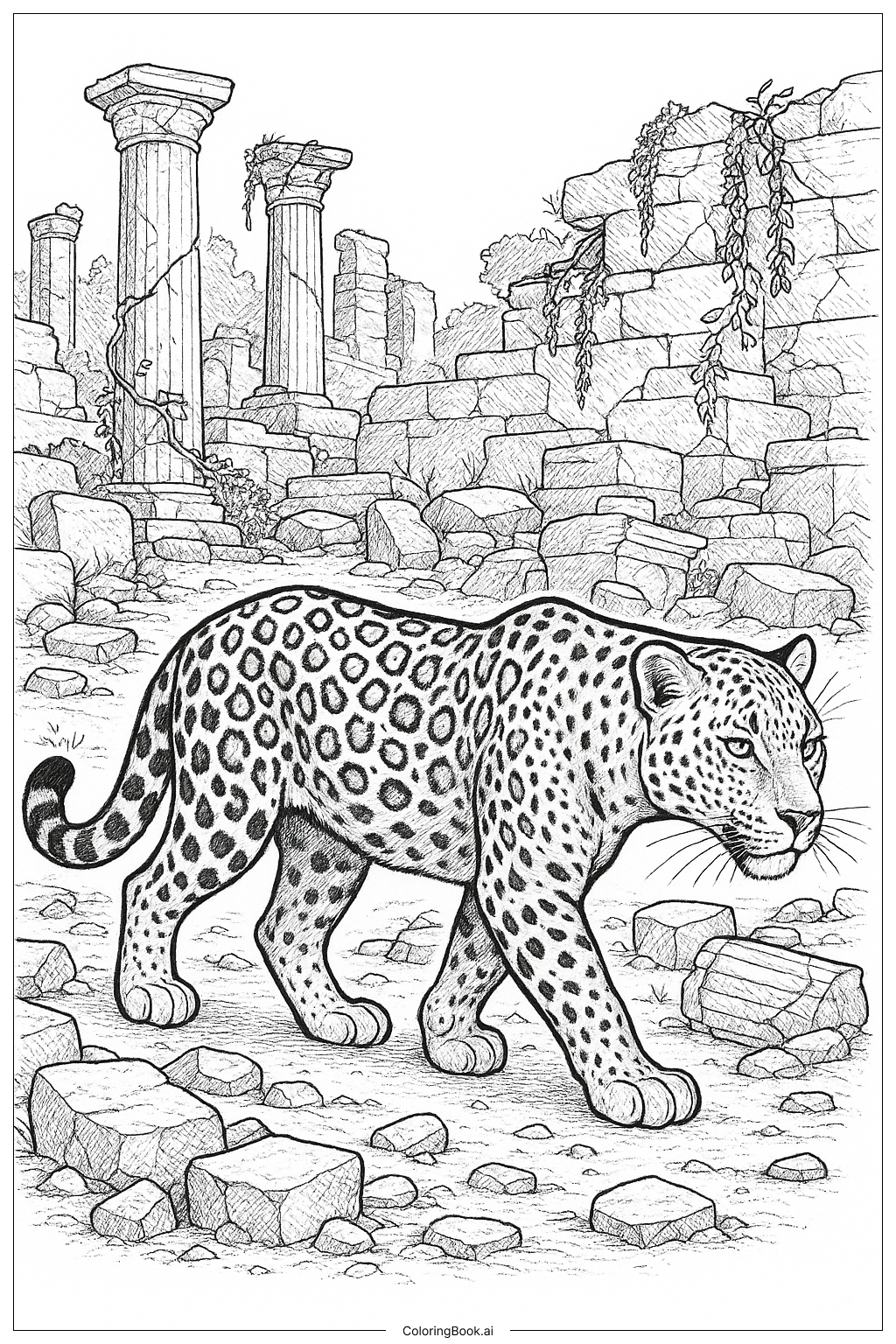
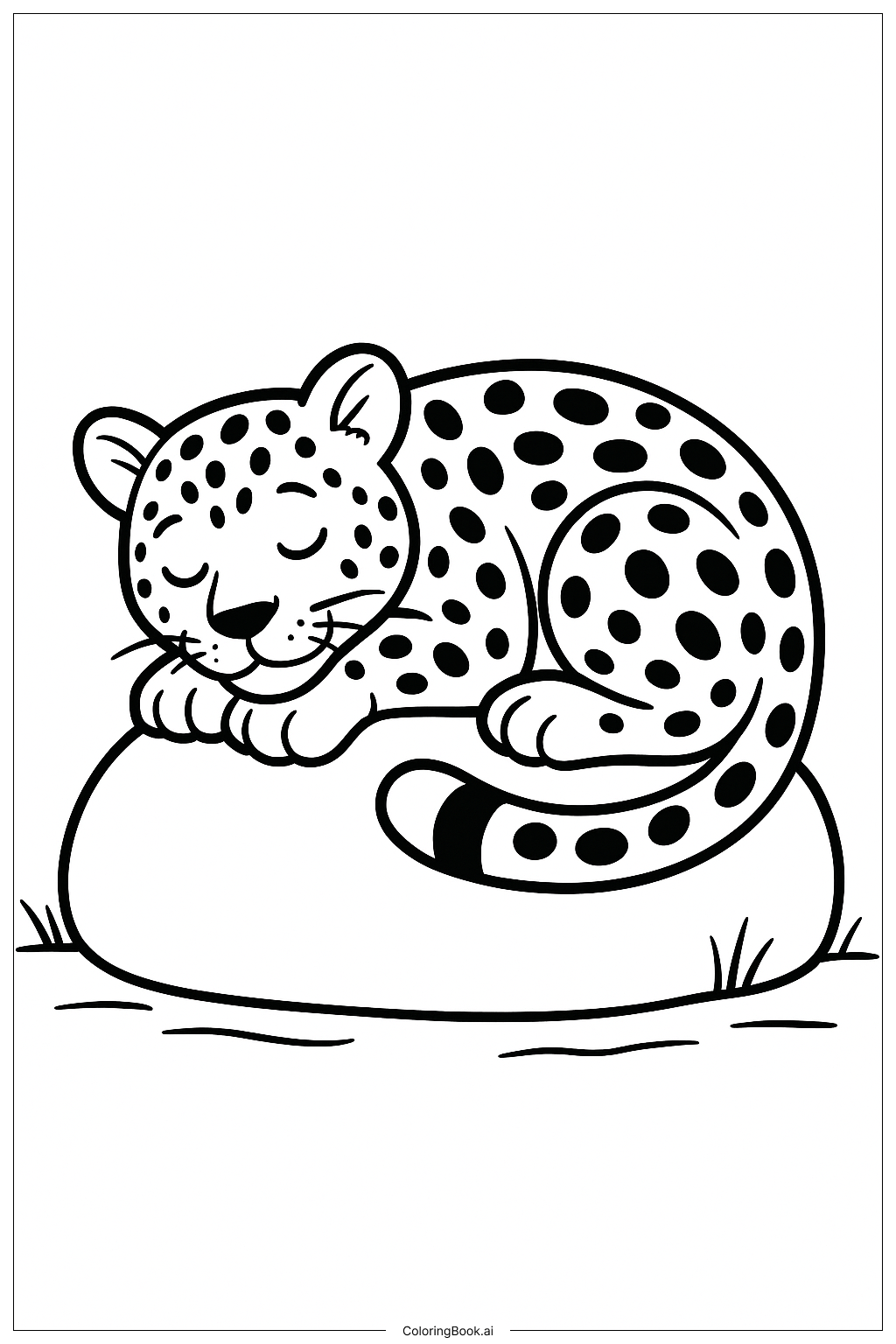
Use shades of golden yellow and orange for the leopard’s fur to reflect its natural colors. Dark brown or black can be used for the spots. The rock can be colored in shades of gray or brown to give it a natural stone look. For the grass, use different shades of green. You can add some light shadows under the leopard and rock to make the picture more realistic. Try blending colors gently for a smooth effect on the fur.
Coloring challenges: Which parts are difficult to color and need attention for Leopard Resting on Rock coloring page?
1. Coloring the leopard’s spots neatly can be tricky because they are many and scattered all over the body. 2. Shading the curved body and tail of the leopard needs careful coloring to show the roundness and softness. 3. Choosing the right colors to make the leopard look natural yet vibrant can be challenging. 4. Coloring the rock with simple but realistic shading to make it look three-dimensional may require patience. 5. Coloring the small patches of grass evenly without going outside the lines needs attention to detail.
Benefits of coloring books: Advantages of drawing Leopard Resting on Rock coloring page
Coloring this picture helps improve focus and patience as children work on the detailed spots and different parts of the body. It encourages creativity by allowing kids to choose colors and experiment with shading. This activity helps develop fine motor skills through controlled coloring within small areas. It also offers a relaxing and calming experience, as the scene shows a peaceful leopard resting. Children can learn about animals while having fun with colors.