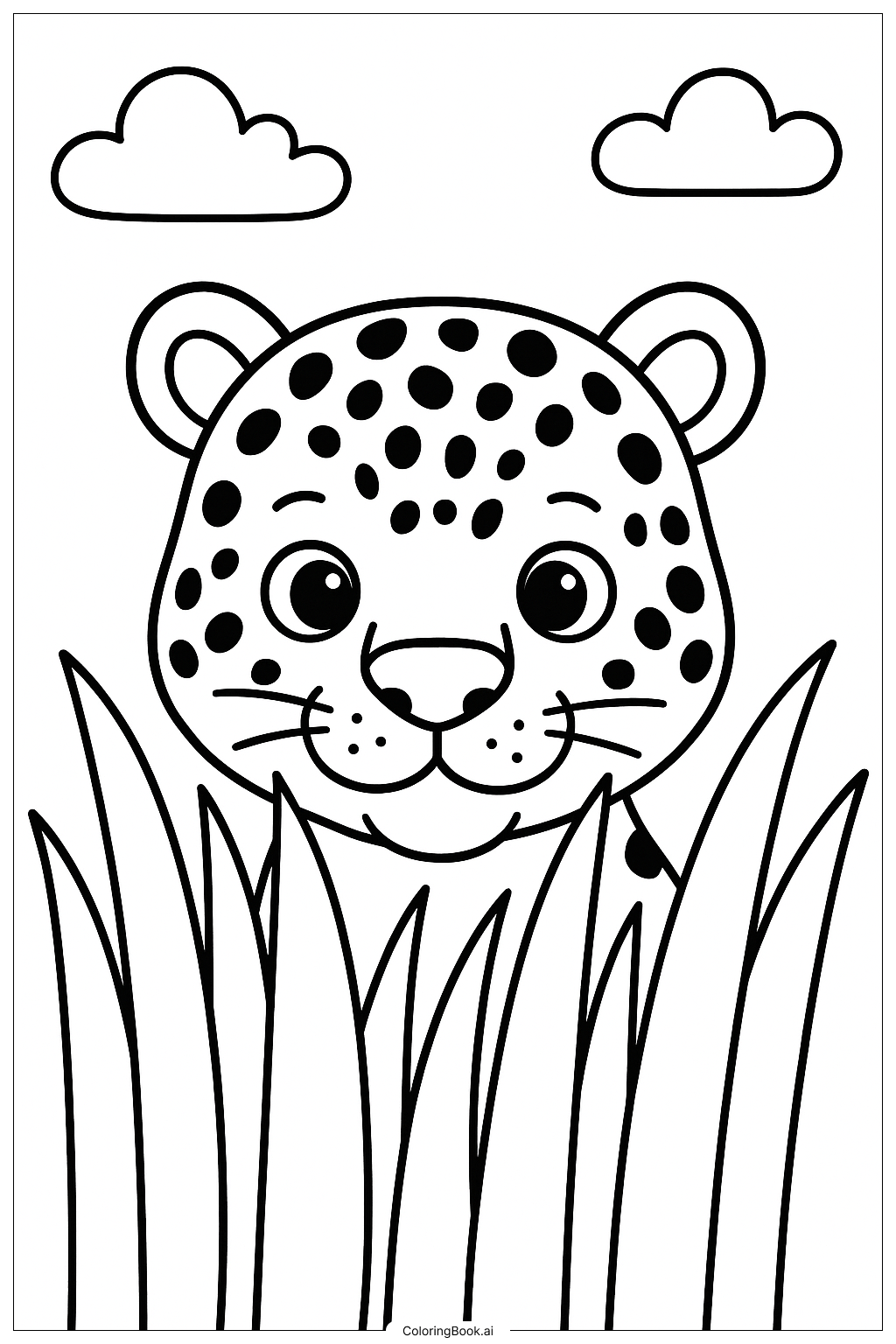
Coloring tips: How to color Leopard in Tall Grass coloring page well?
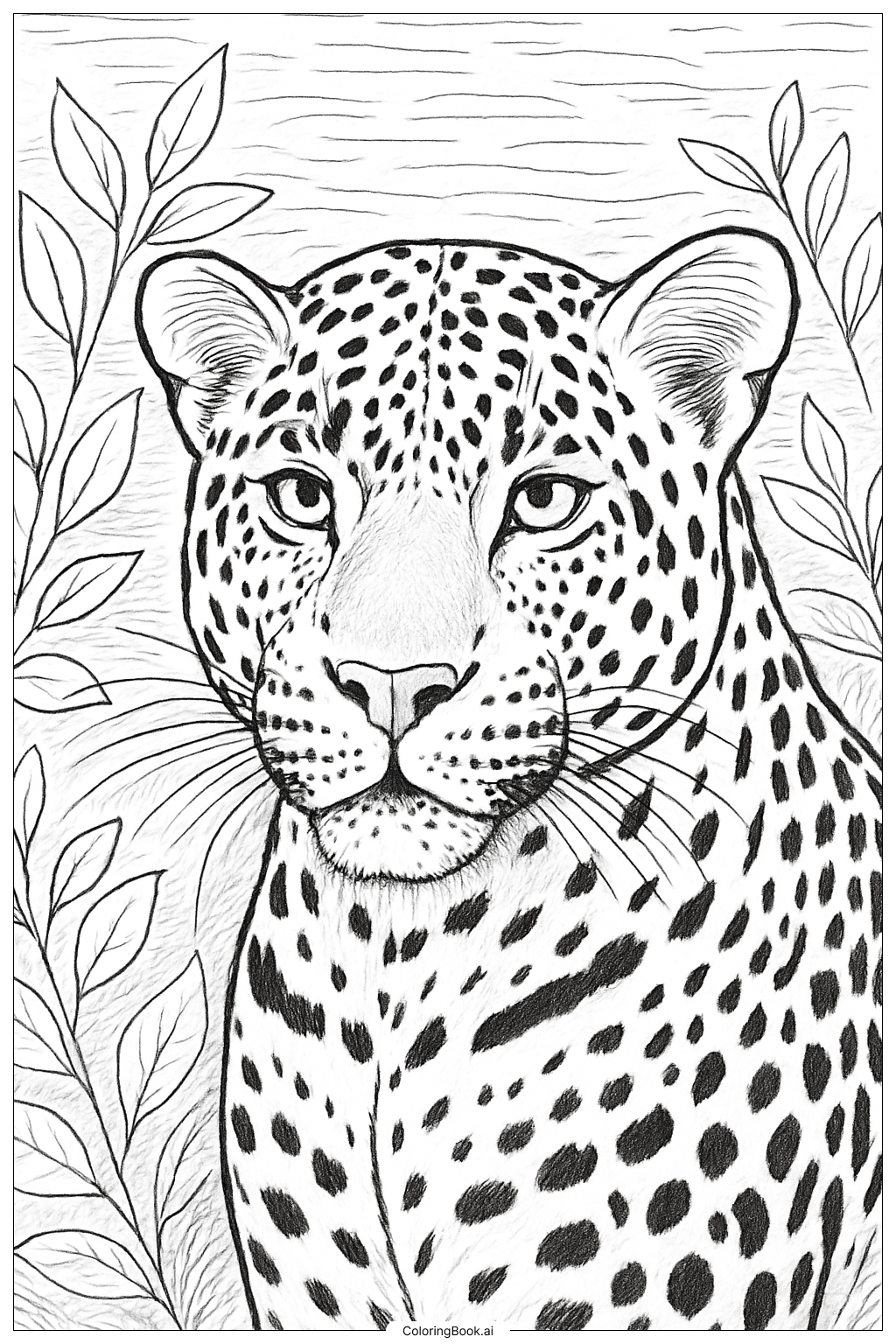
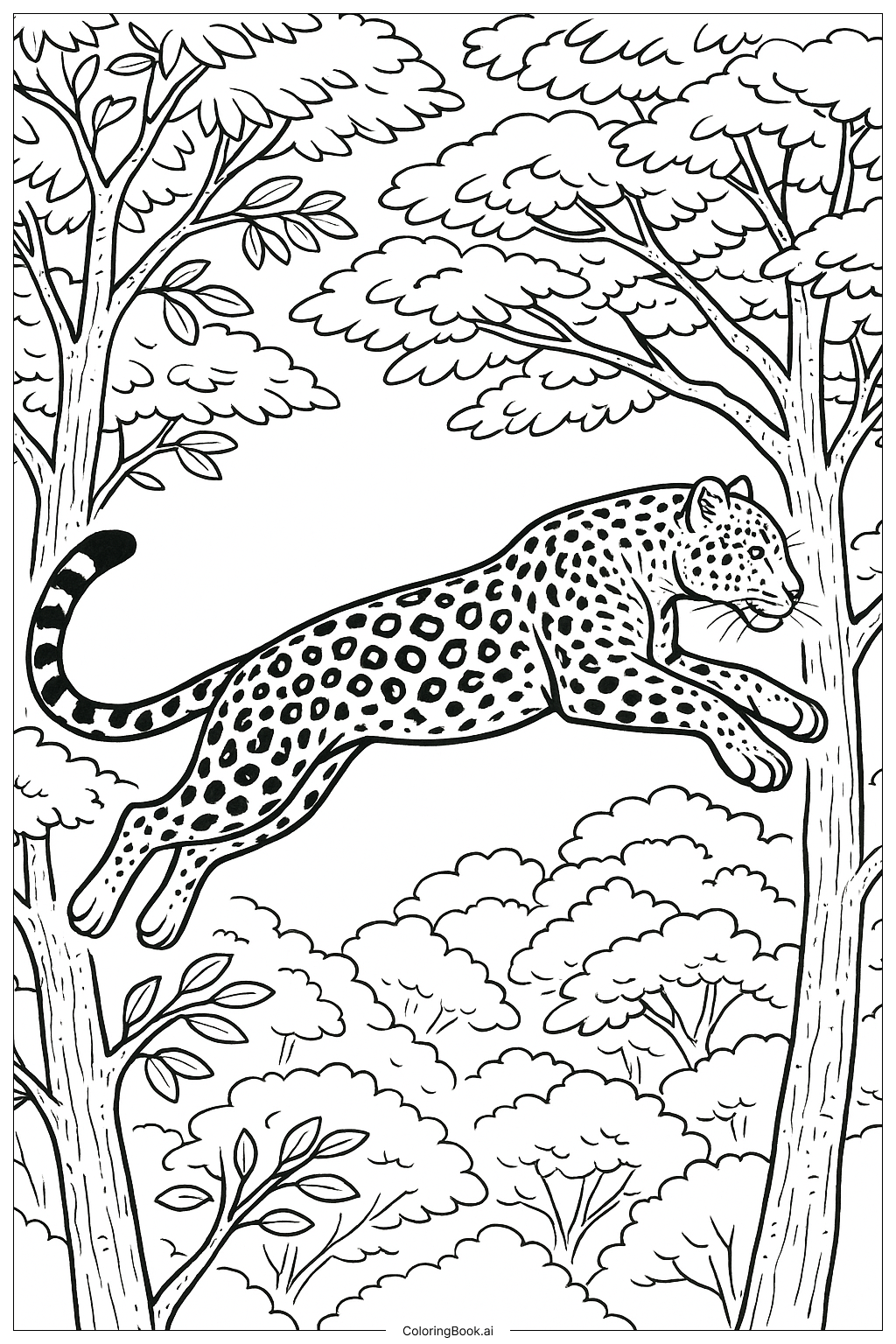
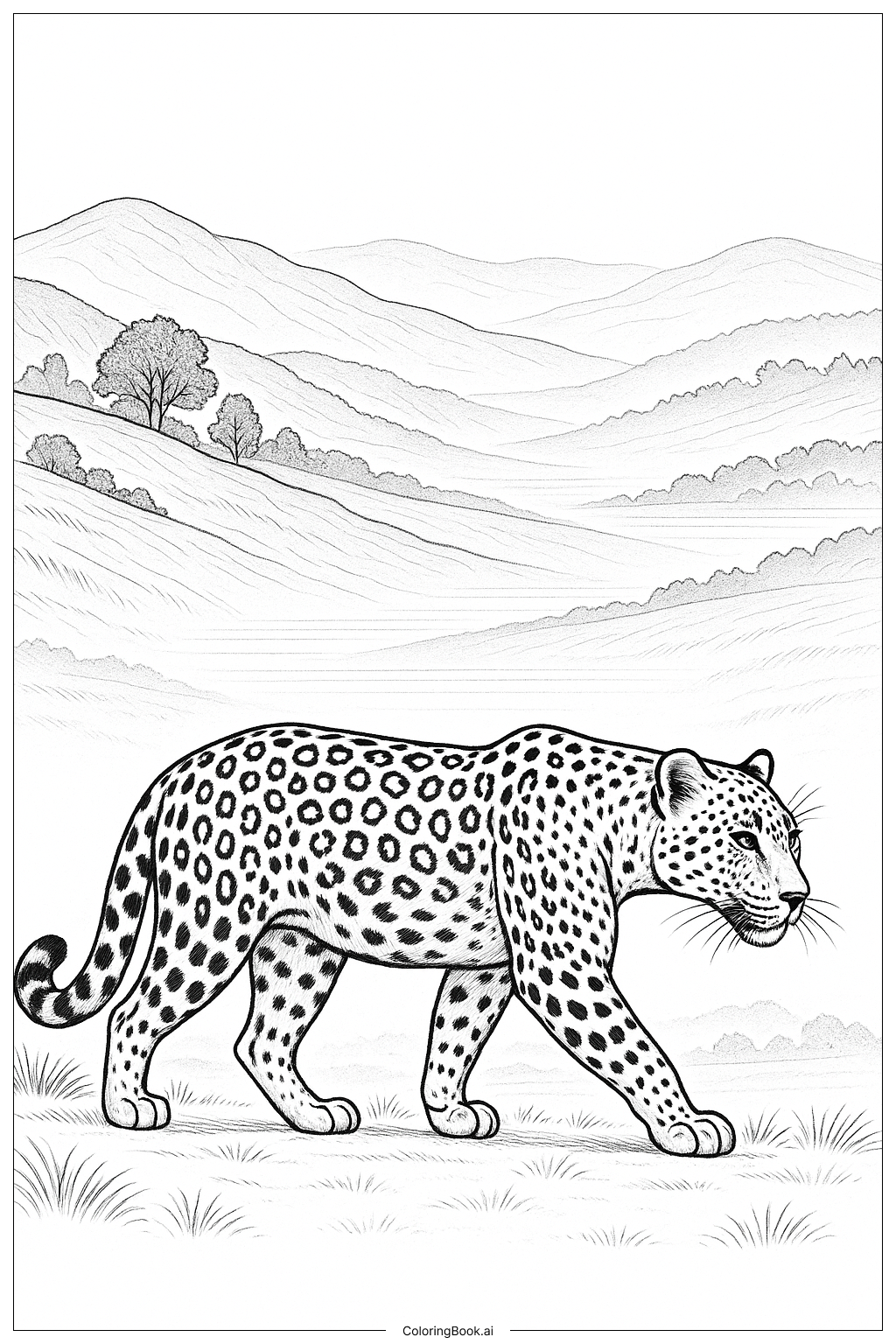
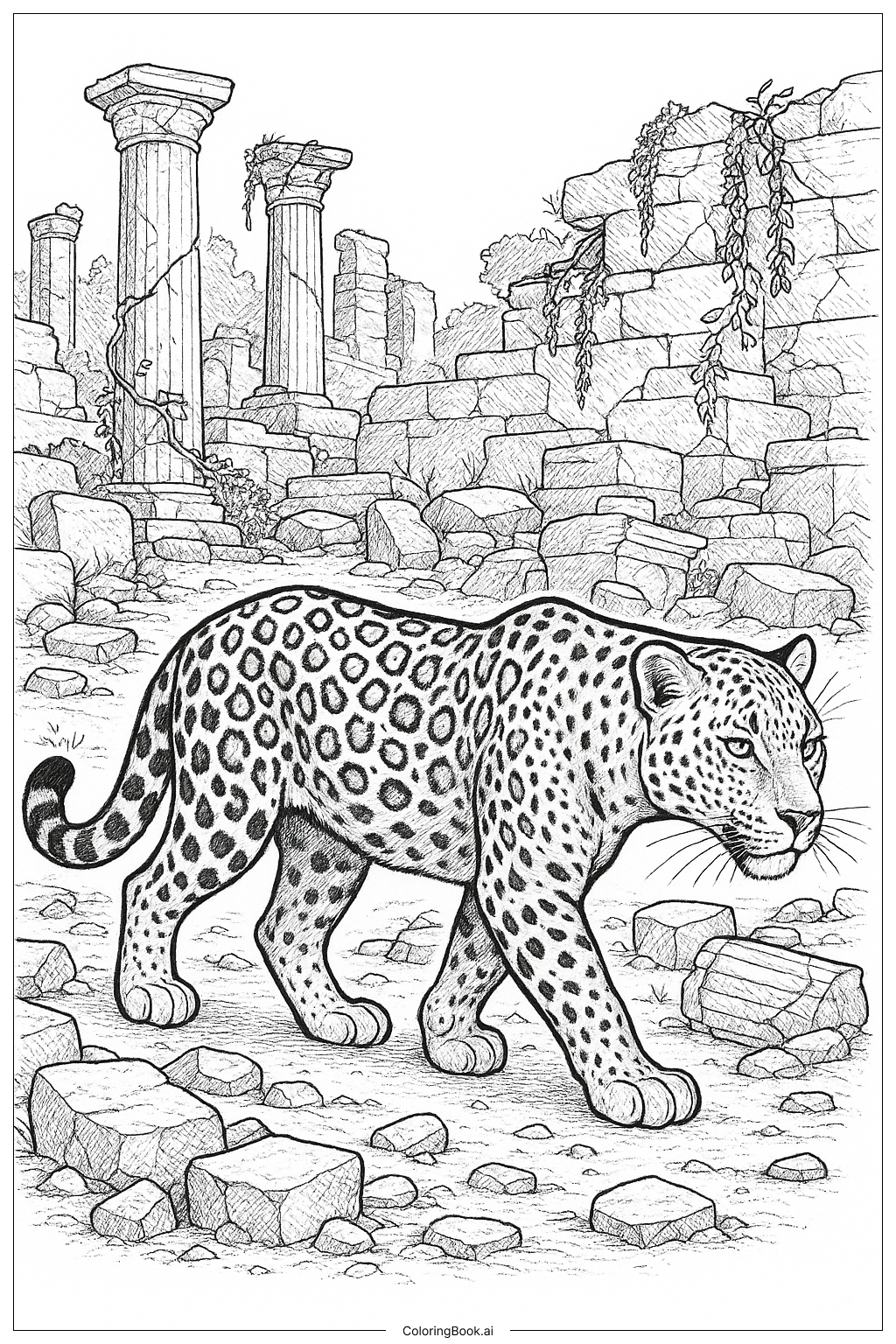
Use different shades of yellow, orange, and brown to color the leopard’s fur. Its spots can be colored in dark brown or black to make them stand out. For the tall grass, use various shades of green to give the picture a lively feeling. The sky can be colored light blue and the clouds white or light gray. Don’t forget to color the eyes black with a small white spot for the shine to make them look alive. You can also try blending colors to add depth to the grass and the leopard’s fur.
Coloring challenges: Which parts are difficult to color and need attention for Leopard in Tall Grass coloring page?
1. Coloring the leopard’s many spots might be tricky because they are different shapes and sizes. You need to color them carefully to keep the neat look. 2. The grass blades are close to each other, so coloring between them without going outside the lines can be hard. 3. Achieving the right mix of colors on the leopard’s face to make it look natural can take practice since the spots and base fur color overlap. 4. Adding shading and texture to the grass to make it look realistic might be difficult for younger children. 5. Coloring the eyes to appear bright and lively while maintaining the correct black and white balance requires attention.
Benefits of coloring books: Advantages of drawing Leopard in Tall Grass coloring page
Coloring this picture helps children improve their hand-eye coordination and fine motor skills due to the detailed spots and narrow grass blades. It also encourages creativity by allowing kids to experiment with different color combinations for the leopard and grass. The focus required to color carefully between the grass blades helps build concentration and patience. Lastly, it teaches children about animals and nature in a fun and engaging way.