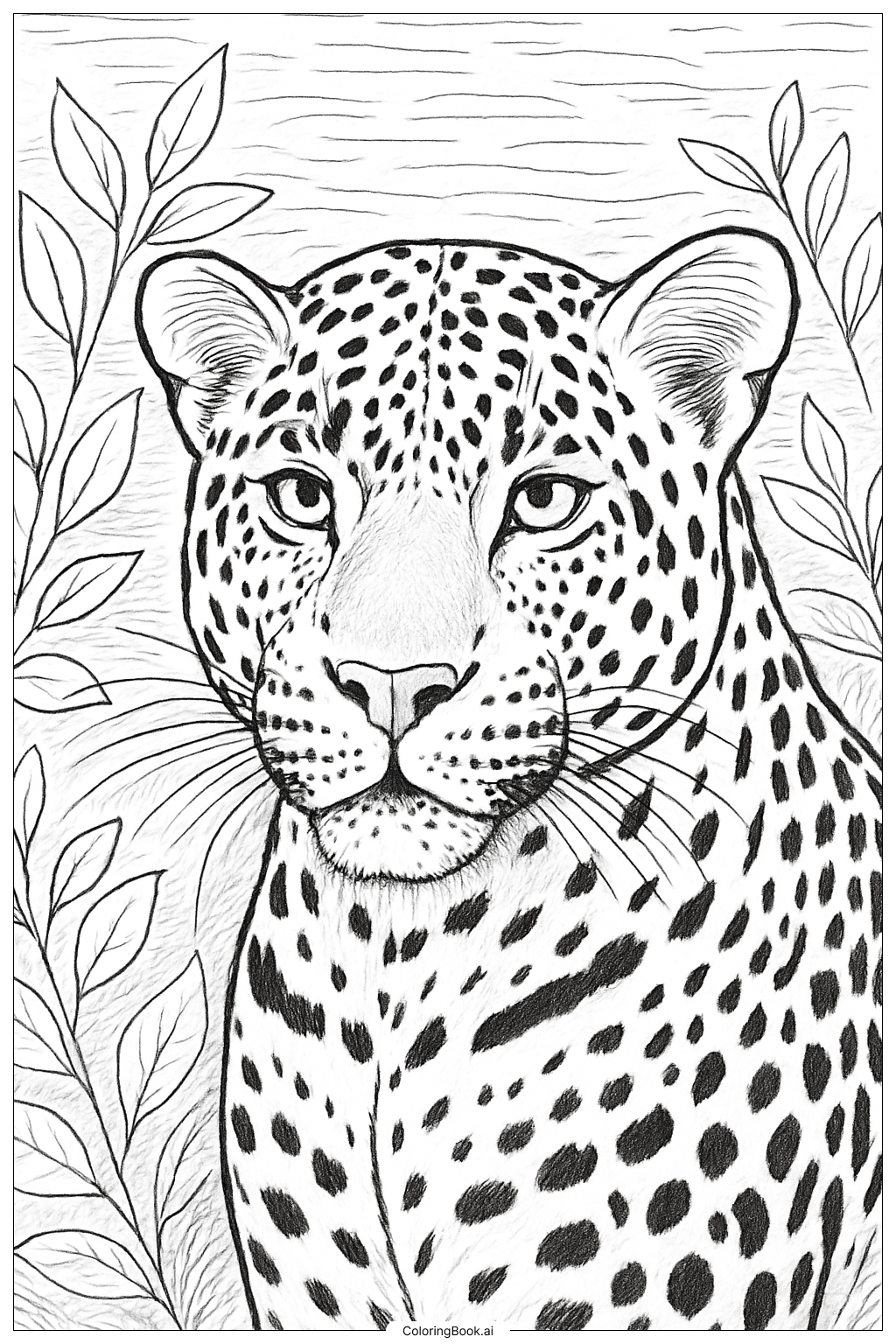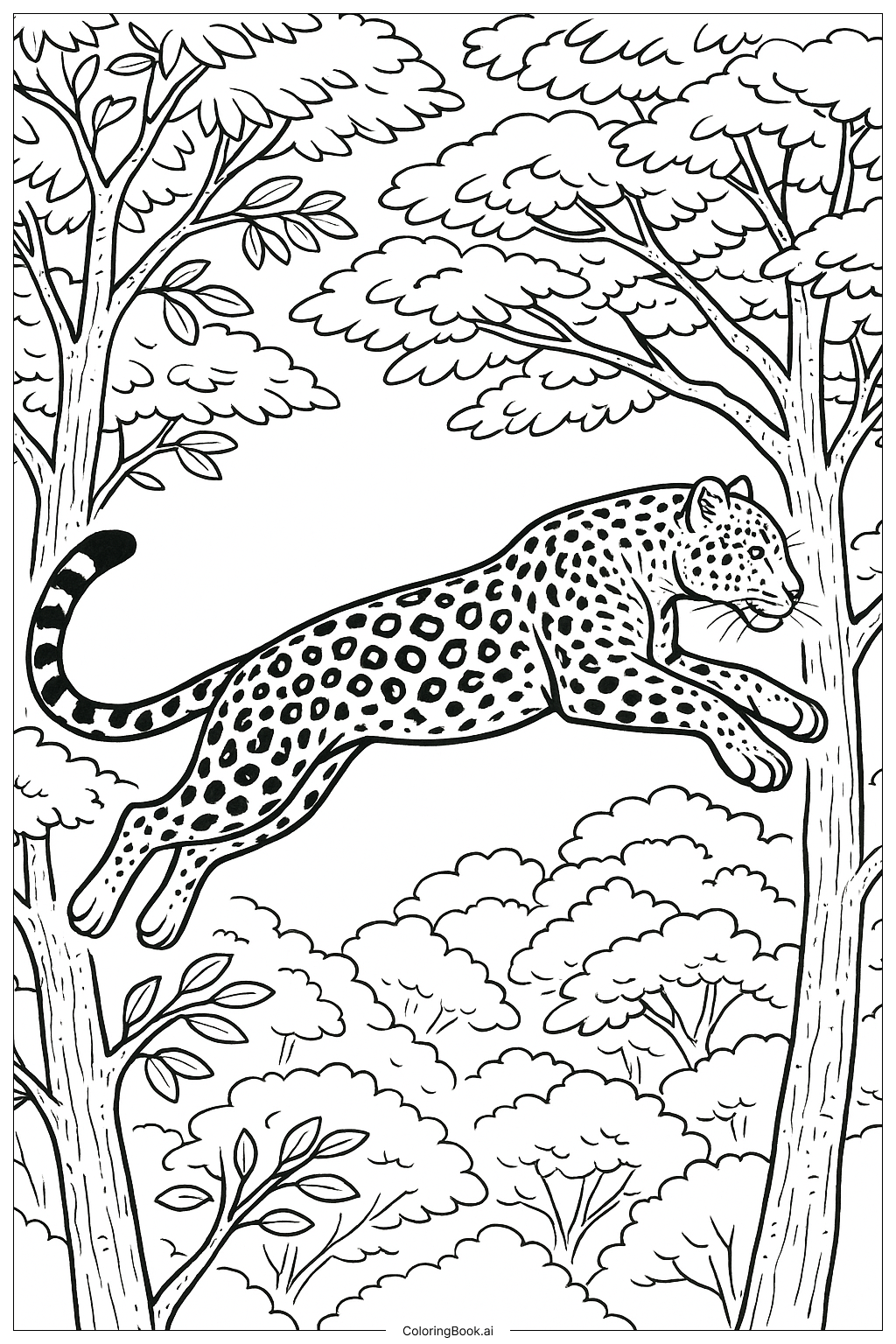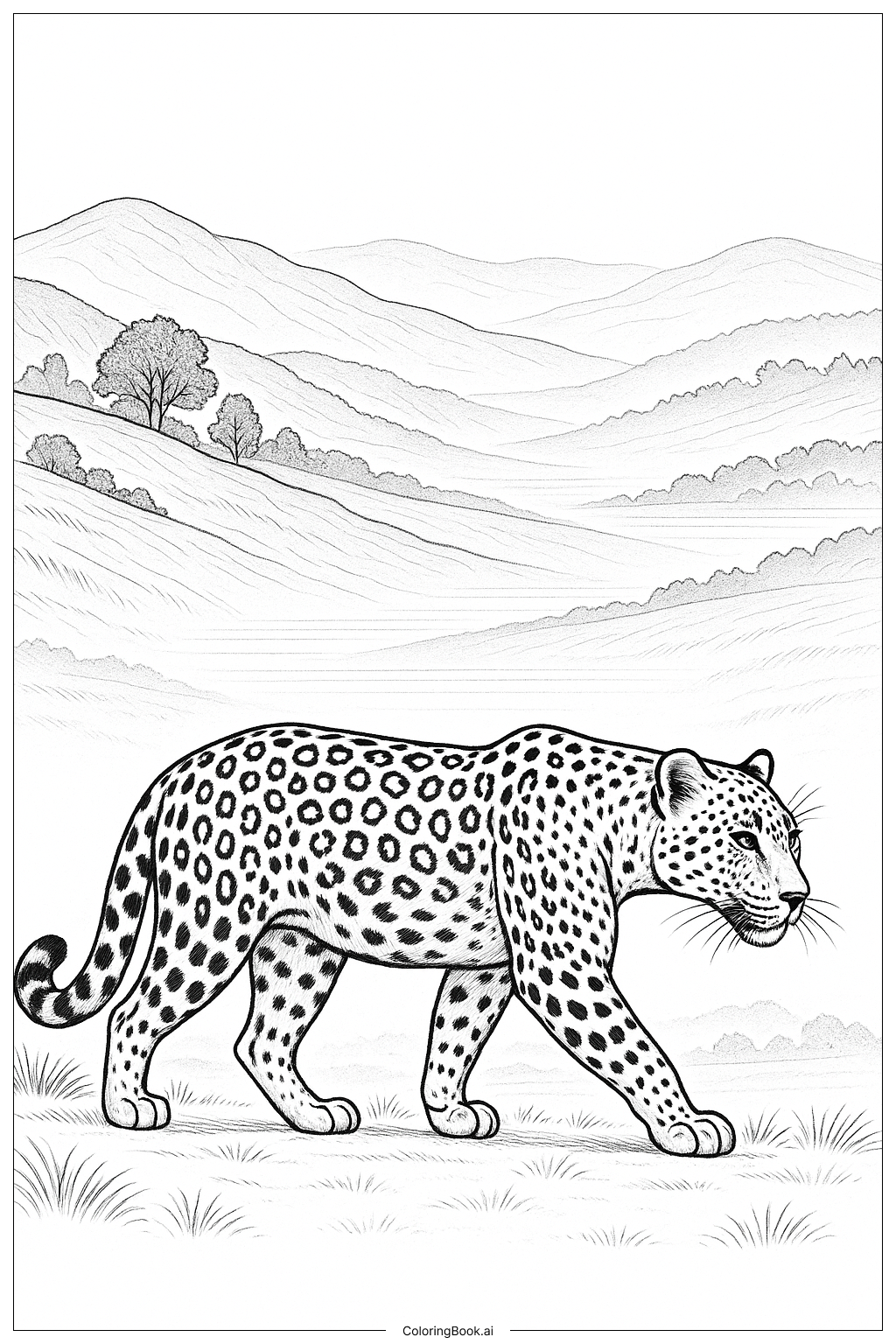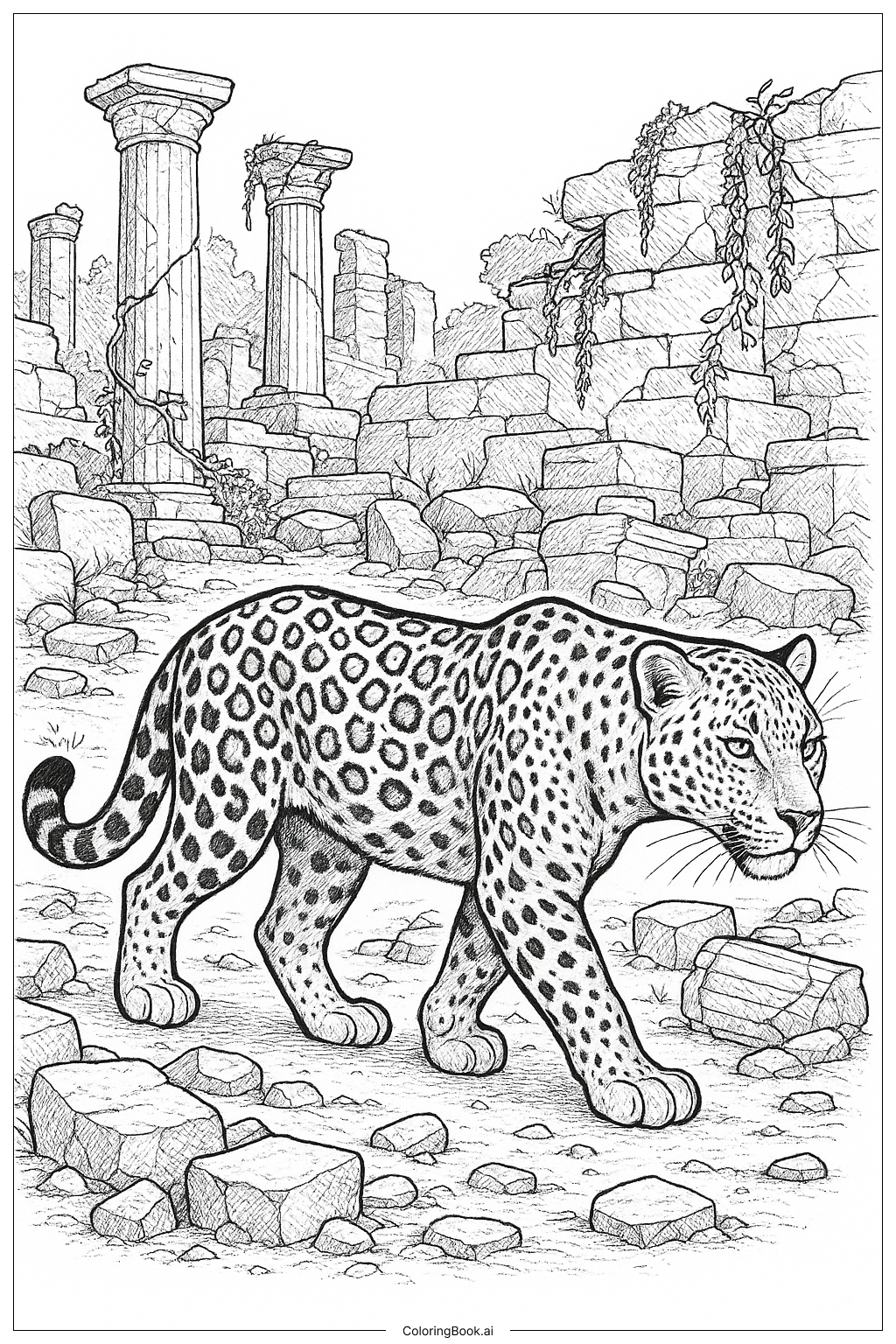
Coloring tips: How to color Leopard Family By Riverbank coloring page well?
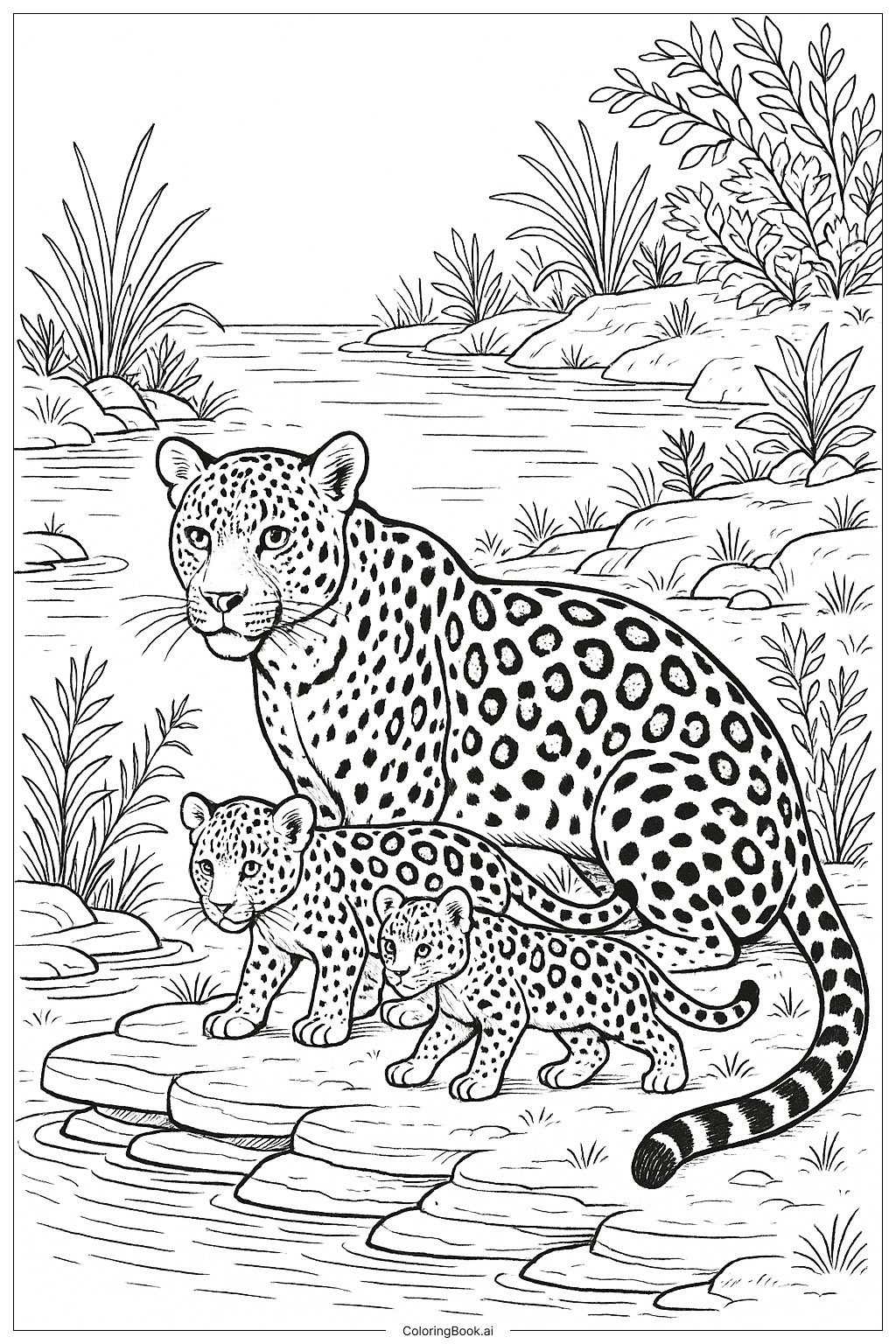
Use different shades of yellow and orange for the leopards’ fur. Color the spots in dark brown or black to make the leopards look real. For the river, use shades of blue and light green to show water reflection. Use different greens to color the plants and grass. Color the rocks in gray or light brown. You can also add soft colors to the riverbank and background to give a natural feel. Take your time with the spots on the leopards, as they are a fun and important detail.
Coloring challenges: Which parts are difficult to color and need attention for Leopard Family By Riverbank coloring page?
1. Coloring the leopard spots: The spots are small and close together, so it can be tricky to color each carefully without going outside the lines.
2. Shading the fur: Making the leopards look real requires subtle shading to show their body shape and fur texture.
3. Coloring the background plants: Many small leaves and blades of grass need different shades of green to look natural.
4. Keeping clean edges: There are many thin lines between the animals and the background, so staying inside the lines can be challenging.
5. Balancing colors: Using the right colors to blend the river, rocks, and plants so the whole picture looks harmonious can be hard.
Benefits of coloring books: Advantages of drawing Leopard Family By Riverbank coloring page
Coloring this picture helps improve your fine motor skills because of the small details. It also teaches you to pay attention to patterns, like the leopard spots. You can learn how to use colors to create depth and make things look 3D. It encourages creativity as you decide the colors for the plants and water. Finally, it makes you more patient and focused, as the picture needs careful work to color all parts nicely.