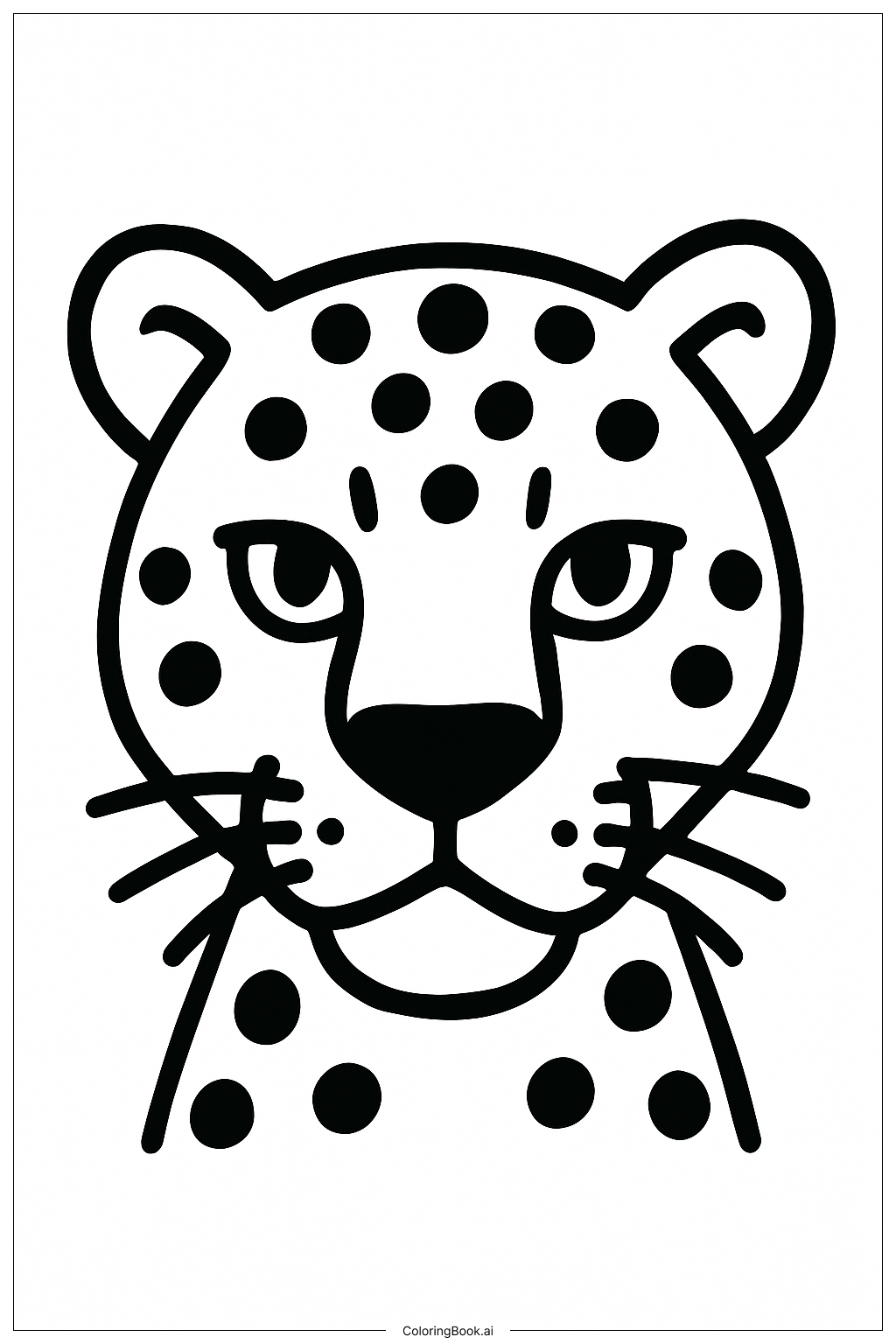
Coloring tips: How to color Leopard Face Closeup coloring page well?
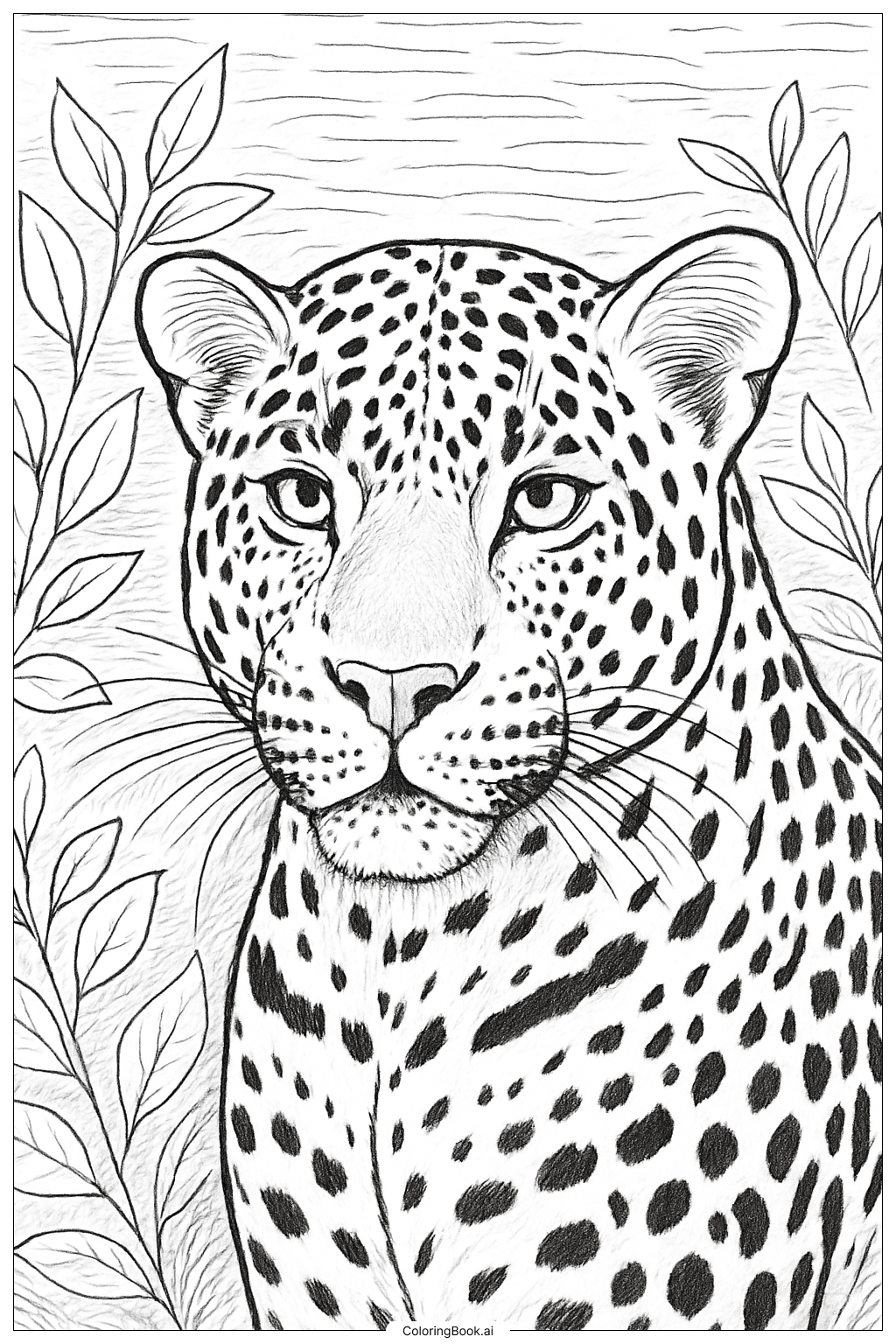
Use shades of yellow and orange for the fur to make the leopard look natural. Color the spots and nose in black or dark brown. Use light pink or soft beige for the inside of the ears and around the mouth. For the eyes, try shades of green or yellow to make them stand out. Adding a light shade of gray or white around the eyes and on the chin can add depth. You can also use different coloring tools like crayons, markers, or colored pencils to create smooth or textured effects.
Coloring challenges: Which parts are difficult to color and need attention for Leopard Face Closeup coloring page?
1. Small spots on the face require careful coloring to stay inside the lines without smudging. 2. Coloring the eyes with the right detail and expression can be tricky. 3. The whiskers are thin and might be hard to color neatly. 4. Adding shading or depth without making the colors too dark can be challenging. 5. Painting inside the small spaces near the mouth and nose demands steady hands and patience.
Benefits of coloring books: Advantages of drawing Leopard Face Closeup coloring page
Coloring this picture helps improve fine motor skills and hand-eye coordination. It encourages attention to detail when working on small spots and whiskers. It also boosts creativity by allowing the use of different colors and shading techniques. Kids can learn about the leopard’s appearance and appreciate wildlife. Additionally, coloring can be relaxing and build patience as they focus on completing the picture carefully.