Coloring tips: How to color Hummingbird Over Small Pond coloring page well?
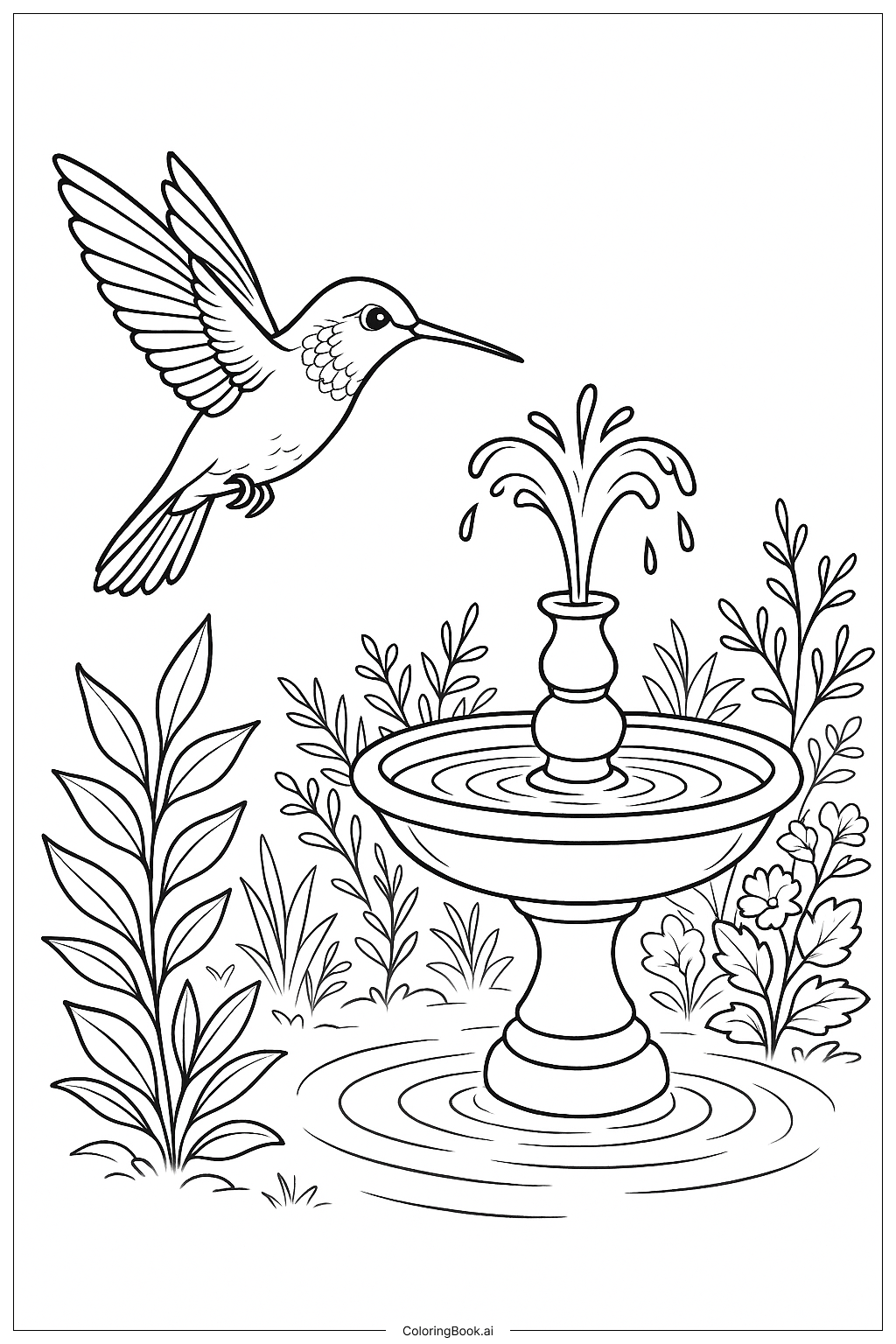
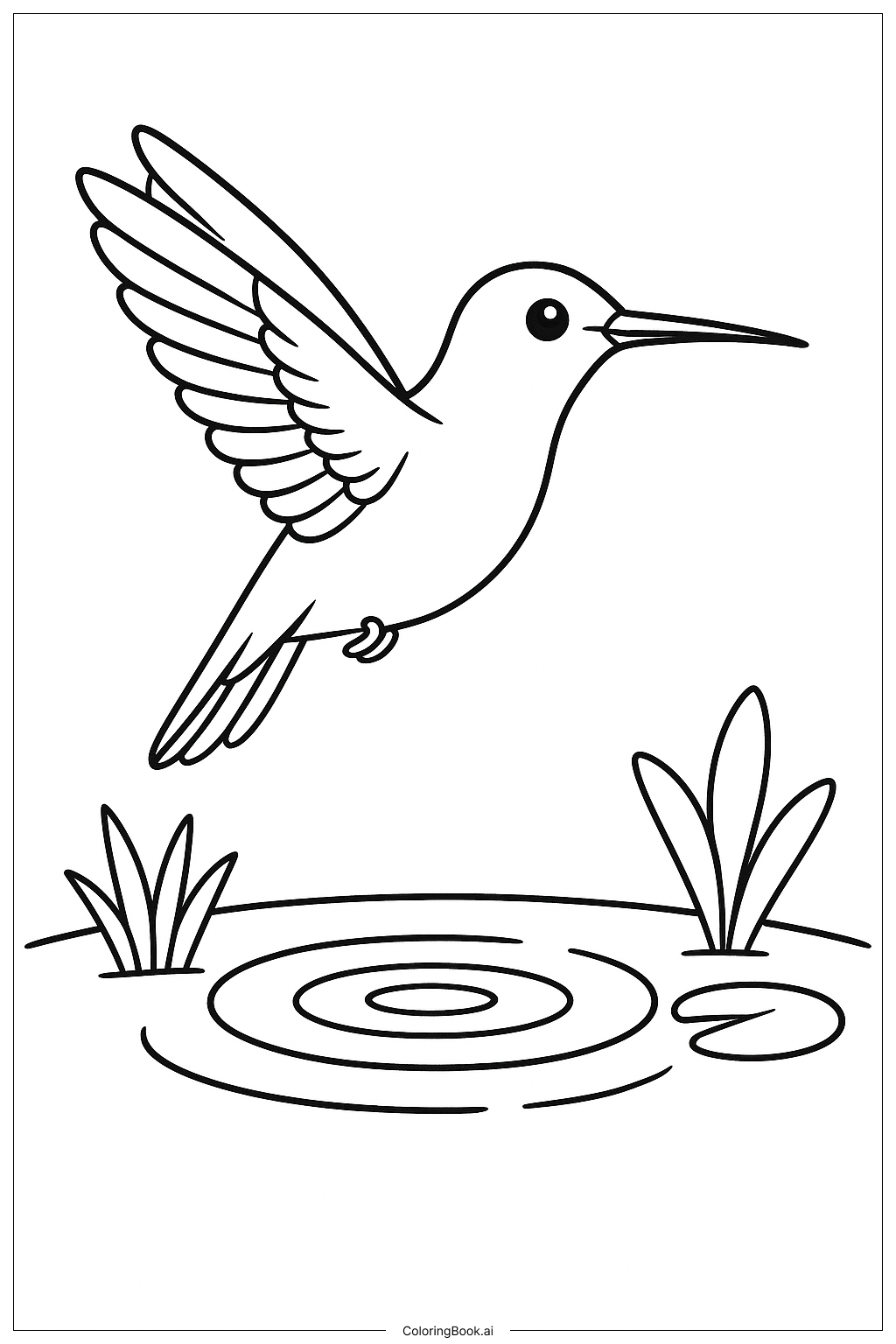
Use bright and vibrant colors for the hummingbird to make it stand out. You can use greens, blues, or even reds for the feathers, as hummingbirds often have shiny and colorful feathers. For the pond, use different shades of blue to show the water. Color the lily pad green, and use light and dark greens for the grasses and plants. Try blending colors gently on the wings and water ripples for a smooth effect. Remember to keep the background light so the hummingbird stays the main focus.
Coloring challenges: Which parts are difficult to color and need attention for Hummingbird Over Small Pond coloring page?
1. Coloring the wings and feathers of the hummingbird can be tricky because of the small and detailed shapes. It needs careful coloring to keep the lines clear. 2. The water ripples in the pond require smooth blending of colors to show movement but staying inside the lines might be hard. 3. The small plants beside the pond have narrow leaves that need precise coloring. 4. Balancing bright colors on the hummingbird with softer colors on the pond and plants could be a challenge for beginners. 5. Avoid coloring outside the lines to keep the picture neat, which might take patience, especially for young children.
Benefits of coloring books: Advantages of drawing Hummingbird Over Small Pond coloring page
Coloring this picture helps children practice their fine motor skills by working on small details like the hummingbird's wings and the plants. It encourages creativity through choosing bright colors for the bird and natural tones for the pond and surroundings. This activity also helps children learn about nature and the beauty of hummingbirds. Focusing on staying within the lines can improve their concentration and patience. Overall, it is a calming and educational coloring experience.