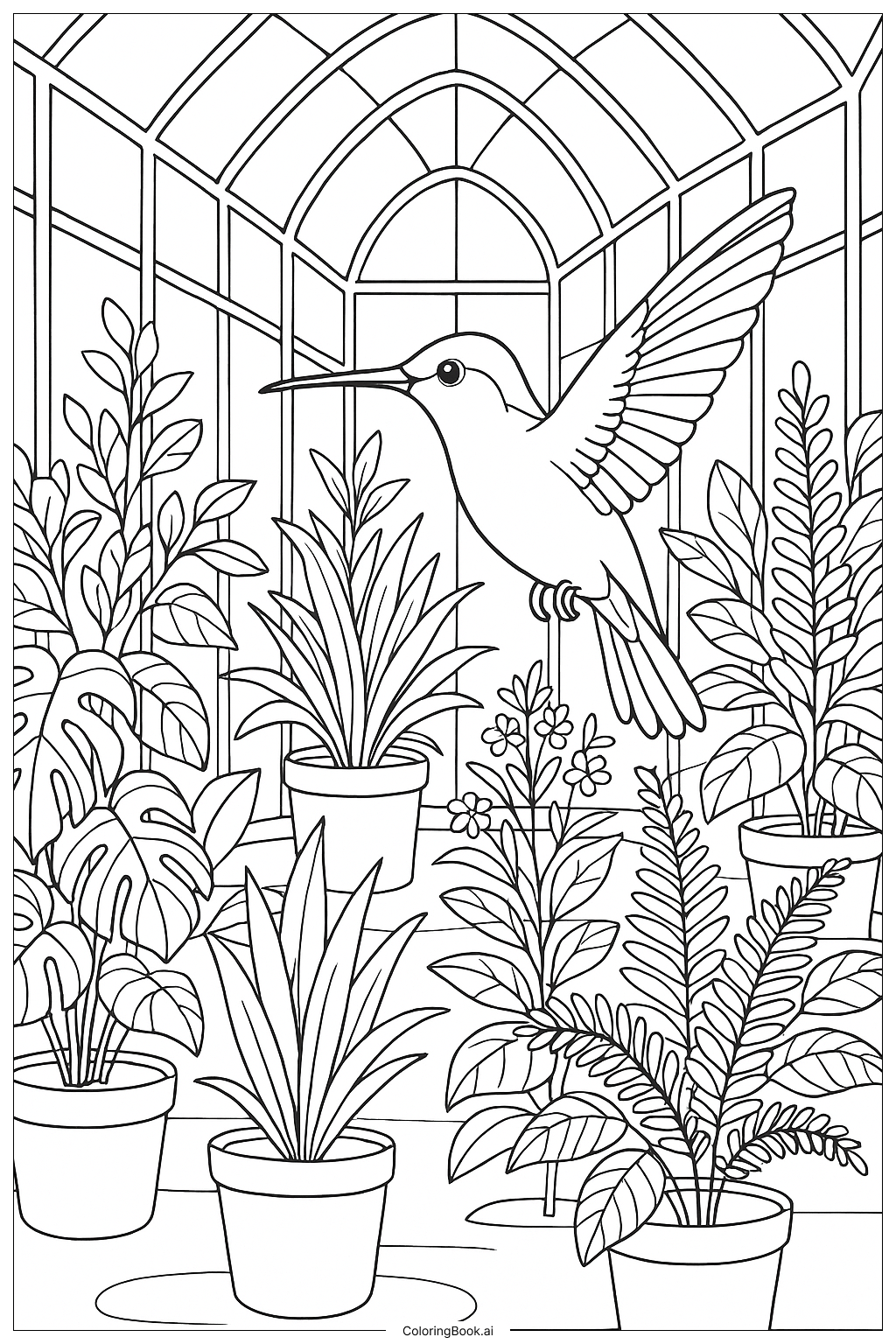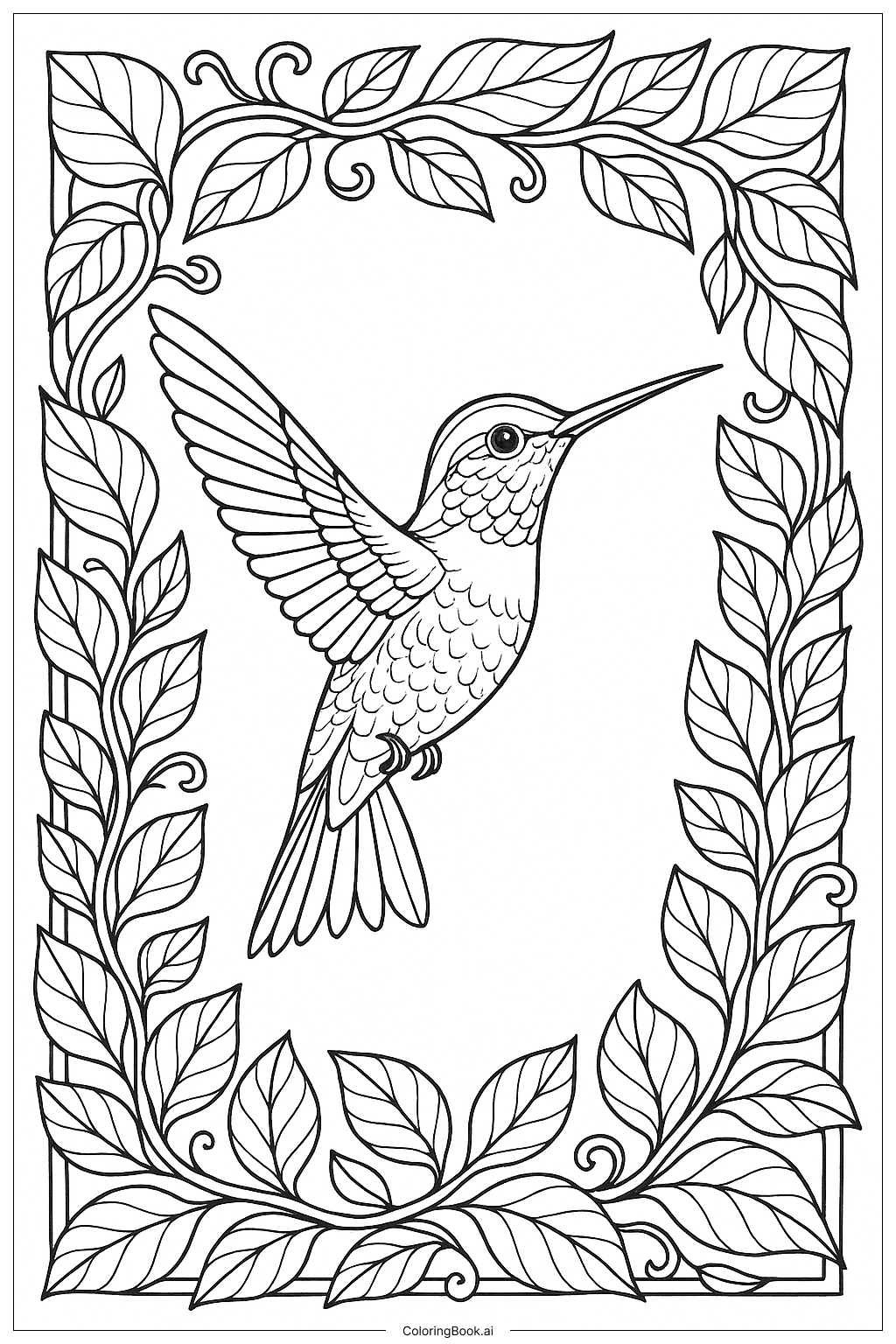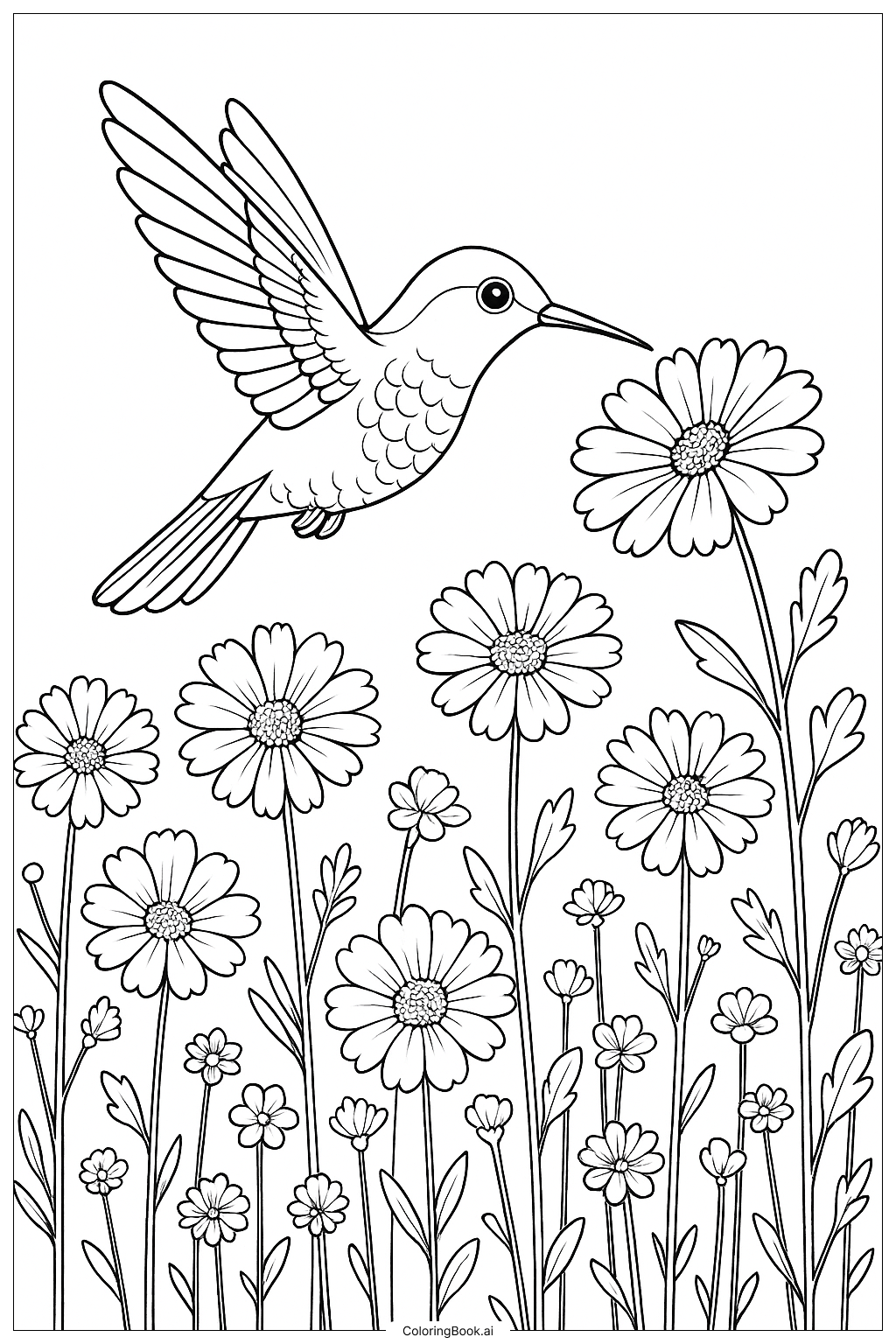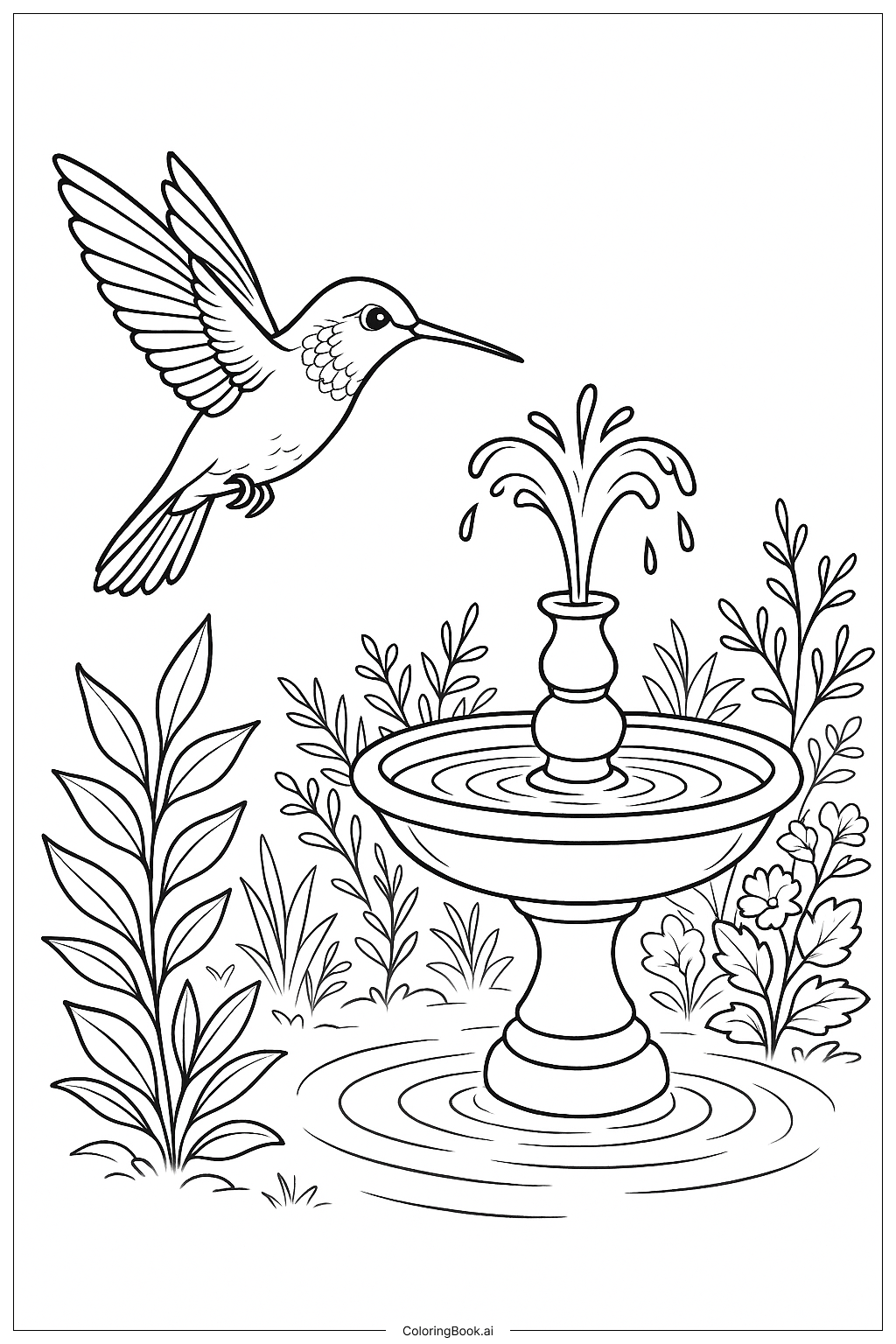
Coloring tips: How to color Hummingbird Facing Front coloring page well?
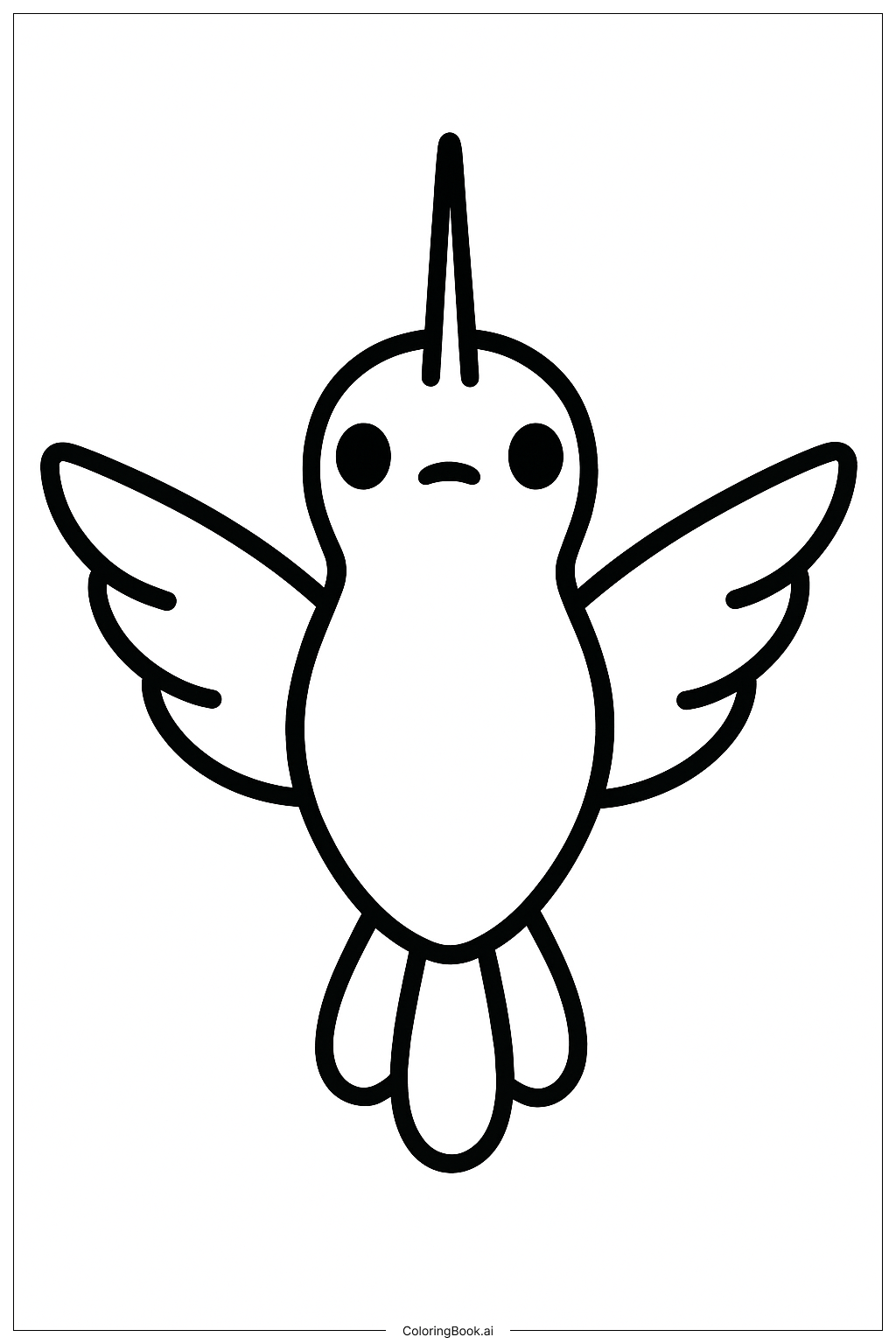
Try using bright colors for the hummingbird to make it lively. You can color the body with shades of green or blue. Use contrasting colors like red, orange, or yellow for the wings and tail to create a vibrant look. For the eyes, black or dark brown can work well. Don’t forget to color the beak in a natural color like brown or gray. You can also add some light shading with crayons or colored pencils to add more depth and make your hummingbird look more three-dimensional.
Coloring challenges: Which parts are difficult to color and need attention for Hummingbird Facing Front coloring page?
1. Coloring inside the small wing sections can be tricky because of the narrow spaces and curves. Take your time to stay inside the lines. 2. Keeping the colors balanced between the body, wings, and tail might be difficult. Try picking colors that look good together. 3. Coloring the beak neatly can be hard because it is long and thin. Use a sharp colored pencil or thin brush for this part. 4. Adding shading to make the hummingbird look round and lively might need practice with pressure and layering. 5. Avoid mixing too many colors in one area, as it can make the picture look messy.
Benefits of coloring books: Advantages of drawing Hummingbird Facing Front coloring page
Coloring this hummingbird helps improve fine motor skills as children carefully color inside the lines. It encourages creativity by letting kids choose their own color combinations. Coloring also helps with focus and concentration. Because the image is simple but detailed, it is good for practicing patience and attention to small details. This activity can be relaxing and fun, helping children develop a sense of accomplishment when they finish.