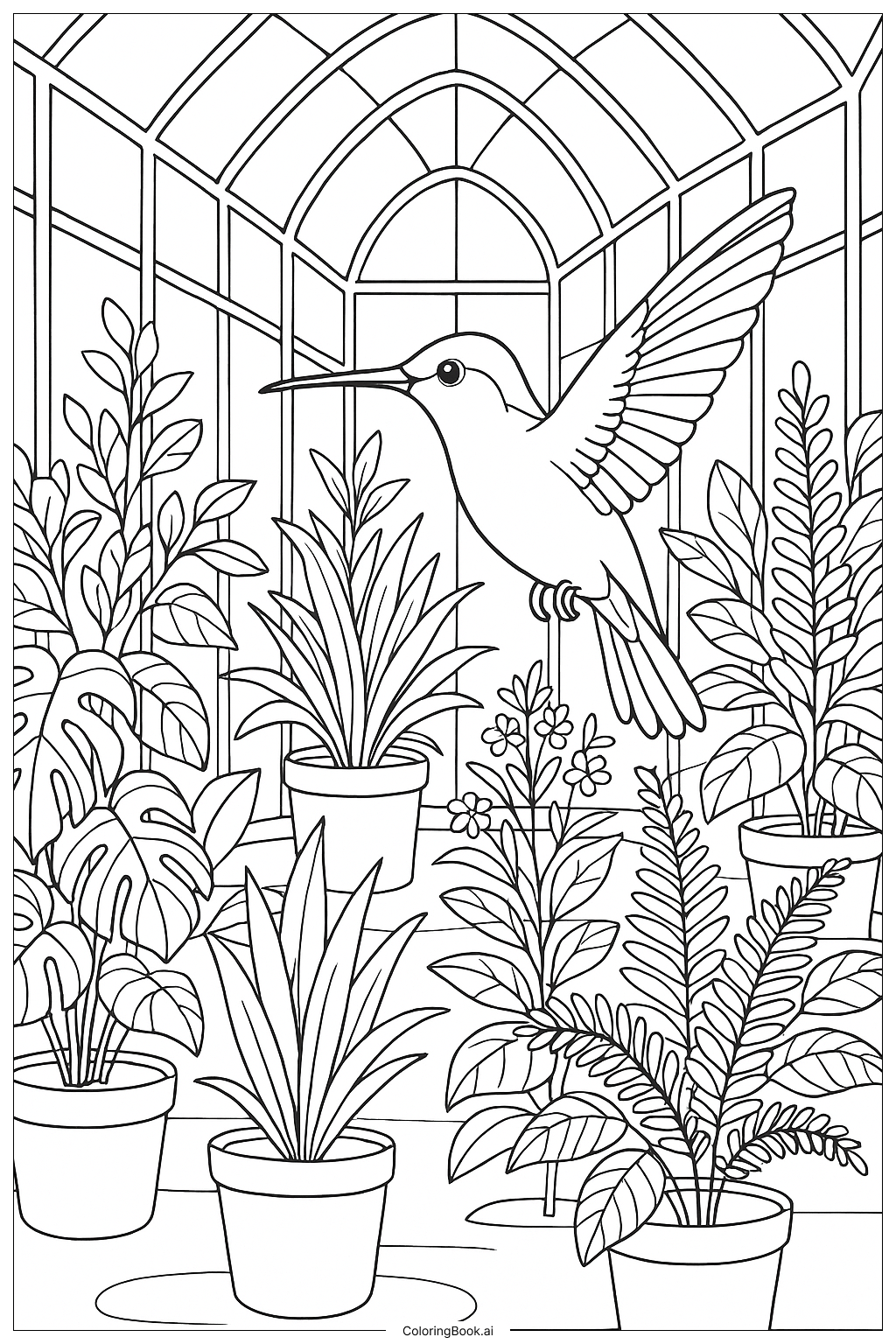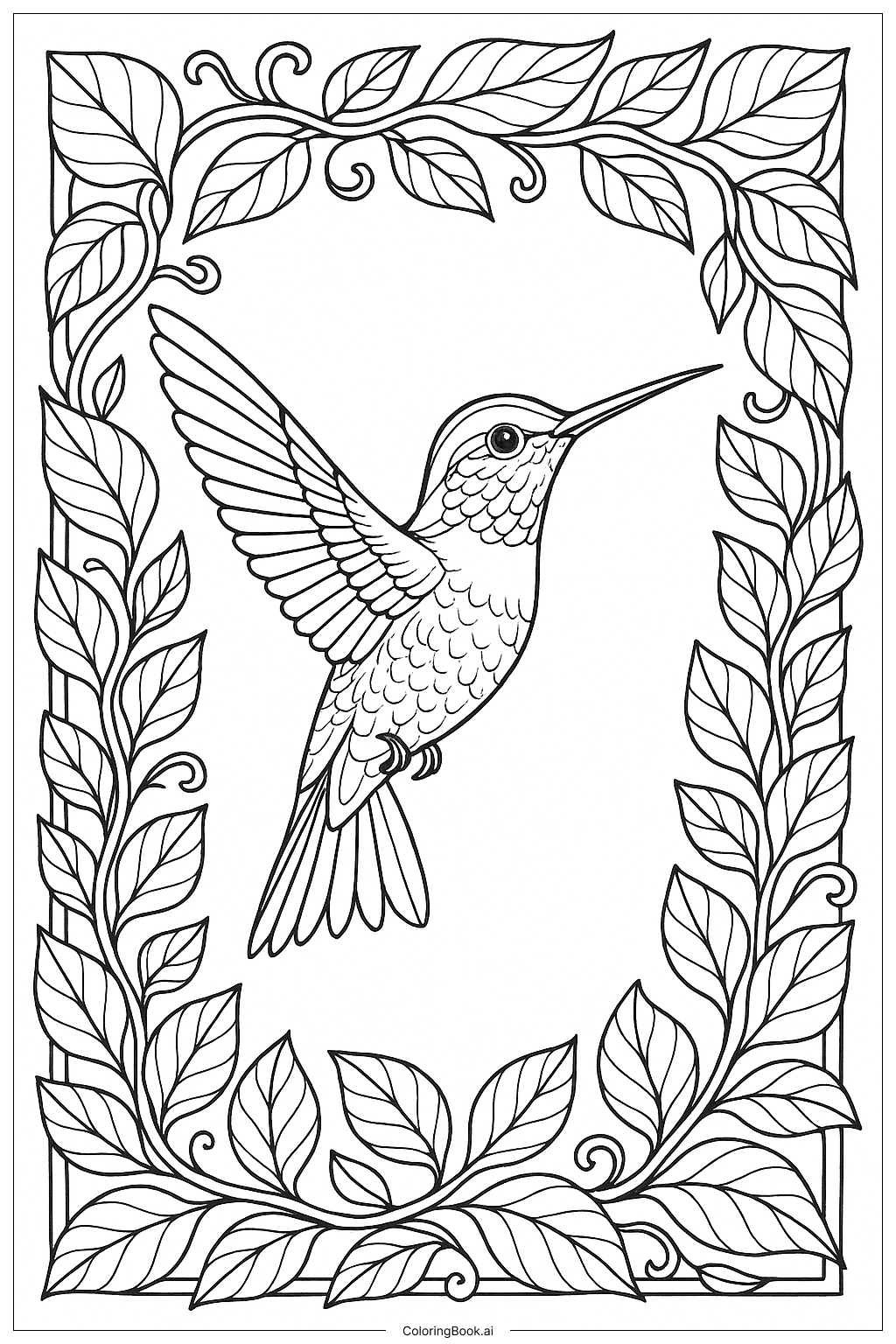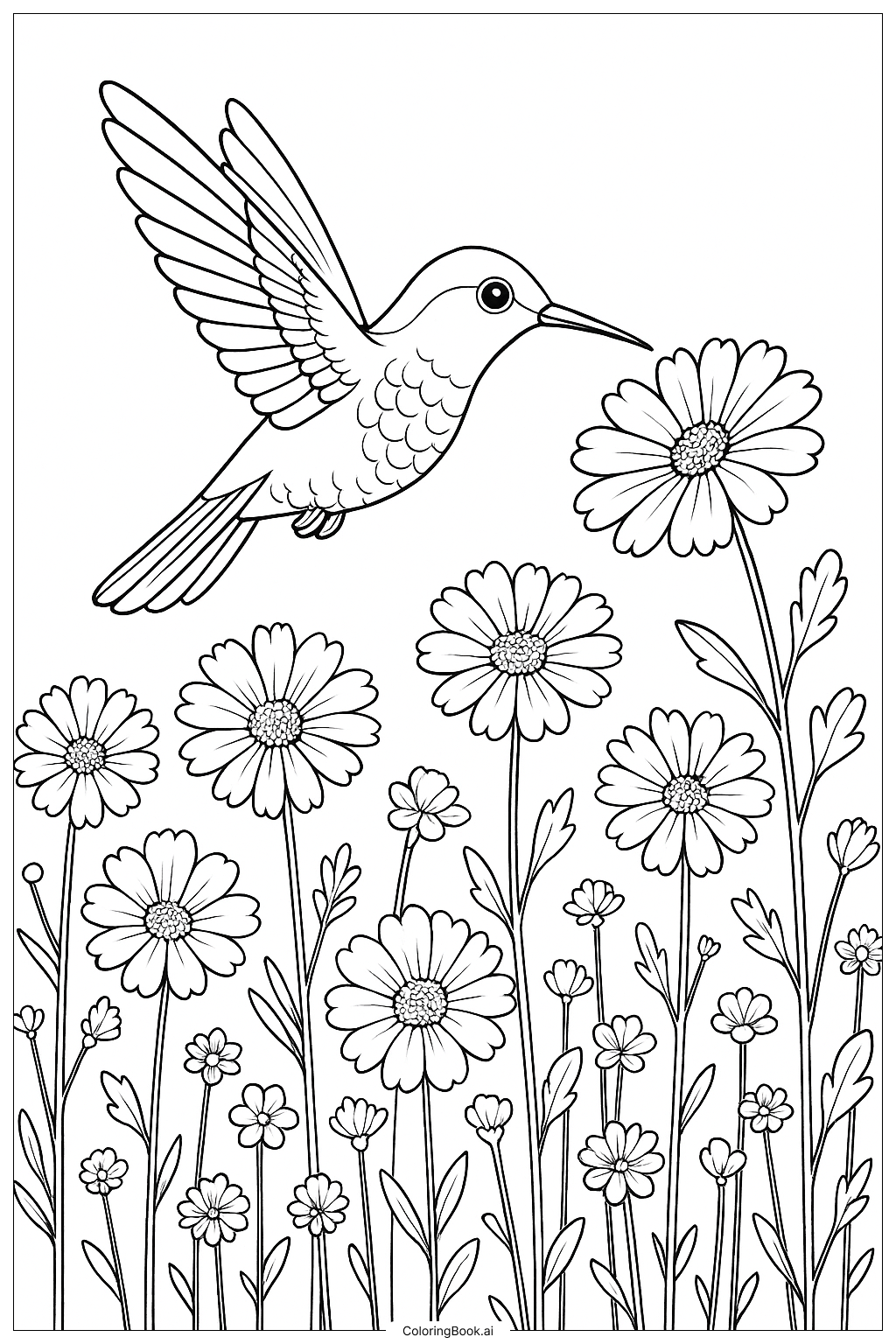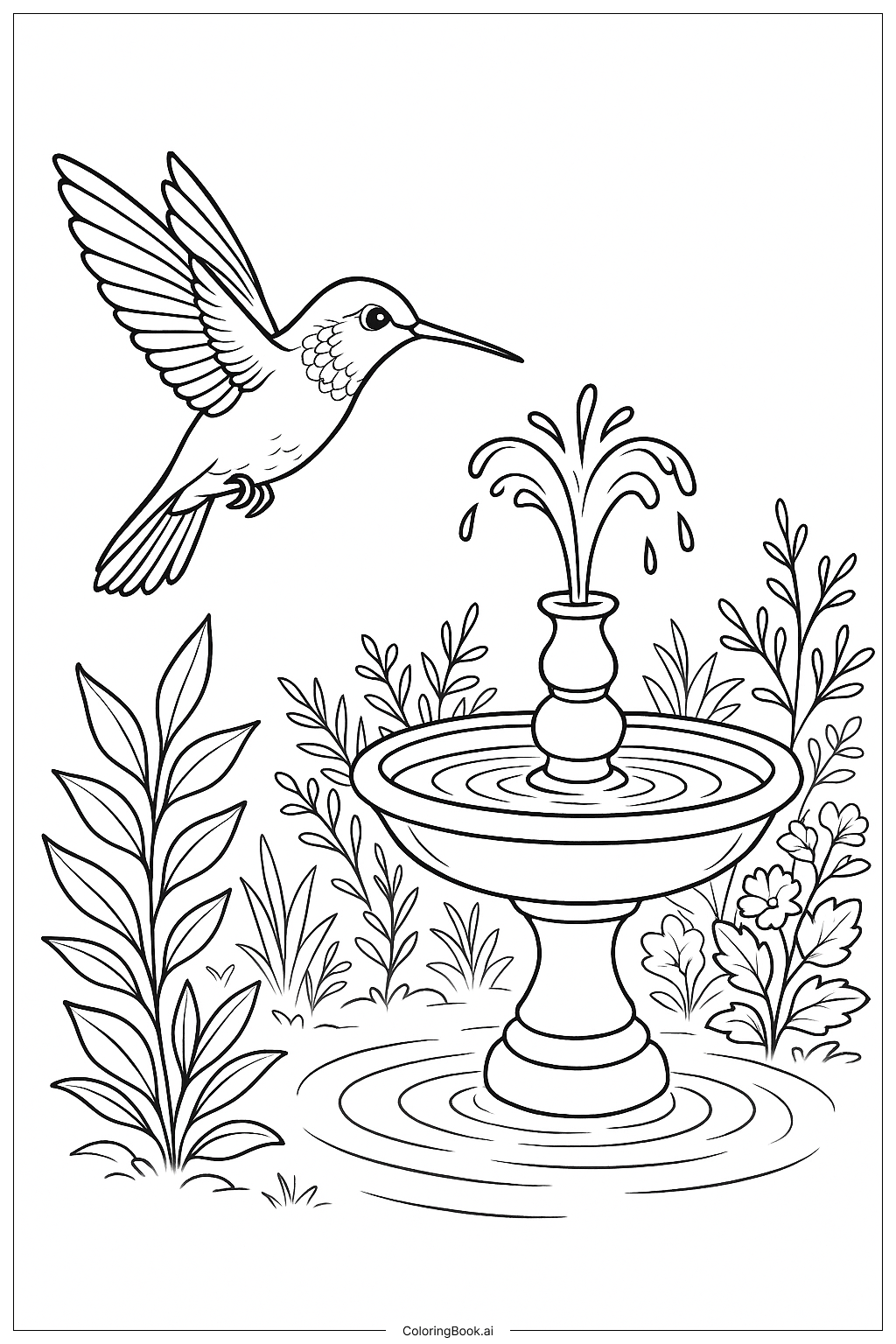
Coloring tips: How to color Hummingbird And Garden Fence coloring page well?
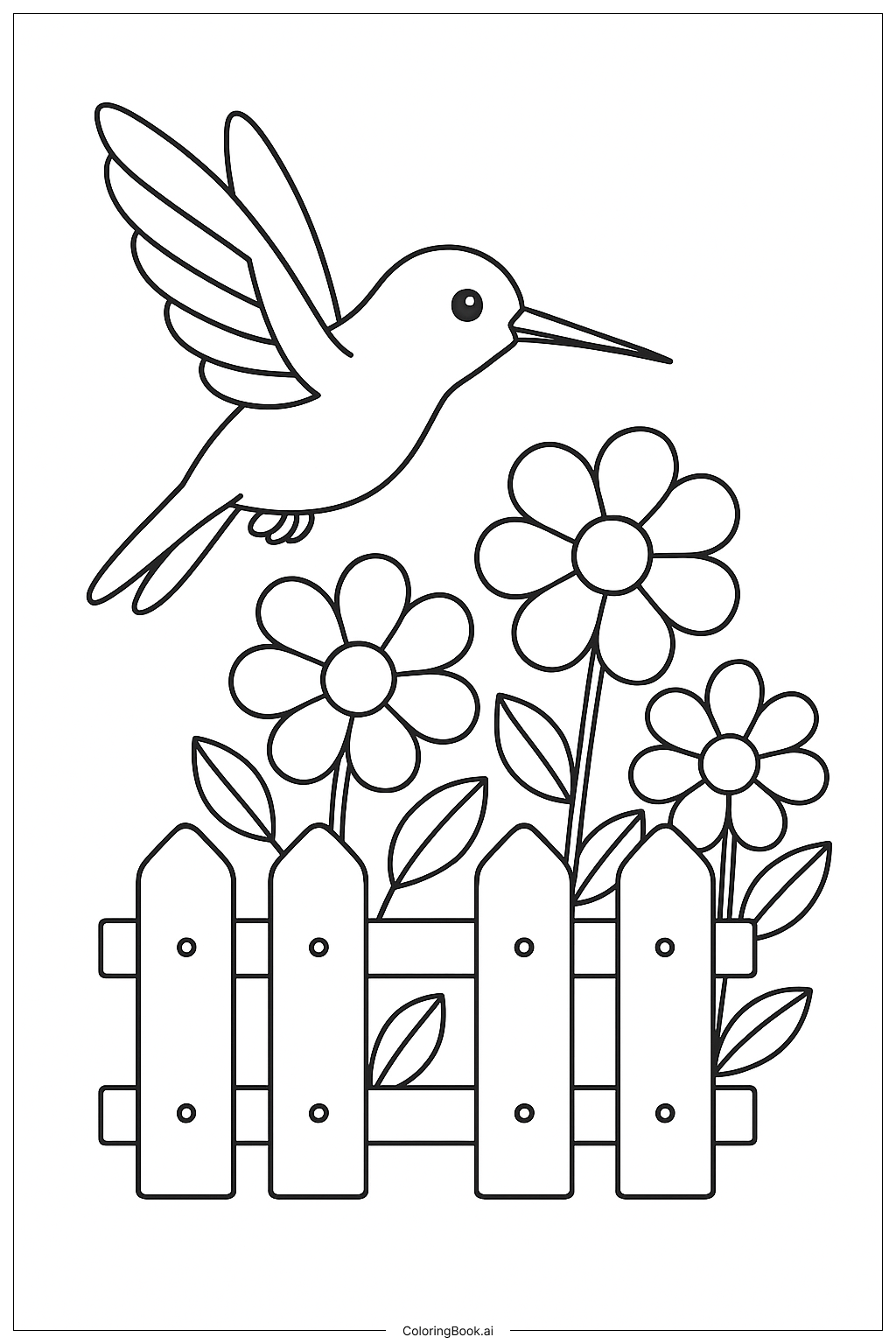
Use bright colors for the hummingbird, like green, blue, or red to make it stand out. Color the fence with natural wood colors such as brown or beige. For the flowers, use cheerful hues like yellow, pink, purple, or orange. The leaves and stems can be in different shades of green to add depth. Consider using lighter colors for the background to keep the focus on the hummingbird and flowers. You can also add details like shading or blending colors gently to make the picture come alive.
Coloring challenges: Which parts are difficult to color and need attention for Hummingbird And Garden Fence coloring page?
1. Coloring the hummingbird’s wings can be tricky because they are thin and need careful coloring to keep them neat. 2. The flowers have many petals, so staying within the lines requires patience. 3. The leaves overlap with the fence, which requires attention to color the right parts without mixing them. 4. Coloring small details like the screws on the fence needs fine motor skills. 5. Balancing colors so the hummingbird stands out but the flowers and fence still look attractive can be a challenge.
Benefits of coloring books: Advantages of drawing Hummingbird And Garden Fence coloring page
Coloring this page helps kids improve their hand-eye coordination and fine motor skills by working on small areas like petals and wings. It also encourages creativity by choosing different colors for nature elements like flowers, birds, and wood. This activity can teach children about the beauty of nature and make them more aware of animals and plants around them. Additionally, coloring helps children focus and relax, making it a fun and calming pastime.