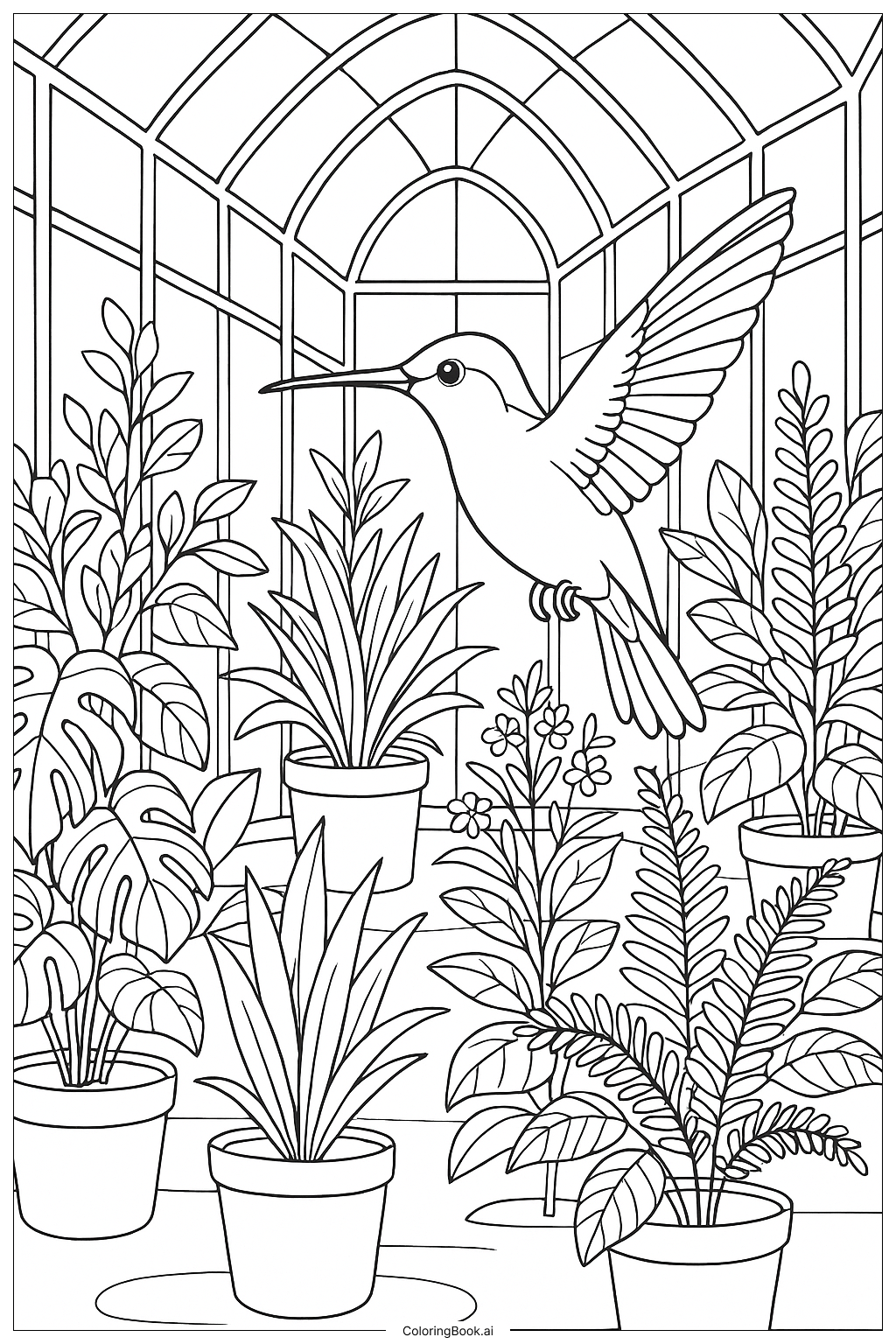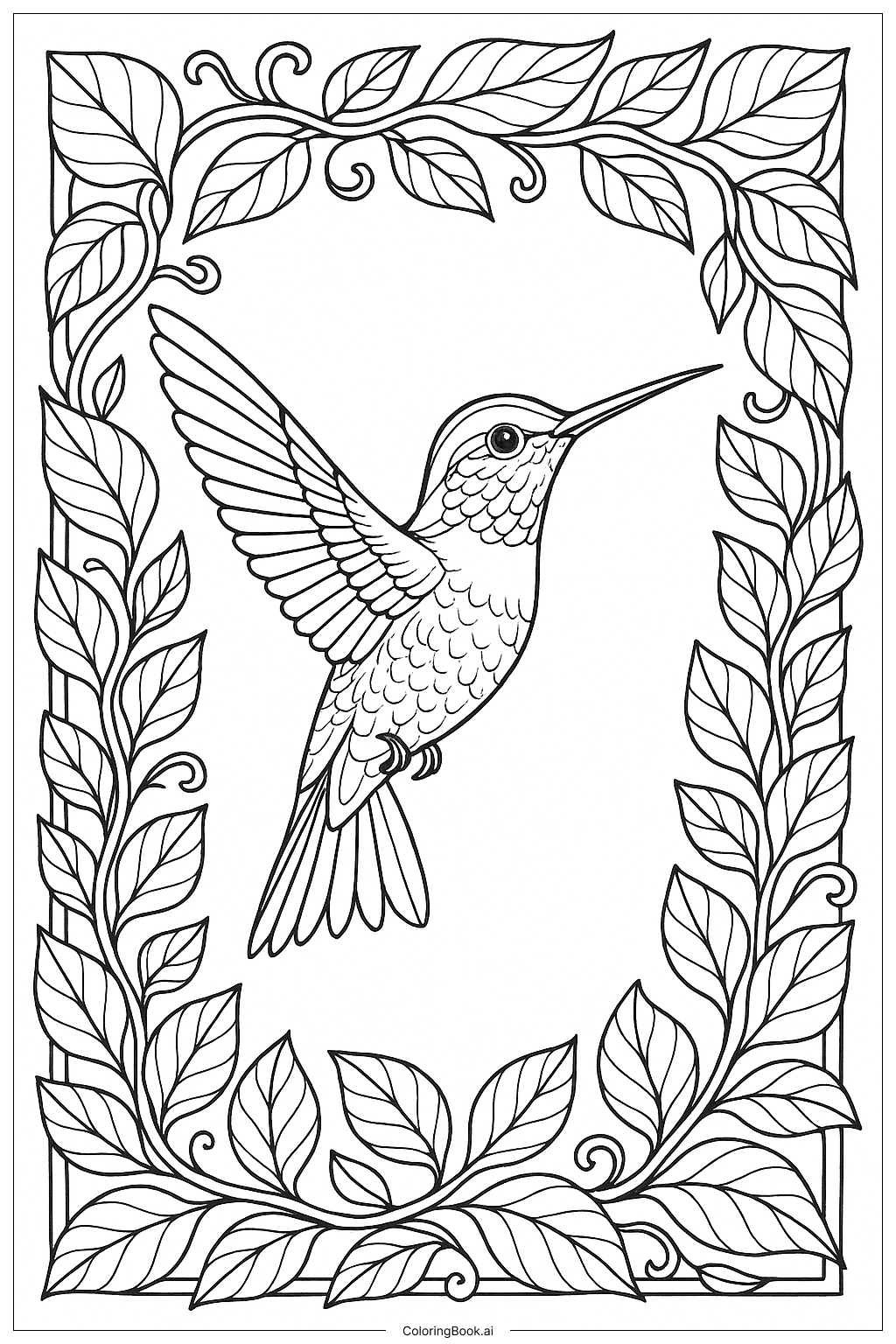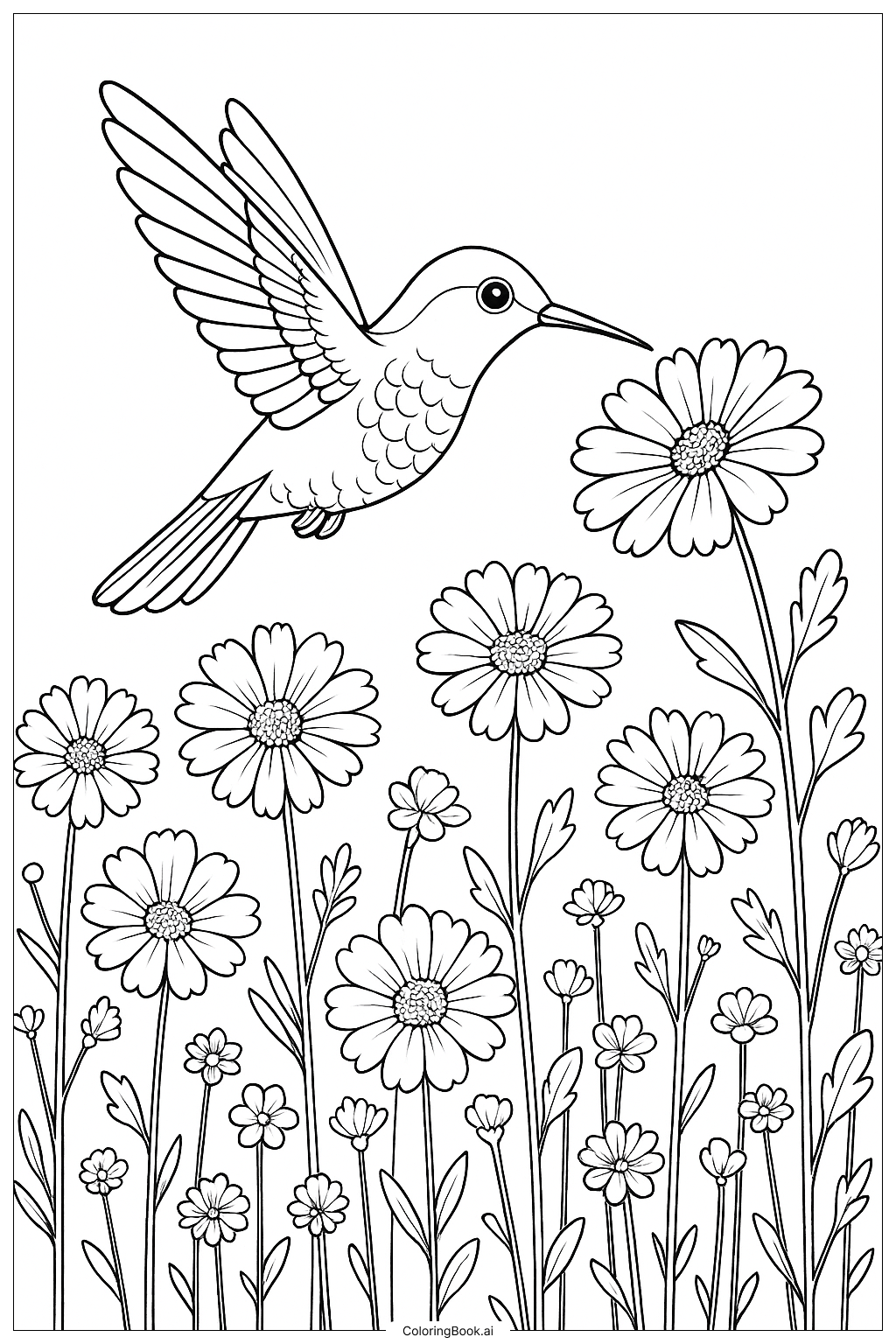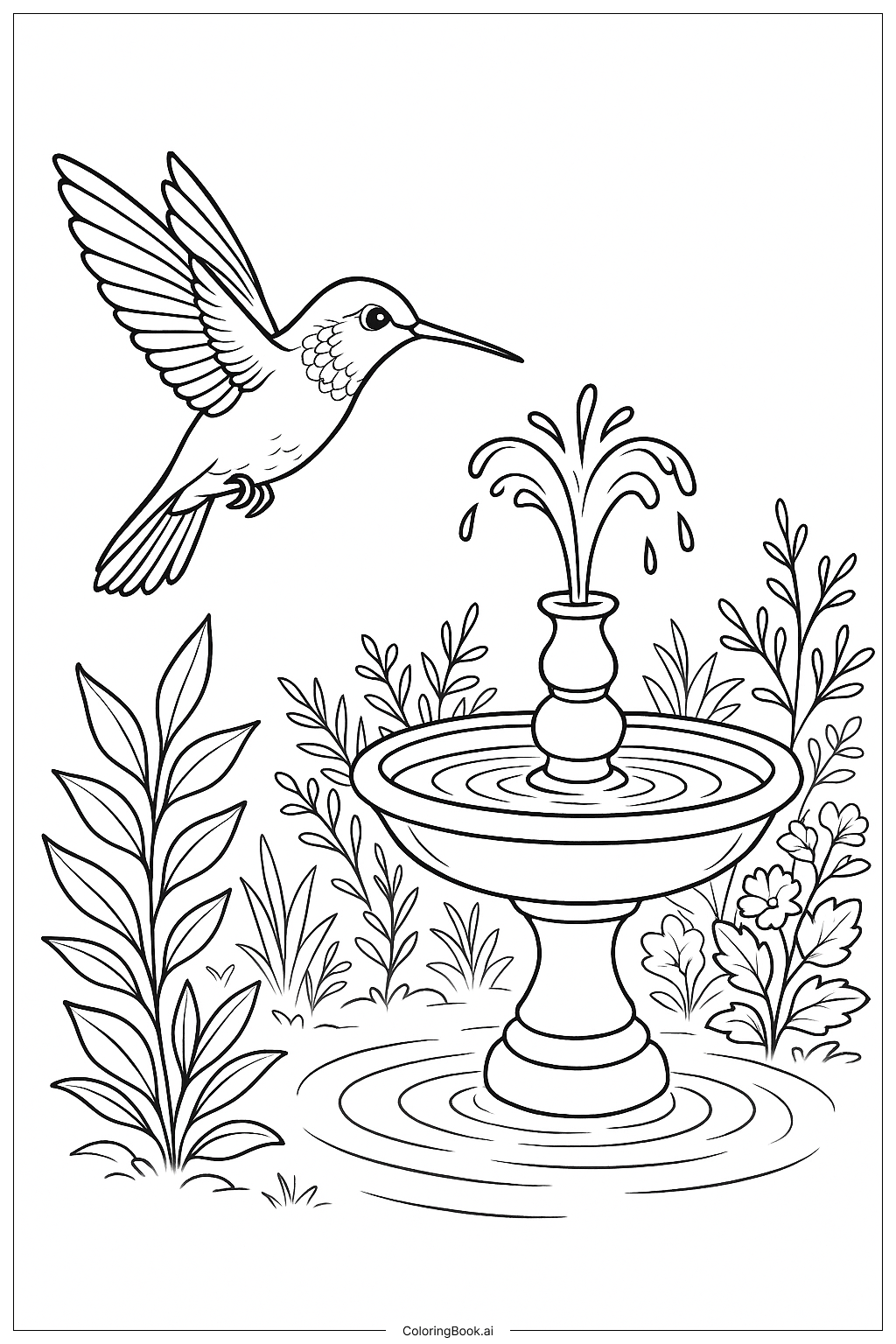
Coloring tips: How to color Baby Hummingbird In Nest coloring page well?
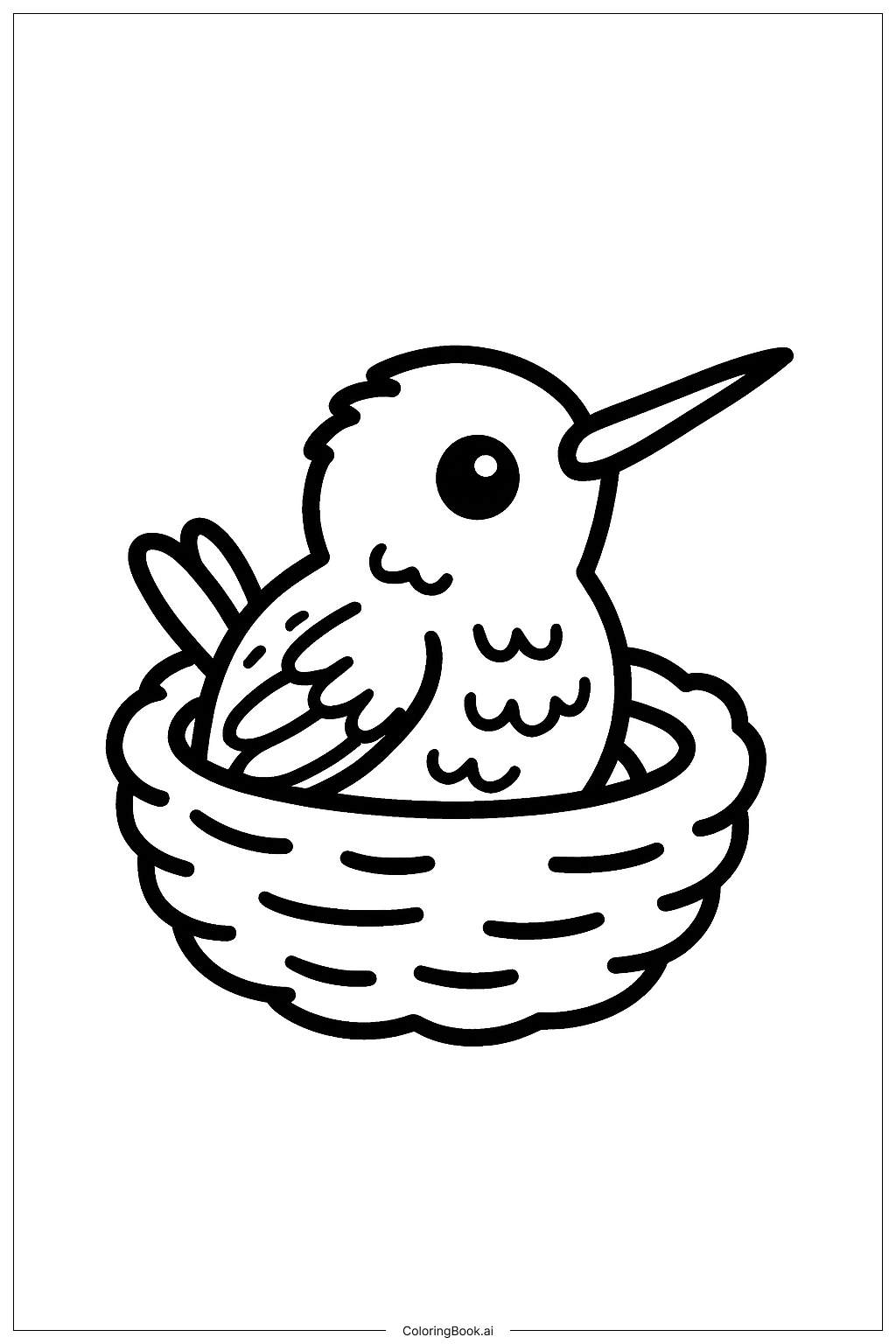
Start with the baby hummingbird's body. Use soft yellow or light tan for the downy feathers. Add a touch of green or teal on the back and head to hint at the shimmery adult colors starting to come in. Use a pale pink or peach for the belly area to keep it looking soft and young. For the beak, try a light gray or dark tan. Color the large eyes dark brown or black, with a tiny white dot for a lifelike shine. For the nest, use warm browns and tans. Mix light and dark brown strokes to show the woven texture of twigs and fibers. Add some cream or off-white for the soft, fluffy inner lining. Color the branch in medium to dark brown. Use greens for the surrounding leaves — try two shades of green to add depth. The background can stay light, or you can add a soft sky blue or pale yellow to make the scene feel warm and sunny. Take your time with each small detail. This image rewards patience and careful coloring.
Coloring challenges: Which parts are difficult to color and need attention for Baby Hummingbird In Nest coloring page?
• Tiny Feather Details: The baby hummingbird has very small, fine feathers that are close together. Coloring each one carefully without going outside the lines takes a steady hand and a sharp pencil or thin marker. Young colorists may find it helpful to use colored pencils rather than markers for this area to keep control over small spaces.
• Woven Nest Texture: The nest is made up of many overlapping fibers, twigs, and soft materials. Each layer has a slightly different tone. To show this texture realistically, you need to use several shades of brown and blend them smoothly. This level of detail can be tricky, especially for beginners who are still learning how to layer colors.
• Small Eyes and Beak: The baby bird's eye is very small but important. Getting the right balance of dark color with a tiny highlight spot requires precision. The short beak also needs careful attention so it does not look too thick or uneven compared to the rest of the bird's small face.
• Branch and Leaves: The branch must be colored differently from the nest even though both use brown tones. Choosing the right shades to separate them visually can be challenging. The leaves around the nest also need light and shadow to look three-dimensional rather than flat.
• Keeping the Scene Balanced: With so many small elements close together — the bird, nest, branch, and leaves — it can be hard to keep the overall image looking balanced and harmonious. Choosing a consistent color palette from the start will help tie everything together.
Benefits of coloring books: Advantages of drawing Baby Hummingbird In Nest coloring page
Coloring this sweet image of a baby hummingbird in its nest brings many wonderful benefits for kids and beginners alike. First, it helps build focus and concentration. The many small details in the nest and the tiny feathers on the bird encourage colorists to slow down and pay careful attention. This kind of mindful activity can be very calming after a busy day. Second, it develops fine motor skills. Staying within the small lines of the bird's feathers, beak, and eyes gives young hands great practice with pencil control and precision. Third, it sparks creativity. Choosing colors for the bird, nest, leaves, and background encourages personal expression. There is no single right answer, so every child can make the image their own. Fourth, it teaches children about nature. As they color, kids naturally become curious about hummingbirds — how small they are, how they build nests, and how their chicks grow. This curiosity can lead to learning beyond the coloring page. Finally, finishing the image gives a real sense of pride and accomplishment. Seeing a completed, colorful piece of art is deeply satisfying and builds confidence for young artists at any skill level.