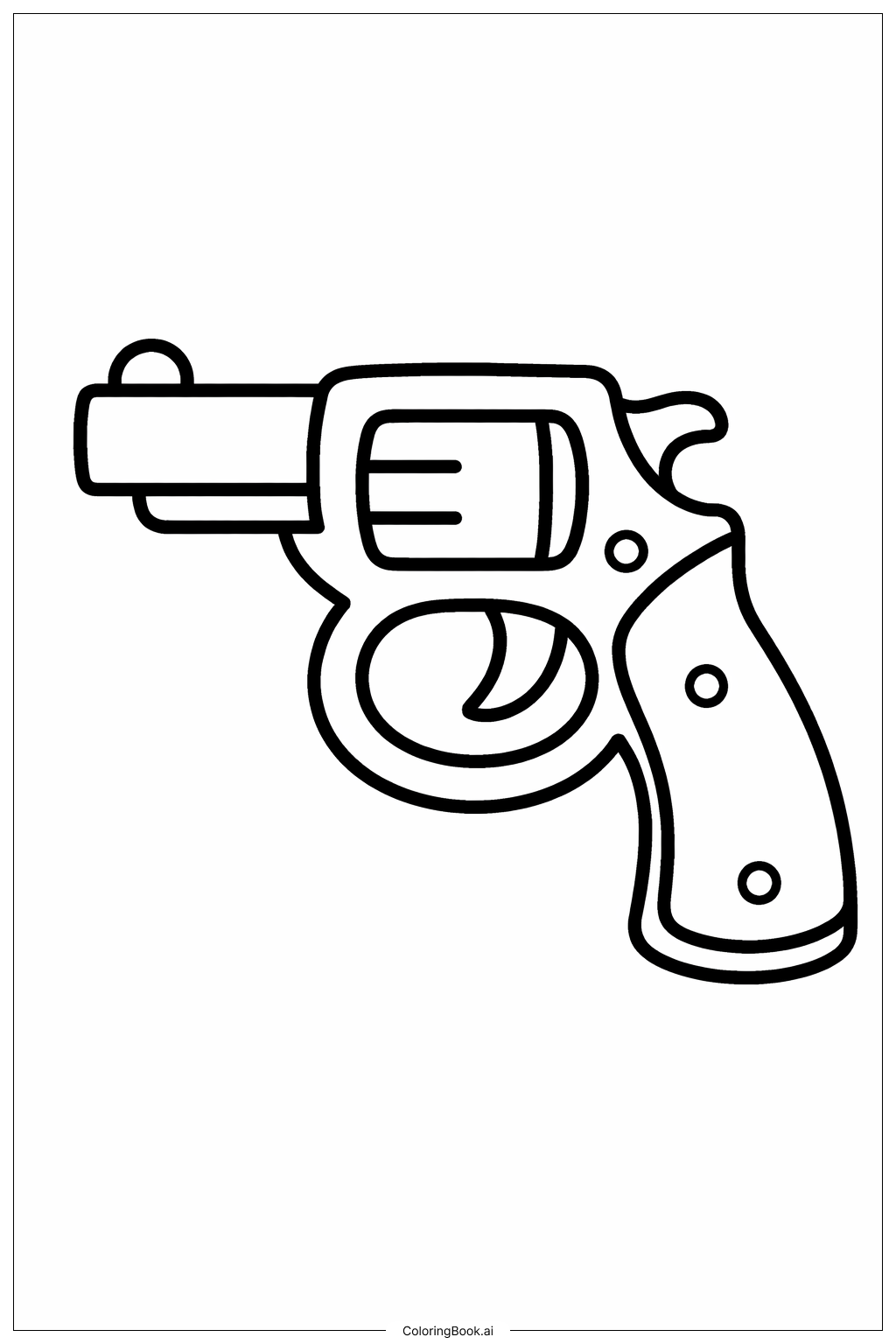
Coloring tips: How to color Simple Trigger Gun coloring page well?
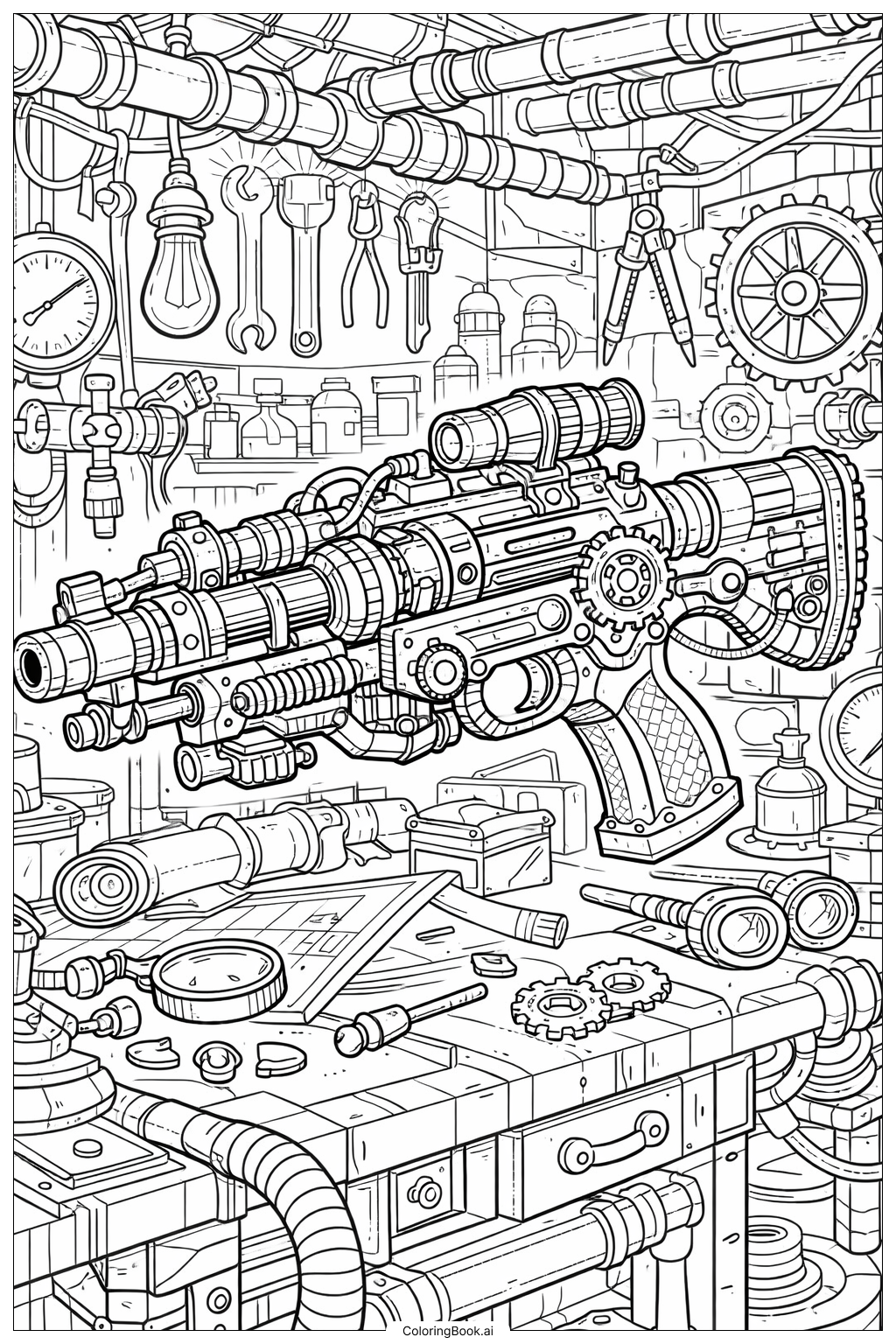
You can use different shades of gray, black, and silver to color the metal parts of the Simple Trigger Gun. Try using a darker gray or black for the barrel and trigger, while the grip can be colored brown or dark wood tones to give it a realistic look. Adding a little light blue or metallic highlights can make the gun look shiny. For a creative twist, you can use bright colors like reds or blues on the grip to make it stand out. Keep your colors inside the lines and try using a fine tip coloring tool for small parts like the trigger and hammer.
Coloring challenges: Which parts are difficult to color and need attention for Simple Trigger Gun coloring page?
• Small Details: The trigger and hammer areas are small and require careful coloring to avoid going outside the lines. This helps develop fine motor skills.
• Smooth Surfaces: Keeping the metal parts looking even can be tricky; blending shades of gray may help create a more realistic effect.
• Curved Shapes: The rounded grip and barrel need steady hand movements to follow the curves without coloring outside.
• Limited Color Variation: Since the gun mostly uses grays and browns, it might be challenging to make the image lively; adding shadows or highlights can enhance depth.
• Consistent Pressure: Applying consistent coloring pressure is important to avoid patchy or uneven color, especially in larger areas like the grip and barrel.
Benefits of coloring books: Advantages of drawing Simple Trigger Gun coloring page
Coloring this Simple Trigger Gun image helps children and beginners practice precision and control as they color small and curved parts carefully. It encourages attention to detail and patience. The image’s clear layout lets users experiment with shading and color blending, which improves observational skills and creativity. Through coloring, users also learn about parts and design of a simple tool, building basic shape recognition. Overall, this coloring experience supports fine motor development while offering a chance to explore color use on a structured object.