Coloring tips: How to color Collect 60 User Coins (I'Ll Get That For You) 4 coloring page well?
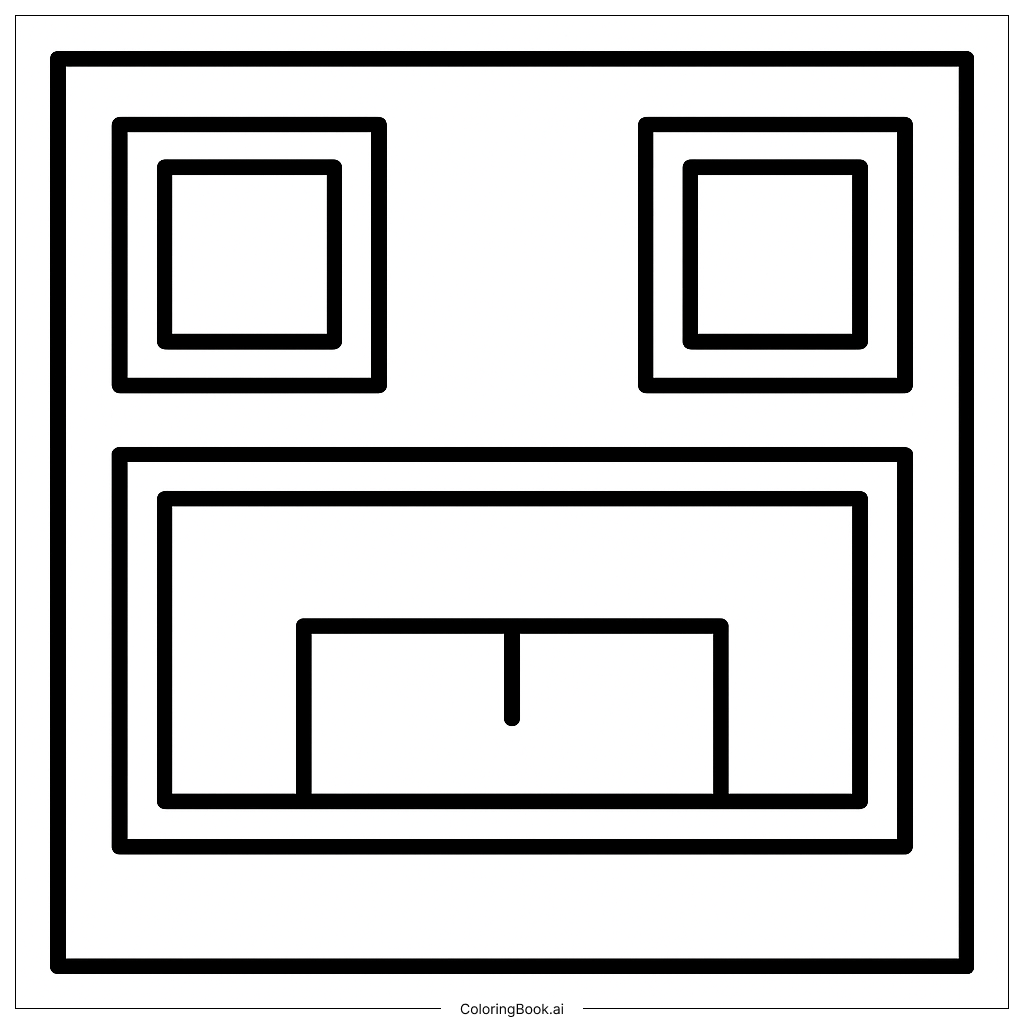
Start with the main icon at the center of the page. Use bright, energetic colors like electric blue, neon green, or vivid orange to make it pop. These bold shades match the fast and exciting feel of Geometry Dash. For the coin symbols around the icon, gold and yellow tones work perfectly. Add a touch of darker yellow or brown at the edges of each coin to give them a three-dimensional look. The star-burst or spike elements can be colored in contrasting shades, such as white, light yellow, or bright red, to make them stand out. For the background shapes and geometric patterns, try using deep purple, dark blue, or black to create a dramatic space-like effect that suits the game's theme. Kids can also experiment with gradient effects by blending two colors within the same section, going from lighter to darker tones. This adds depth and makes the final result look extra polished. There are no wrong color choices here, so feel free to be creative and make this icon truly your own.
Coloring challenges: Which parts are difficult to color and need attention for Collect 60 User Coins (I'Ll Get That For You) 4 coloring page?
• Geometric Shape Precision: The icon is built from many sharp angles, triangles, and geometric forms placed close together. Staying within the lines of these tight, angular shapes can be tricky, especially for younger colorists. Using a fine-tipped marker or a sharpened colored pencil will help keep colors neat and prevent them from bleeding into neighboring sections.
• Small Coin Details: The coin symbols scattered around the design contain small inner rings and tiny decorative lines. These miniature details require careful attention and a steady hand. A thin-tipped tool is strongly recommended for these areas to avoid accidentally filling in spaces that should remain open or a different color.
• Layered Pattern Complexity: The icon features multiple overlapping layers of patterns and decorative elements stacked on top of one another. Deciding which layer sits in front and which sits behind can be confusing. It helps to lightly plan your color scheme on a separate sheet of paper before committing, so each layer reads as visually distinct from the others.
• Color Contrast Management: Because the design includes both large bold sections and tiny accent pieces, maintaining strong contrast between adjacent areas is a real challenge. If two neighboring sections are colored similarly, the details can blend together and the design loses its visual impact. Choosing colors that sit opposite each other on the color wheel for neighboring areas is a great strategy.
• Background and Foreground Balance: Keeping the central icon as the visual focal point while still making the surrounding elements look interesting requires careful color planning. Overly bright background colors can overpower the main icon, so using slightly muted or darker tones in the outer areas helps the centerpiece shine.
Benefits of coloring books: Advantages of drawing Collect 60 User Coins (I'Ll Get That For You) 4 coloring page
Coloring this Geometry Dash 2.2 achievement icon offers a wide range of benefits for kids and fans of the game alike. First, it builds fine motor skills. Carefully filling in the sharp geometric shapes and tiny coin details trains the hand muscles used in writing and drawing. Second, it encourages focus and patience. The detailed design asks colorists to slow down, concentrate, and work section by section, which strengthens attention span over time. Third, it sparks creativity. Choosing colors for each geometric layer lets kids make their own artistic decisions and express their personal style. There is no single correct answer, which builds confidence and a sense of ownership over the finished artwork. Fourth, it connects learning to something kids already love. When children color an image tied to a game they enjoy, the activity feels like play rather than work, making it easier to stay engaged for longer periods. Fifth, it introduces basic color theory concepts in a natural, hands-on way. Experimenting with contrast, shading, and complementary colors on this icon is a fun first step toward understanding how professional artists and designers use color. Overall, this page delivers both creative joy and meaningful developmental growth.