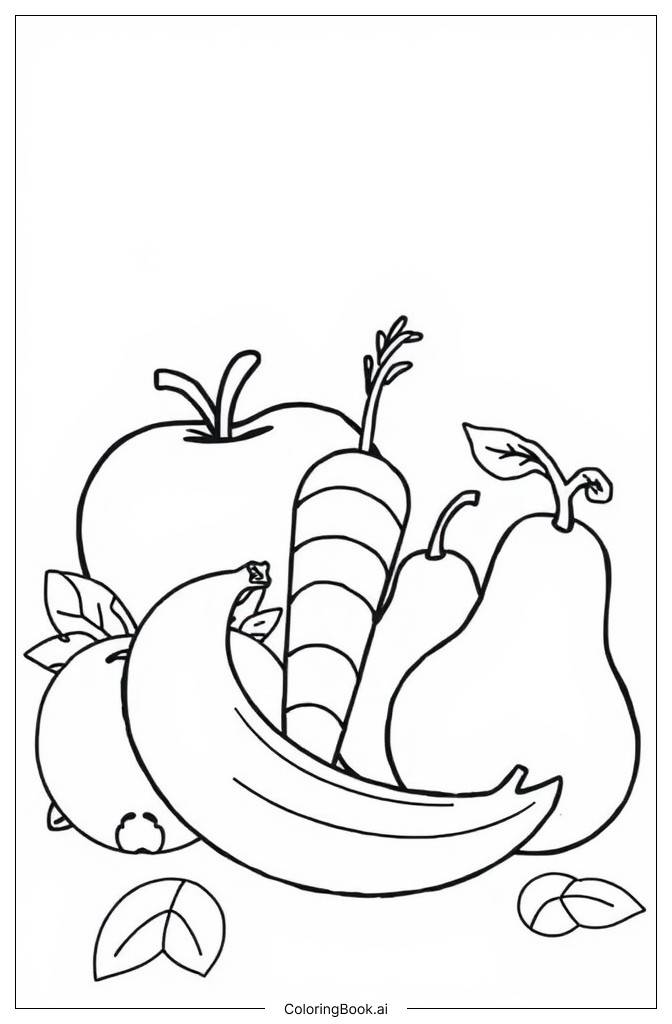
Coloring tips: How to color Fruits and Veggies coloring page well?
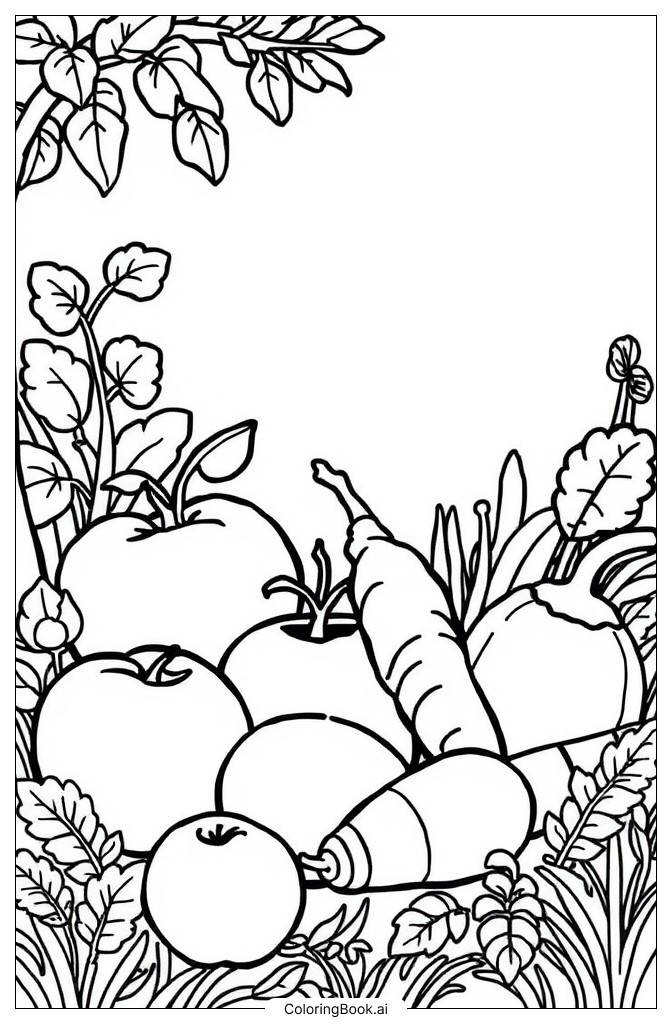
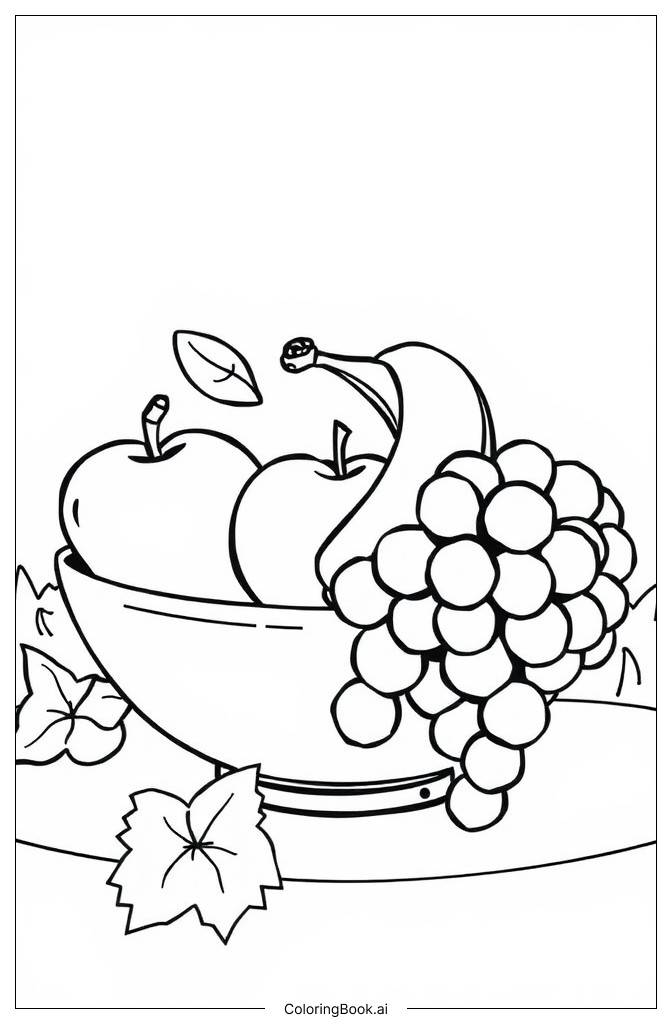
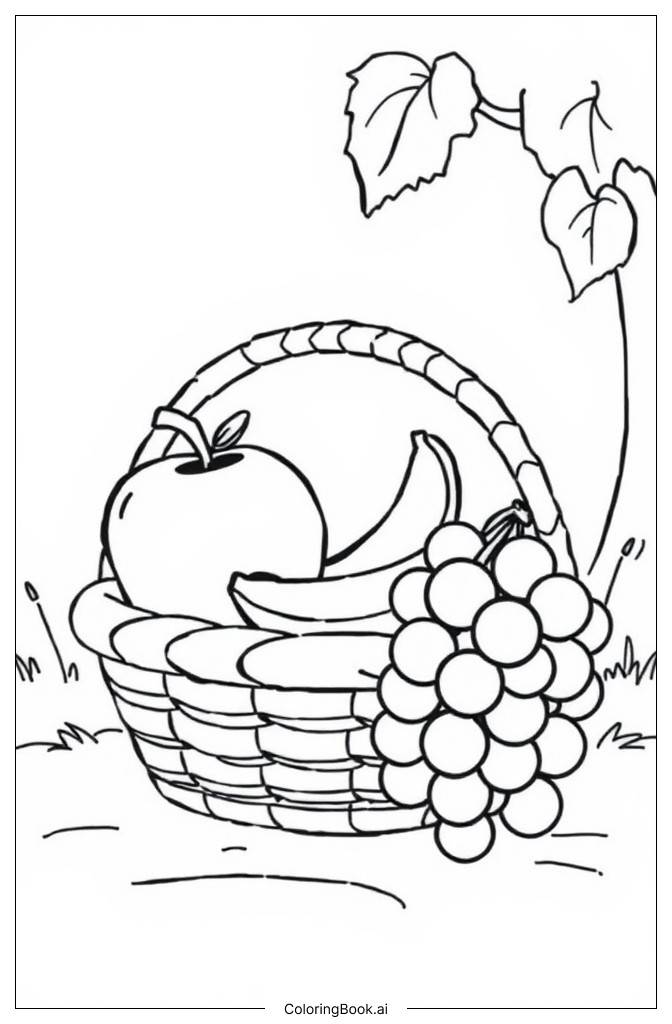
Start with the lightest colors first and work your way to the darker shades. Use bright reds for strawberries and tomatoes, sunny yellow for the banana and pineapple body, and rich purple for the grapes. The apple looks great in red or green. Color the carrot a warm orange, and use two or three shades of green for the broccoli and leafy tops to add depth. The pineapple skin can be golden yellow with brown diamond patterns on top. For the background accents like stars and dots, try light blue or soft yellow to keep the focus on the fruits and veggies. Don't be afraid to mix colors and add shading by pressing harder on one side of each item. This makes everything look rounder and more realistic. Have fun and let your imagination guide your color choices!
Coloring challenges: Which parts are difficult to color and need attention for Fruits and Veggies coloring page?
• Tiny Detail Areas: The pineapple skin has a diamond-grid pattern and the grapes form a tight cluster. These small, closely packed shapes require a fine-tipped colored pencil or a thin marker to stay within the lines and avoid colors bleeding into each other.
• Shading Round Shapes: Fruits like the apple, tomato, and individual grapes are circular. Adding a sense of dimension by shading one side darker and leaving a highlight spot requires careful blending, which can be tricky for beginners.
• Color Variety and Consistency: This image contains many different fruits and vegetables, each needing its own distinct color. Keeping track of which colors to use for each item while maintaining a harmonious overall palette takes planning and patience.
• Leafy and Textured Sections: Areas like the broccoli florets and carrot tops have uneven, bumpy outlines. Coloring inside these jagged edges cleanly without going outside the lines is a challenge, especially for younger children who are still developing fine motor skills.
• Background Accent Details: The small stars, dots, and decorative elements scattered in the background are very tiny. Filling these in neatly without smudging nearby colors or accidentally skipping them takes focus and a steady hand, making them one of the most time-consuming parts of the whole page.
Benefits of coloring books: Advantages of drawing Fruits and Veggies coloring page
Coloring this fruits and veggies page offers a wide range of wonderful benefits for children. First, it builds fine motor skills as kids practice holding crayons or colored pencils and carefully filling in the outlined shapes. This strengthens hand muscles needed for writing. Second, it helps children learn to recognize and associate colors with real foods, reinforcing healthy eating awareness in a fun and memorable way. Third, choosing which colors to use for each fruit and vegetable encourages creative thinking and decision-making. Kids feel a sense of ownership and pride when they make their own color choices. Fourth, the focused, repetitive nature of coloring promotes concentration and patience, helping children practice staying on task for longer periods. Fifth, completing a colorful page gives a real sense of accomplishment, which builds confidence and a positive attitude toward creative activities. Finally, coloring together with family or friends can spark conversations about favorite fruits and vegetables, turning art time into a fun learning moment about nutrition and healthy habits.