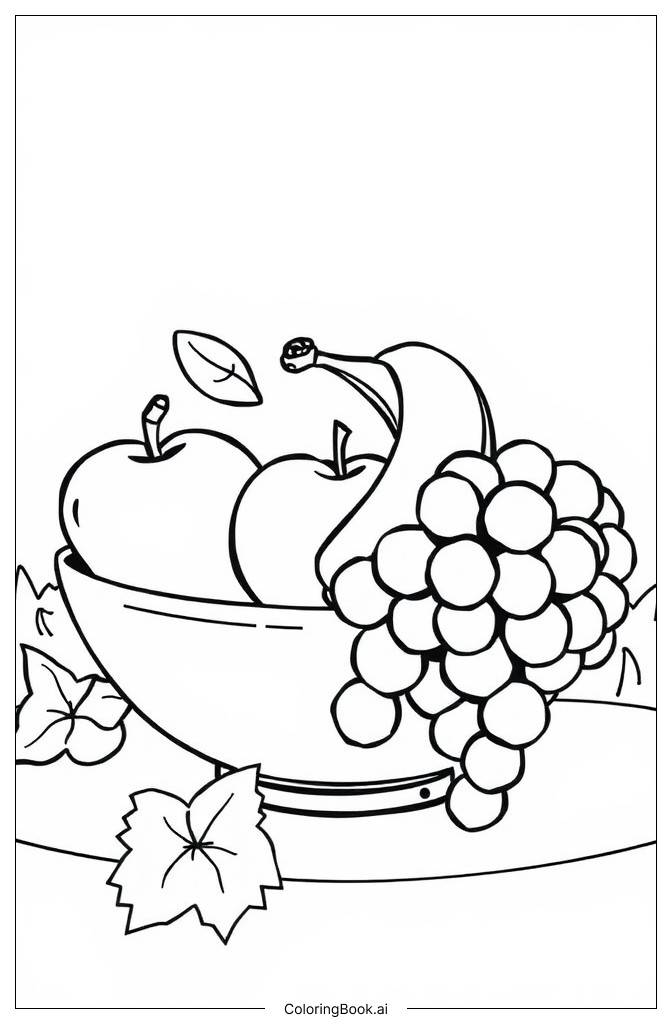
Coloring tips: How to color Fruit Bowl coloring page well?
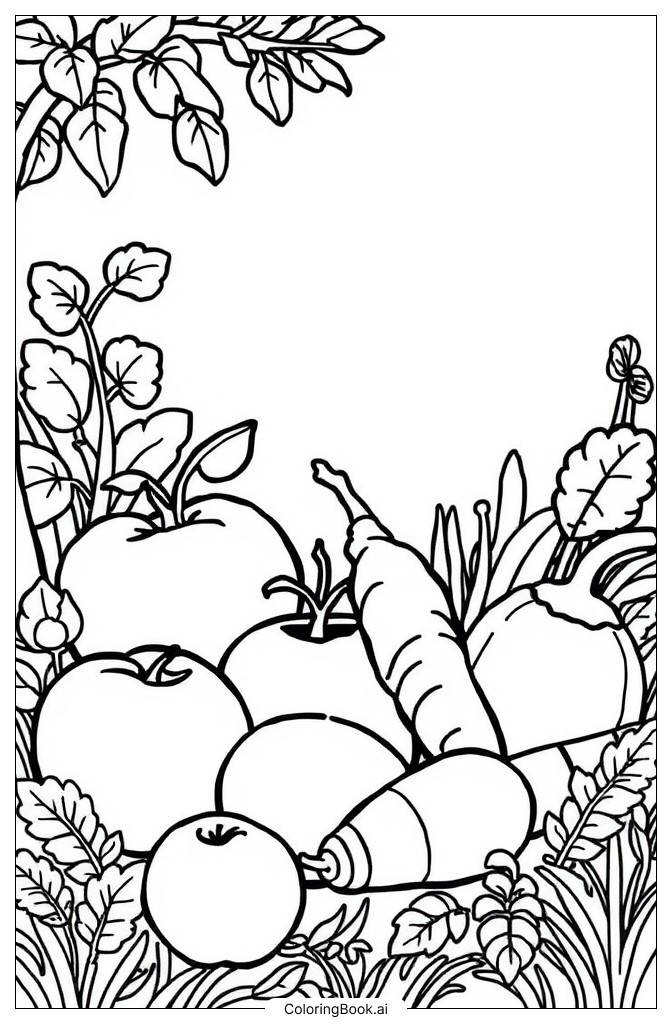
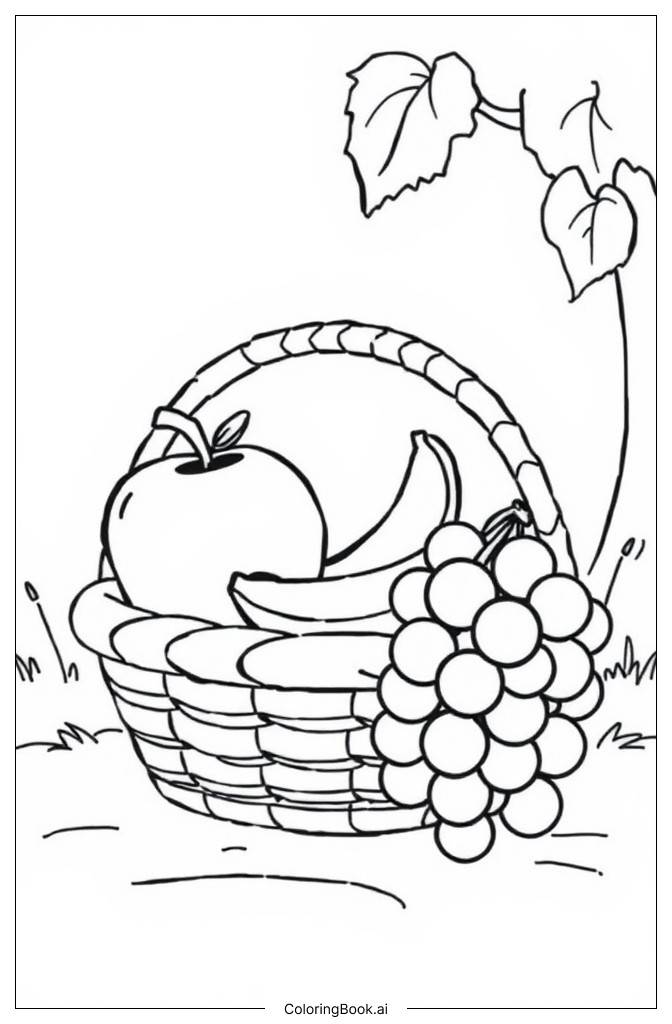
Start by coloring the bowl itself. Use a warm brown, soft blue, or bright red to make it stand out. Then move on to each fruit one at a time. Color apples red or green, bananas yellow, oranges a warm orange shade, grapes purple or green, and strawberries bright red with tiny yellow seeds. Use a slightly darker shade on one side of each fruit to show shadow and give it a round, three-dimensional look. Add a lighter highlight on the opposite side with white or a very pale version of the fruit's color. Color the leaves in different shades of green to add variety. Try using light strokes for a smooth finish. Do not rush. Take your time with each section. If you have colored pencils, layer colors gently to blend them. Younger kids can keep it simple and fun with bold, solid colors. Older kids can try shading and blending to make the fruits look more realistic and juicy.
Coloring challenges: Which parts are difficult to color and need attention for Fruit Bowl coloring page?
• Coloring Individual Fruits Without Overlapping: The fruits in the bowl are placed very close together. It can be tricky to color one fruit without accidentally going over the lines of the fruit next to it. Take your time and use a sharp pencil or a fine-tipped marker to stay inside each outline carefully.
• Creating Depth and Dimension: A fruit bowl looks best when the fruits appear round and three-dimensional. Achieving this effect requires shading, which means using a darker tone on one side and a lighter tone on the other. This technique can be challenging for beginners who are not yet familiar with blending colors together smoothly.
• Handling Small Details: Some fruits have tiny features like seeds on strawberries, dots on the orange peel, or thin lines on grapes. These small areas require a very fine tool and a steady hand. Rushing through these details can make the image look messy or unfinished.
• Choosing Harmonious Colors: With so many different fruits in one image, it is important to choose colors that look good together. If every fruit is colored with a very bright, intense shade, the image can become visually overwhelming. Balancing bold and soft tones across the composition takes practice and a good eye for color.
• Coloring the Bowl Evenly: The bowl itself is a large curved surface. Keeping the color smooth and even across this area, without streaks or patches, requires patience and consistent pressure when applying color, especially when using crayons or colored pencils.
Benefits of coloring books: Advantages of drawing Fruit Bowl coloring page
Coloring this fruit bowl image offers many wonderful benefits for children and beginners alike. First, it helps improve fine motor skills. Carefully staying inside the lines and shading small areas strengthens the small muscles in the hands and fingers, which is important for writing and other daily tasks. Second, it encourages creativity. Choosing which colors to use for each fruit gives kids the freedom to express themselves and make the image uniquely their own. Third, it builds focus and concentration. Working through a detailed image like this requires patience and attention, which are skills that support learning in school and everyday life. Fourth, it introduces basic art concepts such as shading, blending, and color harmony in a fun and low-pressure way. Kids naturally learn how colors work together as they fill in the bowl and fruits. Fifth, completing the image gives a strong sense of accomplishment and boosts self-confidence. Finally, the fruit theme makes this a great opportunity to talk about healthy eating and the colors of different fruits, making it both a creative and educational activity for young learners.