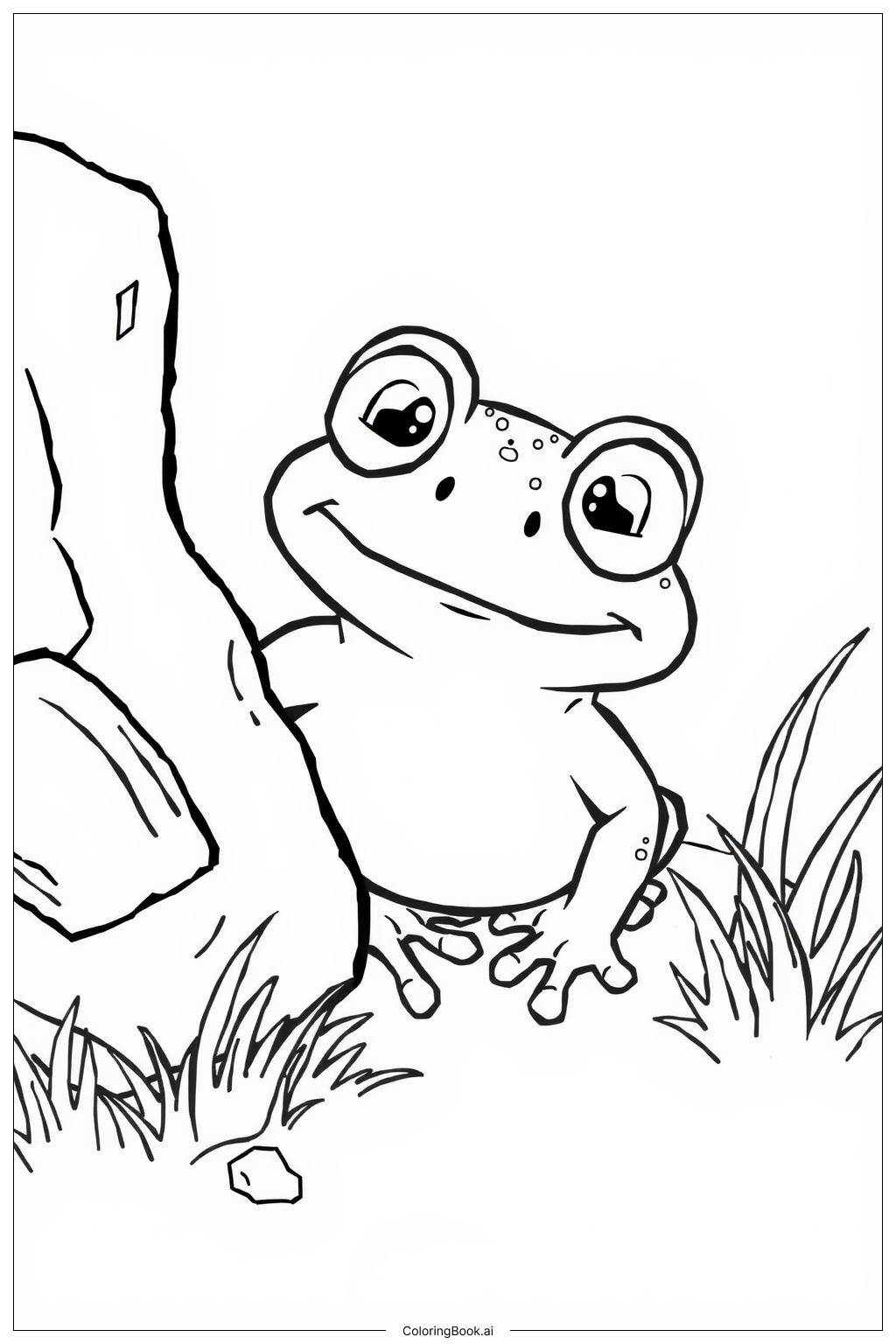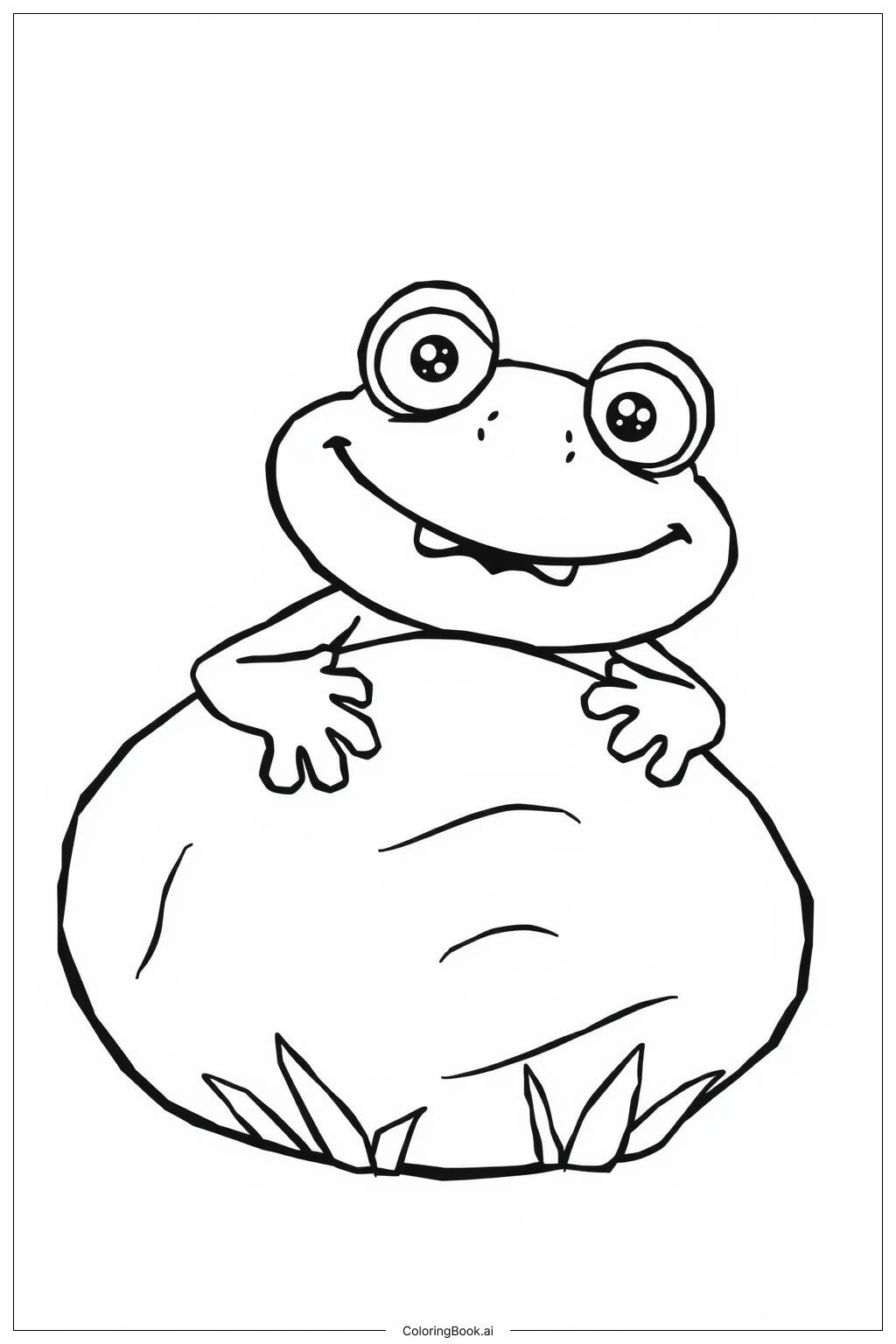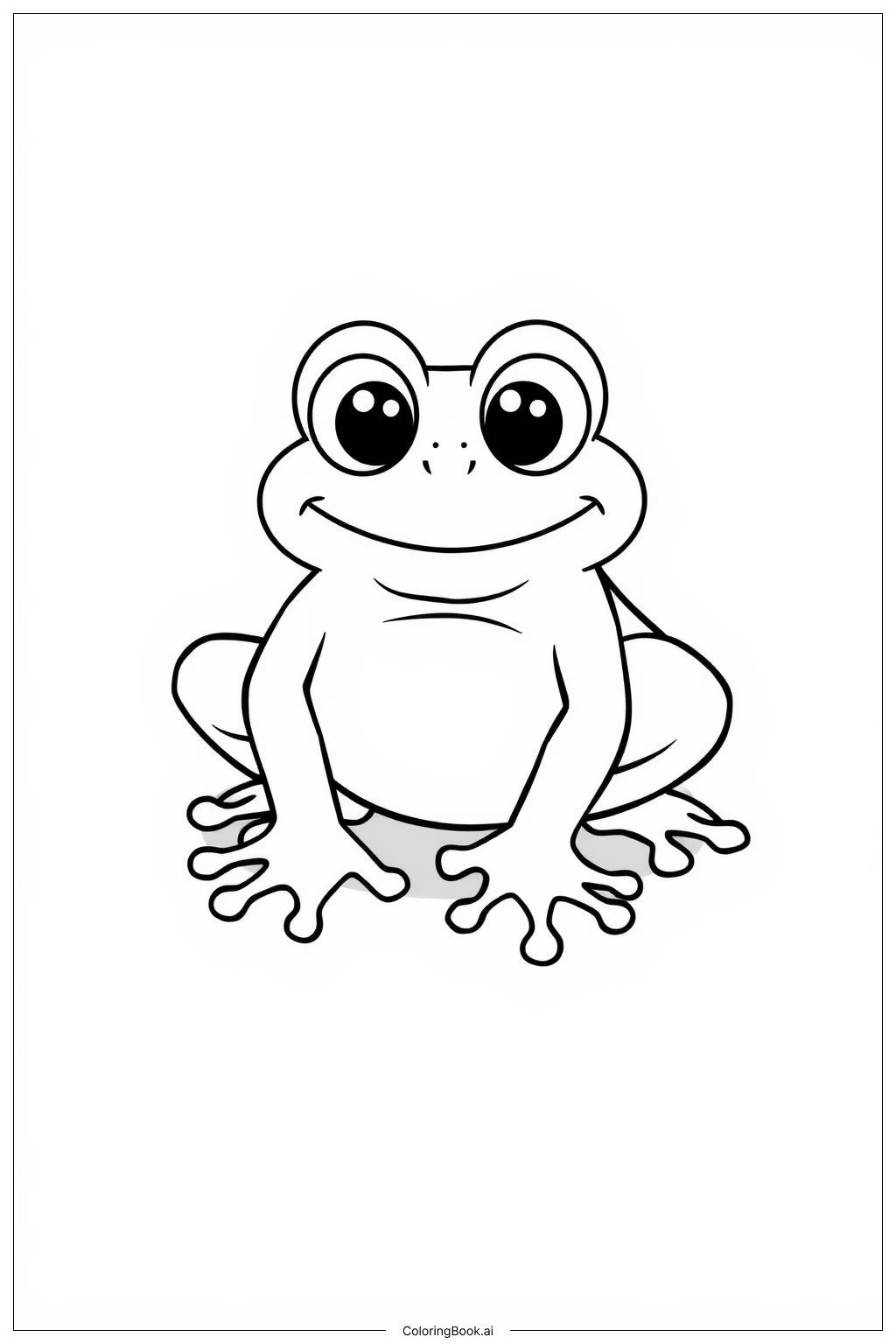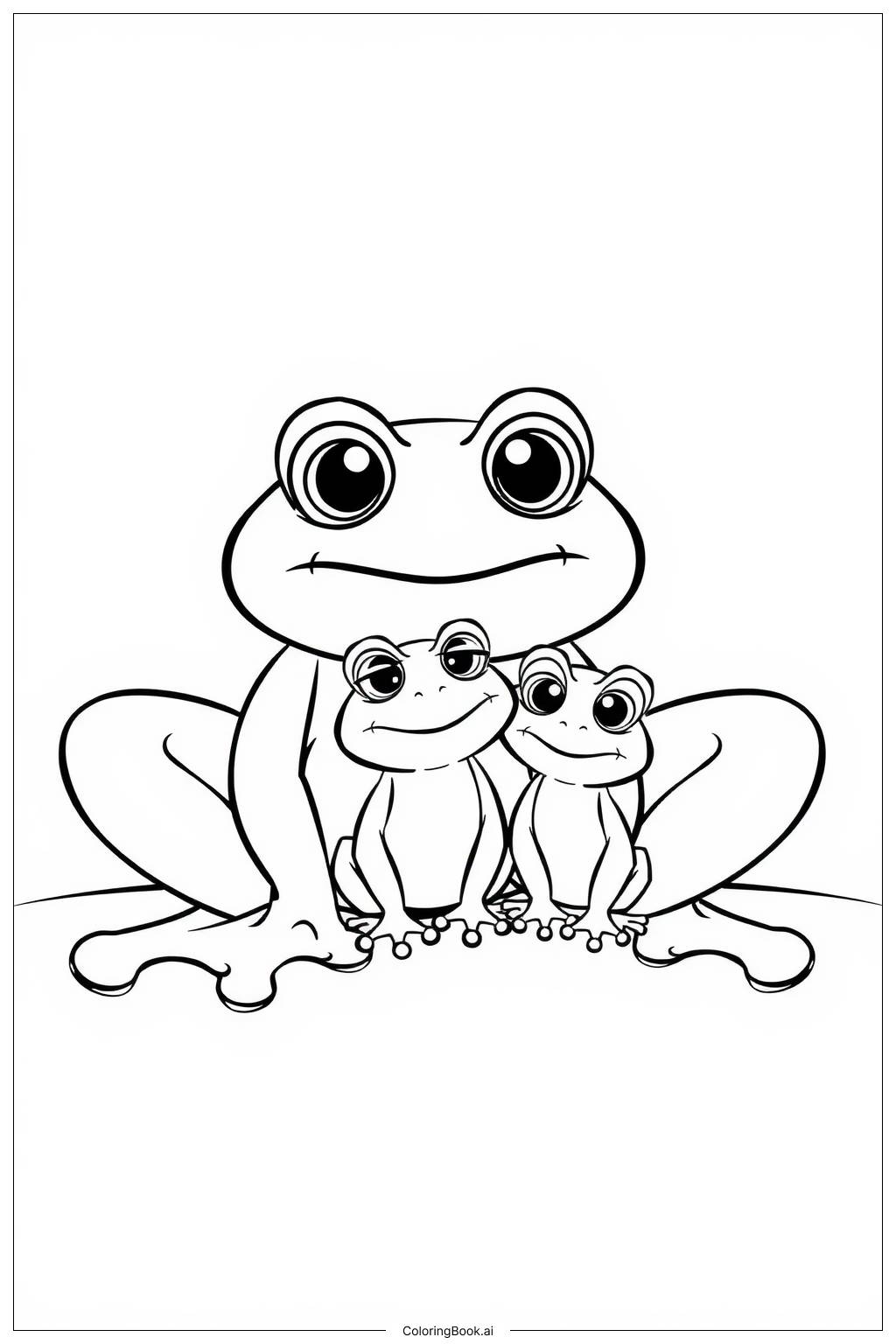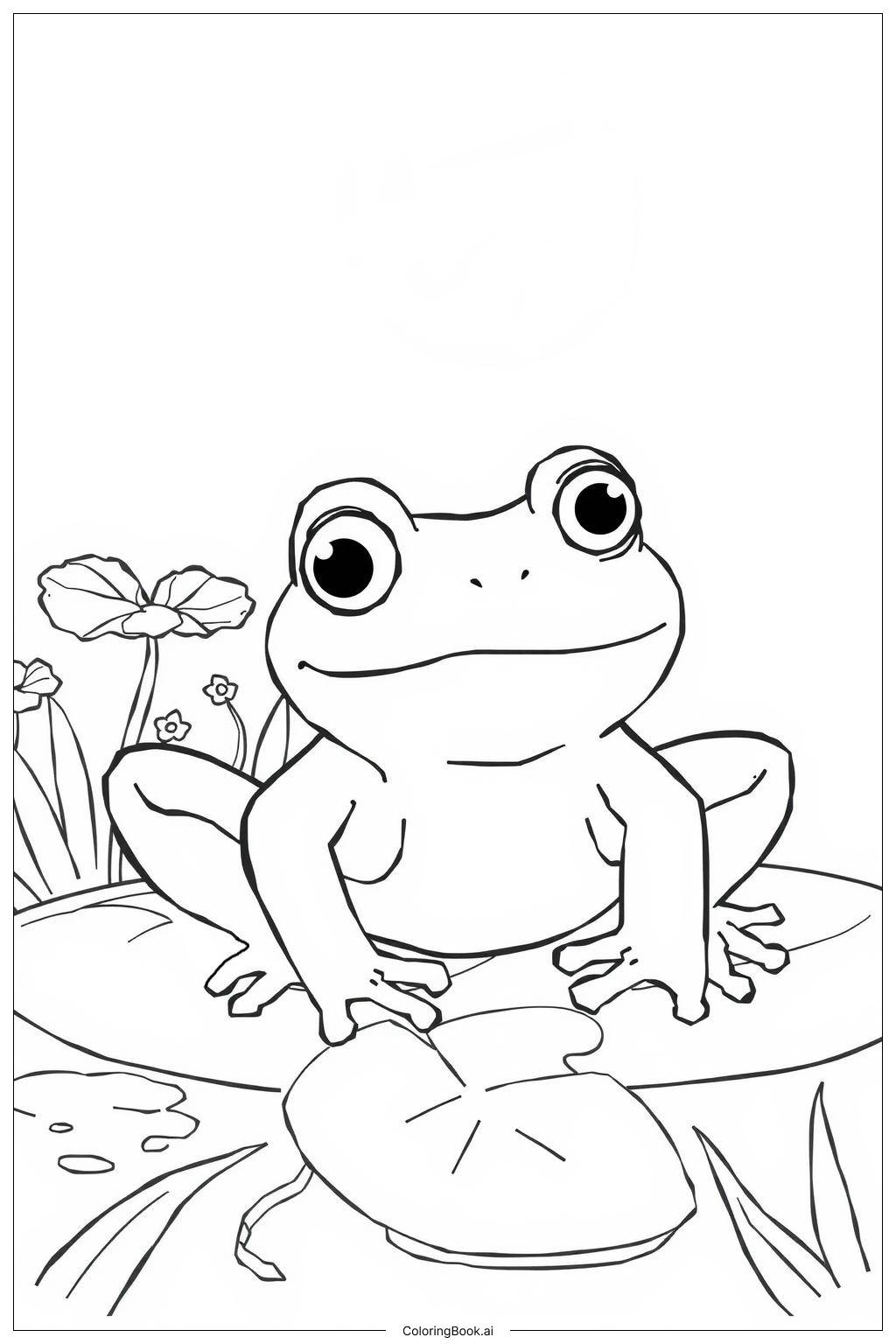
Coloring tips: How to color Frog Camouflaged Among Leaves coloring page well?
Start with the leaves before coloring the frog. Use several shades of green for the leaves — light green for areas where sunlight hits and darker green for shadows and overlapping edges. Add a touch of yellow-green to make the leaves look fresh and alive. For the frog, try a medium green base color, then add darker green or olive tones to show depth and texture on its skin. Use tiny strokes to suggest the bumpy surface of its skin. The frog's eyes can be colored golden yellow or bright orange with a dark pupil to make them pop. To show camouflage, match some of the frog's colors closely to the surrounding leaves. Leave a few small highlights white or very light to add a sense of shine and dimension. Coloring the leaf veins in a slightly darker shade than the leaf base will add a realistic, natural look to the whole scene.
Coloring challenges: Which parts are difficult to color and need attention for Frog Camouflaged Among Leaves coloring page?
• Blending the Frog with the Leaves: The biggest challenge in this image is making the frog look camouflaged without losing its shape entirely. You need to use similar greens for both the frog and the leaves while still keeping the frog clearly visible. This balance requires careful color selection and gradual blending at the edges where the frog meets the foliage.
• Leaf Vein Details: Each leaf is filled with fine, branching vein lines that require a steady hand and a thin tool to color neatly. Coloring the veins in a slightly different shade than the leaf base adds realism, but staying within the thin lines without smudging the surrounding areas takes patience and precision.
• Layered Depth in the Foliage: The leaves overlap one another, creating layers of shadow and light. Showing this depth means using multiple shades of green and understanding which leaf sits on top and which falls behind. Incorrectly placed shadows can flatten the image and make it look less natural.
• Texture on the Frog's Skin: The frog's skin has a subtly bumpy, uneven texture that differs from the smooth surface of the leaves. Capturing this texture through shading — adding small shadows around bumps and highlights on raised areas — is tricky and requires a controlled, light touch.
• Small Spaces Between Leaves and Limbs: There are narrow gaps between the frog's legs, toes, and the overlapping leaves. Filling these tight spaces neatly without going outside the lines is particularly difficult for younger or less experienced colorists, and requires a fine-tipped coloring tool.
Benefits of coloring books: Advantages of drawing Frog Camouflaged Among Leaves coloring page
Coloring this frog camouflage scene offers a wonderful range of benefits for children and beginners alike. Working with many shades of green trains the eye to notice subtle color differences, building stronger color awareness and observation skills. Carefully filling in the leaf veins and the frog's skin texture improves fine motor control and hand-eye coordination, which supports handwriting and other detailed tasks in school and daily life. The challenge of making the frog blend into the leaves while still keeping it visible encourages creative thinking and decision-making — kids learn to experiment with color choices rather than just staying in the lines. Spending time on a detailed, nature-themed image like this also promotes patience and focus, helping children practice staying calm and concentrated on a single task. Learning about animal camouflage through coloring makes science concepts feel fun and hands-on. The peaceful, natural setting of leaves and a resting frog has a calming effect, making this a great activity for winding down after a busy day. Overall, this image turns a simple coloring session into a rich learning and creative experience.