Coloring tips: How to color Pout Pout Fish in the Big Big Dark coloring page well?
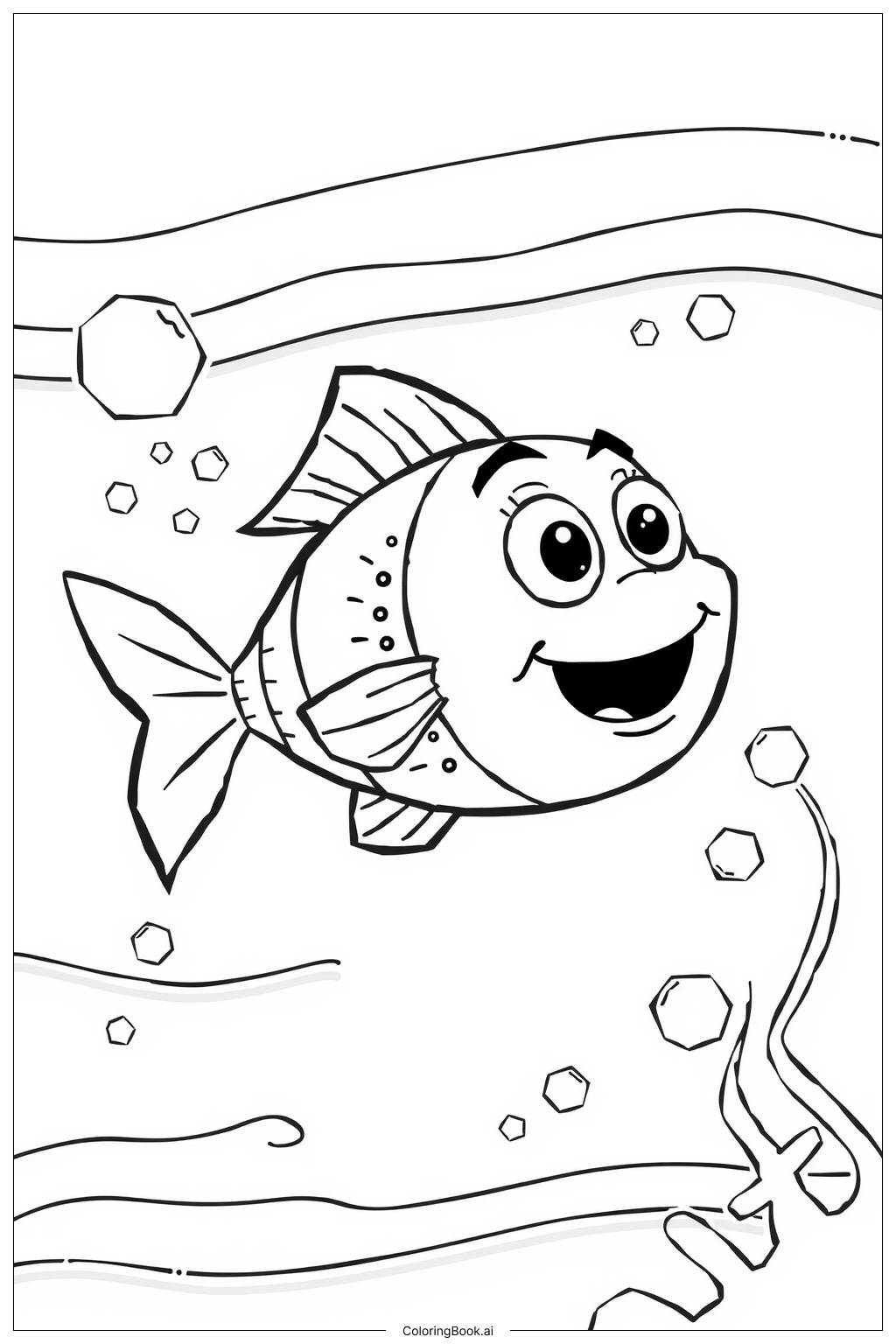
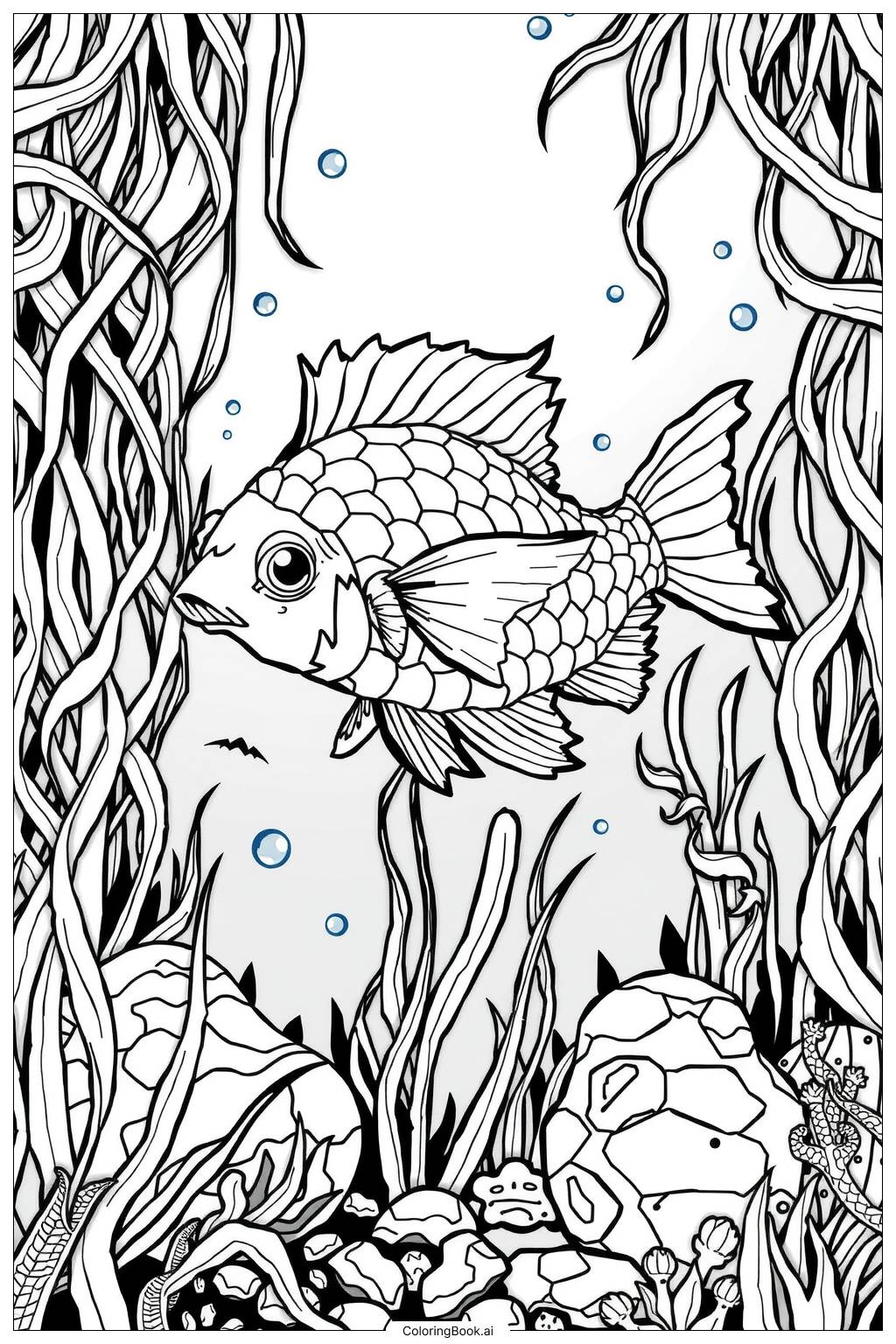
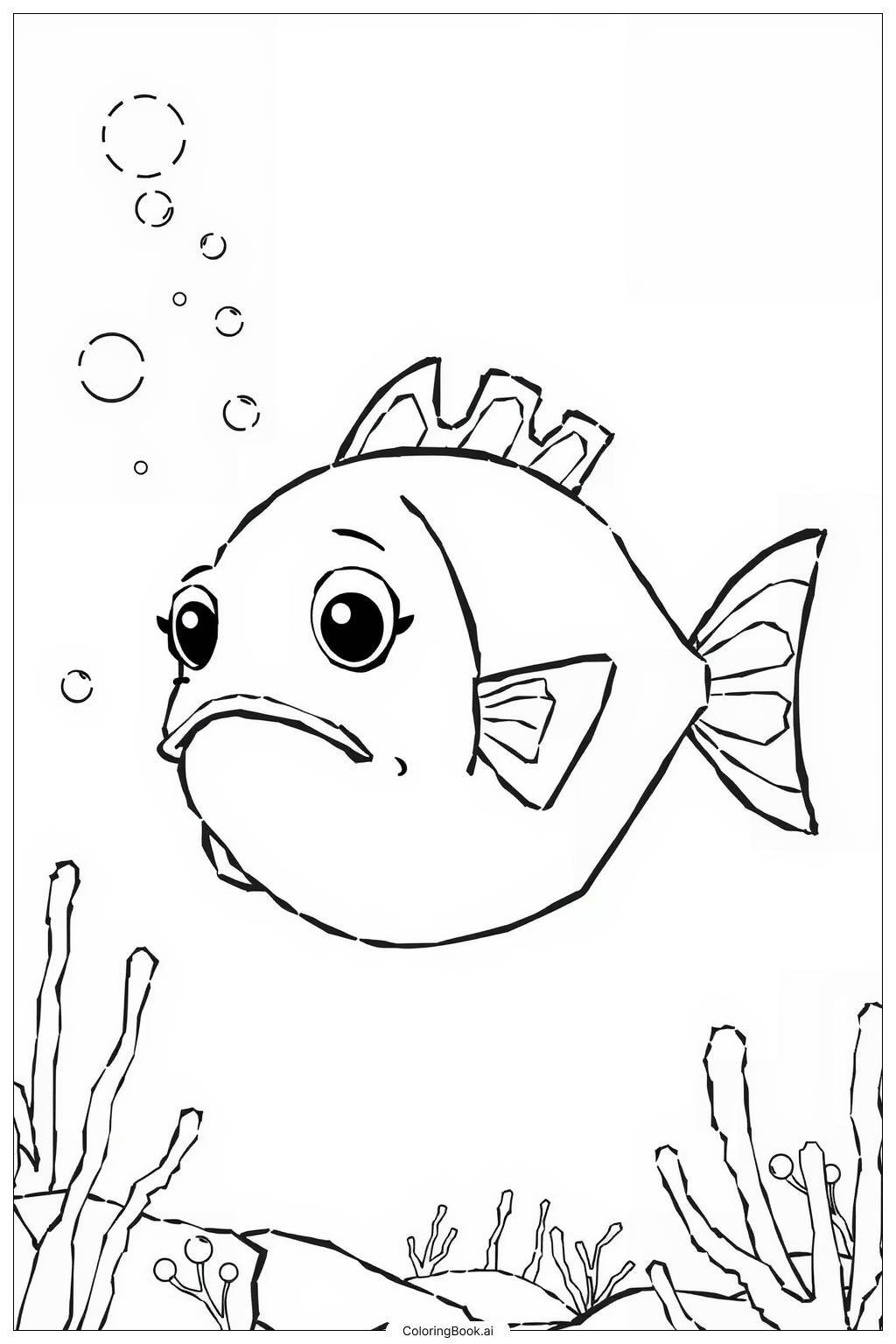
Start by coloring the Pout Pout Fish himself. His body is traditionally a silvery blue-gray, but feel free to make him any color you like! Use a medium blue or teal for his main body and add lighter highlights along his scales to make them shimmer. Color his big eyes with bright whites and dark pupils to bring them to life. For his fins, try a slightly lighter shade than his body to make them look delicate and transparent. Since this story takes place in the big big dark ocean, use deep navy blue, dark purple, or black for the water around him. Add small dots of white or yellow for glowing bioluminescent creatures and tiny stars of light. Use green and teal for any seaweed or coral. Soft pinks and oranges work beautifully for small sea critters hiding in the background. Don't be afraid to blend colors to create a magical, glowing deep-sea atmosphere!
Coloring challenges: Which parts are difficult to color and need attention for Pout Pout Fish in the Big Big Dark coloring page?
• Fish Scale Details: The Pout Pout Fish's body is covered in many small, overlapping scales. Each scale is a tiny curved shape, and coloring them individually without smudging neighboring areas can be tricky. Using a sharp colored pencil or a fine-tipped marker will help you stay inside each scale. Try coloring in the same direction as the scales curve for a neat, consistent look.
• Expressive Facial Features: The Pout Pout Fish has large, detailed eyes and a prominent pouty mouth. The eyes have multiple layers including the white of the eye, the colored iris, and a dark pupil, plus small highlights that make them sparkle. Getting all these tiny layers right without making the face look muddy takes patience and careful color layering.
• Creating Depth in the Dark Ocean Background: The story is set in the big big dark, meaning the water around the fish should feel deep and shadowy. Blending dark blues, purples, and blacks smoothly while still letting the fish stand out in the foreground is a real challenge. Pressing too hard with dark colors can make the whole page look flat, so use light layers and build up the darkness gradually.
• Fin Transparency Effect: The fish's fins are naturally thin and almost see-through in real life. To show this on paper, you need to color them lighter than the body and perhaps blend in some background color. This layering technique requires a gentle hand and practice.
• Small Background Elements: Tiny bubbles, distant sea creatures, and scattered coral details fill the background. These small elements need careful, precise coloring so they don't blend into the dark water and disappear entirely.
Benefits of coloring books: Advantages of drawing Pout Pout Fish in the Big Big Dark coloring page
Coloring the Pout Pout Fish in the Big Big Dark offers a wonderful mix of fun and learning for kids and families. This beloved storybook character encourages children to revisit themes of kindness, spreading cheer, and finding courage in the dark, making the coloring experience emotionally meaningful as well as creative.
Working with a dark, deep-sea background teaches children how to use contrast effectively. Seeing how a bright, colorful fish stands out against a dark ocean is an early lesson in artistic composition and visual balance. This builds confidence in making creative choices.
The detailed scales, fins, and facial features of the Pout Pout Fish help strengthen fine motor skills and hand-eye coordination. Children practice staying within small areas and applying controlled pressure, skills that directly support handwriting and other precise tasks at school.
Choosing a color palette for an underwater night scene sparks imagination and encourages children to think creatively. There are no wrong answers, and experimenting with glowing blues, purples, and mysterious darks makes every finished page feel unique and magical.
Coloring also provides calm, focused quiet time that helps reduce stress and improve concentration. Whether done alone or together as a family, it creates a relaxing, screen-free activity that supports emotional well-being and mindfulness in children of all ages.