Coloring tips: How to color Fish Swimming Through Colorful Seaweed coloring page well?
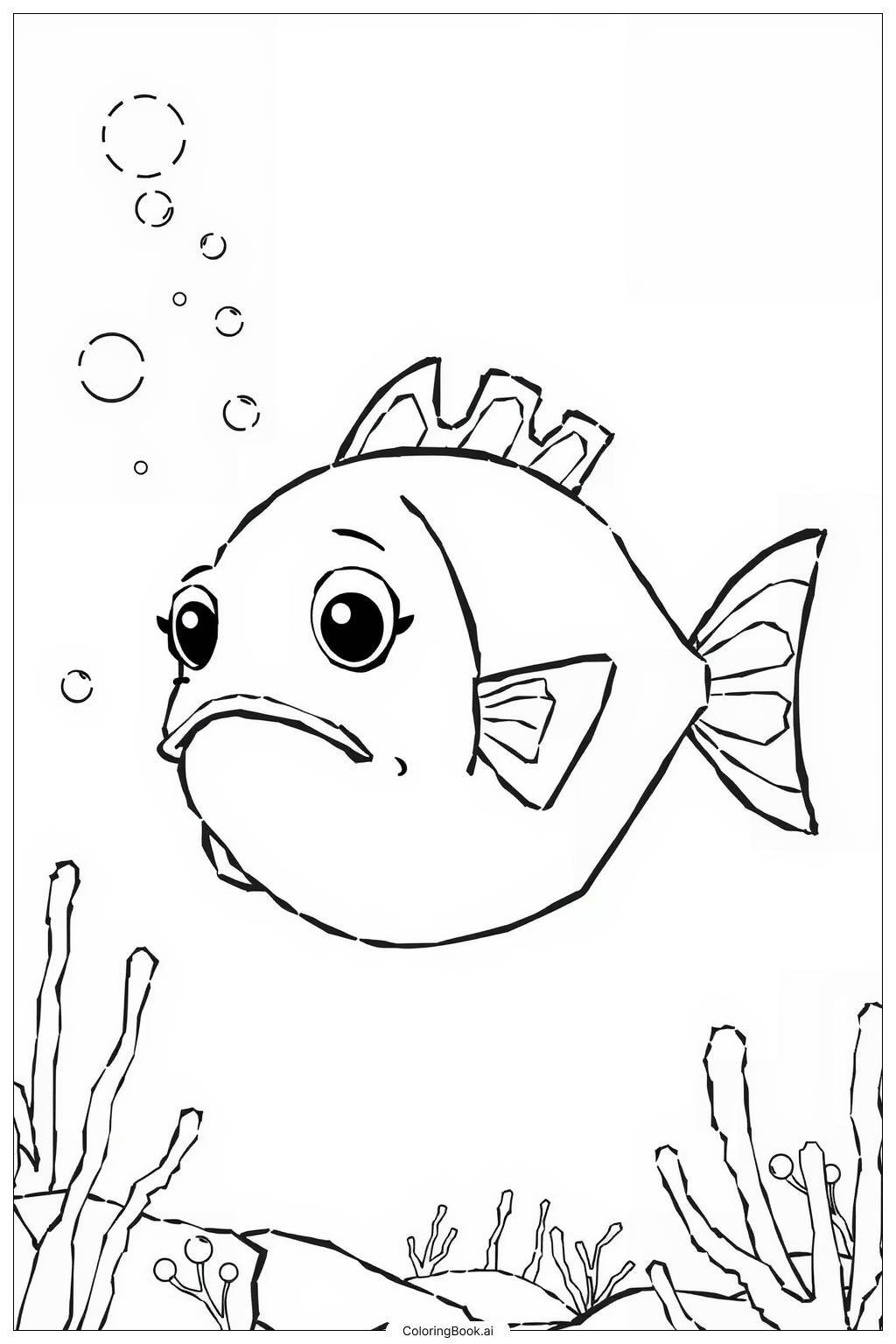
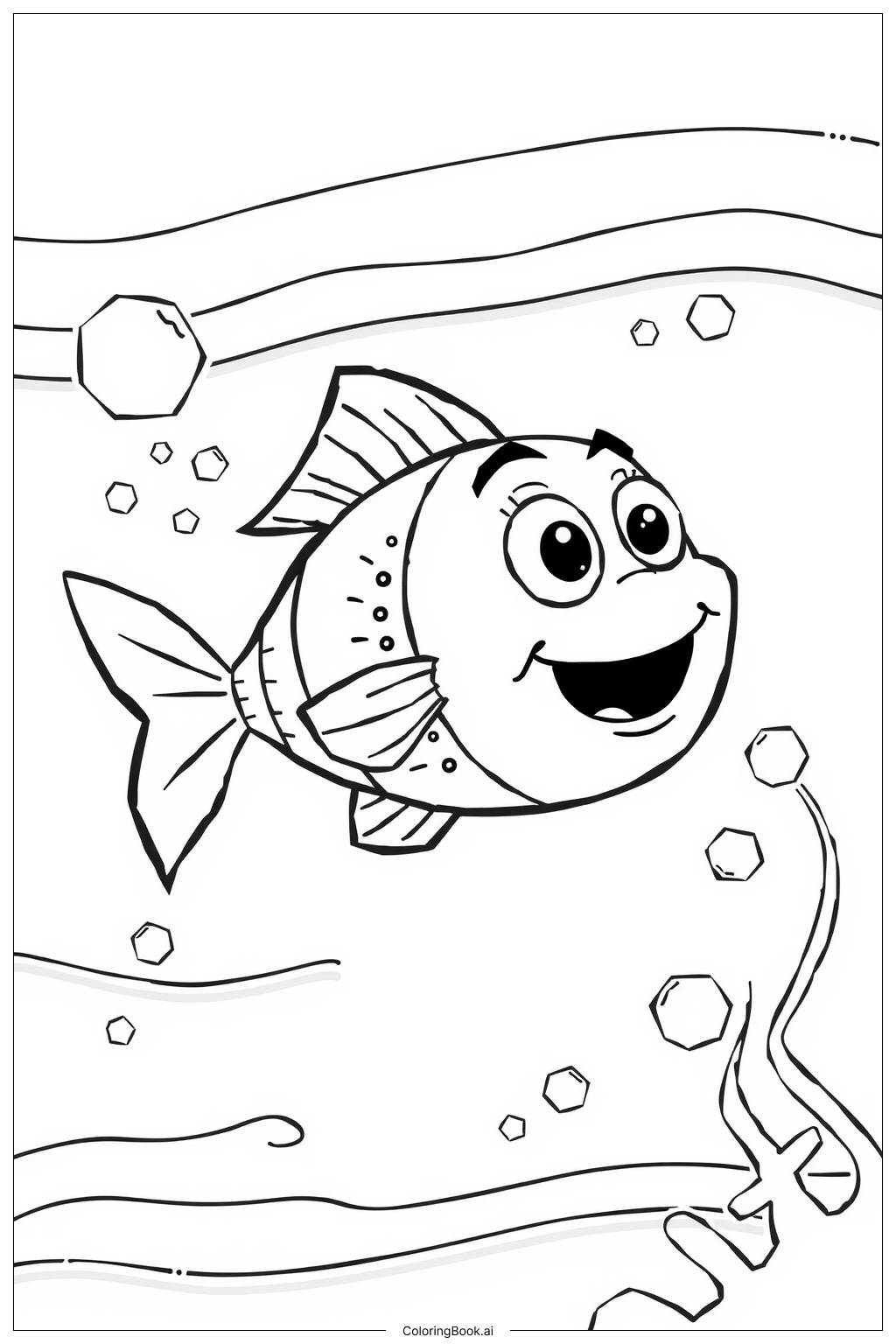
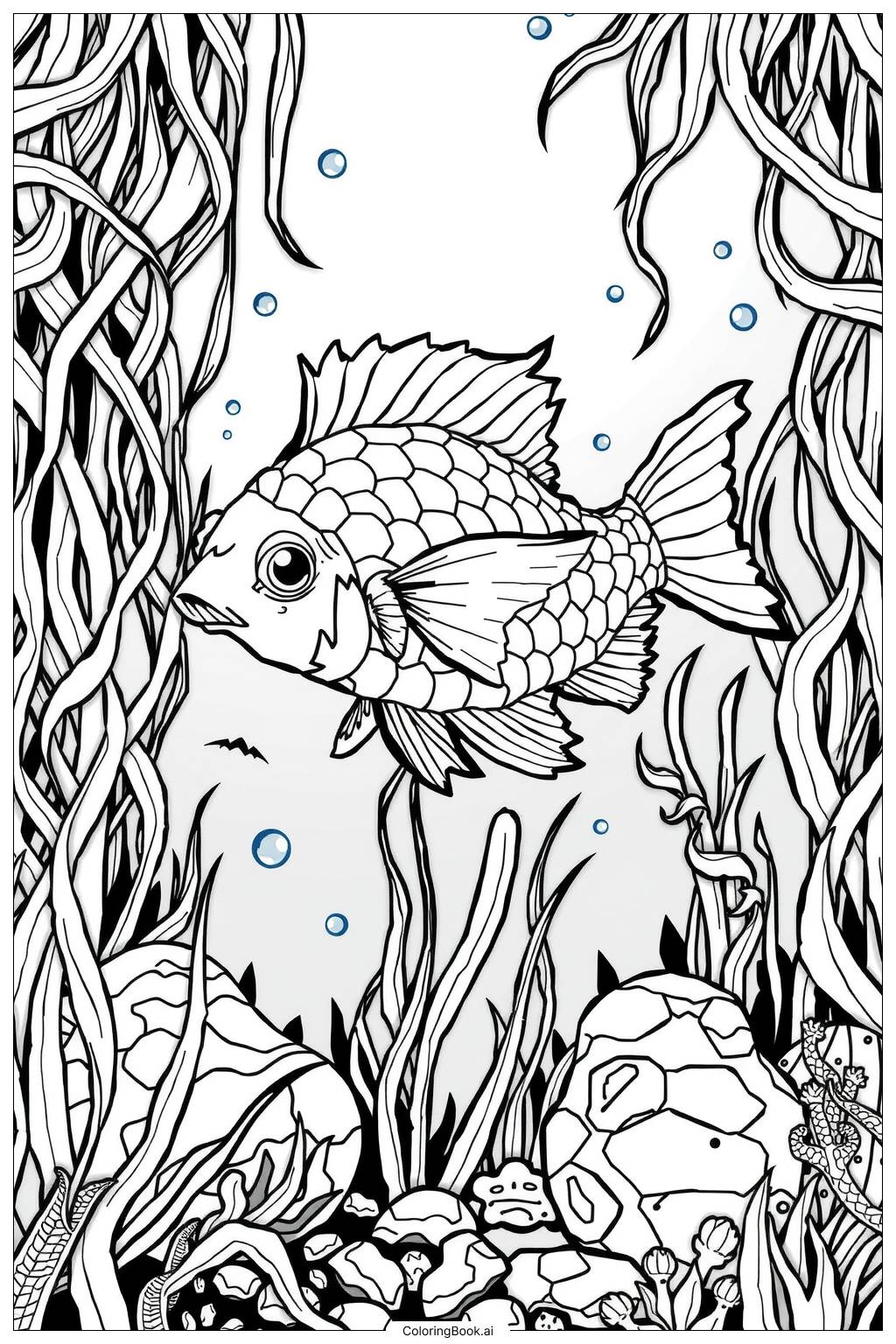
Start with the fish body and choose a bright, eye-catching color like orange, yellow, or blue. Use a slightly darker shade of the same color to add depth to the scales. Give each fin a lighter tone to make it look delicate and translucent. For the seaweed, try using several shades of green — lime green for the bright areas and dark green for the shadowed parts. Mix in some teal or blue-green to add variety. Use a light blue or aqua color for the water background, keeping it soft so the fish and plants stand out. Color the bubbles with a pale blue or leave them white. Encourage creativity — real fish and seaweed come in every color imaginable, so there are no wrong choices here!
Coloring challenges: Which parts are difficult to color and need attention for Fish Swimming Through Colorful Seaweed coloring page?
• Scale Patterns: The fish body is covered with many small, overlapping scales. Coloring each one neatly without going outside the lines takes patience and a steady hand. Using a fine-tipped pencil or marker will help keep each scale clean and defined. Consider coloring in one direction to maintain a consistent look.
• Seaweed Layering: The seaweed strands overlap and interweave throughout the scene. It can be tricky to decide which strand goes in front and which goes behind. Try coloring the background seaweed first with darker tones, then move to the foreground pieces using brighter shades to create a natural sense of depth.
• Fin Details: The fins contain thin, delicate lines that represent the fin rays. These small spaces are narrow and close together, making it easy for colors to bleed into each other. Working slowly with a sharpened pencil or a fine marker tip is the best approach for these areas.
• Bubble Outlines: The small bubbles scattered through the image are very tiny circles. Staying inside their outlines while applying color requires careful control. A light touch with a colored pencil works better than markers for these small shapes.
• Overall Color Balance: With so many elements in the scene — fish, seaweed, water, and bubbles — it can be challenging to make sure no single area looks too heavy or too dull. Planning your color palette before you begin will help you achieve a balanced and visually pleasing result.
Benefits of coloring books: Advantages of drawing Fish Swimming Through Colorful Seaweed coloring page
Coloring this underwater scene offers a wide range of benefits for children and young artists. First, it builds fine motor skills. Carefully filling in scales, fins, and seaweed strands trains the small muscles in the hand and improves pencil control — skills that also help with handwriting. Second, it encourages creativity. Since ocean life comes in countless colors and patterns, children feel free to experiment and make their own color choices without fear of being wrong. Third, it teaches focus and patience. Completing a detailed image like this one requires sitting still and working carefully, which helps develop concentration. Fourth, it sparks curiosity about the natural world. While coloring the fish and seaweed, children may become interested in learning more about marine life and ocean ecosystems. Fifth, it provides a calming, screen-free activity that helps reduce stress and anxiety. The repetitive motion of coloring is soothing and satisfying, leaving children with a sense of pride and accomplishment when the page is complete.