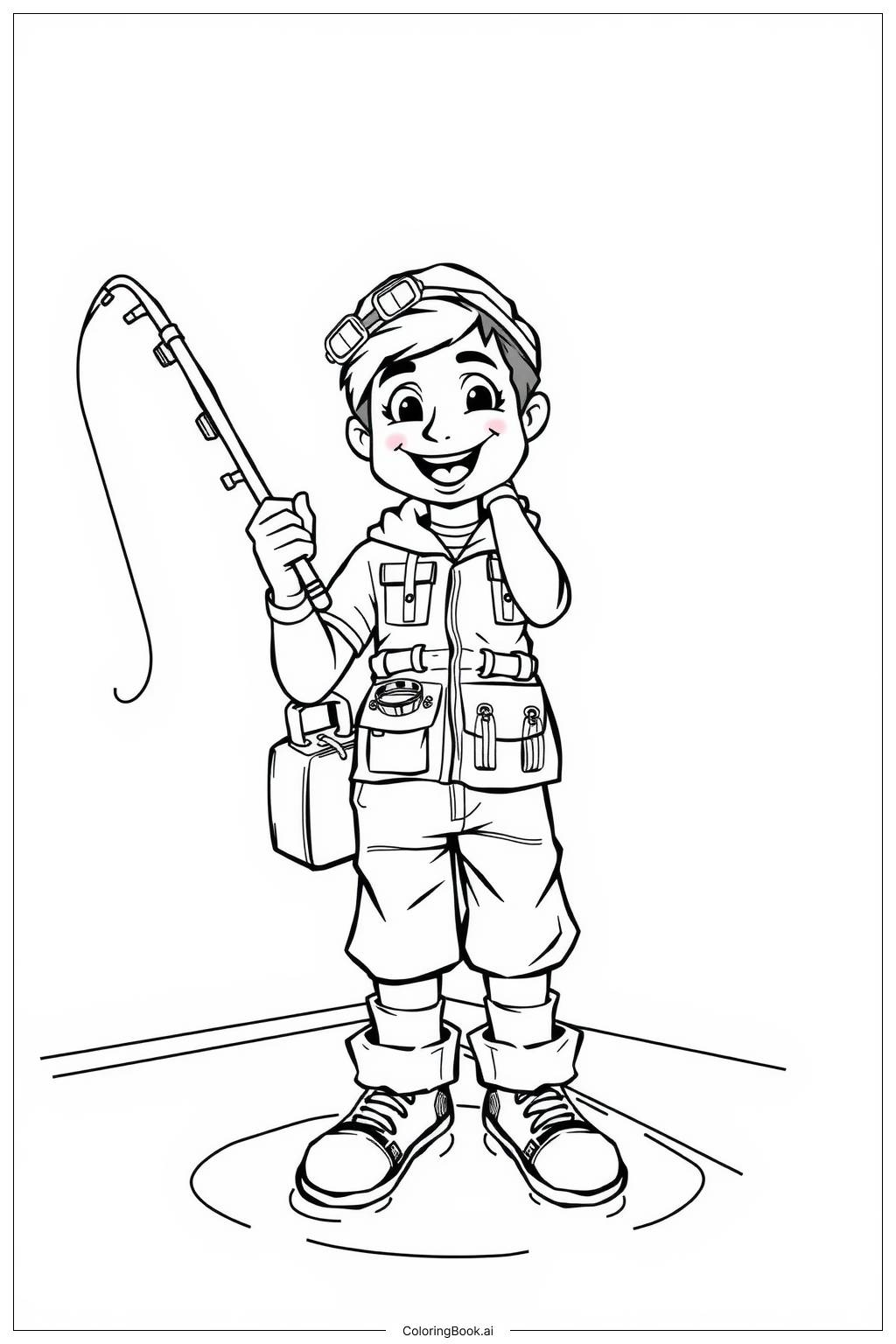
Coloring tips: How to color Fishing Pole Ready for a Big Catch coloring page well?
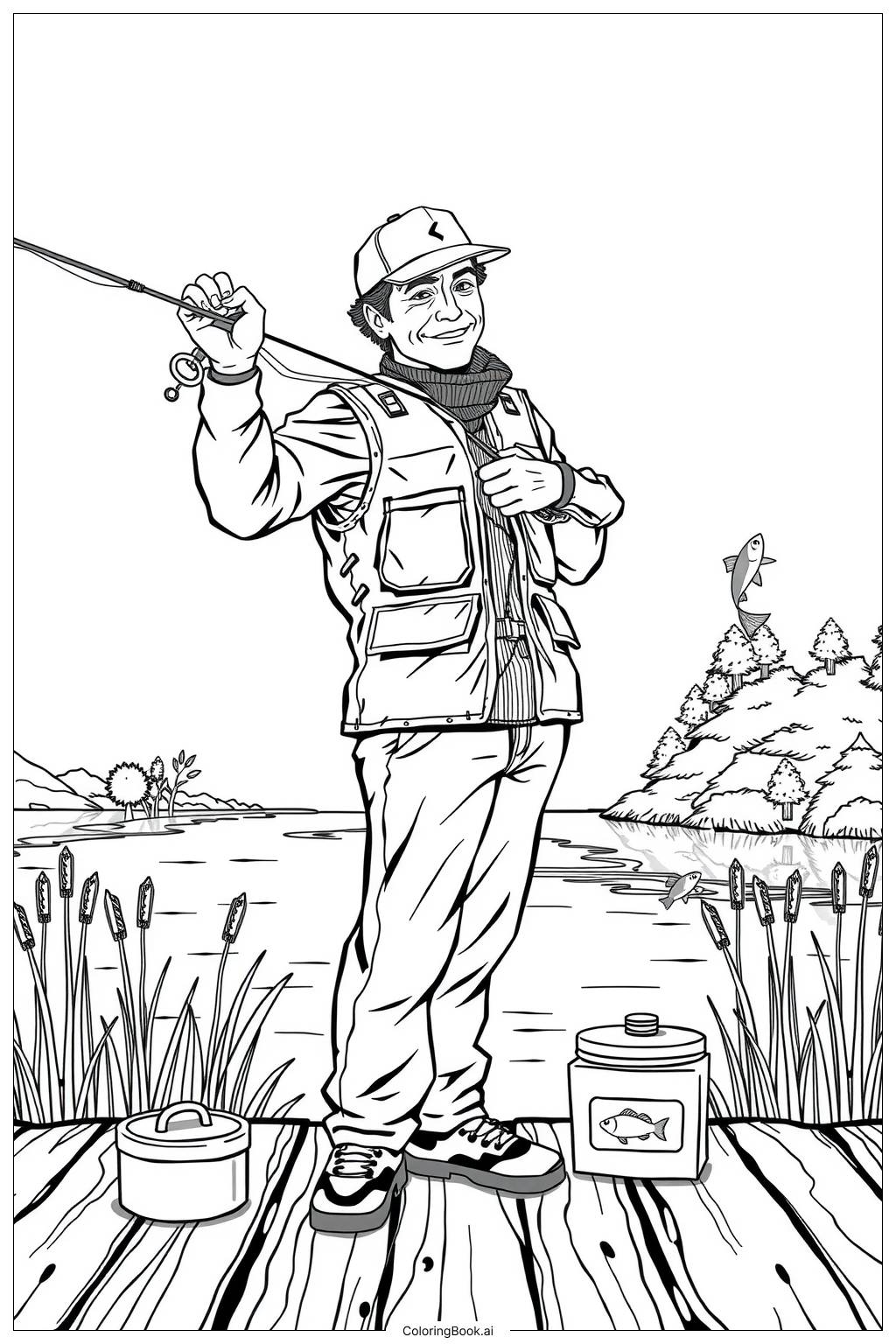
Start with the fishing rod. Use warm brown or dark tan for a wooden rod, or try gray and silver for a modern one. Add a darker shade along one side to show depth. Color the fishing line thin and light gray or pale blue. For the bobber, use bright red on top and clean white on the bottom — this classic look really pops. The hook can be silver or metallic gray. For the water, try soft blues and greens with light streaks to show gentle ripples. Use bright greens for lily pads and earthy tones for cattails or reeds. The sky and background can be soft blue with a hint of yellow if you want to add a sunny feel. Keep colors light and cheerful to match the fun, relaxing mood of a day out fishing. Kids can also try adding their own fish just below the water's surface for extra fun.
Coloring challenges: Which parts are difficult to color and need attention for Fishing Pole Ready for a Big Catch coloring page?
• Fishing Line Precision: The fishing line is very thin and runs from the tip of the rod down to the bobber and hook. Staying inside such a narrow shape is tricky, especially for younger colorists. A fine-tipped marker or a sharpened colored pencil works best here. Take your time and move slowly along the line.\n\n• Bobber Details: The bobber is small and divided into two color sections — typically red and white. Getting a clean, even division between the two colors without bleeding or smudging can be challenging. It helps to color one section first, let it dry completely, then carefully fill in the other side.\n\n• Water Texture and Ripples: Water is one of the hardest things to color naturally. The ripples and reflections require layering multiple shades of blue and green. Blending them smoothly takes patience. Try using light circular strokes or gentle side-to-side motions to create a soft, flowing water effect.\n\n• Rod Shading and Dimension: The fishing rod needs light and shadow to look three-dimensional. Without shading, it can look flat. Use a base color first, then add a slightly darker tone on one side to give it a rounded, realistic shape. This is a great skill-building exercise for older kids.\n\n• Small Overlapping Elements: Elements like reeds, lily pads, and the hook may overlap one another. Keeping colors clean and distinct where shapes meet requires careful attention and a steady hand. Using outlines or leaving thin white spaces between sections can help define each part clearly.
Benefits of coloring books: Advantages of drawing Fishing Pole Ready for a Big Catch coloring page
Coloring this fishing scene offers a wide range of benefits for children of all ages. First, it builds fine motor skills. Carefully coloring thin details like the fishing line and small bobber trains little hands to move with control and precision. These skills carry over into writing and other daily tasks. Second, it encourages focus and patience. Fishing is a quiet, calm activity — and so is coloring this page. Children learn to slow down, pay attention to detail, and stay with a task from start to finish. Third, it sparks creativity. There are no wrong color choices here. Kids can imagine a sunset lake, a foggy morning river, or a bright tropical pond. This kind of open-ended creative thinking builds confidence and imagination. Fourth, it connects children to nature. The peaceful outdoor setting introduces kids to the natural world — water, plants, and wildlife — in a fun and relaxed way. It can even inspire an interest in real-life fishing or outdoor exploration. Finally, completing the page gives a sense of accomplishment that boosts self-esteem and motivates kids to keep creating.