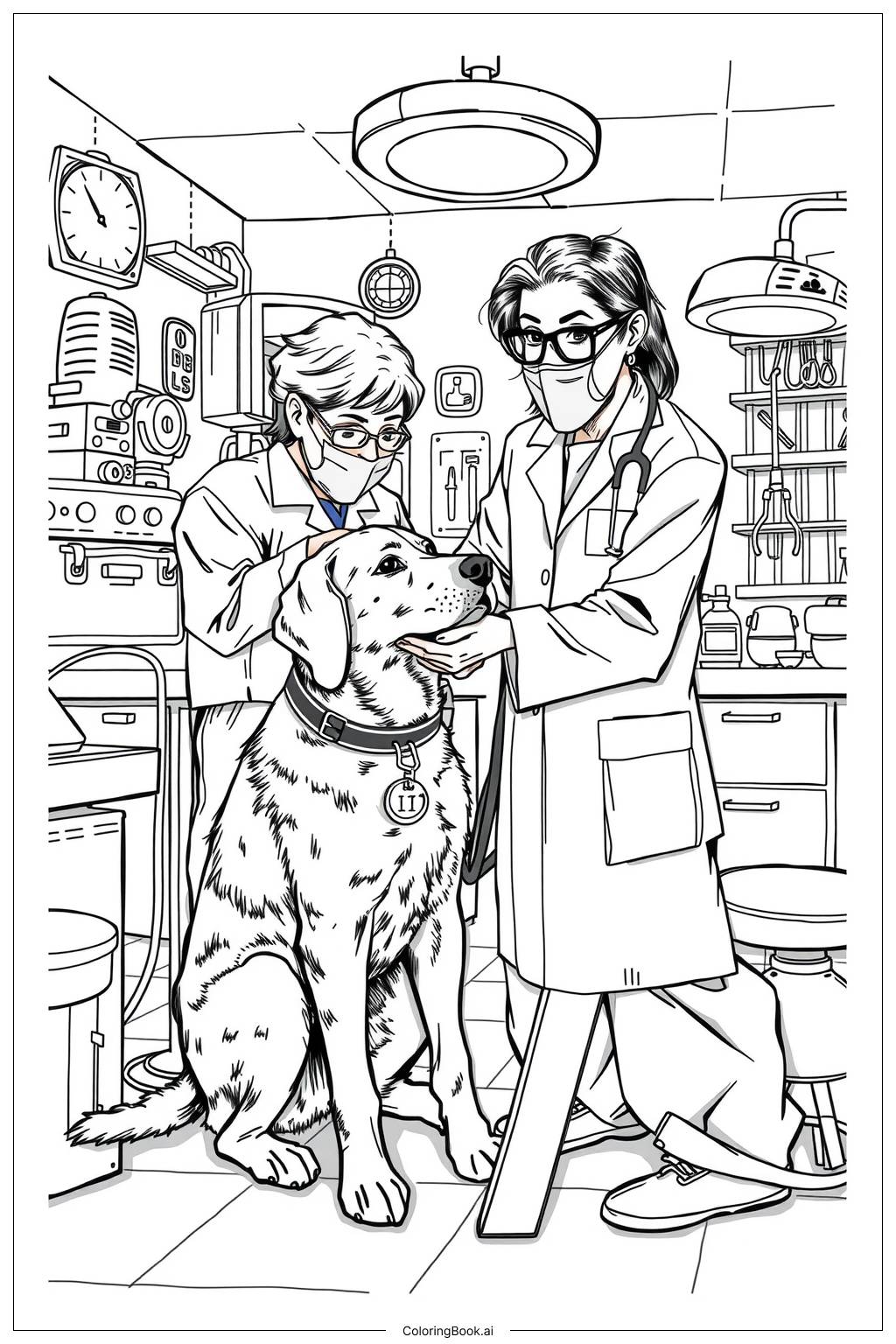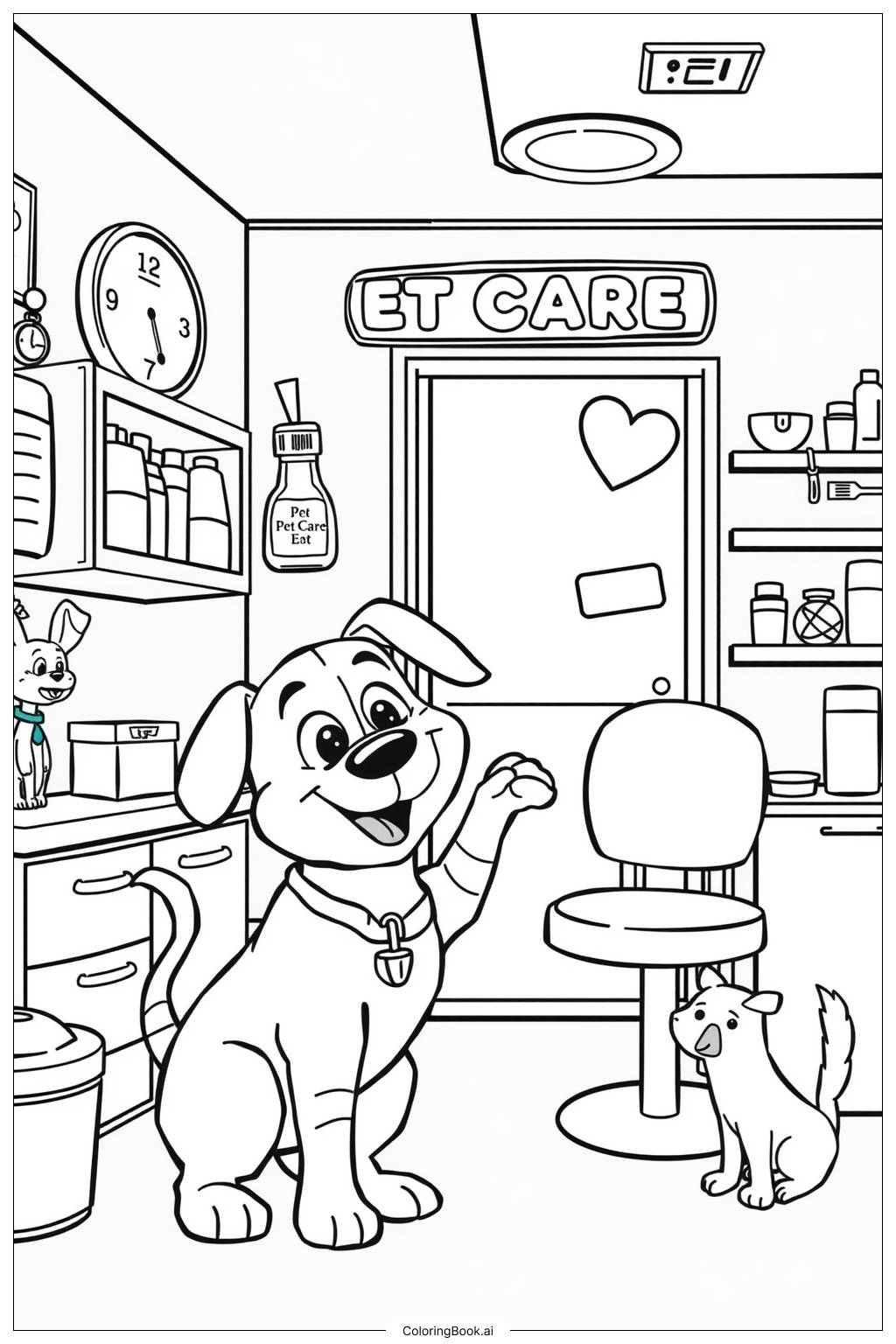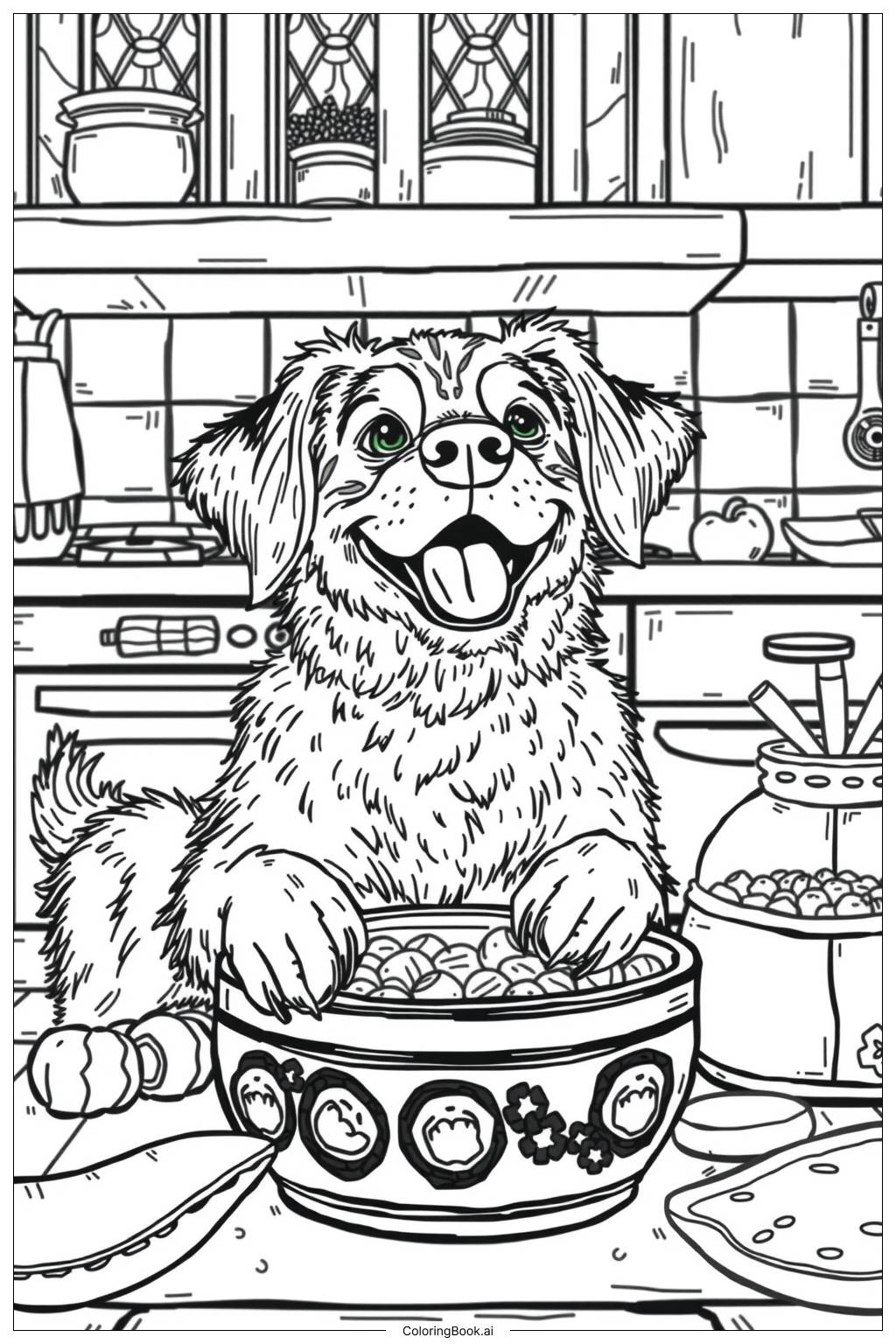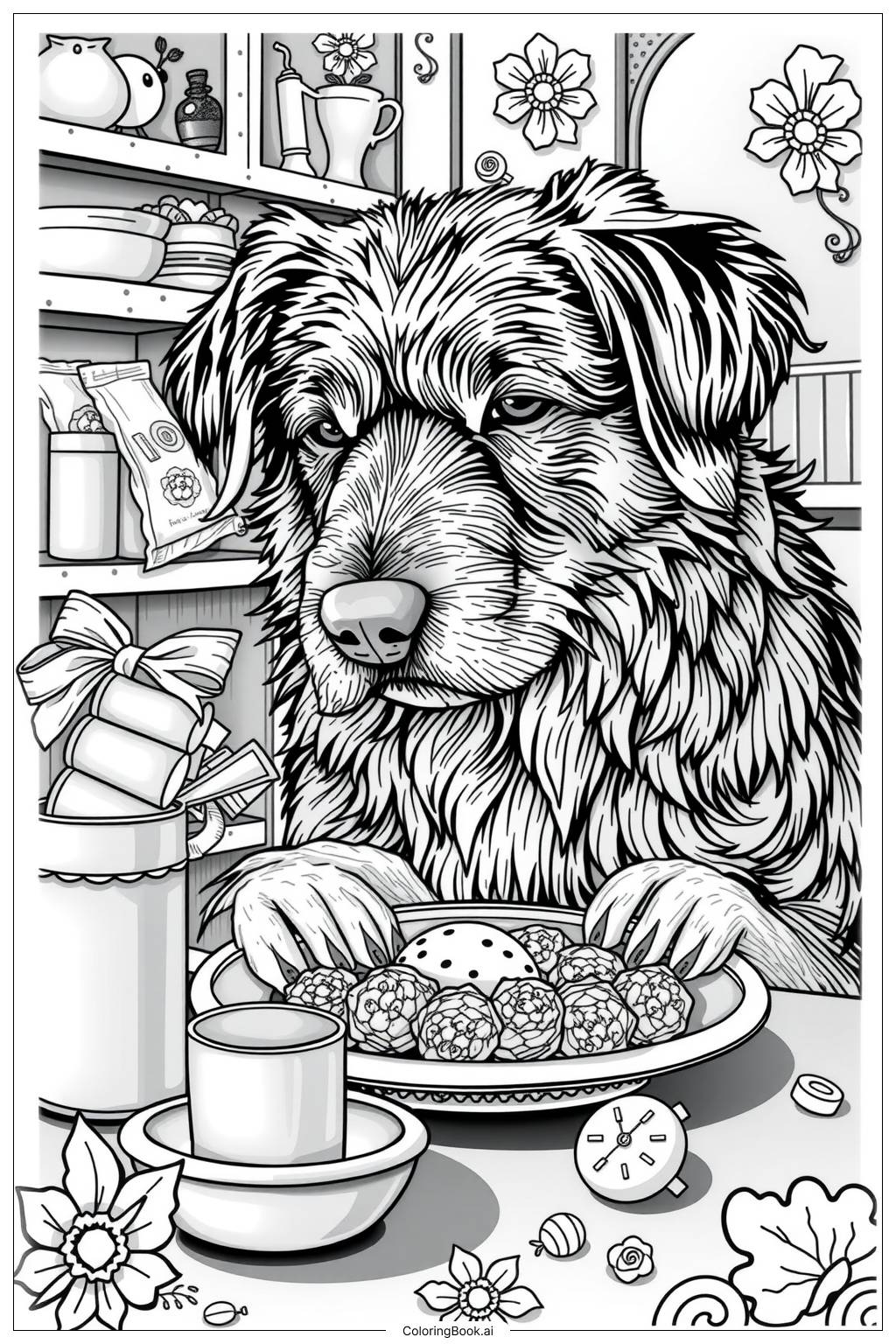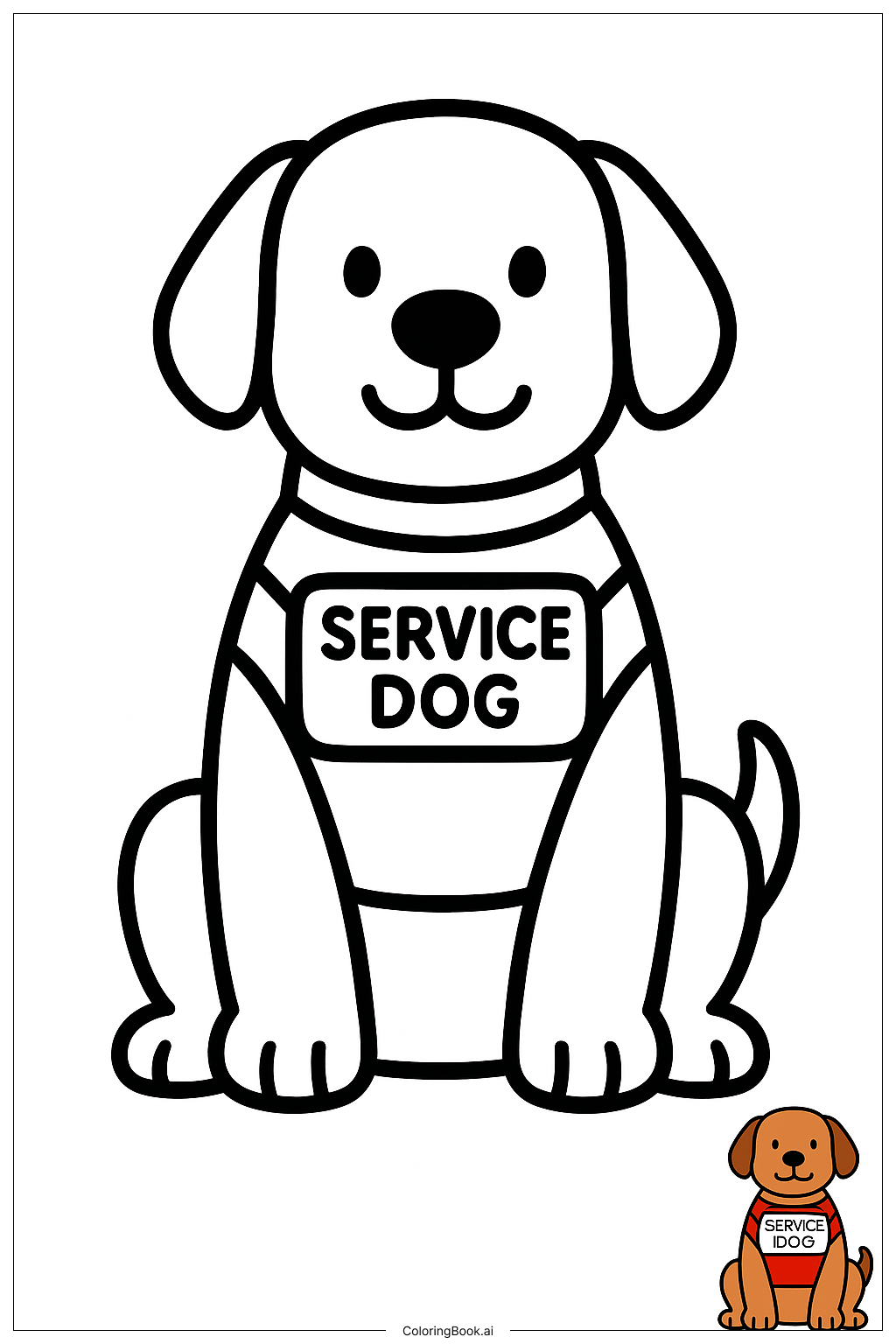
Coloring tips: How to color Service Dog With Vest coloring page well?
Start with the dog's fur. Golden retrievers or Labradors are popular service dogs, so shades of golden yellow, tan, or warm brown work great. You can also use black or chocolate brown if you prefer. For the vest, use bright colors like red, orange, blue, or green to make it stand out. Patches on the vest can be colored in yellow or white. Use a darker shade of the same color to add shadows and make the vest look three-dimensional. For the dog's eyes, try dark brown with a small white highlight to make them look alive and warm. Keep the background simple with light colors so the dog stays the center of attention. Take your time with the fur by using short, light strokes to follow the direction of the hair. This makes the dog look soft and real.
Coloring challenges: Which parts are difficult to color and need attention for Service Dog With Vest coloring page?
• Fur Texture Details: The dog's coat has many fine lines showing the direction and layers of fur. Coloring these lines carefully takes patience. Using short, light strokes that follow the fur's natural flow will help the coat look realistic. Blending two shades of the same color adds depth and softness to the fur, but this can be tricky for beginners.
• Vest Patches and Labels: The service vest has small patches, straps, and text areas. These tiny details are hard to color neatly, especially for younger children. Using a fine-tipped colored pencil or marker will help you stay within the lines. Each patch may need a different color, so planning your color choices before you start is a good idea.
• Shading and Depth: Creating a sense of depth on both the fur and the vest requires using light and dark shades together. Without shading, the image can look flat. Adding a slightly darker tone along the edges of the vest and under the dog's chin helps give the image a three-dimensional look.
• Expressive Eyes: The dog's eyes are small but very important to the overall feel of the image. Coloring them with just one flat color can make the dog look lifeless. Try using a dark brown base, then adding a lighter brown highlight, and finishing with a tiny white dot to capture a natural, warm gaze.
• Balancing Colors: Choosing colors that work well together for both the dog and the vest can be challenging. If the dog's fur and the vest are too similar in color, the details can blend together and become hard to see. Picking contrasting colors for the vest helps each element stand out clearly.
Benefits of coloring books: Advantages of drawing Service Dog With Vest coloring page
Coloring this service dog page offers many wonderful benefits for kids and adults alike. First, it teaches children about the important role service dogs play in helping people with disabilities. This builds empathy, kindness, and an appreciation for animals and the people they support. Second, carefully coloring the dog's fur and vest details helps improve fine motor skills and hand-eye coordination. Staying within the small lines of the patches and straps requires focus and control, which strengthens hand muscles used for writing. Third, choosing colors and planning how to shade the image encourages creative thinking and decision-making. Kids learn that there is no single right answer in art, which builds confidence. Fourth, the calm and focused activity of coloring helps reduce stress and anxiety. It gives children and adults a quiet moment to relax and be present. Finally, completing a detailed image like this service dog gives a real sense of accomplishment, boosting self-esteem and motivation to try more challenging projects.