Coloring tips: How to color Puppy Bone Play coloring page well?
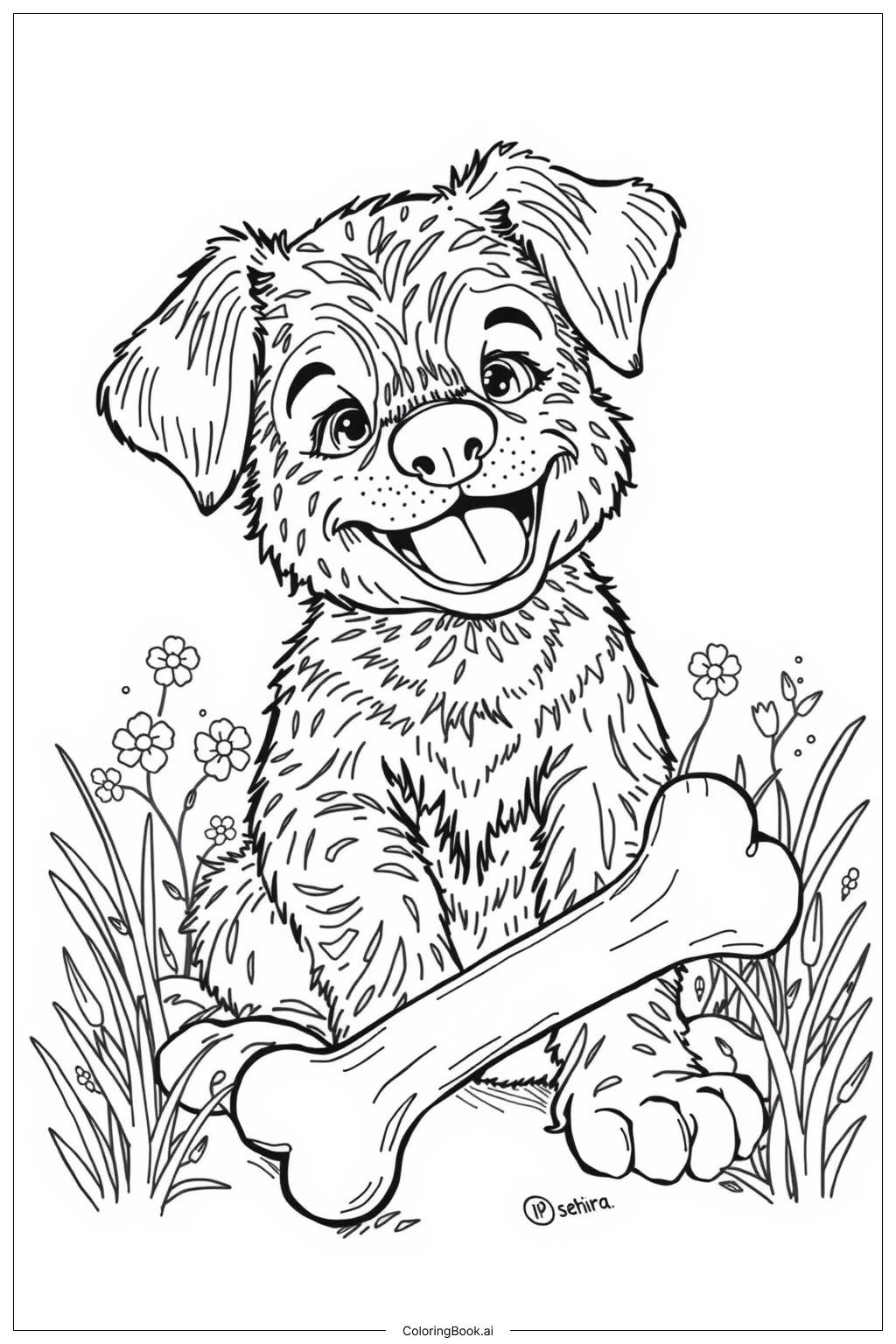
Start with the puppy's body using a warm, light brown or golden yellow. Use a slightly darker shade on the ears, paws, and tail tip to add depth. Leave a small white patch on the chest or forehead if you want a two-toned look. The big eyes can be colored dark brown or black, with a tiny white dot left uncolored to make them look shiny and alive. Color the nose a soft pink or dark brown. For the bone, use a creamy off-white or light tan. Add a little gray shading on the rounded ends to give it a three-dimensional feel. The background can be left white or filled with a soft sky blue or light green to make the puppy pop. Use colored pencils for smooth blending, or markers for bold, bright results. Have fun mixing colors to make your puppy unique.
Coloring challenges: Which parts are difficult to color and need attention for Puppy Bone Play coloring page?
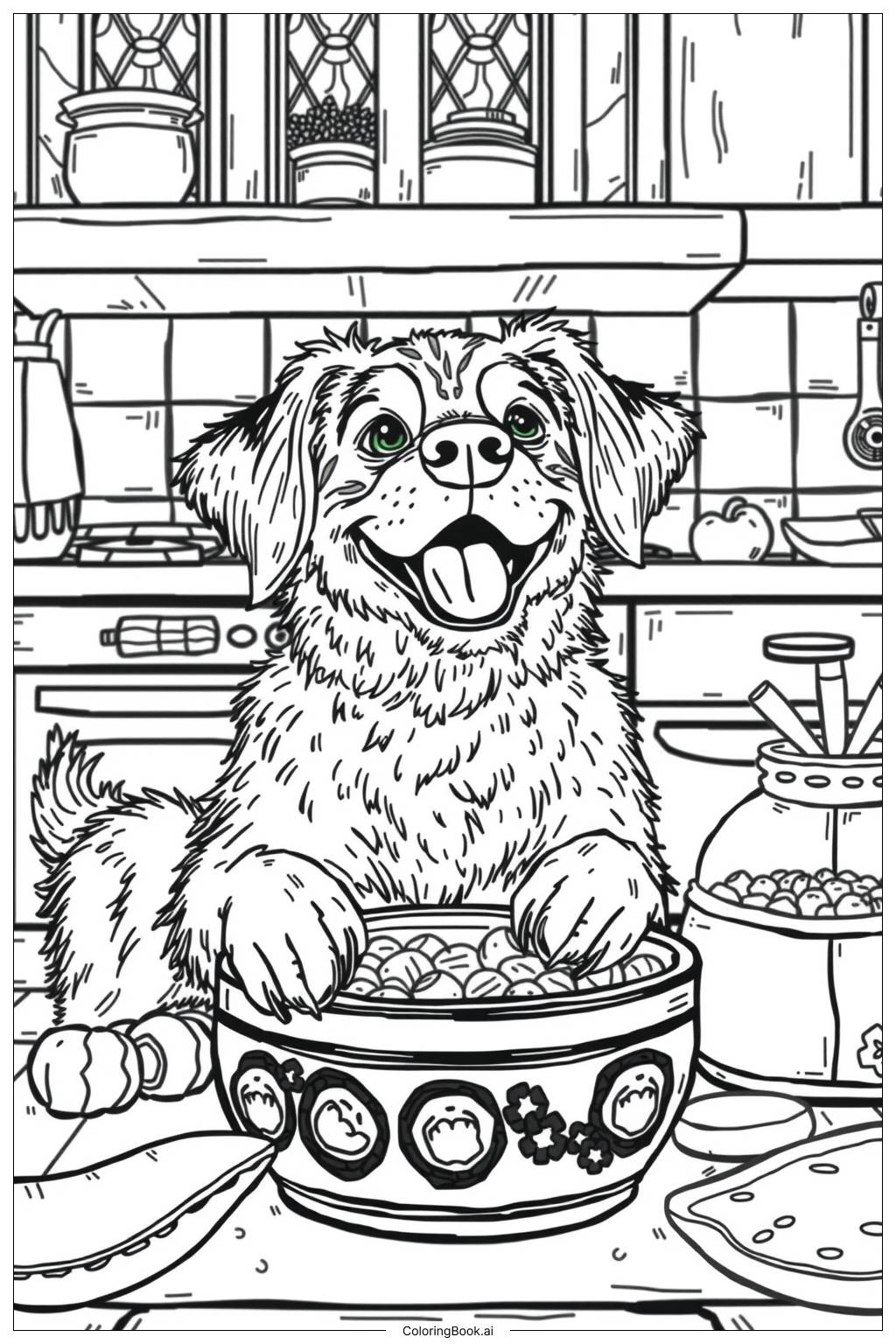
• Puppy Fur Texture: The puppy's body has short, layered fur lines that suggest fluffiness. Staying inside these fine lines while blending colors smoothly can be tricky, especially for younger children. Using a light touch with colored pencils helps keep the texture natural and soft.
• Small Facial Features: The puppy's face includes tiny details like the nose tip, the inner corners of the eyes, and the small mouth curve. These areas are very small and close together, making it easy to accidentally color outside the lines or mix colors where they should stay separate. A fine-tipped marker or a sharpened pencil works best here.
• Creating Depth on the Bone: The bone looks round and three-dimensional because of its curved shape. To make it look realistic rather than flat, colorists need to apply lighter color in the center and darker shading toward the edges. This shading technique can be challenging for beginners who are still learning how light and shadow work.
• Ear and Paw Shading: The floppy ears and rounded paws overlap slightly with the main body. Coloring these overlapping areas with a slightly different shade than the body helps them stand out, but choosing the right contrast without making the difference too harsh takes a bit of practice and a careful eye.
• Background Balance: Deciding how to color the background so it complements but does not overpower the puppy is a subtle challenge. A color that is too dark or too bold can make the puppy hard to see, while too light a shade may look unfinished.
Benefits of coloring books: Advantages of drawing Puppy Bone Play coloring page
Coloring this playful puppy page brings a wide range of benefits for kids of all ages. For younger children, tracing and filling in the large, friendly shapes builds fine motor skills and helps develop better pencil control. Focusing on staying inside the lines trains hand-eye coordination in a fun, low-pressure way.
Choosing colors for the puppy's fur, eyes, and bone encourages creative thinking and boosts confidence. There is no single right answer, so every child can make their own unique version. This freedom helps build a healthy sense of self-expression from an early age.
For older kids, the shading and blending challenges in this image introduce basic art concepts like light, shadow, and color layering. These are real skills that carry over into drawing, painting, and other creative activities.
Beyond the artistic benefits, spending quiet time coloring is a natural way to reduce stress and calm a busy mind. The simple joy of watching a blank page slowly come to life is deeply satisfying and rewarding.
Finally, the happy puppy theme makes this page especially engaging. Children who love animals feel an instant connection to the image, which keeps them motivated and focused longer. It is a simple, screen-free activity that is both productive and genuinely enjoyable.