Coloring tips: How to color Puppy Bone Play coloring page well?
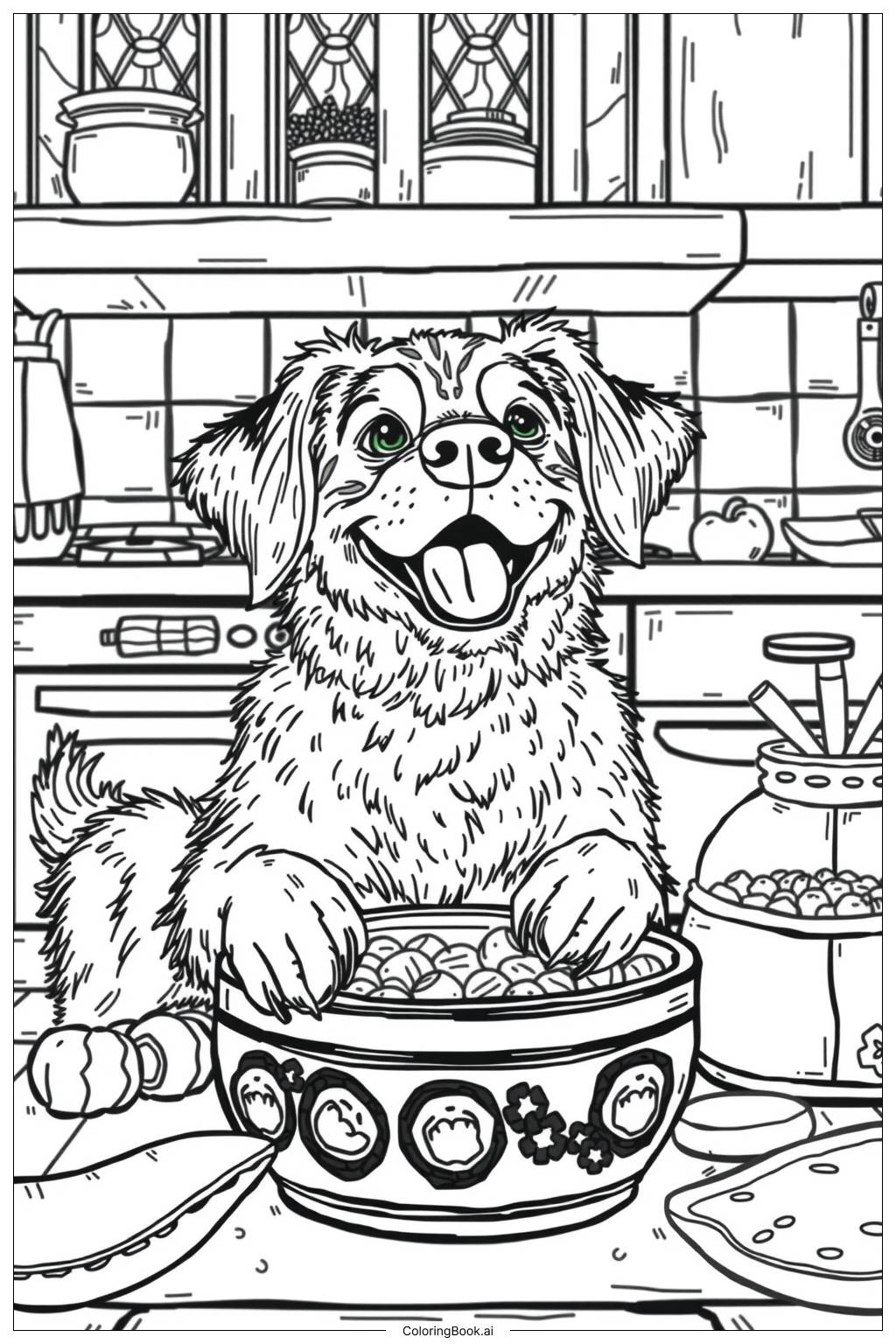
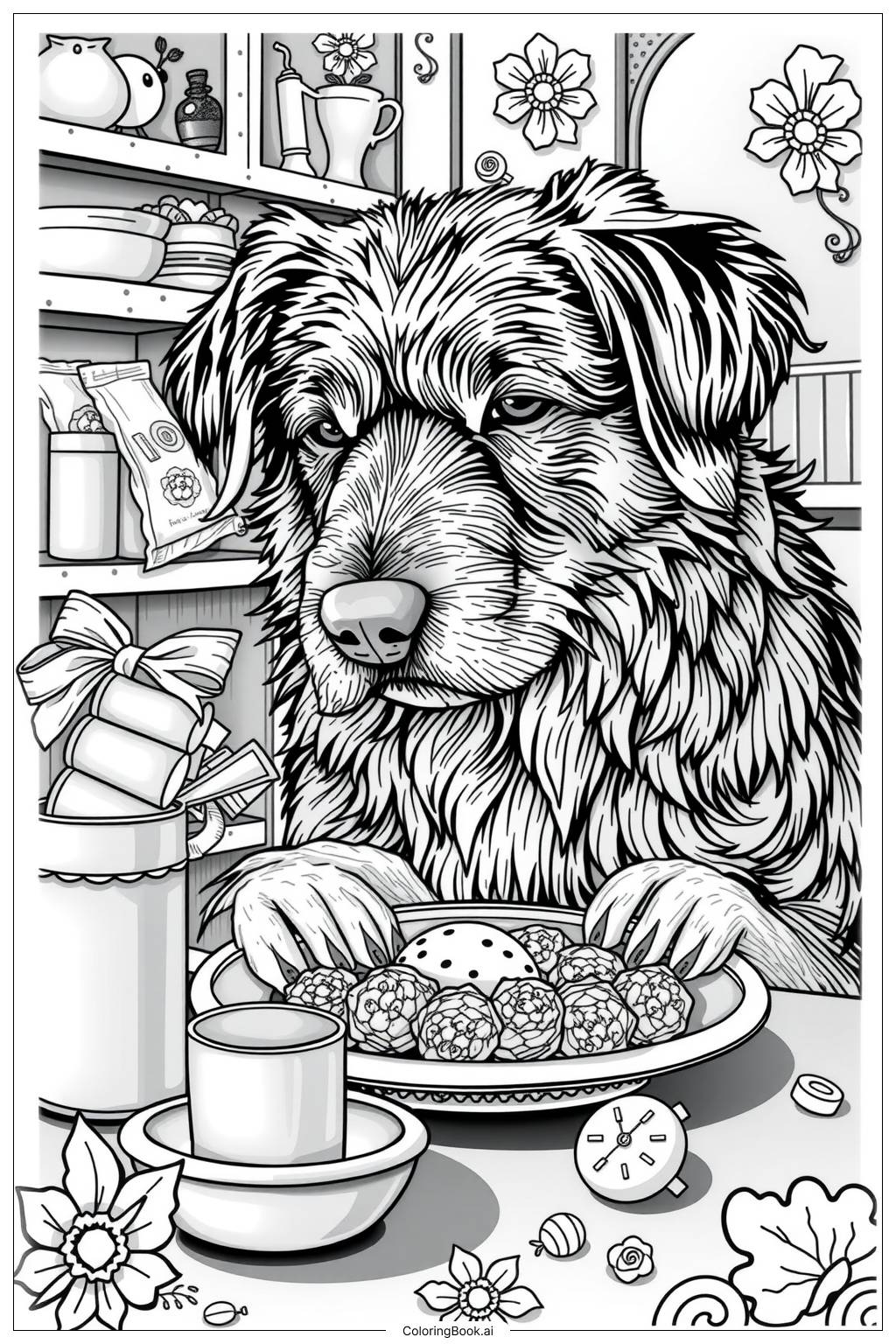
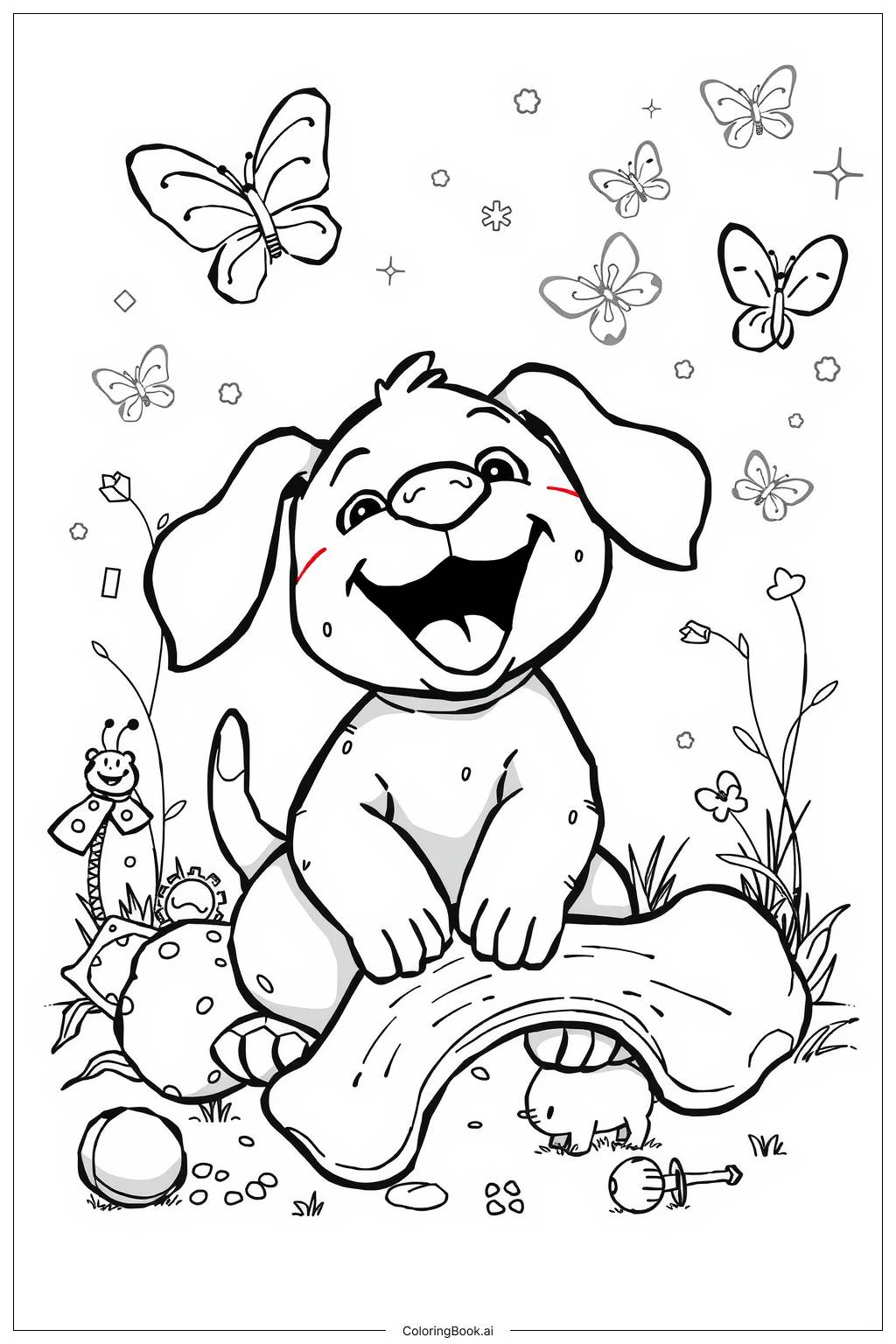
Start with the puppy's body. Golden yellow or warm brown works great for a classic puppy look. You can also try a spotted pattern using white with patches of brown or black for a dalmatian or beagle style. Use a slightly darker shade of the same color to add simple shading along the puppy's ears, paws, and belly. For the bone, use a light cream or pale tan color. Add a little white highlight on the top to make it look shiny and smooth. The puppy's eyes can be dark brown with a tiny white dot to make them sparkle. Color the nose black or dark pink. The tongue, if visible, looks best in bright pink. Keep the background light — pale blue, soft green, or soft yellow will make the puppy and bone pop without taking attention away from the main scene. Take your time with the fur by using short, gentle strokes to suggest texture.
Coloring challenges: Which parts are difficult to color and need attention for Puppy Bone Play coloring page?
• Fur Texture Details: The puppy's coat has many short, curved lines that suggest fluffy fur. Coloring these areas evenly without making them look flat is tricky. Try using short, light pencil or crayon strokes that follow the direction of the fur lines. Layering two similar colors — like light tan over pale yellow — can help create a natural, soft look.\n\n• Small Facial Features: The puppy's face has tiny details packed close together, including the eyes, nose, and mouth. These small spaces are hard to color neatly, especially for younger artists. Use a sharpened pencil or a fine-tip marker to stay inside the lines. Take it slow and steady around the eyes to keep them looking clear and expressive.\n\n• Paws and Claws: The puppy's paws where they grip the bone are small and rounded, with little claw shapes tucked in. These areas need careful attention to avoid coloring over the outlines. A light base color with a slightly darker shade on the claw edges can help define each part cleanly.\n\n• The Bone Shape: The bone has curved, smooth surfaces with rounded ends. Keeping the color consistent across these smooth areas without streaks or patches can be a challenge. Use a circular or back-and-forth motion to fill the bone evenly, and add a subtle lighter tone in the center to suggest roundness.\n\n• Balancing the Overall Scene: Making sure the puppy and the bone each stand out without clashing takes a little planning. Choose colors that contrast well — a warm-toned puppy against a cool or neutral-colored bone helps both elements look their best.
Benefits of coloring books: Advantages of drawing Puppy Bone Play coloring page
Coloring this fun puppy scene brings a wide range of benefits for kids of all ages. First, it helps build fine motor skills. Carefully filling in the puppy's fur, tiny paws, and small facial features trains the hand muscles and improves pencil control, which supports handwriting development too. Second, it encourages creativity. Kids get to choose their own color combinations — maybe a purple puppy or a rainbow bone — which builds confidence in making creative choices. Third, it supports focus and patience. Staying inside the lines and completing the full picture teaches children to slow down, concentrate, and finish what they start. Fourth, coloring is a calming activity. It helps reduce stress and anxiety, giving kids a relaxing break from screens and busy routines. Fifth, this image can spark a love of animals. As children color the happy puppy, they may feel warmth and empathy toward dogs and pets, encouraging kind attitudes toward animals. Whether done alone or with friends and family, this Coloring Page offers a joyful, screen-free experience that is both fun and good for the mind.