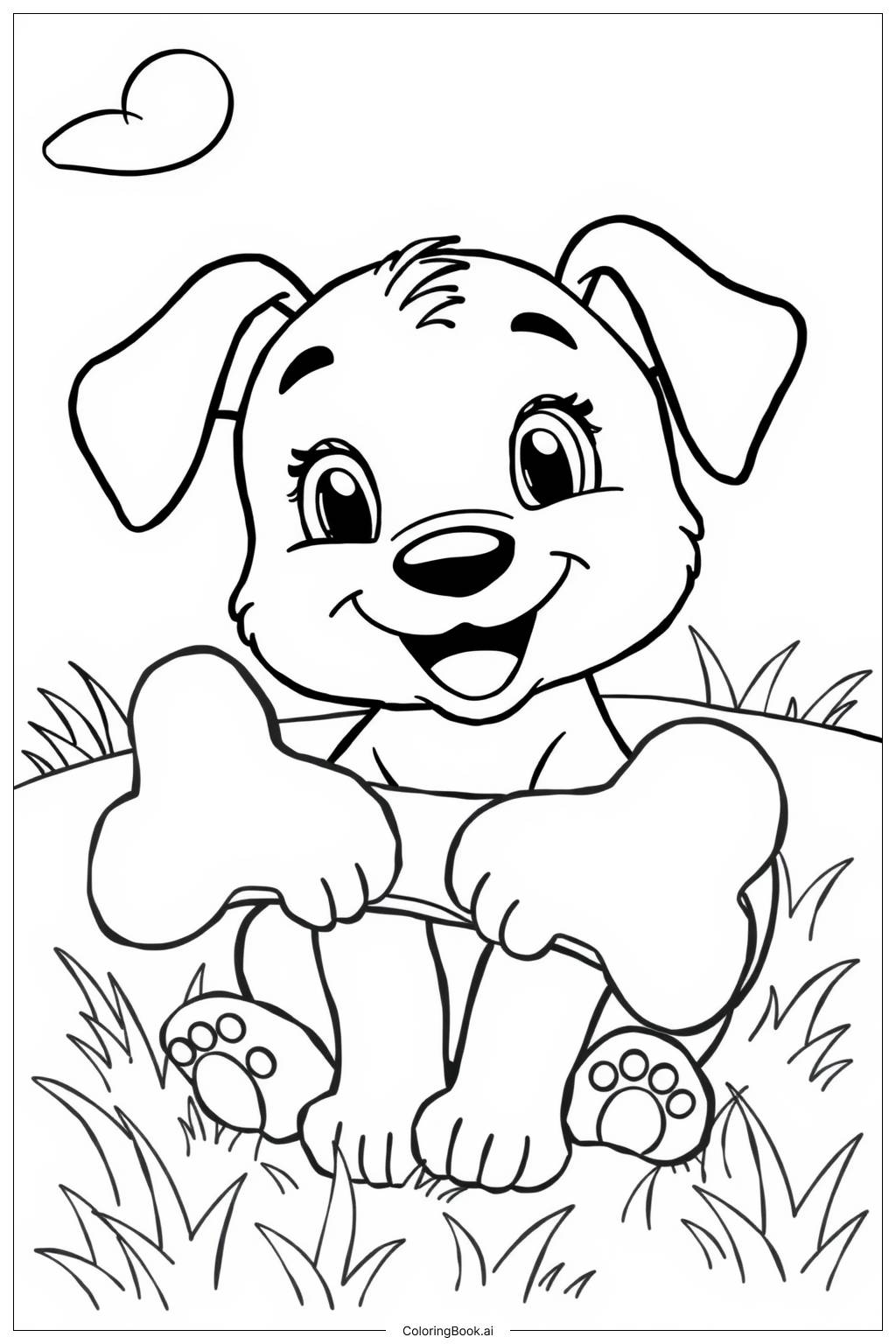
Coloring tips: How to color Puppy Bone Play coloring page well?
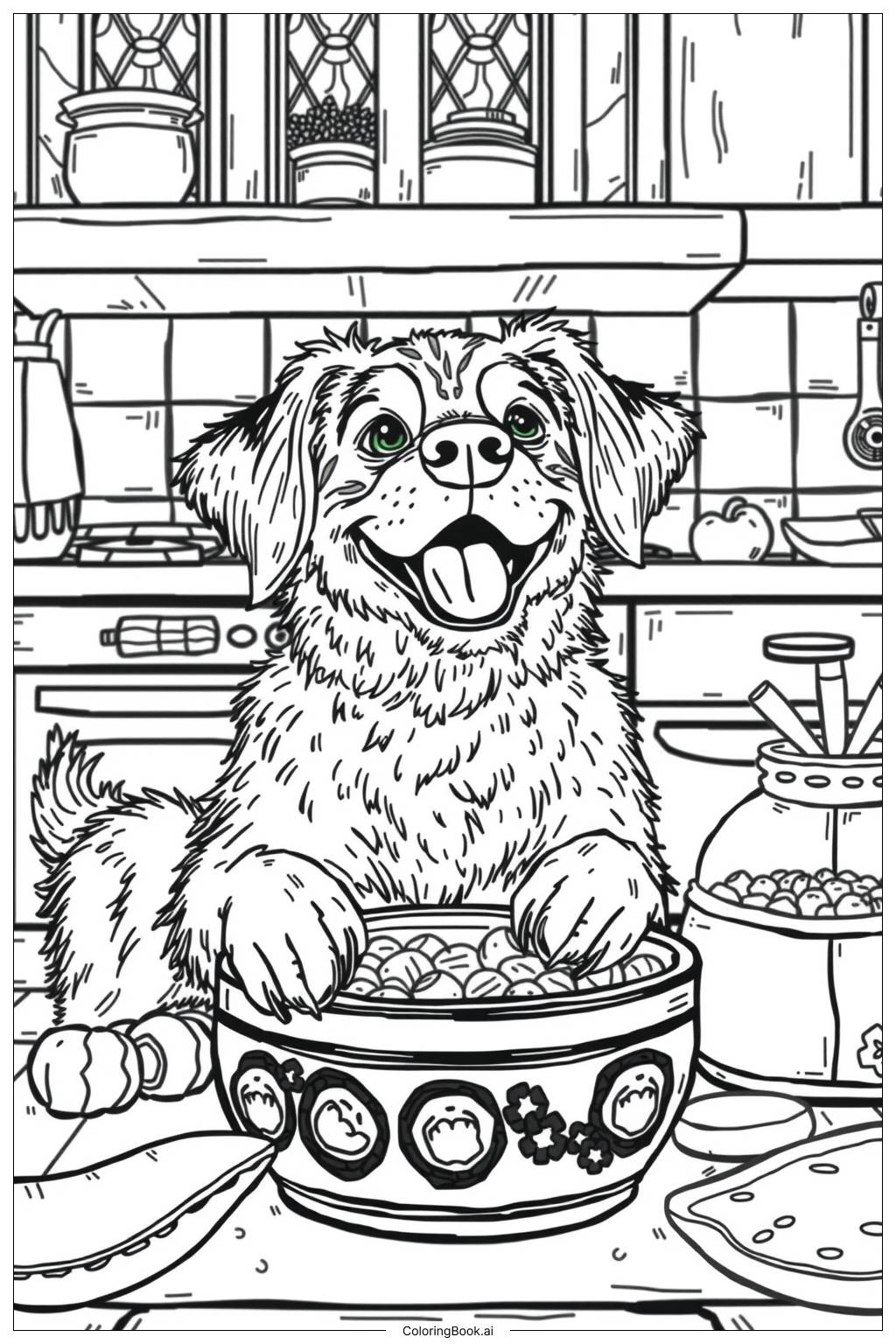
For this Puppy Bone Play image, you could use warm colors to bring the puppy to life. Try coloring the puppy’s fur in shades of light brown, golden, or even white with darker spots to add personality. The bone can be colored in soft cream or beige to look like a real dog chew bone. Use bright green for the grass and light browns or yellows for the leaves to make the background lively and natural. Adding small touches of pink on the puppy’s tongue and inside its ears will make it look more friendly and realistic. Don’t be afraid to mix different shades—this will make the puppy look fluffy and the scene more colorful and fun. Remember to color gently inside the lines for neatness, or let your creativity run wild with rainbow-colored puppy fur!
Coloring challenges: Which parts are difficult to color and need attention for Puppy Bone Play coloring page?
• Fur Texture: Capturing the fluffy appearance of the puppy’s fur can be tricky. Its soft texture requires gentle shading and blending of colors to avoid flat or harsh areas.
• Small Details: The puppy’s eyes, spots, tongue, and paw positioning include many small areas that require careful coloring to maintain clarity and expressiveness.
• Bone Shape: Coloring the bone to look three-dimensional involves shading along its curves and ends, which can be difficult for beginners.
• Background Elements: The grass and leaves have fine lines and shapes that need precise coloring, which can challenge younger children or those new to coloring.
• Maintaining Clean Lines: With many overlapping objects like the puppy and bone, careful coloring is needed to keep colors from spilling out of their boundaries, especially around paws and tail.
Benefits of coloring books: Advantages of drawing Puppy Bone Play coloring page
Coloring this Puppy Bone Play image helps children develop their fine motor skills by practicing precise coloring inside lines and around small details. It encourages creativity through the choice of colors and how to depict natural elements like fur and grass. This image also promotes focus and patience as children work to shade the puppy’s fur and bone carefully. Engaging with the playful puppy scene can bring joy and reduce stress, making coloring a calming activity. Additionally, coloring animals helps children learn more about pets and nature, nurturing empathy and appreciation for animals. Overall, this scene offers a fun way to practice art skills while enjoying a cheerful puppy’s playful moment.