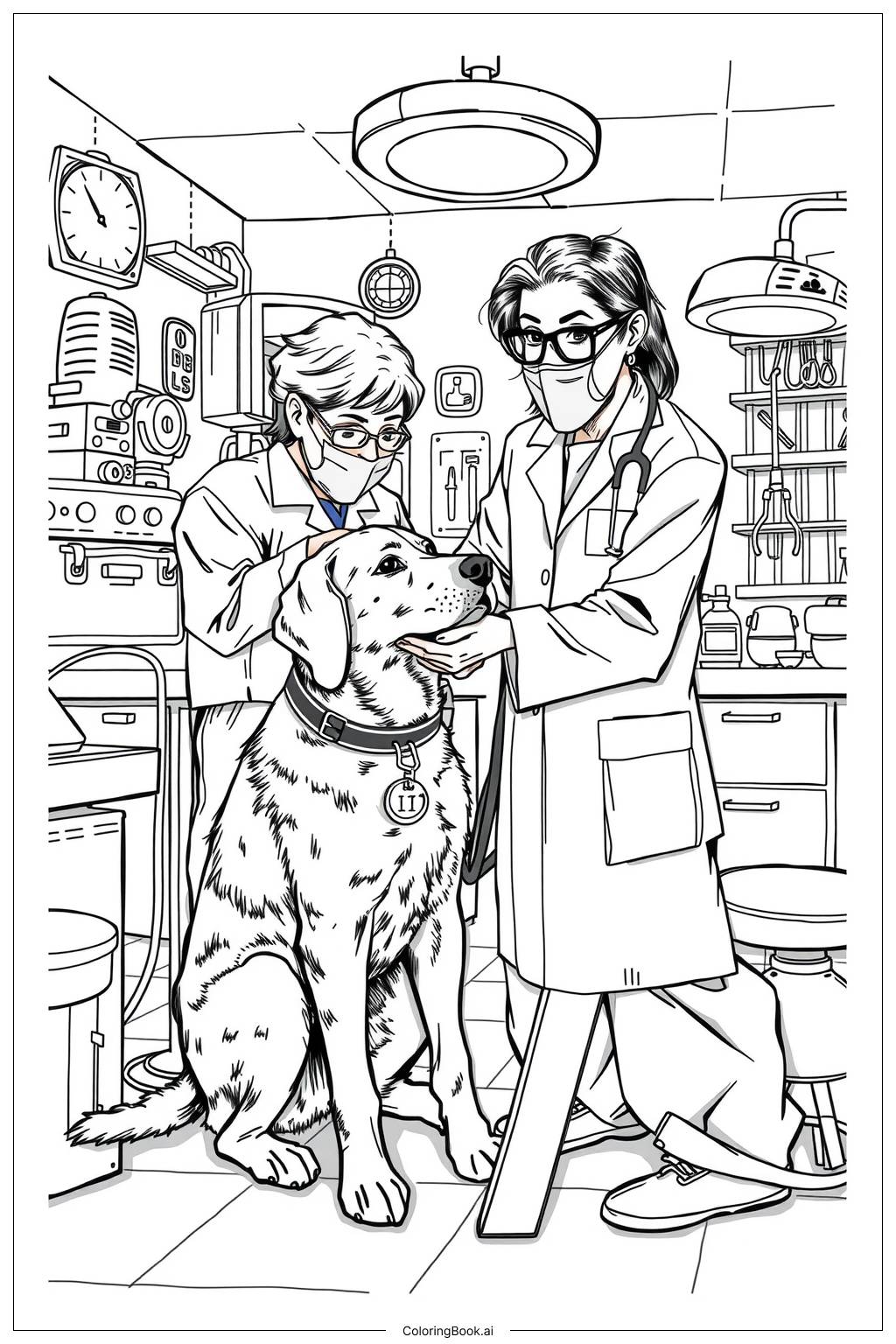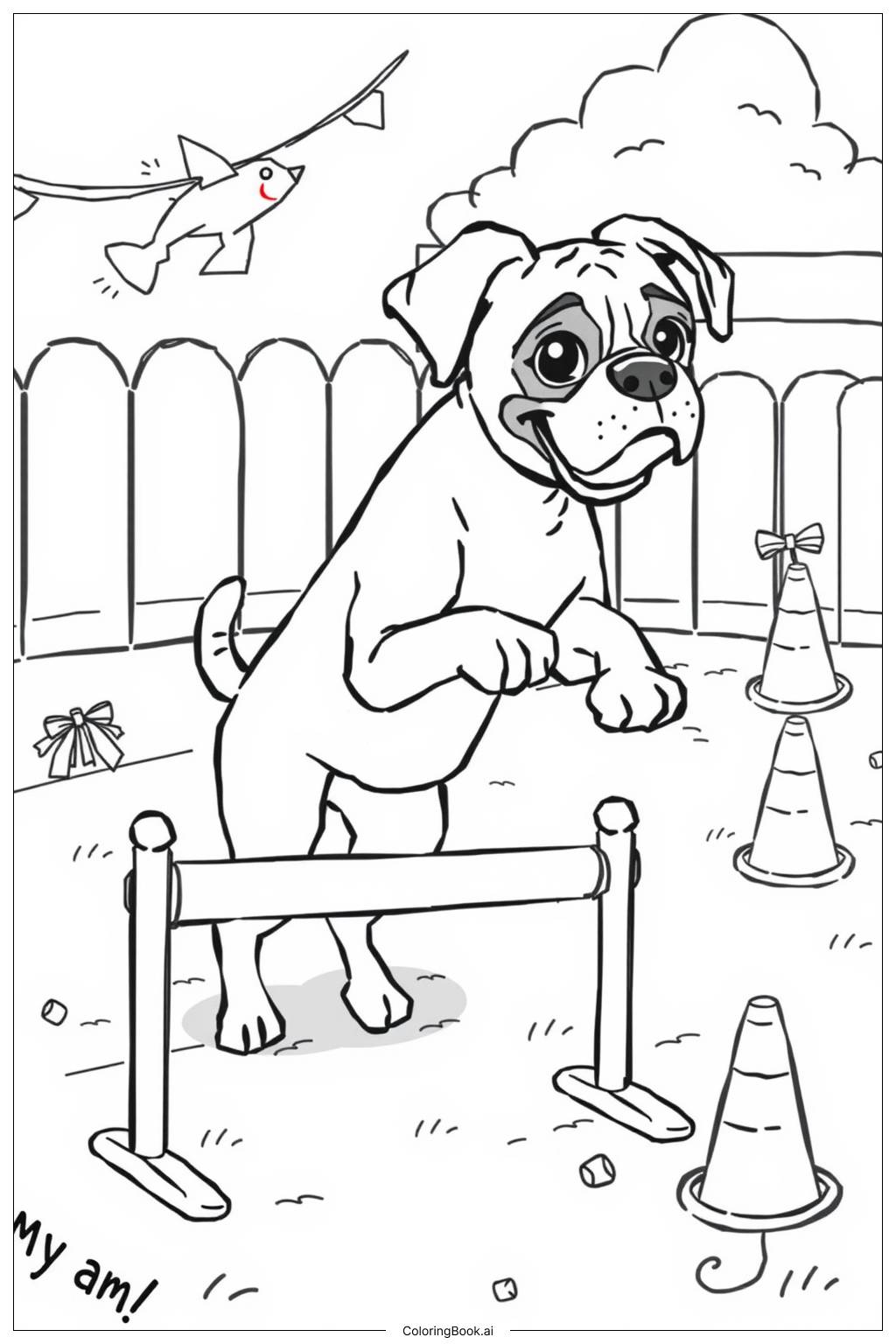
Coloring tips: How to color Police Dog Mission coloring page well?
Start with the dog's fur. German Shepherds or Belgian Malinois are common police dogs, so use tan, brown, and black tones. Add darker shading along the back and lighter areas on the chest and paws. Color the police vest in dark navy blue or black to make it look official. Use bright yellow or gold for the badge to make it stand out. For the background, try cool grays and blues for buildings or a patrol car. Use green for any grass or trees. Keep the colors bold and clear so the scene feels exciting and action-packed. Children can use crayons or colored pencils — both work great here.
Coloring challenges: Which parts are difficult to color and need attention for Police Dog Mission coloring page?
• Fur Texture and Layering: The dog's fur is one of the hardest parts to color well. Real police dogs have multi-toned coats with patches of tan, brown, and black. To make the fur look realistic, you need to use at least two or three colors and blend them carefully. Short, quick strokes that follow the direction of the fur will give the best result. Beginners may find this tricky at first.
• Small Gear Details: The police vest, badge, and leash contain many small shapes and fine lines. Coloring inside these tiny areas without going outside the lines requires a sharp pencil or a fine-tipped coloring tool. The badge in particular has intricate details that need steady hands and patience.
• Background Depth: The background scene — whether it shows a street, buildings, or a patrol vehicle — has many overlapping elements. Keeping the colors distinct so each part reads clearly takes planning. Choosing the right contrast between the dog and the background is important so the main figure does not get lost.
• Light and Shadow: Adding shading to create a three-dimensional look is a common challenge. The dog's face, vest, and body all need highlights and shadows to look realistic rather than flat. Knowing where the light source comes from and staying consistent throughout the whole image is a skill that takes practice.
• Staying Inside Fine Lines: The image has detailed outlines throughout. For younger colorists, controlling the coloring tool and staying within those fine lines across the whole page can be tiring and requires focused attention.
Benefits of coloring books: Advantages of drawing Police Dog Mission coloring page
Coloring this Police Dog Mission page offers many great benefits for kids and anyone who loves to create. First, it builds fine motor skills. Carefully filling in the dog's fur, the small badge, and the tiny gear details all help train hand-eye coordination and improve pencil control. These skills are useful in school and everyday life. Second, it encourages focus and patience. A detailed scene like this one takes time to complete, which helps children practice sitting still and working through a task from start to finish. Third, it sparks creativity. Choosing which colors to use for the fur, the vest, and the background gives colorists a chance to express themselves and make the page their own. Fourth, it builds knowledge and curiosity. Kids learn about the important role police dogs play in keeping communities safe. It may inspire questions about how dogs are trained and how they help officers on real missions. Finally, finishing a full coloring page gives a strong sense of pride and accomplishment — a great confidence boost for colorists of any age.