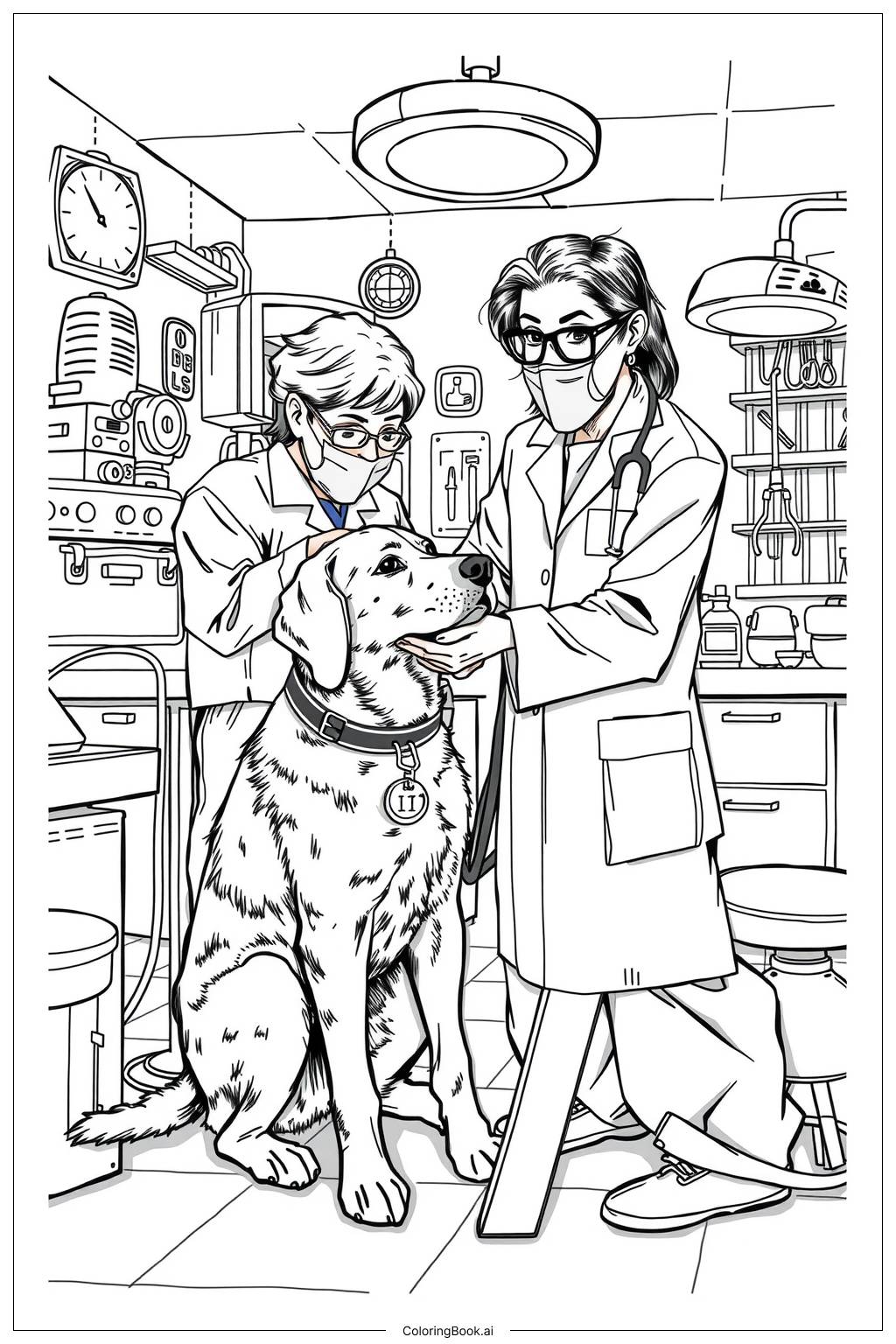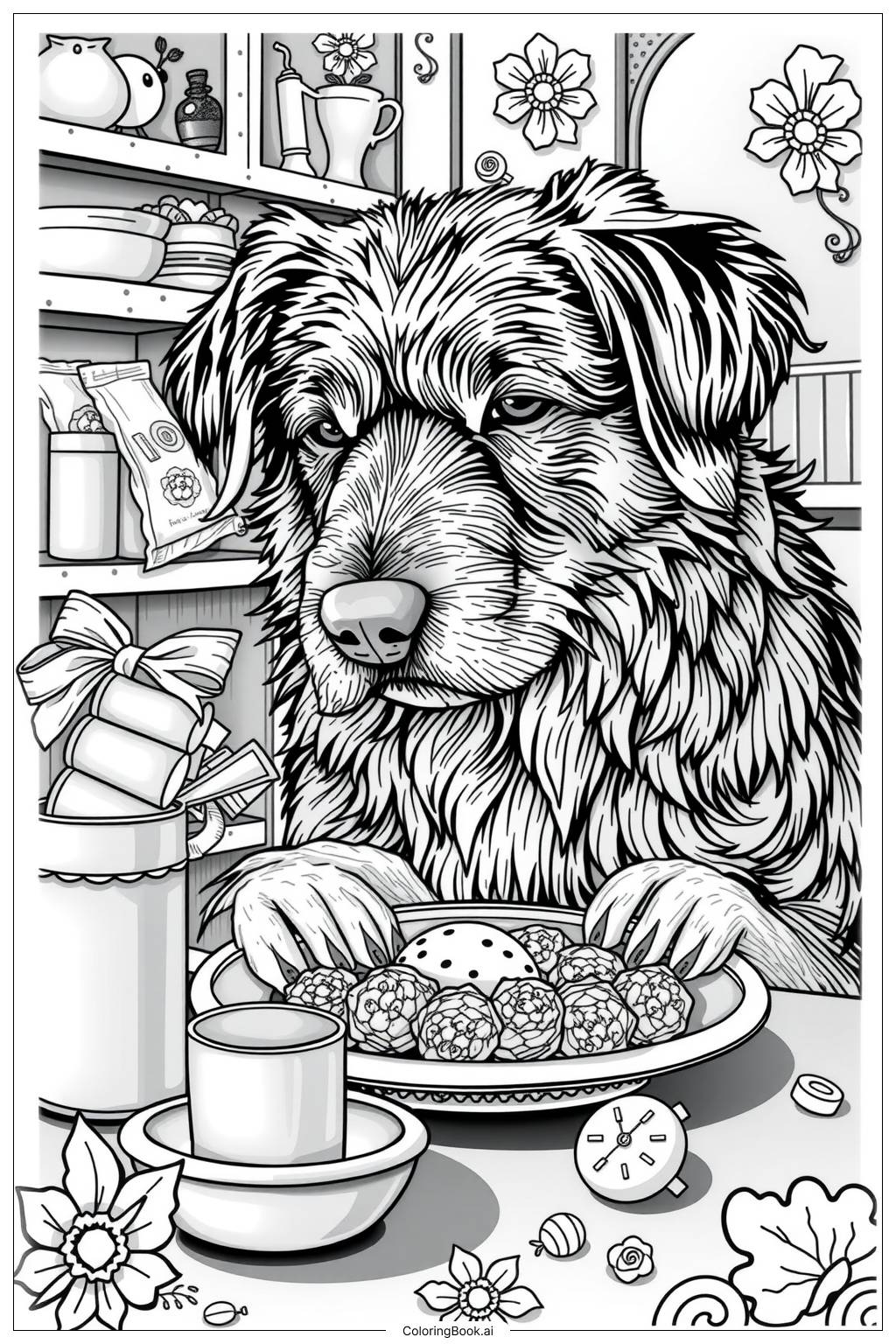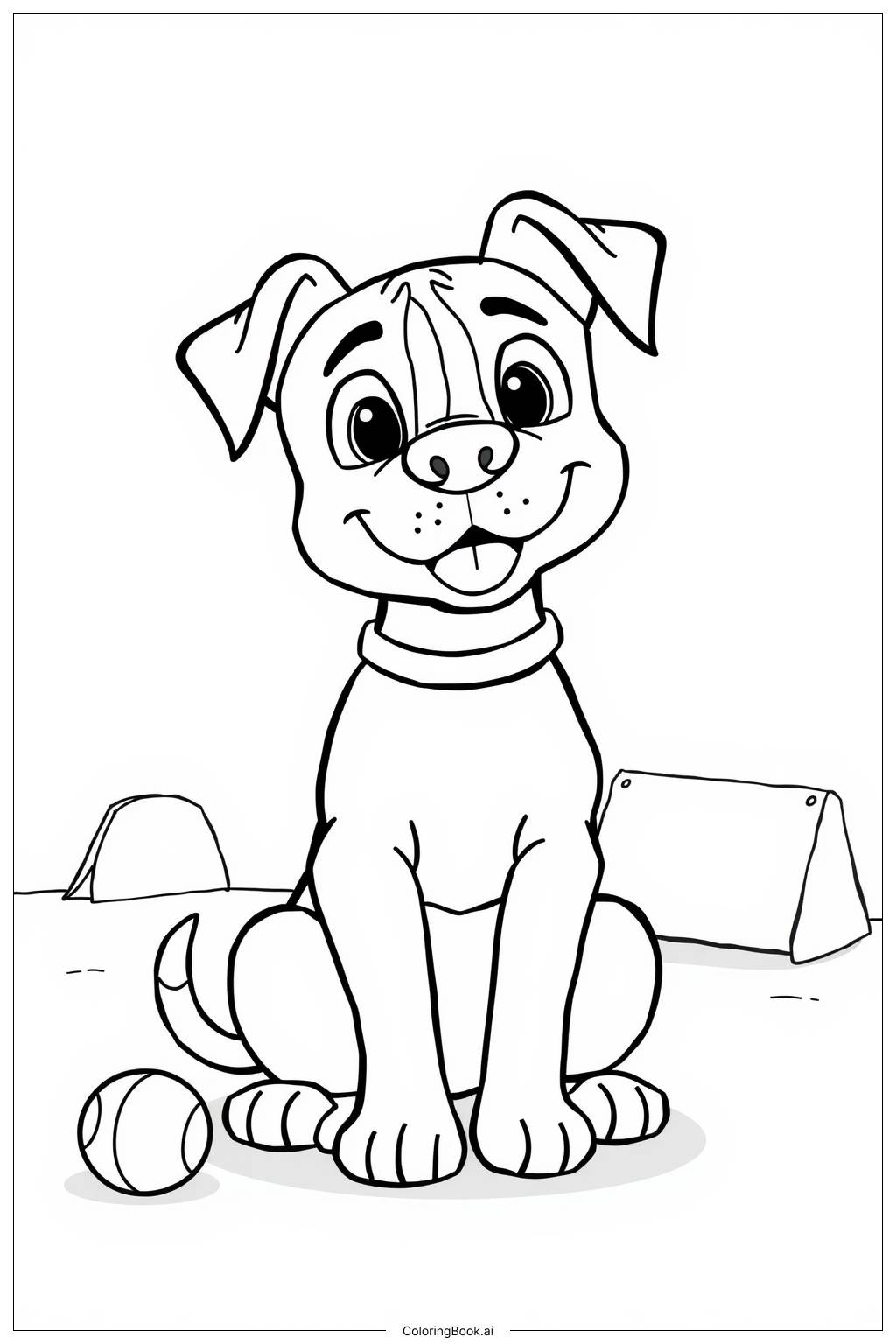
Coloring tips: How to color Police Dog Mission coloring page well?
Start with the dog's fur. German Shepherds or Belgian Malinois are common police dogs, so tan, brown, and black work well. Use darker shades on the back and lighter tones on the chest and legs. For the police vest or harness, try dark navy blue or black with small yellow or white patches to show official markings. If there is a badge or ID tag, color it gold or silver. Background details like a street or patrol car can be colored in grays and blues to set a cool, urban mood. Use bold, confident strokes — this is a hero dog, so bright and strong colors fit perfectly. Kids can also get creative and try their own color combinations to make the dog unique and personal.
Coloring challenges: Which parts are difficult to color and need attention for Police Dog Mission coloring page?
• Fur Texture Details: The dog's fur is made up of many small, overlapping lines that show texture and depth. Staying within these fine lines while blending two or three colors smoothly can be tricky, especially for younger colorists. Take your time and use short, light strokes that follow the direction of the fur.
• Police Vest and Gear: The vest or harness has small details like straps, buckles, patches, and possibly a badge. These tiny areas require a sharp pencil or a fine-tipped marker to color neatly without going outside the lines. Using the wrong tool here can make the gear look messy or undefined.
• Facial Expression: The dog's face includes eyes, a nose, and a muzzle with careful line work. The eyes especially need attention — adding a small white highlight dot can bring the face to life. Getting the shading right around the snout and cheeks helps the face look realistic and expressive.
• Background Scene: If the background includes a street, vehicle, or building, there are multiple zones with different colors and scales. Keeping the background slightly lighter than the dog helps the main subject stand out. Managing this contrast while staying organized across the whole page takes planning and patience.
• Shading and Depth: To make the dog look three-dimensional, you need to add darker tones in shadowed areas like under the chin, behind the legs, and beneath the vest. Blending these darker areas smoothly into the base color without creating hard lines is a real challenge, but it makes the final result look impressive.
Benefits of coloring books: Advantages of drawing Police Dog Mission coloring page
Coloring this Police Dog Mission page offers a wonderful mix of fun and learning for kids of all ages. First, it builds fine motor skills. Carefully coloring the dog's fur, vest details, and background strengthens hand control and pencil grip, which helps with handwriting and everyday tasks. Second, it encourages focus and patience. The detailed areas of the image ask colorists to slow down, concentrate, and work through each section thoughtfully — a great exercise in staying on task. Third, it sparks creativity. Choosing colors for the dog's fur, gear, and scene lets kids make their own artistic decisions and feel proud of a finished piece. Fourth, it teaches kids about community helpers. The image introduces the important role police dogs play in keeping people safe, building awareness and respect for working animals and law enforcement. Fifth, it provides a calm and enjoyable activity that reduces stress and supports emotional balance. Whether coloring alone or with friends and family, this page turns a simple creative activity into a meaningful and rewarding experience for Boys, Girls, and Adults alike.