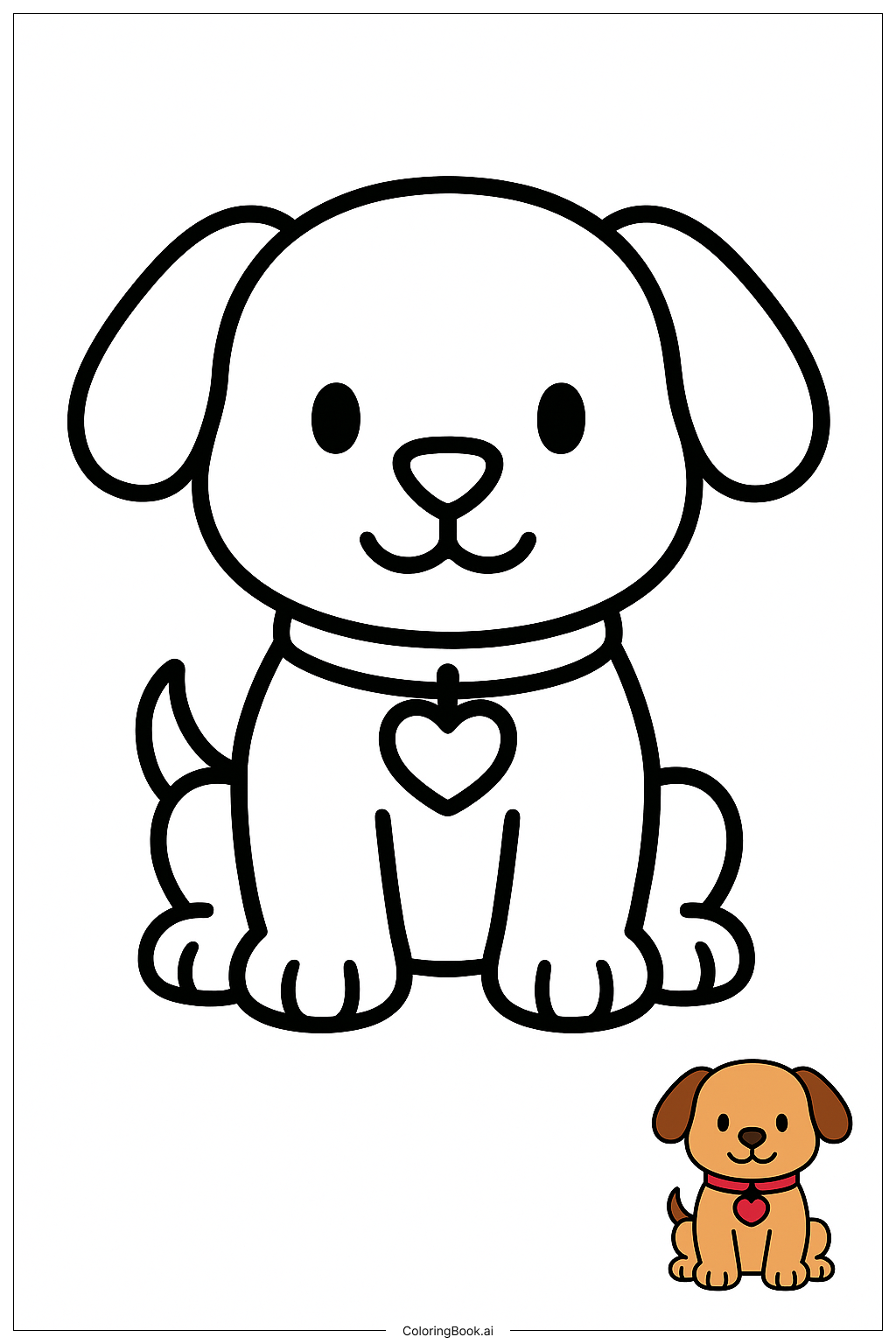
Coloring tips: How to color Easy Cartoon Puppy Outline coloring page well?
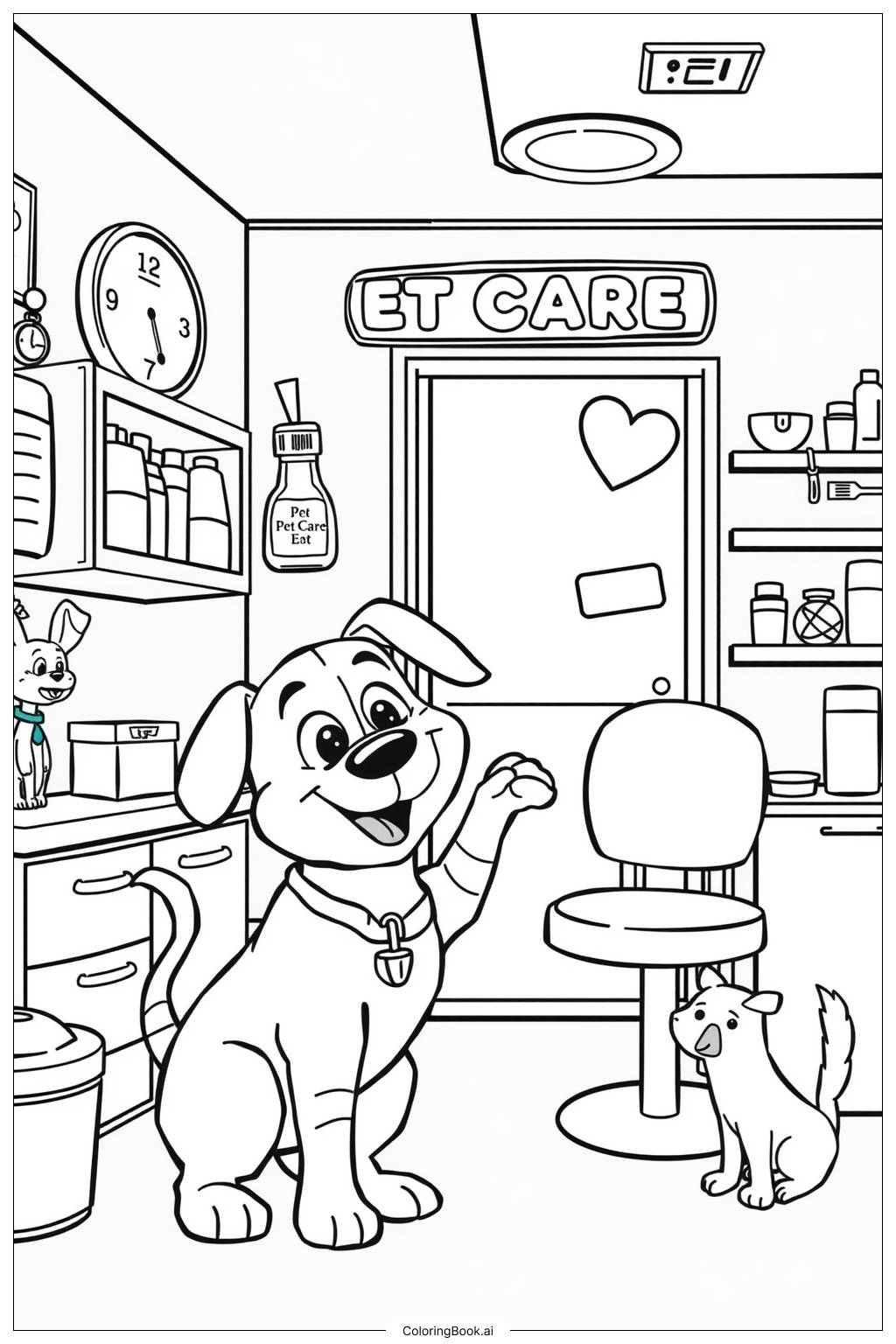
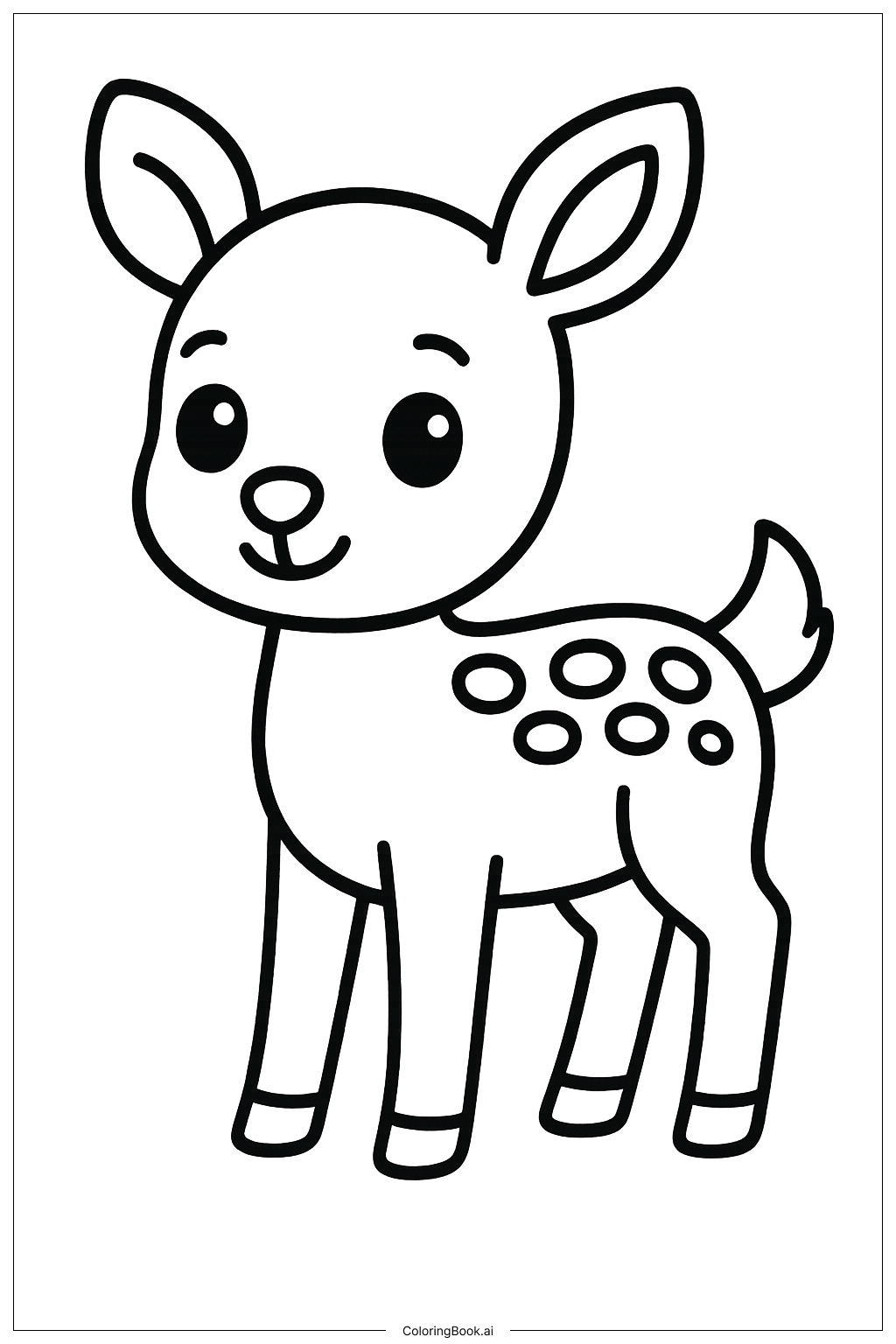
Start with the lightest colors first and work your way to darker shades. For the puppy's body, try warm golden yellow, soft brown, or creamy beige to give it a natural, cozy look. You can also get creative with fun colors like pastel pink or light lavender for a fantasy feel. Use a darker shade of the same color to add shadow along the edges of the ears, belly, and legs. This gives the puppy a soft, three-dimensional look. For the eyes, use dark brown or black for the pupils, and leave a tiny white dot to make them sparkle with life. Color the nose dark brown or black, and try a light pink for the tongue if there is one. The background can be left white or filled with cheerful colors like sky blue, sunny yellow, or soft green to make the puppy really pop. Colored pencils work great for blending, while markers give bold, bright results. Either way, have fun and make this puppy your own!
Coloring challenges: Which parts are difficult to color and need attention for Easy Cartoon Puppy Outline coloring page?
• Staying Inside the Lines: The puppy's outline is bold and clear, but the rounded curves of the face, ears, and body can be tricky for younger children to follow precisely. Slow, careful strokes near the edges will help keep colors neat and tidy within each section.
• Coloring the Eyes: The eyes are one of the most expressive parts of this puppy. They are small and detailed, with curved outlines that require a fine-tipped tool to fill in accurately. Adding a highlight dot inside the eye takes a steady hand but makes a big difference in bringing the puppy to life.
• Blending Fur Tones: Creating a realistic or soft fur effect means layering multiple shades of the same color family. For example, using light brown, medium brown, and a darker brown together requires patience and practice. Young colorists may find it easier to simply pick one color and apply it evenly.
• Shading Curved Body Parts: The puppy's chubby cheeks, round body, and floppy ears are all curved surfaces. Adding shading to these areas to give a three-dimensional look can be challenging. A simple trick is to press lightly at the center and press harder near the edges for a natural gradient effect.
• Keeping Colors Consistent: Because the puppy has several similar sections, such as both ears and both paws, keeping the same color tone across matching parts requires attention. It helps to color all matching areas at the same time so the shades stay uniform throughout the page.
Benefits of coloring books: Advantages of drawing Easy Cartoon Puppy Outline coloring page
Coloring this cheerful cartoon puppy offers a wonderful range of benefits for children of all ages. First, it helps develop fine motor skills. Holding a crayon or pencil and guiding it carefully inside the lines builds hand strength and coordination that supports everyday tasks like writing and drawing. Second, it encourages focus and patience. Completing a coloring page from start to finish teaches children to slow down, concentrate, and feel proud of a finished piece of art. Third, it sparks creativity and self-expression. Choosing colors, mixing shades, and deciding what the puppy should look like gives every child a chance to make something uniquely their own. Fourth, it introduces basic art concepts such as color mixing, shading, and contrast in a fun, low-pressure way. Fifth, coloring is naturally calming and stress-relieving. The quiet, repetitive motion of coloring helps children relax and unwind after a busy day. Finally, this puppy-themed page can also spark a love for animals and storytelling. Children may invent a name and a whole adventure for their puppy, making the activity both artistic and imaginative. Overall, this simple coloring page is a joyful and enriching experience for young artists.